
Nutrition comparison
Vermicelli vs Spaghetti: Which Pasta is Better for You?
Compare vermicelli and spaghetti to find out which pasta offers better satiety, blood sugar control, and cooking convenience for your meals.
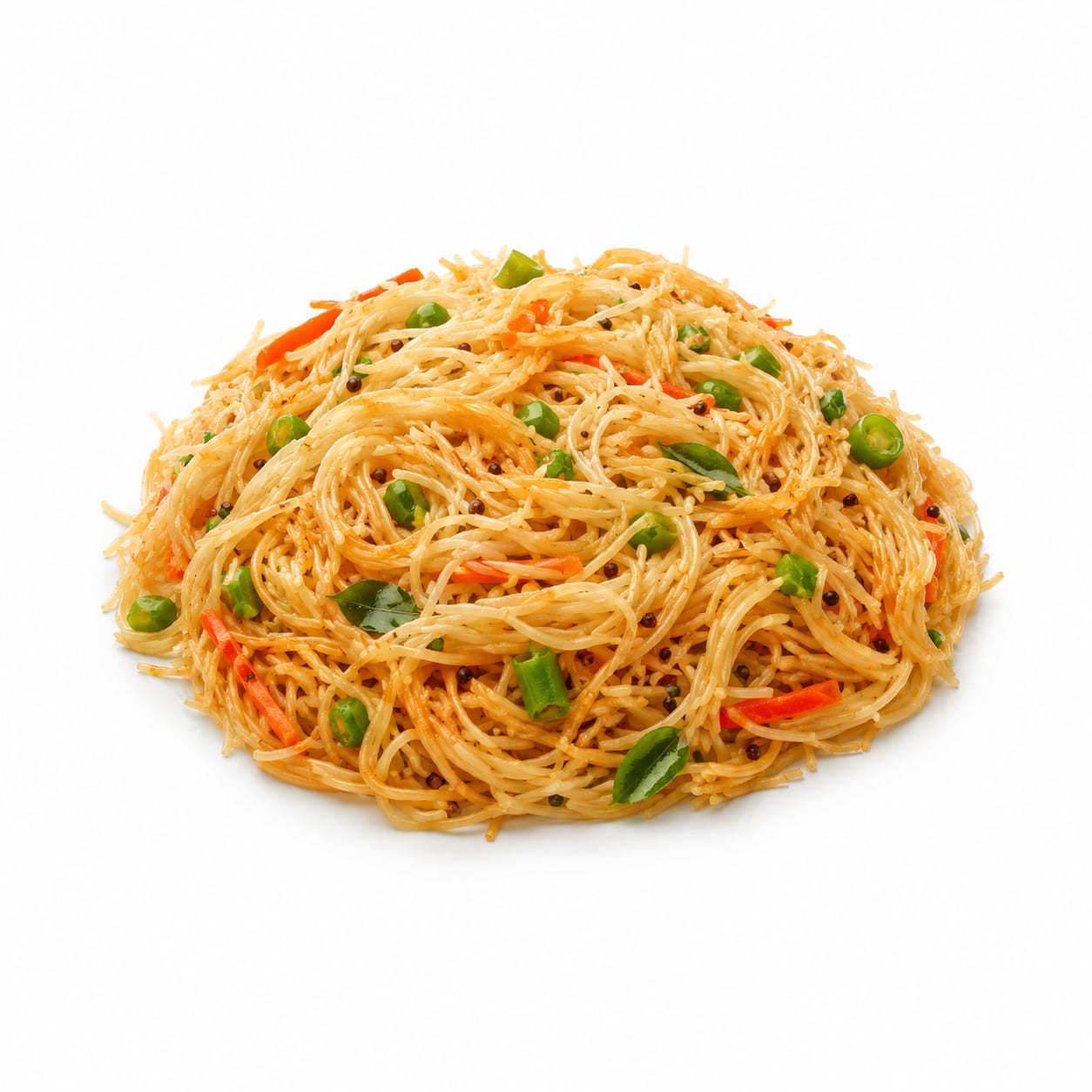
Vermicelli
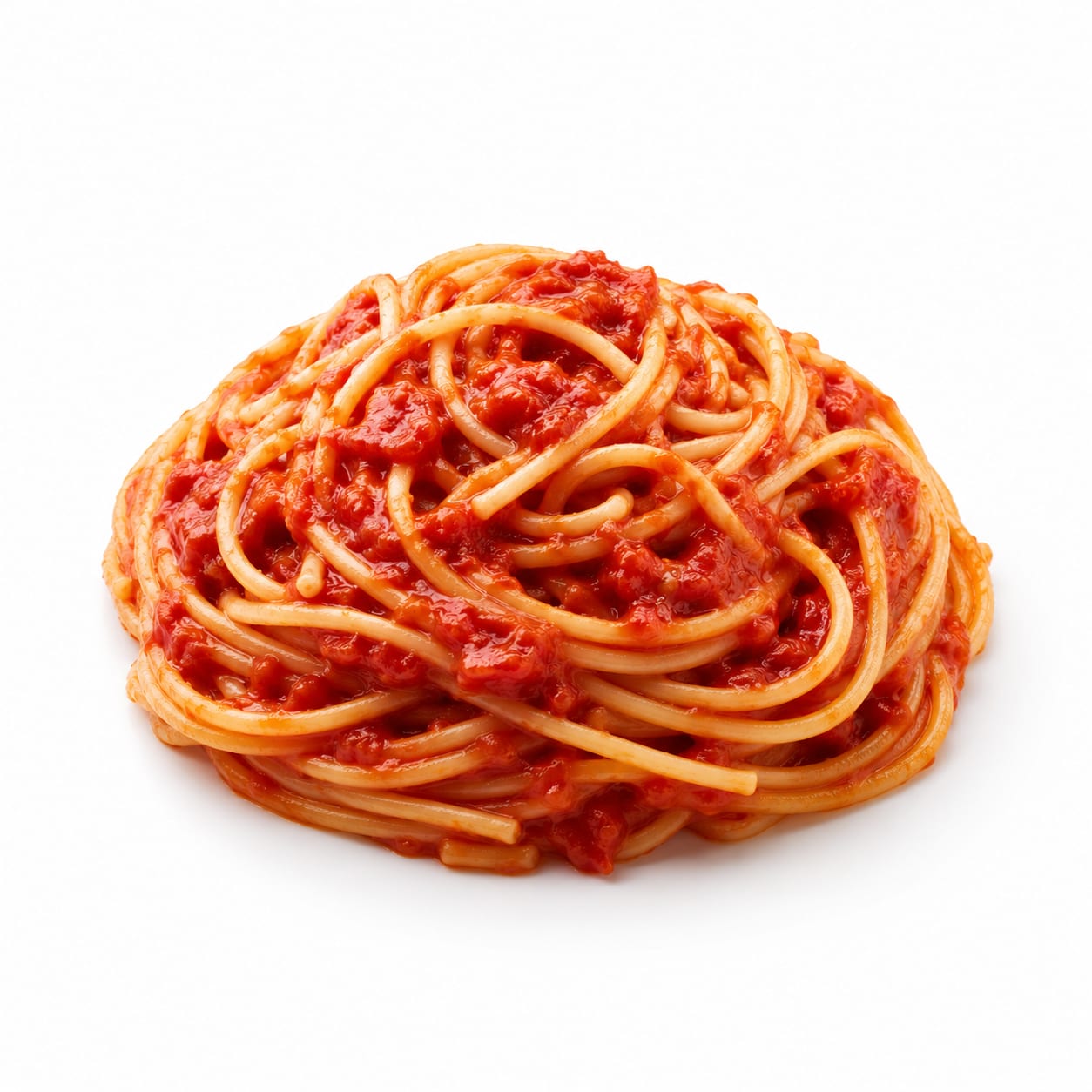
Spaghetti
Spaghetti keeps you fuller and steadier, while vermicelli saves time and works better in light dishes.
Spaghetti scores slightly higher due to better satiety and steadier blood sugar response, but vermicelli's convenience keeps it competitive.
Digestion speed and satiety versus cooking time and texture preference.
At a glance
Executive summary
Overall
It depends
Healthier
Spaghetti
More practical
Vermicelli
Daily use
Spaghetti
Key comparison lenses
Glycemic impact and digestion speed
Pasta thickness drastically changes how fast the body breaks it down into sugar
Satiety and portion control
Thicker noodles keep you full longer, affecting overall calorie intake
Cooking convenience and time
Vermicelli cooks in a fraction of the time, making it a weeknight staple
Sauce pairing and meal versatility
Texture dictates which sauces cling well and how satisfying the meal feels
Best choice for
Vermicelli
- Vermicelli is ideal for quick weeknight dinners
- Vermicelli works best in light soups and broths
- Vermicelli shines in Asian-inspired stir-fries
Spaghetti
- Spaghetti is perfect for hearty family meals
- Spaghetti is better for blood sugar management
- Spaghetti is great for post-workout carb loading
Least suitable for
Vermicelli
- Vermicelli is less ideal for heavy, chunky sauces
- Vermicelli falls short when you need slow-digesting carbs
Spaghetti
- Spaghetti is not great for rushed 10-minute meals
- Spaghetti is too heavy for delicate broth-based dishes
Deep comparison
Dimension by dimension
Each lens scores both foods and breaks down who each option suits.
- Dimension 1 · Priority 92Spaghetti
Blood Sugar Stability
Vermicelli · 65Spaghetti · 80Spaghetti digests more slowly due to its thickness, leading to steadier blood sugar.
Tradeoff
Vermicelli gives quicker energy but risks a faster crash.
Why it matters
Thinner pasta has a higher surface area, breaking down into glucose faster.
Real-world impact
You might feel hungry sooner after a vermicelli meal than after spaghetti.
Vermicelli
- Vermicelli is better for quick pre-workout energy
- Vermicelli suits those who prefer light, easily digestible meals
Better for
- Vermicelli is worse for managing diabetes
- Vermicelli is less ideal for long meetings without snack breaks
Worse for
Spaghetti
- Spaghetti is better for steady afternoon energy
- Spaghetti helps in avoiding the post-lunch crash
Better for
- Spaghetti is worse when you need immediate energy right before a run
Worse for
- Dimension 2 · Priority 88Spaghetti
Satiety & Fullness
Vermicelli · 60Spaghetti · 85Spaghetti is significantly more filling per calorie.
Tradeoff
Vermicelli feels lighter in the stomach, which can be nice or a downside.
Why it matters
Thicker noodles take longer to chew and digest, delaying hunger signals.
Real-world impact
A spaghetti dinner keeps you full until bedtime; vermicelli might lead to late-night snacking.
Vermicelli
- Vermicelli is better for light summer lunches
- Vermicelli suits days with low activity
Better for
- Vermicelli is worse for weight loss diets where satiety is key
- Vermicelli is less ideal for heavy labor jobs
Worse for
Spaghetti
- Spaghetti is better for hearty family dinners
- Spaghetti is great for post-workout recovery meals
Better for
- Spaghetti is worse when you feel bloated easily
- Spaghetti is too heavy right before a workout
Worse for
- Dimension 3 · Priority 80Vermicelli
Cooking Speed & Convenience
Vermicelli · 95Spaghetti · 60Vermicelli cooks in a fraction of the time.
Tradeoff
You sacrifice the al dente bite of a thicker noodle.
Why it matters
Vermicelli is ready in 3-5 minutes, perfect for busy schedules.
Real-world impact
Vermicelli saves you 5-10 minutes on a hectic weeknight.
Vermicelli
- Vermicelli is better for rushed weeknight dinners
- Vermicelli is ideal for college students with limited time
Better for
- Vermicelli is worse when you crave a firm, chewy texture
Worse for
Spaghetti
- Spaghetti is better for weekend meal prep
- Spaghetti suits slow, relaxing cooking sessions
Better for
- Spaghetti is worse when you are starving and need food immediately
Worse for
- Dimension 4 · Priority 75Spaghetti
Sauce Pairing & Versatility
Vermicelli · 65Spaghetti · 90Spaghetti handles a wider variety of sauces, from light to heavy.
Tradeoff
Vermicelli excels in soups and light oils but gets lost in heavy sauces.
Why it matters
The structural integrity of spaghetti holds up to rich tomato and meat sauces.
Real-world impact
Spaghetti is your go-to for classic pasta nights; vermicelli for quick broths.
Vermicelli
- Vermicelli is better for broth-based soups
- Vermicelli works well in cold noodle salads
- Vermicelli pairs nicely with light oil and garlic dressings
Better for
- Vermicelli is worse for chunky vegetable sauces
- Vermicelli cannot support heavy meat ragùs
Worse for
Spaghetti
- Spaghetti is better for hearty bolognese
- Spaghetti handles thick cream sauces well
- Spaghetti is perfect for classic marinara
Better for
- Spaghetti is worse for delicate consommés
- Spaghetti is less ideal for quick stir-fries where lightness is preferred
Worse for
Timeline
Health impact over time
Short-term
Hours to days
Vermicelli
- Vermicelli gives a quick energy boost
- Vermicelli leaves a light feeling in the stomach
- Vermicelli leads to a faster hunger return
Spaghetti
- Spaghetti provides sustained energy
- Spaghetti offers comforting fullness
- Spaghetti takes longer to digest
Long-term
Months to years
Vermicelli
- Vermicelli may lead to more frequent snacking if eaten alone
- Vermicelli carries a slightly higher glycemic load if consumed in large portions
Spaghetti
- Spaghetti supports better weight management due to satiety
- Spaghetti promotes a steadier metabolic response
Risk profile
Safety & processing
Both are equally processed, typically made from just durum wheat and water. Choose whole-wheat versions of either for a nutritional upgrade.
Vermicelli
Overcooking mushiness
lowVermicelli turns to mush easily if overcooked, losing its appeal and texture.
Spaghetti
Undercooking hardness
lowSpaghetti can be too firm in the center if not cooked long enough, making it harder to digest.
Who wins for whom
Audience fit
Same foods, different winners depending on your goal.
children
It dependsKids often prefer the familiar twirl of spaghetti, but vermicelli's softness is great for toddlers.
daily consumption
SpaghettiSpaghetti offers better satiety for daily meals, keeping hunger in check.
diabetes
SpaghettiThicker pasta digests slower, causing a gentler blood sugar rise.
elderly
VermicelliVermicelli's softer texture is easier to chew and gentler on the digestive system.
muscle gain
SpaghettiSpaghetti provides a slower-releasing carb source that pairs well with protein for recovery meals.
weight loss
SpaghettiSpaghetti keeps you fuller longer, reducing the urge to snack between meals.
Your move
Decision guide
Choose Vermicelli
- You need dinner on the table in under 10 minutes
- You are making a light soup or broth
- You prefer a softer, more delicate noodle
Choose Spaghetti
- You want a filling, satisfying meal
- You are serving a hearty sauce
- You want steadier energy without crashes
Either works if
- You are using whole-wheat versions for extra fiber
- You are mixing them into a casserole or bake
Avoid both if
- You are strictly limiting refined carbohydrates
- You have a severe gluten intolerance
Final recommendation
Choose spaghetti for satisfying, sauce-heavy meals and steadier energy. Opt for vermicelli when time is tight or you want a lighter, quicker-cooking dish.
Practical
Consumer tips
- 1
Pair either pasta with protein and healthy fats to slow down digestion and prevent blood sugar spikes.
- 2
Look for whole-wheat or legume-based versions of both to boost fiber and protein content.
- 3
Salt your pasta water generously; it is the only chance to season the noodle itself.
- 4
Rinse vermicelli with cold water after cooking if using in a cold salad or stir-fry to stop the cooking process.