
Nutrition comparison
Vermicelli vs Soba Noodles: Which Is Healthier?
Compare vermicelli and soba noodles on nutrition, blood sugar impact, gluten-free suitability, and satiety. Find out which noodle is better for weight loss, diabetes, and daily meals.
Overall winner · Soba noodles
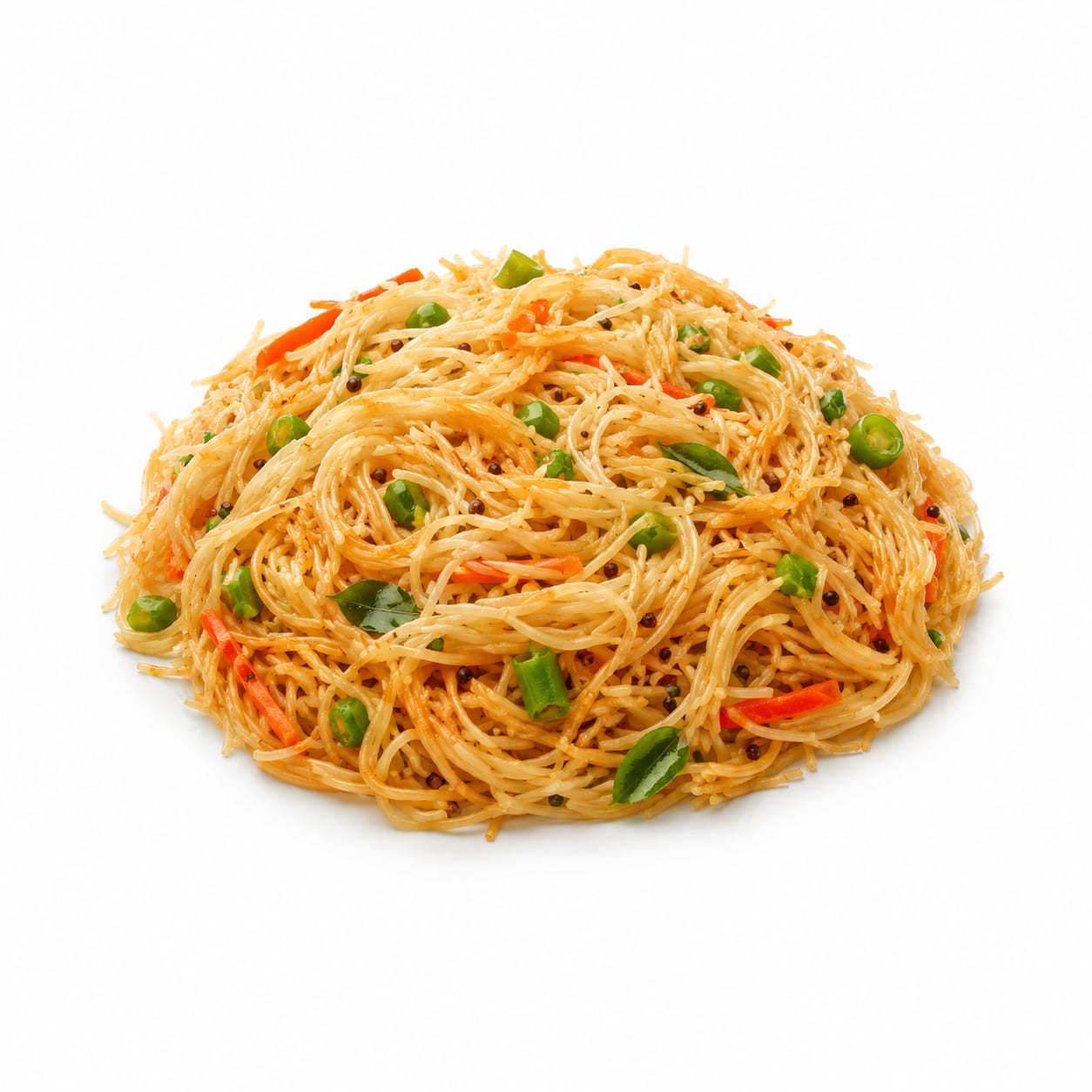
Vermicelli
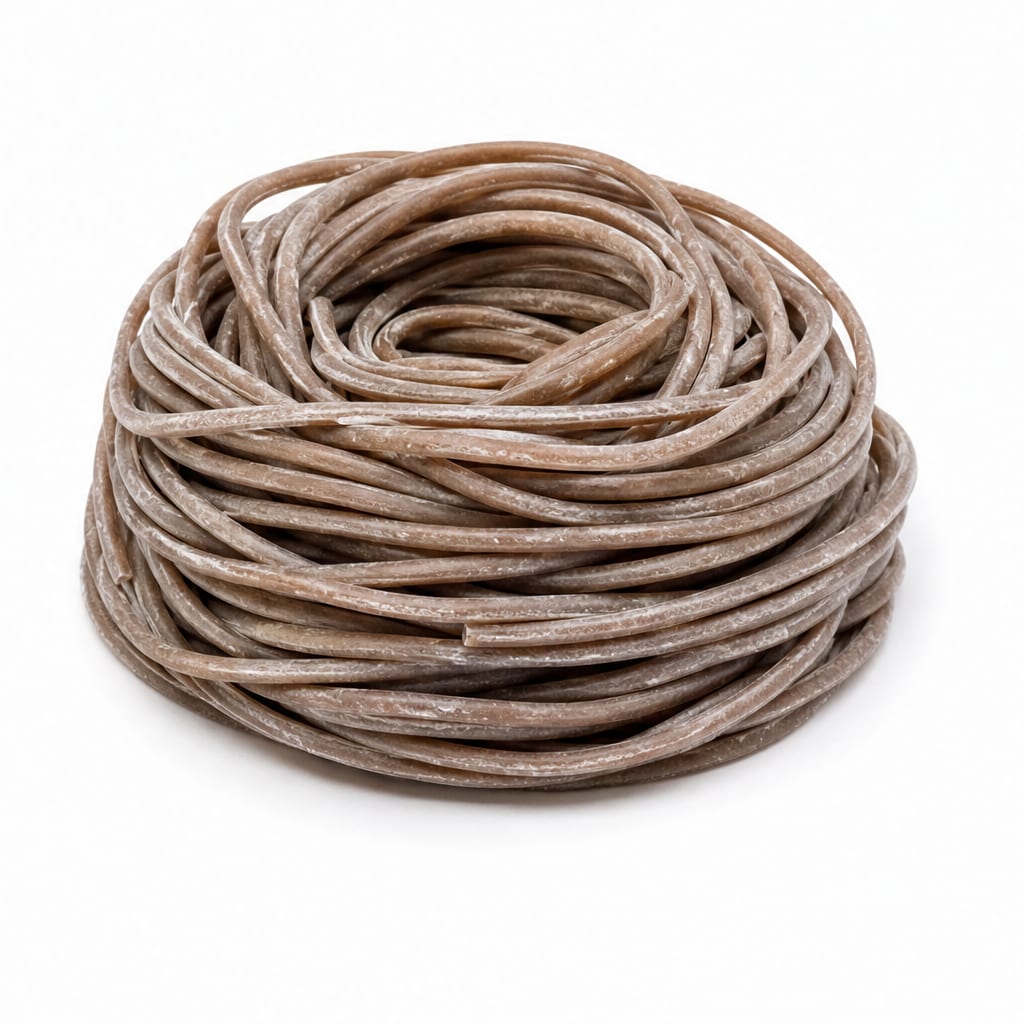
Soba noodles
Soba noodles deliver more protein, fiber, and antioxidants per bite, making them the nutritionally stronger choice for most people.
Soba noodles score notably higher due to superior protein, fiber, mineral content, and blood sugar stability. Vermicelli remains a reasonable light carb but offers less nutritional return per calorie.
Vermicelli is lighter and more versatile across cuisines, but Soba keeps you fuller longer and stabilizes blood sugar better.
At a glance
Executive summary
Overall
Soba noodles
Healthier
Soba noodles
More practical
Vermicelli
Daily use
Soba noodles
Key comparison lenses
blood sugar management
Soba's buckwheat content offers significantly slower carb absorption compared to refined wheat or rice vermicelli
nutritional density
Users choosing between noodle types often want to know which delivers more vitamins, minerals, and protein per calorie
gluten-free suitability
Rice vermicelli is naturally gluten-free while most soba contains wheat unless specifically labeled 100% buckwheat
weight management
Fiber and protein differences between these noodles affect satiety and overeating risk
everyday meal versatility
Both are staple carbs but differ in flavor, cooking time, and cuisine compatibility
Best choice for
Vermicelli
- Gluten-sensitive individuals who need a reliable wheat-free option
- Quick weeknight meals requiring neutral-flavored noodles
- Light soups and spring rolls where delicate texture matters
- People avoiding buckwheat allergens
Soba noodles
- Anyone prioritizing steady energy and reduced sugar crashes
- Plant-based eaters seeking more protein from carb sources
- Heart-health conscious diners wanting rutin antioxidants
- Those who find regular noodles unsatisfying and want to stay full longer
Least suitable for
Vermicelli
- People managing diabetes or insulin resistance
- Those seeking high-protein carb alternatives
- Anyone wanting nutrient-dense calories over empty carbs
Soba noodles
- People with buckwheat allergies
- Gluten-sensitive individuals unless using 100% buckwheat soba
- Diners wanting a neutral-tasting noodle for mild dishes
Deep comparison
Dimension by dimension
Each lens scores both foods and breaks down who each option suits.
- Dimension 1 · Priority 92Soba noodles
blood sugar stability
Vermicelli · 35Soba noodles · 72Soba's buckwheat slows glucose absorption significantly more than refined vermicelli.
Tradeoff
Rice vermicelli causes faster blood sugar spikes, while even wheat vermicelli digests quicker than soba.
Why it matters
Steadier blood sugar means fewer afternoon energy crashes and less craving-driven snacking.
Real-world impact
A soba noodle lunch keeps you satisfied until dinner. Vermicelli may leave you hungry again within two hours.
Vermicelli
- Pre-workout meals where quick energy is actually desired
Better for
- Insulin-resistant individuals
- Frequent snackers who struggle with hunger
Worse for
Soba noodles
- Diabetes management
- Preventing the 3pm energy slump
- Reducing sugar cravings between meals
Better for
- Those needing fast-digesting carbs right after intense exercise
Worse for
- Dimension 2 · Priority 88Soba noodles
nutritional density
Vermicelli · 30Soba noodles · 78Soba provides substantially more protein, fiber, magnesium, and manganese per serving than vermicelli.
Tradeoff
Vermicelli is mostly refined carbohydrate with minimal micronutrients. Soba delivers meaningful nutrition alongside its calories.
Why it matters
Nutrient-dense carbs reduce the need for supplementation and support long-term health without extra effort.
Real-world impact
Choosing soba means your noodle bowl actually contributes to your daily protein and mineral goals instead of just filling you up.
Vermicelli
- Times when you want a light carb base and get nutrients from other bowl components
Better for
- Meals relying on the carb itself for nutritional value
Worse for
Soba noodles
- One-dish meals where the noodle carries more nutritional weight
- Plant-based diets needing protein from multiple sources
Better for
- Very low-calorie diets where even small calorie increases from denser noodles matter
Worse for
- Dimension 3 · Priority 85Soba noodles
satiety and fullness
Vermicelli · 38Soba noodles · 75Higher protein and fiber in soba create longer-lasting fullness compared to vermicelli's quick-digesting carbs.
Tradeoff
Vermicelli feels lighter in the stomach, which can be pleasant or unsatisfying depending on your needs.
Why it matters
Staying full longer reduces overall calorie intake without willpower struggle.
Real-world impact
Soba bowls typically keep hunger away for 4-5 hours. Vermicelli dishes often need a snack within 2-3 hours.
Vermicelli
- Hot weather meals where heavy fullness feels uncomfortable
- Small appetites that prefer lighter portions
Better for
- People who overeat because they never feel satisfied
Worse for
Soba noodles
- Long workdays without snack access
- Weight management through natural portion control
Better for
- Those who dislike feeling full for extended periods after lunch
Worse for
- Dimension 4 · Priority 75Soba noodles
antioxidant content
Vermicelli · 15Soba noodles · 80Buckwheat contains rutin, a unique antioxidant that supports vascular health. Vermicelli offers essentially none.
Tradeoff
This is a clear win for soba with no real downside beyond the fact that antioxidants alone don't make or break a diet.
Why it matters
Rutin specifically strengthens blood vessel walls and supports circulation, benefits most people don't get from other carb sources.
Real-world impact
Regular soba consumption contributes to long-term cardiovascular protection in a way vermicelli simply cannot match.
Vermicelli
- Situations where antioxidant content is irrelevant to the meal's purpose
Better for
- Long-term cardiovascular risk reduction
Worse for
Soba noodles
- Heart health-conscious eaters
- Older adults concerned about vascular integrity
- Anyone wanting functional benefits from everyday foods
Better for
- Rare buckwheat allergy cases where rutin is irrelevant due to intolerance
Worse for
- Dimension 5 · Priority 80Vermicelli
gluten-free compatibility
Vermicelli · 85Soba noodles · 30Rice vermicelli is naturally gluten-free. Most soba contains wheat flour unless specifically labeled 100% buckwheat.
Tradeoff
Gluten-free soba exists but is harder to find and more expensive. Rice vermicelli is reliably safe and widely available.
Why it matters
For celiac or gluten-sensitive individuals, this alone can determine the choice regardless of other nutritional factors.
Real-world impact
Grabbing vermicelli at any grocery store is stress-free for gluten-free shoppers. Soba requires careful label reading and often specialty stores.
Vermicelli
- Celiac disease management
- Gluten intolerance without label-reading fatigue
- Restaurant dining where ingredient certainty matters
Better for
- Anyone without gluten concerns where this dimension is irrelevant
Worse for
Soba noodles
- Gluten-tolerant people who get 100% buckwheat soba easily
Better for
- Celiac diners who cannot verify soba ingredients
- Budget-conscious gluten-free eaters facing premium prices for pure buckwheat soba
Worse for
- Dimension 6 · Priority 68Vermicelli
cooking convenience and versatility
Vermicelli · 82Soba noodles · 60Vermicelli cooks in 2-3 minutes, works in countless cuisines, and absorbs flavors readily. Soba requires more attention and suits specific dishes.
Tradeoff
Vermicelli's neutral adaptability comes at the cost of less inherent flavor. Soba's nutty taste limits pairing options but adds character.
Why it matters
Convenience affects how often you actually cook at home versus ordering takeout.
Real-world impact
Vermicelli works in Vietnamese pho, Italian pasta dishes, Thai stir-fries, and Indian upma. Soba shines in Japanese preparations but feels out of place elsewhere.
Vermicelli
- Meal preppers who want one noodle for multiple recipes
- Cooks short on time who need boiling-fast ingredients
- Fusion cuisine experimentation
Better for
- Dishes where the noodle itself should contribute flavor, not just carry sauce
Worse for
Soba noodles
- Japanese home cooking enthusiasts
- Those who appreciate distinct noodle character over neutral versatility
Better for
- Non-Asian recipes where buckwheat flavor clashes
- Beginner cooks unfamiliar with soba's specific rinsing and cooling steps
Worse for
Timeline
Health impact over time
Short-term
Hours to days
Vermicelli
- Quick energy from easily digested carbohydrates
- Light stomach feel suitable for eating before activity
- Possible hunger return within 2-3 hours after a standard portion
Soba noodles
- Sustained energy without the carb crash
- Comfortable fullness lasting 4-5 hours
- Slower digestion that may feel heavy immediately after large portions
Long-term
Months to years
Vermicelli
- Regular consumption of refined carbs may contribute to insulin resistance over time
- Minimal contribution to daily micronutrient goals
- Lower fiber intake if vermicelli replaces whole grain options frequently
Soba noodles
- Rutin from buckwheat supports vascular health and may reduce cardiovascular risk
- Higher fiber intake promotes gut health and regular digestion
- Better blood sugar patterns reduce long-term metabolic disease risk
Risk profile
Safety & processing
Both are relatively simple foods, but rice vermicelli undergoes more refining to achieve its thin, white form. Traditional soba retains more of the buckwheat grain, preserving natural nutrients and fiber.
Vermicelli
arsenic exposure in rice-based vermicelli
mediumRice naturally accumulates arsenic from soil and water. Regular daily consumption of rice vermicelli could contribute to cumulative exposure, especially concerning for children.
cross-contamination in wheat vermicelli
lowWheat-based vermicelli may share facilities with allergens. Always check labels if you have severe allergies.
Soba noodles
hidden wheat in blended soba
mediumMost commercial soba contains 20-40% wheat flour. People with celiac or gluten sensitivity must seek out 100% buckwheat varieties and verify labels carefully.
buckwheat allergy
highThough rare, buckwheat allergy can cause severe reactions including anaphylaxis. It is one of the more serious food allergies in Japan where soba consumption is common.
Who wins for whom
Audience fit
Same foods, different winners depending on your goal.
children
It dependsRice vermicelli is kid-friendly and easy to eat, but daily rice intake raises arsenic concerns. Soba offers better nutrition but buckwheat allergy risk requires awareness.
daily consumption
Soba noodlesSoba's nutritional advantages compound with regular use, while daily vermicelli means daily refined carbs with minimal nutritional benefit.
diabetes
Soba noodlesBuckwheat's lower glycemic impact and higher fiber make soba significantly safer for blood sugar management.
elderly
Soba noodlesSoba's rutin supports vascular health and its higher mineral content addresses common deficiencies in aging populations.
muscle gain
Soba noodlesSoba provides roughly double the protein of vermicelli per serving, supporting muscle maintenance alongside other protein sources.
weight loss
Soba noodlesHigher protein and fiber in soba naturally reduce overall calorie intake by keeping you satisfied longer without deliberate restriction.
Your move
Decision guide
Choose Vermicelli
- You need a reliable gluten-free noodle and cannot find 100% buckwheat soba
- You want a neutral base that disappears into whatever sauce or broth you make
- You are cooking for kids who prefer milder flavors and softer textures
- You need something that boils in under 3 minutes on busy nights
- You are making Southeast Asian dishes where vermicelli is traditional
Choose Soba noodles
- You want more protein and fiber from your carb choices without adding supplements
- Afternoon energy crashes are a regular problem for you
- Heart health and vascular strength are long-term priorities
- You enjoy nutty, earthy flavors that add character to simple meals
- You are comfortable reading labels to find authentic buckwheat soba
Either works if
- You are having an occasional noodle bowl and overall diet quality is already strong
- Neither is a daily staple and you rotate between multiple carb sources
- You are cooking for a group with mixed dietary needs and preferences
Avoid both if
- You are strictly limiting carbohydrate intake for ketogenic or very low-carb protocols
- You have both buckwheat allergy and celiac disease, making both options problematic
- You are seeking a high-protein main dish rather than a carb base
Final recommendation
Make soba your default noodle for its nutritional advantages, blood sugar stability, and long-term health benefits. Keep vermicelli on hand for gluten-free needs, quick meals, and Asian recipes where its delicate texture is essential. If choosing soba, seek out brands with at least 80% buckwheat content to actually receive the health benefits that make it worth choosing.
Practical
Consumer tips
- 1
Look for soba labeled 'juwari' or '100% buckwheat' to avoid wheat fillers and get genuine nutritional benefits
- 2
Rinse cooked soba under cold water to remove surface starch that makes it gummy and improves texture
- 3
Limit rice vermicelli to 3-4 times per week to manage arsenic exposure, especially for children
- 4
Add vegetables and protein to either noodle to create balanced meals rather than eating large carb-heavy portions
- 5
Store both in airtight containers away from moisture, as buckwheat in soba can go rancid faster than refined vermicelli
- 6
Try mixing half soba and half vermicelli in dishes to get some buckwheat benefits while maintaining lighter texture