
Nutrition comparison
Vermicelli vs Rice Vermicelli: Nutrition, Gluten, and Which Noodle to Choose
Compare wheat vermicelli and rice vermicelli on protein, blood sugar impact, gluten content, and digestibility. Find out which noodle fits your diet and cooking style.
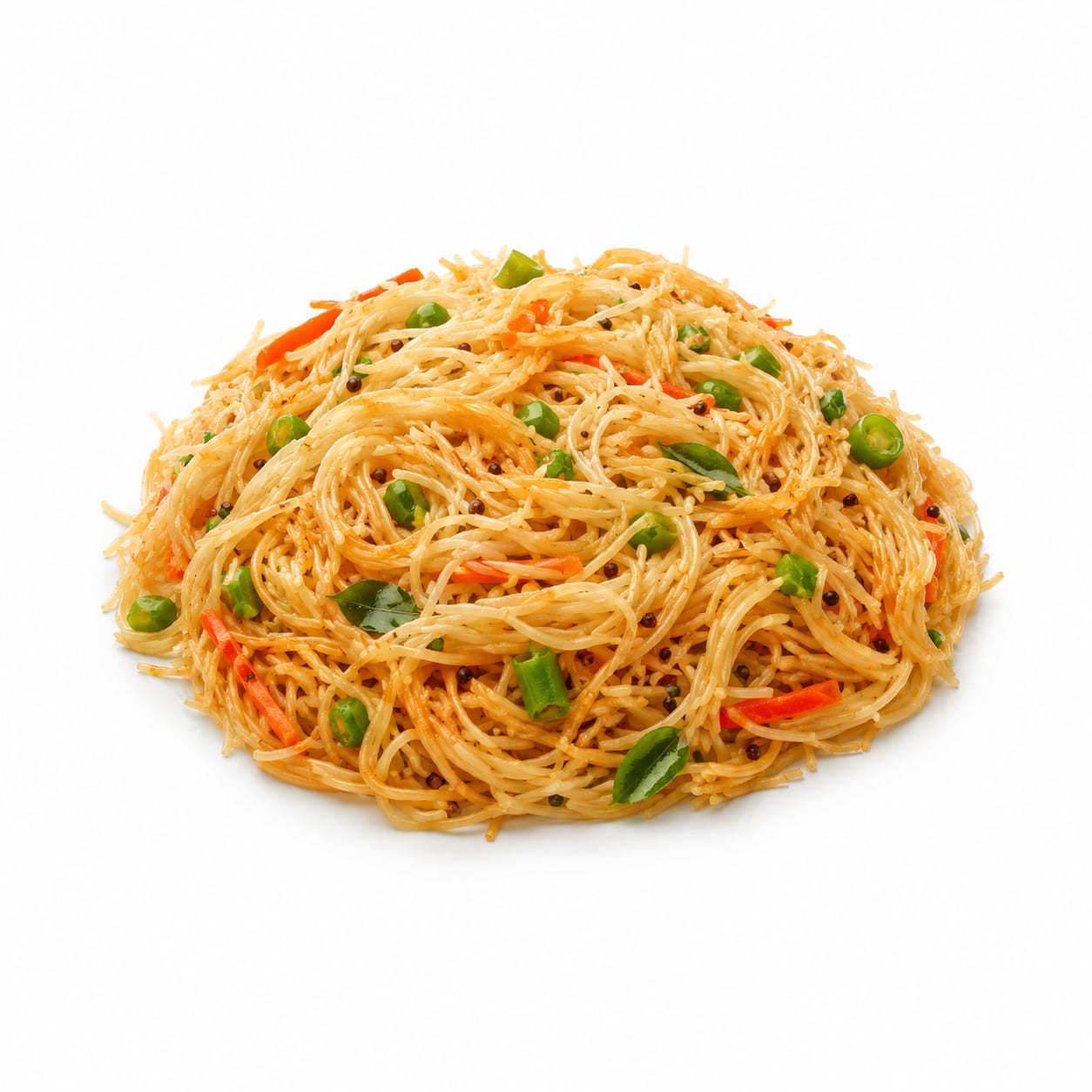
Vermicelli
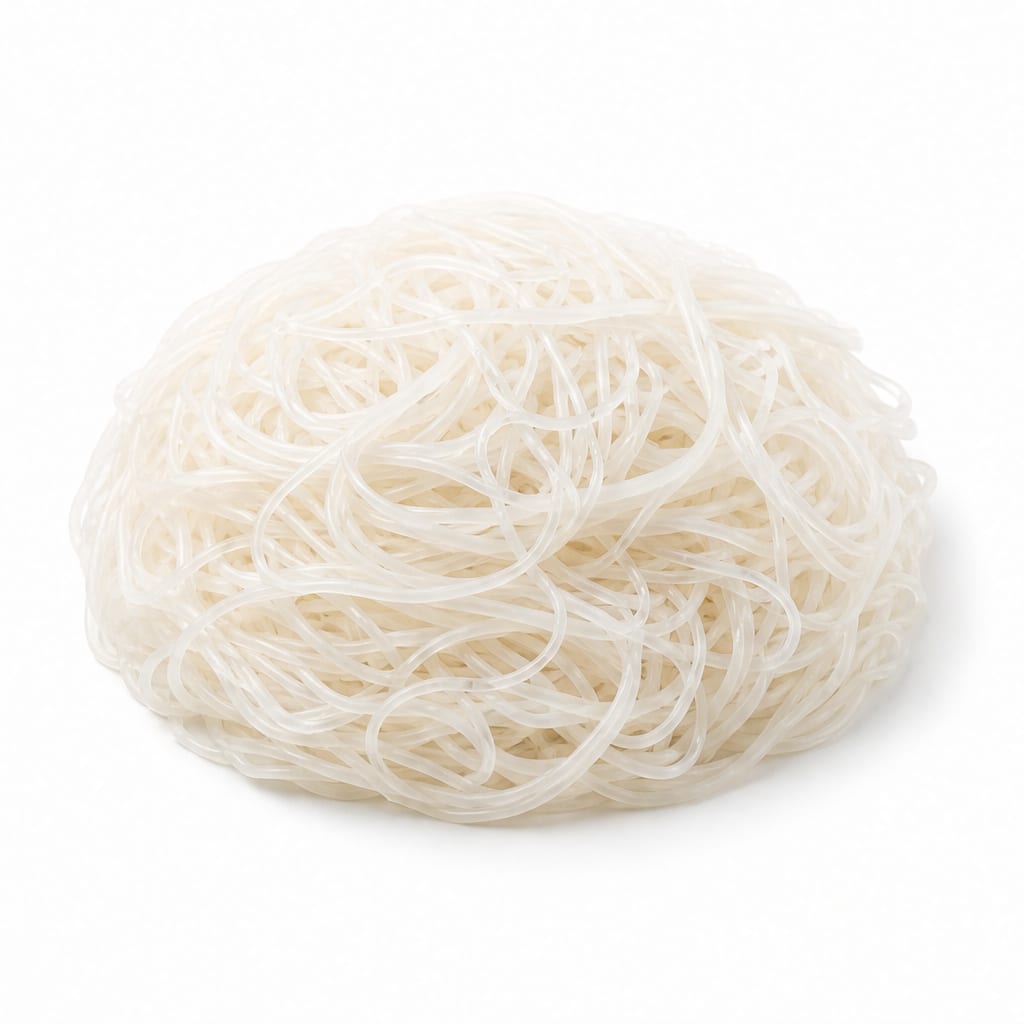
Rice vermicelli
Wheat vermicelli wins on nutrition and satiety, but rice vermicelli wins for gluten-free needs and lighter dishes. Your digestive tolerance decides this one.
Wheat vermicelli scores higher due to superior protein, fiber, and micronutrient content, plus better blood sugar stability. Rice vermicelli loses ground on nutrient density and glycemic impact but remains essential for gluten-free diets. The gap narrows significantly for anyone avoiding gluten.
More protein and steadier energy from wheat vermicelli versus the gluten-free, lighter digestion of rice vermicelli.
At a glance
Executive summary
Overall
It depends
Healthier
Vermicelli
More practical
Rice vermicelli
Daily use
Vermicelli
Key comparison lenses
gluten tolerance and digestive comfort
The single biggest difference: wheat vermicelli contains gluten, rice vermicelli is naturally gluten-free. This alone decides the choice for many people.
blood sugar management
Rice vermicelli tends to spike blood sugar faster, while wheat vermicelli digests more slowly due to higher protein and fiber.
nutrient density comparison
Wheat-based vermicelli typically offers more protein, iron, and B vitamins, while rice vermicelli is comparatively nutrient-light.
cuisine and recipe compatibility
Each noodle belongs to distinct culinary traditions — Italian/Mediterranean vs Southeast Asian — and substituting one for the other changes the dish character.
weight management and satiety
Higher protein and fiber in wheat vermicelli keeps you fuller longer, making it more useful for portion control.
Best choice for
Vermicelli
- People without gluten sensitivity wanting more protein and longer-lasting energy
- Anyone managing blood sugar who tolerates wheat
- Those seeking higher iron and B vitamin intake from grains
Rice vermicelli
- Anyone with celiac disease or gluten intolerance
- People wanting a lighter, easier-to-digest noodle for hot weather or gentle meals
- Those cooking Southeast Asian dishes where the delicate texture matters
Least suitable for
Vermicelli
- People with celiac disease or non-celiac gluten sensitivity
- Anyone with wheat allergy
- Those seeking the lightest possible meal on a hot day
Rice vermicelli
- People prioritizing protein intake from carb sources
- Those managing diabetes who need slower-digesting carbs
- Anyone looking for iron-rich grain options
Deep comparison
Dimension by dimension
Each lens scores both foods and breaks down who each option suits.
- Dimension 1 · Priority 92Vermicelli
Blood Sugar Stability
Vermicelli · 68Rice vermicelli · 48Wheat vermicelli digests more slowly thanks to higher protein and fiber, giving steadier energy. Rice vermicelli can cause quicker blood sugar spikes.
Tradeoff
Rice vermicelli's refined starch absorbs fast — great for quick post-workout refueling, but risky for sustained energy or diabetes management.
Why it matters
If you've ever felt hungry again an hour after a rice noodle bowl, this is why. The faster digestion leaves you reaching for snacks sooner.
Real-world impact
A wheat vermicelli lunch keeps you satisfied until dinner. A rice vermicelli lunch may have you craving a 3pm snack.
Vermicelli
- Steady afternoon energy without crashes
- Diabetes-friendly carb choice
- Longer gaps between meals without hunger
Better for
- Not suitable right after intense workouts when fast carbs help
Worse for
Rice vermicelli
- Quick energy after intense exercise
- Easy digestion when appetite is low
Better for
- Mid-afternoon energy crashes
- Harder to manage portions due to low satiety
Worse for
- Dimension 2 · Priority 85Vermicelli
Protein and Nutrient Density
Vermicelli · 72Rice vermicelli · 42Wheat vermicelli delivers roughly double the protein of rice vermicelli, plus more iron, magnesium, and B vitamins — especially if enriched.
Tradeoff
Rice vermicelli is noticeably lower in nutrients, so you need to rely more on sauces, proteins, and vegetables to make the meal nutritionally complete.
Why it matters
When noodles are a meal staple, their built-in nutrition matters. Wheat vermicelli contributes meaningfully; rice vermicelli is mostly empty carbs.
Real-world impact
A bowl of wheat vermicelli with vegetables gives you a decent protein head start. Rice vermicelli needs added tofu, egg, or meat to catch up.
Vermicelli
- Higher baseline protein from the noodle itself
- More iron for energy and blood health
- B vitamins support metabolism and focus
Better for
- May contain added fortification some people prefer to avoid
Worse for
Rice vermicelli
- Simpler ingredient list — just rice and water
Better for
- Nutrient-light base requiring more supplementation from other ingredients
- Lower protein means less satiety per calorie
Worse for
- Dimension 3 · Priority 95Rice vermicelli
Digestive Tolerance and Gluten
Vermicelli · 40Rice vermicelli · 90Rice vermicelli is naturally gluten-free and gentle on sensitive stomachs. Wheat vermicelli contains gluten, which triggers issues for a significant minority.
Tradeoff
If you tolerate gluten well, wheat vermicelli's extra nutrition is a clear win. If you don't, rice vermicelli isn't just better — it's the only safe option.
Why it matters
For the roughly 6-7% of people with gluten sensitivity or celiac disease, this isn't a preference — it's a health requirement.
Real-world impact
Eating wheat vermicelli with undiagnosed gluten sensitivity means bloating, brain fog, or worse. Rice vermicelli lets you enjoy noodles without worry.
Vermicelli
- No advantage for gluten-sensitive individuals
Better for
- Causes digestive distress in gluten-sensitive people
- Cannot be used in gluten-free cooking
Worse for
Rice vermicelli
- Safe for celiac disease and gluten intolerance
- Gentle on sensitive stomachs
- Suitable for gluten-free households and shared kitchens
Better for
- None from a digestive tolerance perspective
Worse for
- Dimension 4 · Priority 78Vermicelli
Satiety and Fullness
Vermicelli · 70Rice vermicelli · 50Wheat vermicelli keeps you fuller longer due to more protein and fiber. Rice vermicelli digests quickly, leaving you hungry sooner.
Tradeoff
Rice vermicelli's lightness feels pleasant in soups and summer rolls, but that same lightness means you eat more to feel satisfied.
Why it matters
For weight management, feeling full on fewer calories is everything. Wheat vermicelli helps naturally control portions.
Real-world impact
You might need a larger serving of rice vermicelli — or more add-ins — to match the fullness from a standard wheat vermicelli portion.
Vermicelli
- Smaller portions feel satisfying
- Less snacking between meals
- Better for calorie-conscious eating
Better for
- Can feel too heavy in hot weather or light dishes
Worse for
Rice vermicelli
- Light meals when you don't want to feel heavy
- Better for small appetites or recovery from illness
Better for
- Easy to overeat without realizing
- Hunger returns quickly after meals
Worse for
- Dimension 5 · Priority 70It depends
Cuisine Authenticity and Versatility
Vermicelli · 65Rice vermicelli · 65Each noodle shines in its own culinary tradition. Wheat vermicelli suits Mediterranean and Indian dishes; rice vermicelli is essential for Southeast Asian cooking.
Tradeoff
Substituting one for the other works in a pinch but changes the dish's soul. The chew and flavor absorption differ noticeably.
Why it matters
Using rice vermicelli in an Italian recipe or wheat vermicelli in pho doesn't just taste different — it feels wrong to anyone who knows the cuisine.
Real-world impact
If you love pad thai, Vietnamese pho, or Thai soups, rice vermicelli is your noodle. For pasta puttanesca or upma, wheat vermicelli is correct.
Vermicelli
- Italian and Mediterranean pasta dishes
- Indian vermicelli recipes like upma and kheer
- Dishes where a firmer bite is desired
Better for
- Feels heavy and wrong in delicate Asian broths
Worse for
Rice vermicelli
- Southeast Asian stir-fries and soups
- Vietnamese pho and bun bowls
- Thai and Filipino desserts and spring rolls
Better for
- Too soft and slippery for Italian-style sauces
Worse for
Timeline
Health impact over time
Short-term
Hours to days
Vermicelli
- More sustained energy after meals due to slower digestion
- Potential bloating or discomfort if gluten-sensitive
- Greater feeling of fullness with smaller portions
Rice vermicelli
- Quick energy that may fade within 1-2 hours
- Gentle on the stomach, even for sensitive digestions
- Light feeling that may leave you reaching for more food
Long-term
Months to years
Vermicelli
- Better blood sugar control with regular consumption as part of balanced meals
- Higher cumulative protein and iron intake supporting energy and muscle maintenance
- Risk of chronic inflammation if undiagnosed gluten sensitivity is present
Rice vermicelli
- Safe long-term option for those requiring gluten-free diets
- Lower nutrient contribution over time if not paired with protein-rich and vegetable-rich dishes
- Potential for higher refined carb intake if portions are not managed
Risk profile
Safety & processing
Both are relatively simple processed foods. Wheat vermicelli is typically made from durum wheat flour and water, sometimes with added fortification. Rice vermicelli uses rice flour and water. Neither usually contains concerning additives, though always check labels for brands that add preservatives or sodium.
Vermicelli
Gluten exposure for sensitive individuals
highFor people with celiac disease, even trace gluten causes intestinal damage. For non-celiac gluten sensitivity, symptoms range from bloating to brain fog.
Wheat contamination with pesticides
lowConventionally grown wheat may carry pesticide residues. Choosing organic reduces this concern.
Rice vermicelli
Arsenic contamination in rice-based products
mediumRice naturally accumulates arsenic from soil and water. Rice vermicelli made from rice flour carries this risk, especially if sourced from high-arsenic regions. Varying grain intake reduces exposure.
Cross-contamination with gluten in shared facilities
lowMany rice noodle brands are produced in facilities that also process wheat. Certified gluten-free labels matter for those with celiac disease.
Who wins for whom
Audience fit
Same foods, different winners depending on your goal.
children
Rice vermicelliRice vermicelli's softer texture and milder flavor appeal to kids, and it's gentler on developing digestive systems. Monitor arsenic exposure by varying grains.
daily consumption
VermicelliFor those who tolerate gluten, wheat vermicelli's superior nutrition profile makes it a better everyday staple. Rotate with rice vermicelli occasionally for variety and to limit arsenic exposure from rice.
diabetes
VermicelliSlower digestion and lower glycemic impact make wheat vermicelli the safer choice for blood sugar management, provided gluten is tolerated.
elderly
Rice vermicelliEasier to chew and digest, rice vermicelli suits aging digestive systems better. However, nutrient density from wheat vermicelli is missed — pair rice vermicelli with nutrient-rich additions.
muscle gain
VermicelliWheat vermicelli provides more protein per serving as a base, though both need added protein sources for muscle-building goals.
weight loss
VermicelliHigher protein and fiber in wheat vermicelli supports satiety, making it easier to eat less overall. Rice vermicelli's quick digestion can lead to overeating.
Your move
Decision guide
Choose Vermicelli
- You tolerate gluten and want more protein and nutrients from your noodles
- Blood sugar management is a priority for you
- You cook Mediterranean, Italian, or Indian dishes regularly
- Satiety and portion control matter for your eating habits
Choose Rice vermicelli
- You have celiac disease, gluten sensitivity, or a wheat allergy
- You cook Southeast Asian dishes where rice noodles are traditional
- You prefer lighter meals, especially in warm weather
- You have a sensitive stomach and need gentle, easy-to-digest carbs
Either works if
- You rotate between cuisines and want both in your pantry
- You pair noodles with plenty of protein and vegetables, making the base less critical
- You're cooking for a group with mixed dietary needs
Avoid both if
- You're strictly limiting refined carbohydrates for a low-carb or keto diet
- You're managing severe blood sugar issues and need to minimize all refined starches
- You have both gluten sensitivity and arsenic concerns, making both options problematic
Final recommendation
Keep both in your kitchen. Use wheat vermicelli when nutrition and satiety are priorities — it's the stronger everyday choice for most people. Use rice vermicelli for gluten-free needs, Asian recipes, and lighter meals. The real nutritional difference comes not from which noodle you pick, but from what you pair it with: load either one with vegetables, lean protein, and healthy fats, and the gap between them shrinks dramatically.
Practical
Consumer tips
- 1
Check rice vermicelli labels for certified gluten-free status if you have celiac disease — cross-contamination in factories is common
- 2
Soak rice vermicelli in warm water rather than boiling to avoid mushy texture and preserve some resistant starch
- 3
Pair rice vermicelli with protein-rich toppings like tofu, shrimp, or eggs to compensate for its lower protein content
- 4
Choose whole wheat vermicelli when available for even more fiber and slower digestion
- 5
Vary your grain intake throughout the week to limit arsenic exposure from rice products and wheat over-reliance
- 6
Rinse rice vermicelli after cooking to remove surface starch that can spike blood sugar faster