
Nutrition comparison
Vermicelli vs Ramen Noodles: Which Is Healthier?
Vermicelli has far less sodium, fewer calories, and minimal additives compared to ramen noodles. See the full nutritional comparison and learn which noodle fits your health goals.
Overall winner · Vermicelli
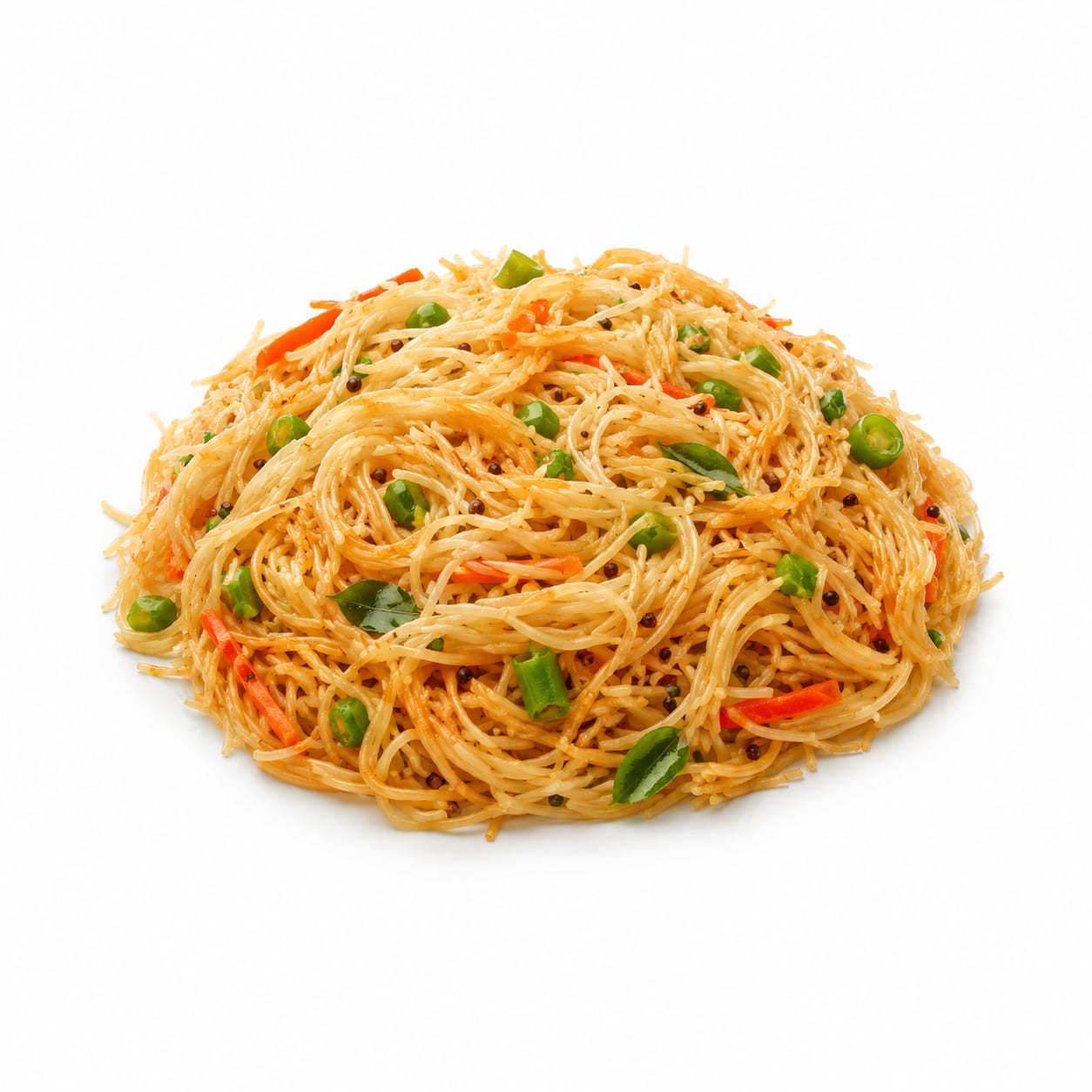
Vermicelli
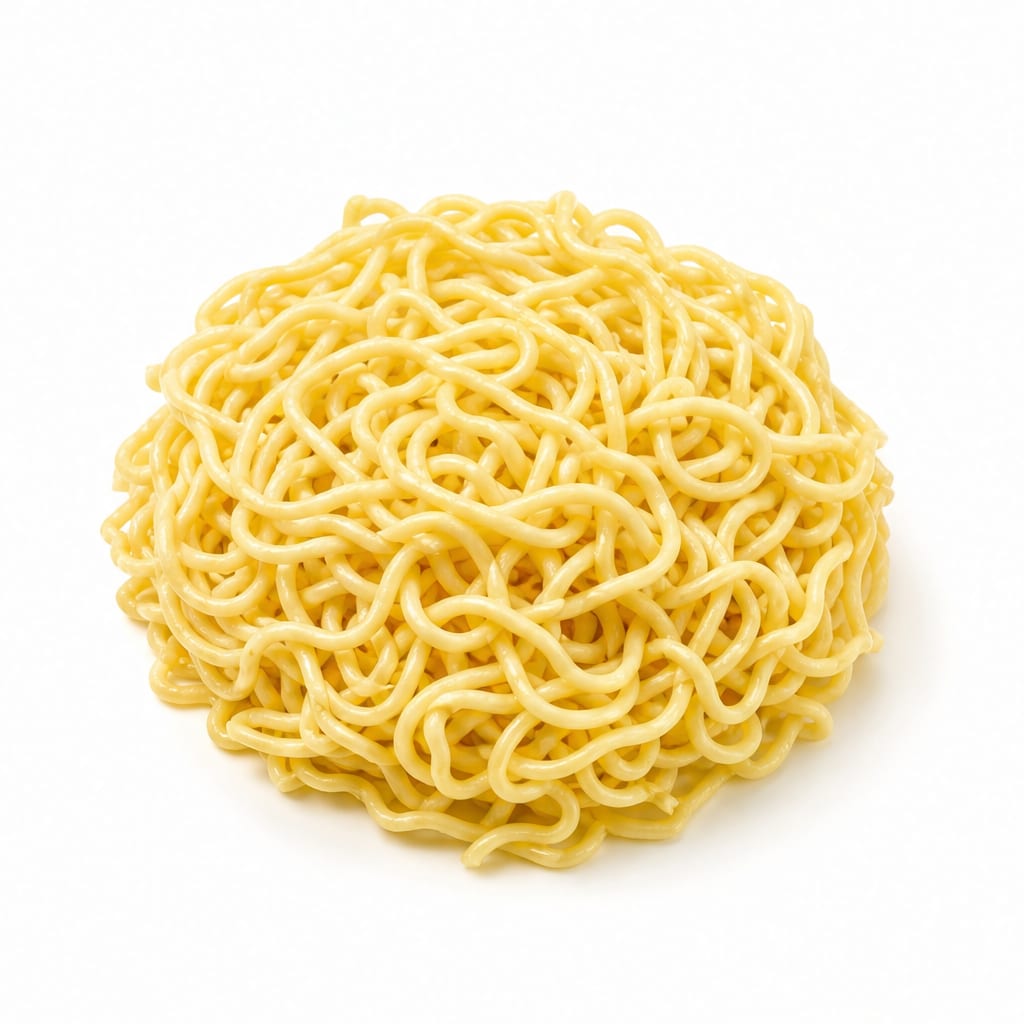
Ramen noodles
Vermicelli is the clearly healthier choice — lower in sodium, less processed, and lower in calories. Ramen wins only on convenience and bold flavor.
Vermicelli scores significantly higher due to lower processing, fewer additives, less sodium, and lower calorie density. Ramen's convenience and flavor cannot offset its substantial health drawbacks for regular consumption.
You trade quick prep and intense seasoning for significantly more sodium, more calories, and a longer list of additives when choosing ramen over vermicelli.
At a glance
Executive summary
Overall
Vermicelli
Healthier
Vermicelli
More practical
Ramen noodles
Daily use
Vermicelli
Key comparison lenses
sodium and blood pressure impact
Ramen noodles are notoriously sodium-dense due to seasoning packets, making this the single most important health differentiator
processing level and additives
Ramen is ultra-processed with preservatives and flavor enhancers, while vermicelli is typically a simple wheat or rice noodle with minimal additives
convenience vs health tradeoff
Ramen wins on speed and convenience but sacrifices nutritional quality; vermicelli requires more effort but offers a cleaner base
weight management and calorie density
Ramen noodles are deep-fried before packaging, making them significantly more calorie-dense than vermicelli
blood sugar stability
Both are refined carbohydrate sources, but ramen's combination of refined flour, fat, and sodium creates a worse metabolic profile
Best choice for
Vermicelli
- People watching their blood pressure
- Anyone reducing ultra-processed food intake
- Weight-conscious eaters wanting a lighter noodle base
- Home cooks who add their own seasonings and vegetables
- People with sodium-sensitive conditions
Ramen noodles
- College students needing ultra-cheap meals in minutes
- Backpackers and campers wanting lightweight shelf-stable food
- People recovering from illness who need easy warm calories
- Anyone craving a specific nostalgic comfort food occasionally
Least suitable for
Vermicelli
- People who need a meal ready in under 5 minutes with zero effort
- Anyone wanting bold flavor without adding their own ingredients
Ramen noodles
- People with hypertension or heart conditions
- Anyone actively reducing sodium intake
- Clean-eating or whole-food advocates
- People trying to lose weight consistently
Deep comparison
Dimension by dimension
Each lens scores both foods and breaks down who each option suits.
- Dimension 1 · Priority 95Vermicelli
sodium_load
Vermicelli · 85Ramen noodles · 10Vermicelli contains almost no sodium on its own, while a single ramen packet can deliver 1,500–2,000mg — nearly your entire daily limit.
Tradeoff
Ramen's seasoning packet is what makes it taste irresistible, but it's also what makes it a blood pressure risk.
Why it matters
High sodium intake is the leading dietary risk factor for hypertension and cardiovascular disease worldwide.
Real-world impact
One bowl of ramen can leave you bloated and thirsty for hours, while vermicelli with homemade broth feels lighter and more comfortable.
Vermicelli
- Blood pressure management
- Kidney health
- Reducing water retention
Better for
- Very low-sodium diets where some salt is actually needed
Worse for
Ramen noodles
- Replenishing sodium after intense sweating
- Situations where palatability matters more than health
Better for
- Daily consumption habits
- Anyone with heart or kidney concerns
Worse for
- Dimension 2 · Priority 90Vermicelli
processing_and_additives
Vermicelli · 80Ramen noodles · 20Vermicelli is typically just wheat flour and water (or rice flour and water). Ramen contains preservatives, flavor enhancers, dehydrated fats, and anti-caking agents.
Tradeoff
Ramen's long shelf life and instant flavor come from industrial processing that vermicelli simply doesn't need.
Why it matters
Ultra-processed food consumption is consistently linked to higher risks of obesity, metabolic syndrome, and all-cause mortality.
Real-world impact
Vermicelli digests like a normal food. Ramen can leave you feeling sluggish an hour later, partly due to the additive load and fried oil content.
Vermicelli
- Clean-eating goals
- Reducing exposure to preservatives
- Simpler digestion
Better for
- People who find plain noodles boring without added effort
Worse for
Ramen noodles
- Emergency food storage
- Situations requiring months of shelf stability
Better for
- Anyone avoiding MSG, TBHQ, or artificial flavors
Worse for
- Dimension 3 · Priority 80Vermicelli
calorie_density_and_weight_management
Vermicelli · 72Ramen noodles · 35Ramen noodles are deep-fried during manufacturing, nearly doubling their calorie content per serving compared to vermicelli.
Tradeoff
That satisfying richness in ramen comes from absorbed frying oil — invisible calories that add up fast.
Why it matters
Calorie density is the strongest predictor of unintentional overconsumption. Higher-fat noodles feel light but carry heavy energy loads.
Real-world impact
A vermicelli bowl with vegetables and lean protein fills you up for roughly 350 calories. A ramen packet alone hits 400–500 calories with almost no nutrition.
Vermicelli
- Sustained weight loss efforts
- Controlling daily calorie intake
- Building balanced meals around a noodle base
Better for
- Situations where maximum calorie intake per dollar matters
Worse for
Ramen noodles
- Underweight individuals needing easy calories
- High-calorie bulking on a tight budget
Better for
- Anyone tracking calories or trying to feel full on less
Worse for
- Dimension 4 · Priority 85Ramen noodles
convenience_and_speed
Vermicelli · 40Ramen noodles · 92Ramen is ready in 3 minutes with boiling water. Vermicelli requires 5–8 minutes of cooking plus preparing your own seasonings and toppings.
Tradeoff
Ramen trades nutritional quality for the fastest possible meal. Vermicelli asks for a few more minutes but gives you control over what goes in.
Why it matters
Convenience is the real reason people reach for ramen — not nutrition. Acknowledging this helps plan realistic alternatives.
Real-world impact
At 11 PM after a long day, ramen feels like the only option. Pre-cooking vermicelli on weekends eliminates this advantage entirely.
Vermicelli
- Meal prep enthusiasts
- Anyone willing to invest 10 minutes for a healthier bowl
Better for
- Zero-prep emergency meals
Worse for
Ramen noodles
- Dorm living with limited cooking equipment
- Late-night exhaustion meals
- Travel and hotel cooking
Better for
- Anyone who wants to feel good about their food choices afterward
Worse for
- Dimension 5 · Priority 75Vermicelli
blood_sugar_stability
Vermicelli · 55Ramen noodles · 30Both are refined carbs that spike blood sugar, but ramen's added fat slows gastric emptying while the refined flour still causes a rapid glucose rise followed by a crash.
Tradeoff
Neither noodle is ideal for blood sugar control, but vermicelli's simpler profile makes it easier to pair with fiber and protein to blunt the spike.
Why it matters
Post-meal energy crashes affect productivity, mood, and cravings for hours after eating.
Real-world impact
Ramen often leaves you hungry again within 90 minutes. Vermicelli with vegetables and protein keeps energy steadier for 2–3 hours.
Vermicelli
- Pairing with fiber-rich vegetables and protein
- More predictable blood sugar response
Better for
- Eaten alone without protein or fiber, it spikes blood sugar fast
Worse for
Ramen noodles
- Situations where the fat content slows digestion enough to feel full longer
Better for
- The combination of refined carbs, sodium, and fried fat creates a worse metabolic pattern
Worse for
- Dimension 6 · Priority 70Vermicelli
versatility_and_culinary_control
Vermicelli · 88Ramen noodles · 35Vermicelli is a blank canvas — it works in soups, stir-fries, salads, and spring rolls across many cuisines. Ramen is locked into one flavor profile.
Tradeoff
Vermicelli demands more creativity but rewards you with endless variety. Ramen is a one-trick meal that gets old fast.
Why it matters
Dietary variety is linked to better nutrient intake and more sustainable eating patterns long-term.
Real-world impact
You can eat vermicelli five different ways in a week and not get bored. Five days of ramen feels like a punishment.
Vermicelli
- Home cooks who enjoy experimenting
- Meal prep with different flavor themes
- Adapting to seasonal vegetables
Better for
- People who find cooking decisions overwhelming
Worse for
Ramen noodles
- Consistent predictable flavor when you don't want to think
Better for
- Anyone who gets tired of eating the same thing repeatedly
Worse for
Timeline
Health impact over time
Short-term
Hours to days
Vermicelli
- Mild blood sugar rise if eaten without protein or fiber
- Light comfortable feeling in the stomach
- No excessive thirst or bloating
Ramen noodles
- Rapid sodium intake causing thirst and bloating within an hour
- Energy spike followed by a crash within 90 minutes
- Possible MSG sensitivity symptoms like headache or flushing in susceptible individuals
Long-term
Months to years
Vermicelli
- Neutral to mild impact when paired with balanced ingredients
- Low risk of sodium-related health issues
- Sustainable as a regular meal base
Ramen noodles
- Regular consumption strongly linked to metabolic syndrome in large-scale studies
- Chronic high sodium intake increases hypertension and stroke risk
- Frequent ultra-processed noodle consumption associated with higher BMI and waist circumference
Risk profile
Safety & processing
Vermicelli is typically made from just wheat flour and water or rice flour and water — a simple, traditional food. Ramen noodles are industrially fried, preserved with TBHQ, flavored with MSG and hydrolyzed proteins, and packaged with dehydrated oil and anti-caking agents. The processing gap between these two is enormous.
Vermicelli
Contamination during drying and packaging
lowLike any dried grain product, vermicelli can occasionally have quality control issues, but the simple processing leaves fewer opportunities for contamination.
Ramen noodles
TBHQ preservative exposure
mediumTBHQ is used to preserve the fried oil in ramen. While generally recognized as safe in small amounts, high doses are linked to nausea and concerns about long-term effects.
Acrylamide from high-temperature frying
mediumThe industrial frying of ramen noodles creates acrylamide, a probable carcinogen formed when starches are heated to high temperatures.
MSG sensitivity reactions
lowA subset of people experience headaches, flushing, or sweating from MSG. Not dangerous for most, but uncomfortable for those sensitive.
Migraine trigger potential
lowThe combination of MSG, sodium, and artificial flavors can trigger migraines in susceptible individuals.
Who wins for whom
Audience fit
Same foods, different winners depending on your goal.
children
VermicelliKids are particularly sensitive to sodium and additives. Vermicelli with a mild homemade broth is far gentler on developing bodies than ramen's industrial seasoning packet.
daily consumption
VermicelliVermicelli can be eaten daily without major health concerns when paired with vegetables and protein. Daily ramen consumption is strongly associated with metabolic and cardiovascular problems.
diabetes
VermicelliBoth spike blood sugar, but vermicelli's simpler profile makes it easier to pair with fiber and protein to moderate the glycemic response. Ramen's sodium also worsens cardiovascular risk that diabetics already face.
elderly
VermicelliOlder adults face higher blood pressure risks and are more sensitive to sodium. Vermicelli's low sodium and easier digestibility make it the safer everyday choice.
muscle gain
It dependsNeither is a protein source. Vermicelli is better as a clean carb base to pair with protein, while ramen's extra calories could help hard gainers in a bulk — but the sodium and fat make it a poor choice.
weight loss
VermicelliVermicelli has roughly half the calories per serving compared to fried ramen noodles, making portion control and calorie tracking much easier.
Your move
Decision guide
Choose Vermicelli
- You want a clean, low-sodium noodle base for homemade meals
- Blood pressure or heart health is a concern
- You are trying to reduce ultra-processed food in your diet
- You enjoy cooking and want culinary versatility
- You want to control exactly what goes into your bowl
Choose Ramen noodles
- You need a meal in under 5 minutes with zero prep
- You are on an extremely tight budget and need maximum calories per dollar
- You are camping, traveling, or in a dorm with limited cooking access
- You crave it occasionally as a comfort food — not a daily habit
Either works if
- You are adding lots of vegetables and protein to make a balanced bowl
- You only eat noodles once or twice a month
- You are not sodium-sensitive and have no metabolic conditions
Avoid both if
- You have celiac disease or gluten intolerance and the vermicelli is wheat-based
- You are on a strict low-carb or ketogenic diet
- You need high-protein meals and have no protein source to add
Final recommendation
Choose vermicelli as your everyday noodle and treat ramen as an occasional convenience food. If you love ramen's flavor, try making it at home with vermicelli, low-sodium broth, and your own seasonings — you get 80% of the taste with a fraction of the sodium and none of the preservatives.
Practical
Consumer tips
- 1
Boil vermicelli in seasoned broth instead of water to infuse flavor without the sodium bomb of ramen packets
- 2
If eating ramen, use only half the seasoning packet and add fresh vegetables and a boiled egg to improve the nutritional profile
- 3
Pre-cook a batch of vermicelli on Sunday and store it in the fridge — it reheats in 60 seconds, eliminating ramen's convenience advantage
- 4
Look for rice vermicelli if you need a gluten-free option — it cooks even faster than wheat vermicelli
- 5
Add a splash of sesame oil, soy sauce, and chili flakes to vermicelli for ramen-like flavor with controllable sodium
- 6
Avoid ramen brands with TBHQ in the ingredient list if you eat them regularly
- 7
Freeze leftover cooked vermicelli in portion bags for even faster weeknight meals