
Nutrition comparison
Vermicelli vs Quinoa Pasta: Which Is Healthier and Better for You?
Compare vermicelli and quinoa pasta on protein, fiber, blood sugar impact, gluten, and price. Find out which pasta fits your health goals and budget best.
Overall winner · Quinoa pasta
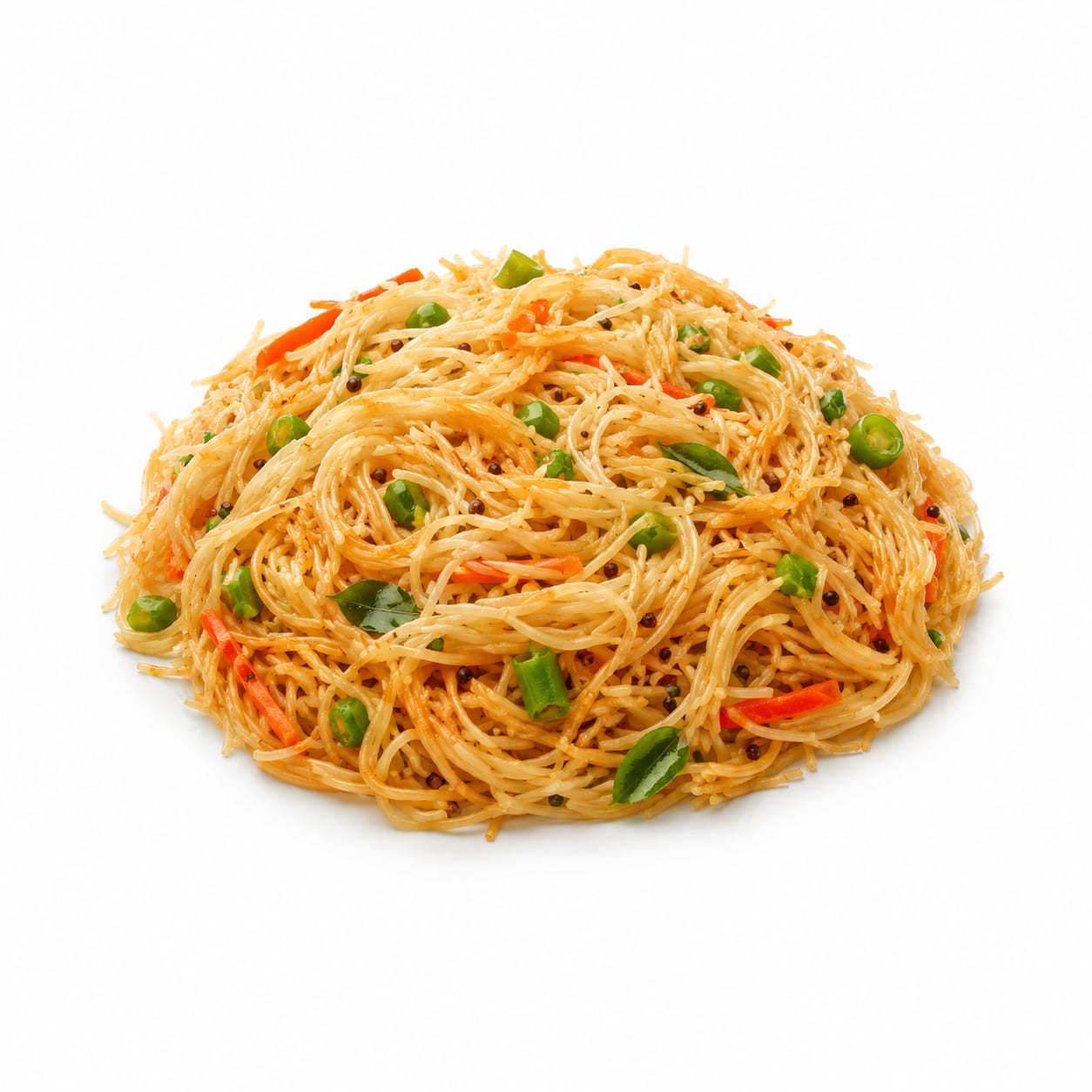
Vermicelli
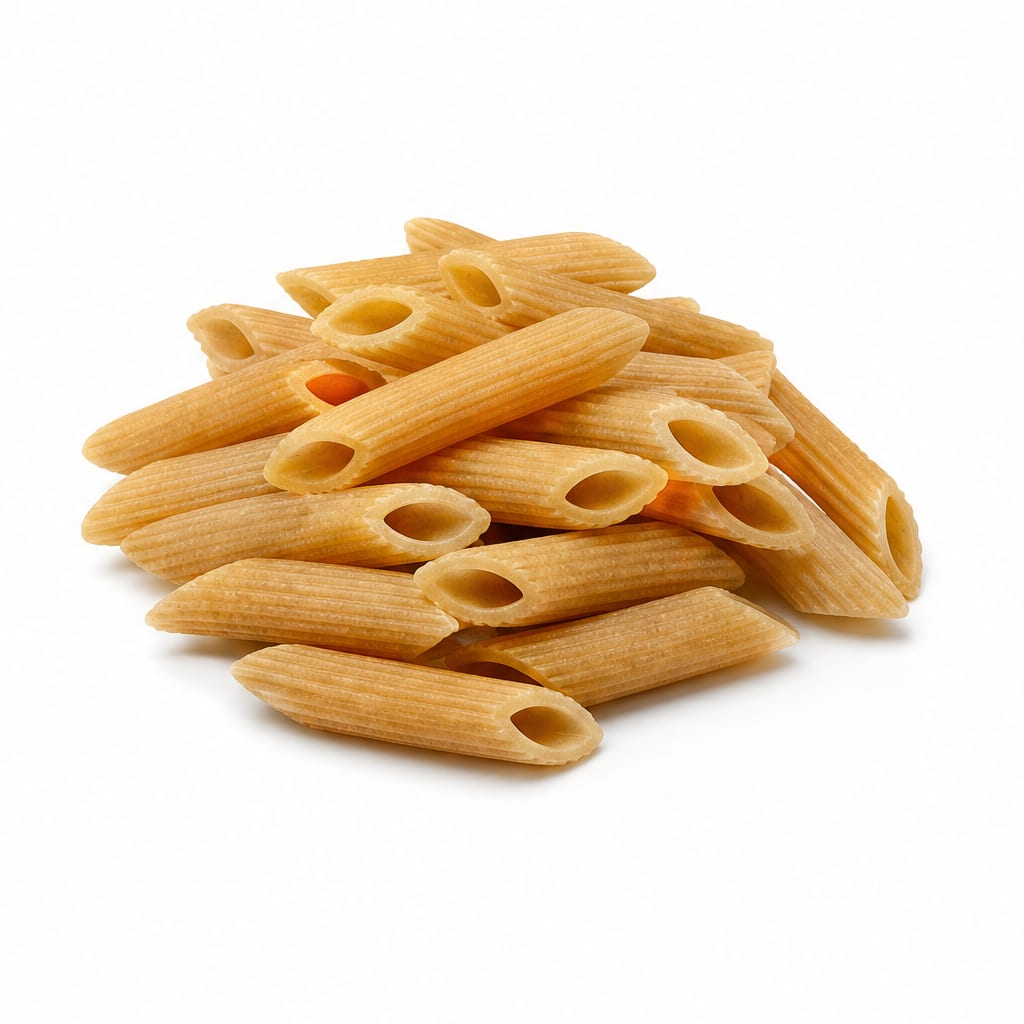
Quinoa pasta
Quinoa pasta wins on nutrition and blood sugar stability, but vermicelli dominates on price, cooking speed, and familiar comfort.
Quinoa pasta scores substantially higher due to its complete protein, higher fiber, and lower glycemic impact. Vermicelli remains relevant for cost, speed, and culinary tradition but falls behind on most health metrics.
You trade affordability and classic texture for better protein, fiber, and steadier energy with quinoa pasta.
At a glance
Executive summary
Overall
Quinoa pasta
Healthier
Quinoa pasta
More practical
Vermicelli
Daily use
Quinoa pasta
Key comparison lenses
blood sugar management
Both are carb-heavy staples, so glycemic impact is the top concern for most users deciding between them
gluten-free dietary needs
Quinoa pasta is naturally gluten-free while wheat vermicelli contains gluten — a dealbreaker for celiac or sensitive users
protein and nutrient density
Quinoa pasta offers significantly more protein and minerals per serving, making it the nutrient-dense choice
meal satisfaction and fullness
Users want to know which option keeps them fuller longer without overeating
budget and everyday practicality
Vermicelli is far cheaper and more available, which matters for daily meal planning
Best choice for
Vermicelli
- Budget-conscious households needing cheap bulk calories
- Quick weeknight meals when time matters more than nutrition
- Traditional Asian and Italian recipes where texture is essential
- Recovery meals when you need fast-digesting carbs post-workout
Quinoa pasta
- Anyone managing blood sugar or insulin resistance
- Gluten-free or celiac diners who still want a pasta experience
- People seeking higher protein without adding meat or supplements
- Those wanting more nutrients per calorie from their carb staples
Least suitable for
Vermicelli
- People with celiac disease or gluten sensitivity
- Anyone monitoring blood sugar closely
- Those seeking nutrient-dense carb sources
- High-protein dieters trying to minimize refined grains
Quinoa pasta
- Tight grocery budgets where cost per meal is critical
- Traditional recipes demanding specific vermicelli texture
- Quick-cook needs — quinoa pasta takes longer to prepare
- Picky eaters sensitive to earthier or grainier flavors
Deep comparison
Dimension by dimension
Each lens scores both foods and breaks down who each option suits.
- Dimension 1 · Priority 95Quinoa pasta
blood sugar stability
Vermicelli · 35Quinoa pasta · 72Quinoa pasta digests more slowly and causes a gentler blood sugar rise, while vermicelli spikes glucose faster.
Tradeoff
Vermicelli gives quick energy but risks the crash; quinoa pasta provides steadier fuel over hours.
Why it matters
Blood sugar spikes drive hunger returns, fatigue, and long-term metabolic strain — especially at lunch or dinner.
Real-world impact
After a vermicelli bowl, you may feel hungry again within 90 minutes. Quinoa pasta meals tend to hold you 2-3 hours.
Vermicelli
- Post-workout recovery when fast carbs are actually helpful
- Endurance athletes mid-event needing quick glucose
Better for
- Sedentary evenings when extra glucose just gets stored as fat
- Breakfast before a sitting-heavy workday
Worse for
Quinoa pasta
- Office workers avoiding the afternoon energy crash
- Pre-diabetic or insulin-resistant individuals
- Anyone wanting one meal to actually last until the next
Better for
- Immediately after intense exercise when rapid replenishment matters
Worse for
- Dimension 2 · Priority 90Quinoa pasta
protein and nutrient density
Vermicelli · 25Quinoa pasta · 82Quinoa pasta delivers roughly 2-3x more protein and significantly more iron, magnesium, and B vitamins per serving.
Tradeoff
You pay more per gram of protein with quinoa pasta, but you get it alongside a complete amino acid profile vermicelli cannot match.
Why it matters
Most people under-eat protein at carb-heavy meals, leading to poor satiety and muscle maintenance over time.
Real-world impact
A quinoa pasta dinner may eliminate the need for an extra protein side, while vermicelli practically requires one to feel balanced.
Vermicelli
- Meals where protein comes from other dishes and pasta is just the base
Better for
- Vegan meals lacking other protein sources
- Anyone trying to hit protein targets without supplements
Worse for
Quinoa pasta
- Plant-based eaters relying on grains for a meaningful protein contribution
- One-dish meals where the pasta needs to carry more nutritional weight
- Pregnant women needing extra iron and folate from food sources
Better for
- Meals already heavy in protein where extra amino acids add little benefit
Worse for
- Dimension 3 · Priority 85Quinoa pasta
fiber and digestive health
Vermicelli · 22Quinoa pasta · 75Quinoa pasta typically contains 3-4x more fiber than refined wheat vermicelli, supporting digestion and gut health.
Tradeoff
Higher fiber means more fullness but also a heavier feel — some people prefer the lightness of vermicelli for certain dishes.
Why it matters
Low-fiber carb meals digest too fast, feed gut inflammation, and fail to support healthy bowel habits.
Real-world impact
Regular quinoa pasta eaters notice more regular digestion. Vermicelli-heavy diets may require extra vegetables or legumes to compensate.
Vermicelli
- Light soups where a delicate noodle texture matters more than fiber
- Upset stomach days when low-fiber foods are easier to tolerate
Better for
- Chronic constipation patterns when low-fiber staples dominate the plate
Worse for
Quinoa pasta
- Daily lunch meals where gut health and fullness both matter
- Anyone struggling to reach 25g+ fiber per day
Better for
- IBS flare-ups where extra fiber can worsen bloating
Worse for
- Dimension 4 · Priority 88Quinoa pasta
gluten and allergen profile
Vermicelli · 20Quinoa pasta · 90Quinoa pasta is naturally gluten-free, while wheat vermicelli contains significant gluten.
Tradeoff
If you have no gluten sensitivity, this dimension barely matters. If you do, it changes everything.
Why it matters
Even mild gluten sensitivity causes bloating, brain fog, and fatigue that people often blame on other foods.
Real-world impact
Celiac and gluten-sensitive diners can enjoy quinoa pasta freely. Vermicelli is completely off-limits for them.
Vermicelli
- No realistic advantage for gluten-sensitive individuals
Better for
- Any gluten-related health condition
Worse for
Quinoa pasta
- Celiac disease or non-celiac gluten sensitivity
- Households cooking for mixed dietary needs where one pasta works for everyone
- Reducing overall gluten load even without diagnosed sensitivity
Better for
- Quinoa allergy — rare but possible, causing similar digestive distress
Worse for
- Dimension 5 · Priority 78Vermicelli
cost and accessibility
Vermicelli · 90Quinoa pasta · 40Vermicelli is one of the cheapest staples available globally. Quinoa pasta costs 3-5x more per serving.
Tradeoff
You save money with vermicelli but spend your nutritional budget elsewhere. Quinoa pasta costs more upfront but may reduce spending on supplements and extra protein foods.
Why it matters
For families feeding multiple people daily, the price gap compounds fast over a month.
Real-world impact
A family of four eating pasta twice weekly could save $30-50/month choosing vermicelli over quinoa pasta.
Vermicelli
- Large families on tight grocery budgets
- College students needing cheap bulk calories
- Food banks and community meal programs
Better for
- Long-term health costs from lower nutrient intake
Worse for
Quinoa pasta
- Single professionals where a $3 price difference per week feels negligible
- Health-focused budgets where nutrient density per dollar matters more than absolute cost
Better for
- Fixed-income households where every dollar counts
Worse for
- Dimension 6 · Priority 72It depends
taste and culinary versatility
Vermicelli · 80Quinoa pasta · 65Vermicelli has a neutral, familiar taste and delicate texture that works in countless dishes. Quinoa pasta has an earthier flavor and slightly grainier bite.
Tradeoff
Vermicelli disappears into any sauce or broth beautifully. Quinoa pasta announces itself — which is great if you like it, limiting if you don't.
Why it matters
The healthiest food means nothing if you don't enjoy eating it. Taste drives long-term adherence.
Real-world impact
Kids and picky eaters often accept vermicelli without complaint. Quinoa pasta may require sauce adjustments and acclimation.
Vermicelli
- Asian noodle soups, stir-fries, and spring rolls where delicacy is key
- Feeding children who resist new textures
- Light summer dishes where a heavy noodle feels wrong
Better for
- Dishes where you want the carb itself to contribute flavor, not just act as a vehicle
Worse for
Quinoa pasta
- Hearty pasta bakes where a nutty flavor enhances the dish
- Grain bowls and salads where earthiness complements vegetables
- Anyone who enjoys the taste of quinoa and wants it in pasta form
Better for
- Traditional recipes where the quinoa taste clashes with expected flavors
Worse for
Timeline
Health impact over time
Short-term
Hours to days
Vermicelli
- Quick energy within 20-30 minutes of eating
- Possible hunger return within 1-2 hours due to rapid digestion
- Bloating in gluten-sensitive individuals within hours
Quinoa pasta
- Gradual energy release over 2-3 hours without sharp peaks
- More immediate fullness from higher protein and fiber
- Mild adjustment period for those unaccustomed to higher fiber intake
Long-term
Months to years
Vermicelli
- Repeated blood sugar spikes may contribute to insulin resistance over years
- Low nutrient density means relying on other foods to fill gaps
- Chronic gluten exposure risks for undiagnosed sensitive individuals
Quinoa pasta
- Better blood sugar patterns may reduce diabetes risk long-term
- Higher mineral intake supports bone density and metabolic function
- Greater fiber intake lowers colorectal cancer risk and supports gut microbiome diversity
Risk profile
Safety & processing
Both are processed from whole grains or refined flour into pasta form. Vermicelli made from refined wheat is more processed nutritionally, while quinoa pasta retains more of the original grain's nutrients. Neither typically contains concerning additives, though some quinoa pasta brands blend with corn flour — check labels if purity matters to you.
Vermicelli
Gluten exposure for sensitive individuals
highWheat vermicelli contains gluten that triggers autoimmune responses in celiac patients and symptoms in gluten-sensitive people.
Glyphosate residue
mediumConventionally grown wheat is often treated with glyphosate as a pre-harvest desiccant, leaving trace residues.
Quinoa pasta
Saponin content
lowQuinoa naturally contains saponins that can cause mild stomach irritation. Most commercial quinoa pasta uses pre-washed flour, but sensitive individuals may still notice effects.
Cross-contamination with gluten
mediumSome quinoa pasta is processed in facilities that also handle wheat. Celiac patients should verify certified gluten-free labeling.
Quinoa allergy
lowRare but documented — can cause itching, swelling, or digestive distress in susceptible individuals.
Who wins for whom
Audience fit
Same foods, different winners depending on your goal.
children
VermicelliKids generally prefer the mild taste and soft texture of vermicelli. Quinoa pasta's earthier flavor can trigger rejection, making mealtime harder than it needs to be.
daily consumption
Quinoa pastaQuinoa pasta's superior nutrient profile makes it more sustainable as a daily staple without creating nutritional gaps over time.
diabetes
Quinoa pastaLower glycemic impact and higher fiber make quinoa pasta significantly safer for blood sugar management. Vermicelli's rapid glucose release is risky for diabetic meal plans.
elderly
Quinoa pastaOlder adults benefit more from the extra protein, fiber, and minerals in quinoa pasta, supporting muscle maintenance and digestive regularity.
muscle gain
Quinoa pastaQuinoa pasta provides more complete protein per serving, supporting muscle repair alongside training. Vermicelli requires adding protein from other sources.
weight loss
Quinoa pastaHigher protein and fiber in quinoa pasta create stronger fullness signals, making it easier to eat smaller portions without feeling deprived.
Your move
Decision guide
Choose Vermicelli
- You need affordable bulk calories and your budget is the primary constraint
- You cook traditional Asian or Italian dishes where vermicelli's texture is essential
- You eat pasta as a small side alongside protein-rich mains anyway
- You need fast-digesting carbs after intense training sessions
- You have no gluten issues and prioritize familiar comfort over nutritional optimization
Choose Quinoa pasta
- You want one pasta that works harder nutritionally without adding extra dishes
- You manage blood sugar, insulin resistance, or diabetes
- You eat gluten-free and miss pasta — quinoa pasta is your closest experience
- You build plant-based meals and need grains to contribute real protein
- You are willing to pay more for significantly better nutrient density per bite
Either works if
- You already eat a varied diet with plenty of vegetables, legumes, and protein sources
- Neither pasta is your daily staple — you rotate between multiple carb sources
- You have no gluten sensitivity, blood sugar concerns, or budget pressure
Avoid both if
- You are on a strict very-low-carb or ketogenic diet
- You have multiple grain sensitivities that include both wheat and quinoa
- You are eliminating all processed foods — even minimally processed pastas
Final recommendation
Choose quinoa pasta as your default if health and satiety matter most — it delivers more protein, fiber, and minerals while keeping blood sugar steadier. Keep vermicelli on hand for budget weeks, traditional recipes, and post-workout meals when fast carbs are actually useful. The best approach for most people: quinoa pasta most days, vermicelli when the dish or situation calls for it.
Practical
Consumer tips
- 1
Check quinoa pasta ingredient lists — some brands dilute with corn or rice flour, reducing the protein advantage
- 2
Look for certified gluten-free labels on quinoa pasta if celiac safety matters to you, since cross-contamination is common
- 3
Rinse quinoa pasta after cooking to remove any residual saponin bitterness and improve texture
- 4
Pair vermicelli with protein and vegetables to compensate for its low nutrient density — think chicken, tofu, or legumes
- 5
Buy vermicelli in bulk for maximum savings, but choose whole-wheat versions when available for a fiber upgrade
- 6
Cook quinoa pasta slightly less than package directions suggest — it firms up as it cools and avoids mushiness
- 7
If transitioning from vermicelli to quinoa pasta, start with a 50/50 blend to adjust your palate gradually