
Nutrition comparison
Vermicelli vs Glass Noodles: Which Is Healthier for You?
Compare vermicelli and glass noodles on nutrition, blood sugar impact, gluten content, and digestibility. Find out which noodle fits your diet and health goals better.
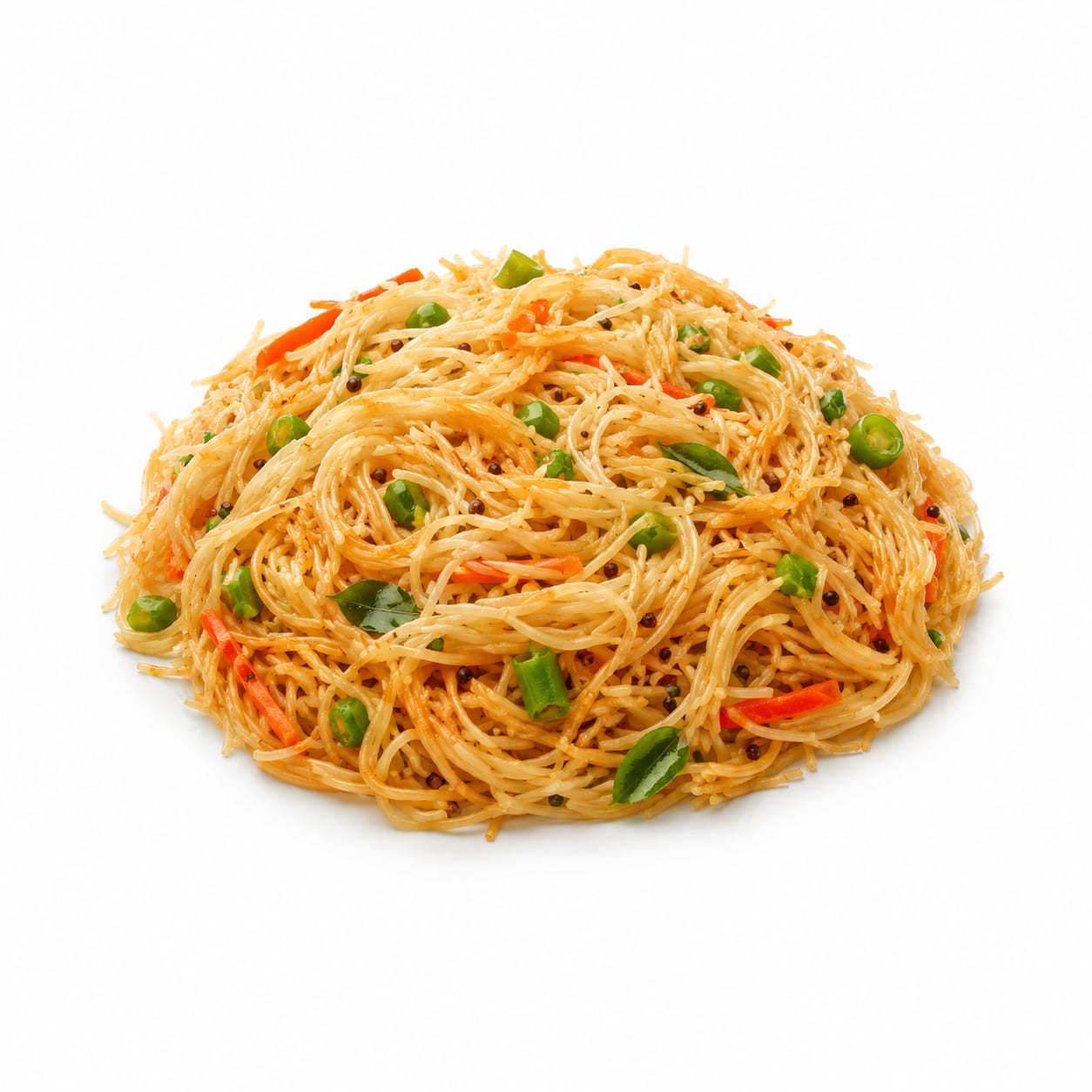
Vermicelli
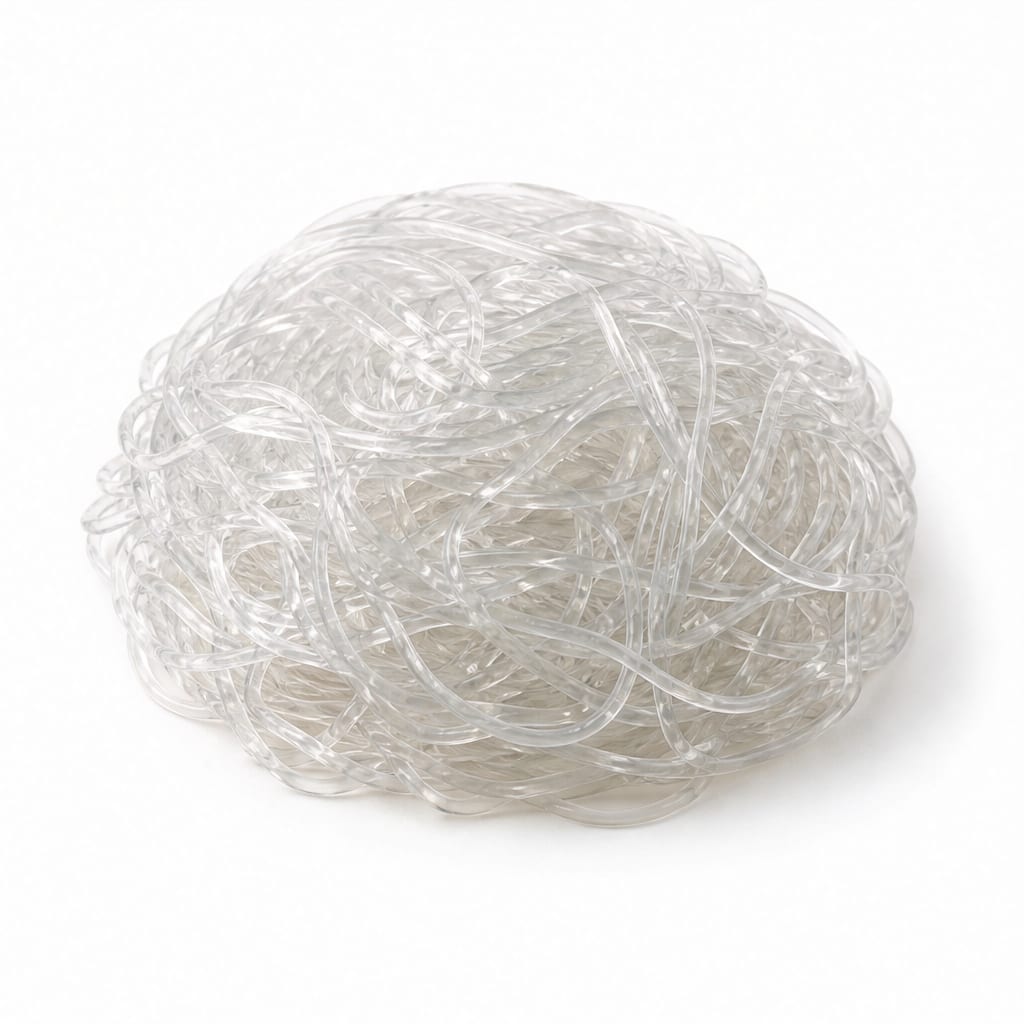
Glass noodles
Vermicelli offers more protein and fiber, while glass noodles are lighter and gluten-free. Your choice should hinge on dietary restrictions and how you pair them.
Vermicelli scores slightly higher due to more protein and fiber, but both are fundamentally refined carbohydrate sources that depend heavily on what you eat them with. The gap is small because neither is a nutritional standout on its own.
Vermicelli is more nutritionally substantive but contains gluten; glass noodles are easier on digestion and gluten-free but are nearly pure starch with minimal nutrients.
At a glance
Executive summary
Overall
It depends
Healthier
Vermicelli
More practical
Glass noodles
Daily use
It depends
Key comparison lenses
blood sugar and glycemic impact
Both are high-carb noodle types with different starch profiles that affect blood sugar differently
gluten-free dietary needs
Vermicelli contains wheat gluten while glass noodles are naturally gluten-free, a critical decision factor for many
weight management and satiety
Users often choose between these when trying to manage portions and stay full longer
nutritional density tradeoffs
Neither is nutrient-dense, but differences in protein and fiber content matter for balanced meals
cooking versatility and meal compatibility
Both are pantry staples in Asian cooking but behave differently in soups, stir-fries, and cold dishes
Best choice for
Vermicelli
- Those wanting more protein and fiber from their carb base
- People doing endurance training who need sustained energy
- Anyone not sensitive to gluten who wants a more filling meal
- Mediterranean or Italian-inspired dishes
Glass noodles
- Celiacs and anyone with gluten sensitivity
- Those seeking a lighter, less heavy meal experience
- People managing digestive discomfort after eating
- Hot pot, soup, and stir-fry dishes where transparency and texture matter
Least suitable for
Vermicelli
- Anyone with celiac disease or gluten intolerance
- People seeking very light meals in hot weather
- Those on low-carb or keto diets
Glass noodles
- Anyone needing protein from their carbohydrate base
- People looking for sustained fullness from a single dish
- Those on low-carb or keto diets
Deep comparison
Dimension by dimension
Each lens scores both foods and breaks down who each option suits.
- Dimension 1 · Priority 92Glass noodles
blood sugar stability
Vermicelli · 35Glass noodles · 45Glass noodles made from mung bean starch have a slightly lower glycemic impact than wheat-based vermicelli, though both spike blood sugar significantly.
Tradeoff
Neither is ideal for blood sugar control, but glass noodles cause a marginally gentler rise, especially mung bean varieties.
Why it matters
If you are prediabetic or monitoring glucose, the difference is real but modest — pairing with protein and fat matters far more than the noodle choice itself.
Real-world impact
A glass noodle bowl with vegetables and tofu will leave you with steadier energy than a vermicelli dish with the same toppings, but the gap narrows significantly with smart pairings.
Vermicelli
- Post-workout meals where faster glycogen replenishment is desired
Better for
- Late-night eating when blood sugar should stay stable
Worse for
Glass noodles
- Sedentary days when you want less blood sugar volatility
- Afternoon meals where an energy crash would be problematic
Better for
- Immediately after intense exercise when quick carb absorption helps
Worse for
- Dimension 2 · Priority 85Vermicelli
satiety and fullness
Vermicelli · 55Glass noodles · 38Vermicelli keeps you fuller for longer due to its wheat protein and fiber content, while glass noodles digest quickly and leave you hungry sooner.
Tradeoff
Glass noodles feel lighter in the moment, which is pleasant, but that lightness comes back as hunger within an hour or two.
Why it matters
If you are trying to control portions or avoid snacking between meals, vermicelli gives you more staying power without needing larger servings.
Real-world impact
A vermicelli lunch can carry you to dinner. A glass noodle lunch often needs a mid-afternoon snack to bridge the gap.
Vermicelli
- One-meal-to-the-next without snacking
- Busy workdays when you cannot stop for a snack
Better for
- Occasions where you want a light, refreshing bite
Worse for
Glass noodles
- Multi-course meals where you want to save room
- Hot summer days when heavy food feels unappealing
Better for
- Anyone prone to overeating later after unsatisfying meals
Worse for
- Dimension 3 · Priority 88Glass noodles
gluten and allergen profile
Vermicelli · 20Glass noodles · 95Glass noodles are naturally gluten-free, making them safe for celiacs and those with gluten sensitivity. Vermicelli is wheat-based and contains gluten.
Tradeoff
If gluten is a concern, glass noodles win decisively. If not, this dimension is irrelevant to your decision.
Why it matters
For the roughly 6% of people with gluten-related disorders, this is the single most important factor in the entire comparison.
Real-world impact
Someone with celiac disease can enjoy glass noodles freely, while even small amounts of vermicelli could trigger symptoms lasting days.
Vermicelli
- No realistic scenario where wheat gluten is an advantage
Better for
- Anyone with diagnosed or suspected gluten issues
Worse for
Glass noodles
- Celiac disease management
- Gluten sensitivity or intolerance
- Reducing bloating for those sensitive to wheat
Better for
- No allergen disadvantage for glass noodles in this context
Worse for
- Dimension 4 · Priority 75Vermicelli
nutritional density
Vermicelli · 45Glass noodles · 25Vermicelli provides modest amounts of protein, iron, and B vitamins from wheat. Glass noodles are essentially pure starch with trace minerals at best.
Tradeoff
Neither is a nutritional powerhouse, but vermicelli at least contributes some protein and micronutrients rather than empty calories.
Why it matters
When carbs are a large part of your diet, even small nutritional differences compound over weeks and months.
Real-world impact
Over a year of regular consumption, vermicelli contributes meaningfully to iron and B-vitamin intake. Glass noodles contribute almost nothing beyond calories.
Vermicelli
- Vegetarians who need iron from grain sources
- Anyone not taking a multivitamin who relies on food for B vitamins
Better for
- Those who already get plenty of B vitamins from other sources
Worse for
Glass noodles
- Situations where neutral taste and pure starch are the goal
Better for
- Anyone relying on staple carbs as a meaningful nutrient source
Worse for
- Dimension 5 · Priority 72Glass noodles
digestive comfort
Vermicelli · 40Glass noodles · 68Glass noodles are easier to digest for most people, especially those sensitive to wheat. Vermicelli can cause bloating in gluten-sensitive individuals.
Tradeoff
Glass noodles are gentler on the stomach, but their rapid digestion can cause hunger-driven discomfort later.
Why it matters
If you often feel bloated or sluggish after wheat-based meals, switching to glass noodles can provide noticeable relief within days.
Real-world impact
People who feel heavy after pasta often find glass noodle dishes leave them comfortable and light, even with the same portion size.
Vermicelli
- Those with no digestive issues who prefer the heartier mouthfeel
Better for
- Anyone with IBS triggered by wheat
Worse for
Glass noodles
- Prone to post-meal bloating
- Sensitive stomachs that react to wheat
- Evening meals when you want to sleep comfortably
Better for
- People who need long-lasting satiety to avoid grazing
Worse for
- Dimension 6 · Priority 65It depends
cooking versatility and texture
Vermicelli · 60Glass noodles · 60Vermicelli excels in pasta dishes, soups, and baked casseroles. Glass noodles shine in stir-fries, hot pots, and cold salads where their springy transparency is an asset.
Tradeoff
They are not truly interchangeable — each has dishes where it clearly outperforms the other.
Why it matters
Choosing the wrong noodle for a recipe creates textural disappointment that no amount of seasoning can fix.
Real-world impact
Vermicelli in a Thai glass noodle salad feels wrong and mushy. Glass noodles in an Italian pasta dish feel slippery and unsatisfying.
Vermicelli
- Italian and Mediterranean recipes
- Soups where you want the noodle to hold structure
- Baked dishes that need a firm carb base
Better for
- Dishes where transparency and springiness are expected
Worse for
Glass noodles
- Asian stir-fries and spring rolls
- Hot pot and broth-based soups
- Cold noodle salads where chewiness is desired
Better for
- Any recipe requiring the noodle to hold sauce like traditional pasta
Worse for
Timeline
Health impact over time
Short-term
Hours to days
Vermicelli
- Provides quicker satiety due to wheat protein and fiber
- May cause bloating or heaviness in gluten-sensitive individuals
- Delivers a moderate blood sugar rise within 30-60 minutes
Glass noodles
- Feels light and easy on the stomach immediately after eating
- Causes a slightly faster blood sugar rise that resolves more quickly
- Hunger returns sooner, typically within 1-2 hours
Long-term
Months to years
Vermicelli
- Regular consumption contributes modest iron and B-vitamin intake
- Continued gluten exposure is safe for non-sensitive individuals
- Higher fiber supports more consistent digestion over time
Glass noodles
- Long-term reliance without protein pairings may contribute to inadequate protein intake
- Gluten-free nature reduces chronic low-grade inflammation risk for sensitive individuals
- Minimal fiber contribution means you must source it elsewhere in your diet
Risk profile
Safety & processing
Both are processed foods made by refining grain or starch into noodle form. Vermicelli is milled wheat formed into thin pasta. Glass noodles are extracted starch formed into threads. Neither contains significant artificial additives in their basic forms, though some brands add preservatives or sodium — always check labels.
Vermicelli
Wheat allergen exposure
highContains gluten, which triggers serious reactions in celiacs and discomfort in gluten-sensitive individuals. Not a risk for the general population.
Sodium in packaged varieties
lowSome pre-seasoned vermicelli packs contain significant sodium. Plain dried vermicelli is low in sodium.
Glass noodles
Contamination with non-declared starches
mediumSome glass noodle brands have been found to use cheaper starches like corn instead of mung bean, which affects nutritional profile and may introduce allergens not listed on packaging.
Alum additives in some brands
mediumCertain manufacturers use alum (aluminum compounds) to improve noodle firmness and transparency. Long-term aluminum consumption from multiple dietary sources raises health concerns.
Who wins for whom
Audience fit
Same foods, different winners depending on your goal.
children
VermicelliVermicelli provides more iron and B vitamins that growing children need, and the firmer texture is often more appealing to picky eaters.
daily consumption
It dependsVermicelli is better if you tolerate gluten and want more nutrients. Glass noodles are better if you need gluten-free or prefer lighter meals. Neither should dominate your carb intake daily.
diabetes
Glass noodlesMung bean glass noodles have a slightly lower glycemic index than wheat vermicelli, though neither is ideal and both require careful portion control and protein-rich pairings.
elderly
Glass noodlesGlass noodles are softer and easier to chew and digest, which matters for aging digestive systems and dental concerns.
muscle gain
VermicelliVermicelli provides a small amount of wheat protein and more sustained energy, making it a marginally better carb base for muscle-building meals — but both need significant protein added from other sources.
weight loss
Glass noodlesGlass noodles are slightly lower in calories per serving and their lighter texture encourages smaller portions naturally, though the difference is modest and pairing matters more.
Your move
Decision guide
Choose Vermicelli
- You have no gluten sensitivity and want more substance from your noodles
- Satiety and staying full between meals is a priority
- You cook Italian, Mediterranean, or Middle Eastern dishes regularly
- You want even modest nutritional contribution from your carb base
Choose Glass noodles
- You are celiac, gluten-sensitive, or cooking for someone who is
- You prefer lighter meals that do not sit heavy in your stomach
- You make Asian stir-fries, hot pots, or spring rolls frequently
- Digestive comfort after eating is a concern for you
Either works if
- You are building a balanced bowl with plenty of protein and vegetables — the noodle base matters less than the toppings
- Neither is a dietary staple and you just want variety
- You are eating occasionally and have no specific health concerns
Avoid both if
- You are on a low-carb or ketogenic diet — both are high-glycemic carb sources
- You have poorly controlled diabetes and need low-glycemic carb alternatives
- You are trying to reduce refined starch intake for metabolic health
Final recommendation
Let your dietary needs decide: if gluten is off the table, glass noodles are your clear choice. If you tolerate wheat and want more staying power, vermicelli gives you a slight nutritional edge. In either case, what you put on the noodles matters far more than which noodle you pick — load up on vegetables, lean protein, and healthy fats, and either one becomes a perfectly reasonable meal base.
Practical
Consumer tips
- 1
Check glass noodle ingredient lists for alum or aluminum compounds — choose brands that use only mung bean starch and water
- 2
Rinse both noodle types after cooking to remove surface starch and improve texture
- 3
Pair either noodle with at least 20g of protein per serving to stabilize blood sugar and increase satiety
- 4
If buying pre-seasoned vermicelli packets, check sodium content — some exceed 800mg per serving
- 5
For glass noodles, soak in warm water before cooking rather than boiling directly — this preserves the springy texture
- 6
Choose whole wheat vermicelli when available for a meaningful fiber upgrade over the refined version