
Nutrition comparison
Vermicelli vs Egg Noodles: Which Is Healthier and Better for Your Meals?
Compare vermicelli and egg noodles on protein, calories, satiety, and blood sugar impact. Find out which noodle fits your diet, cooking style, and health goals.
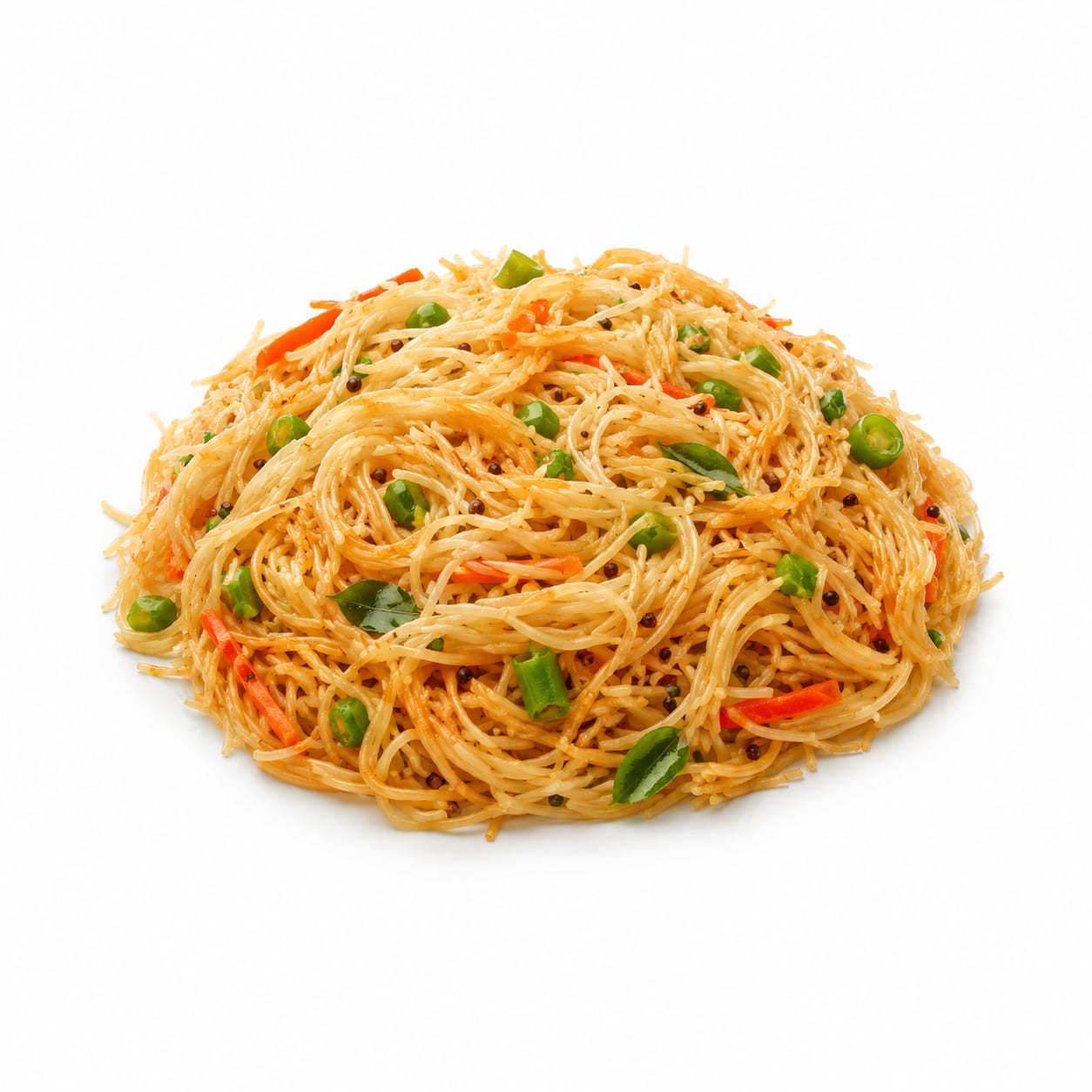
Vermicelli
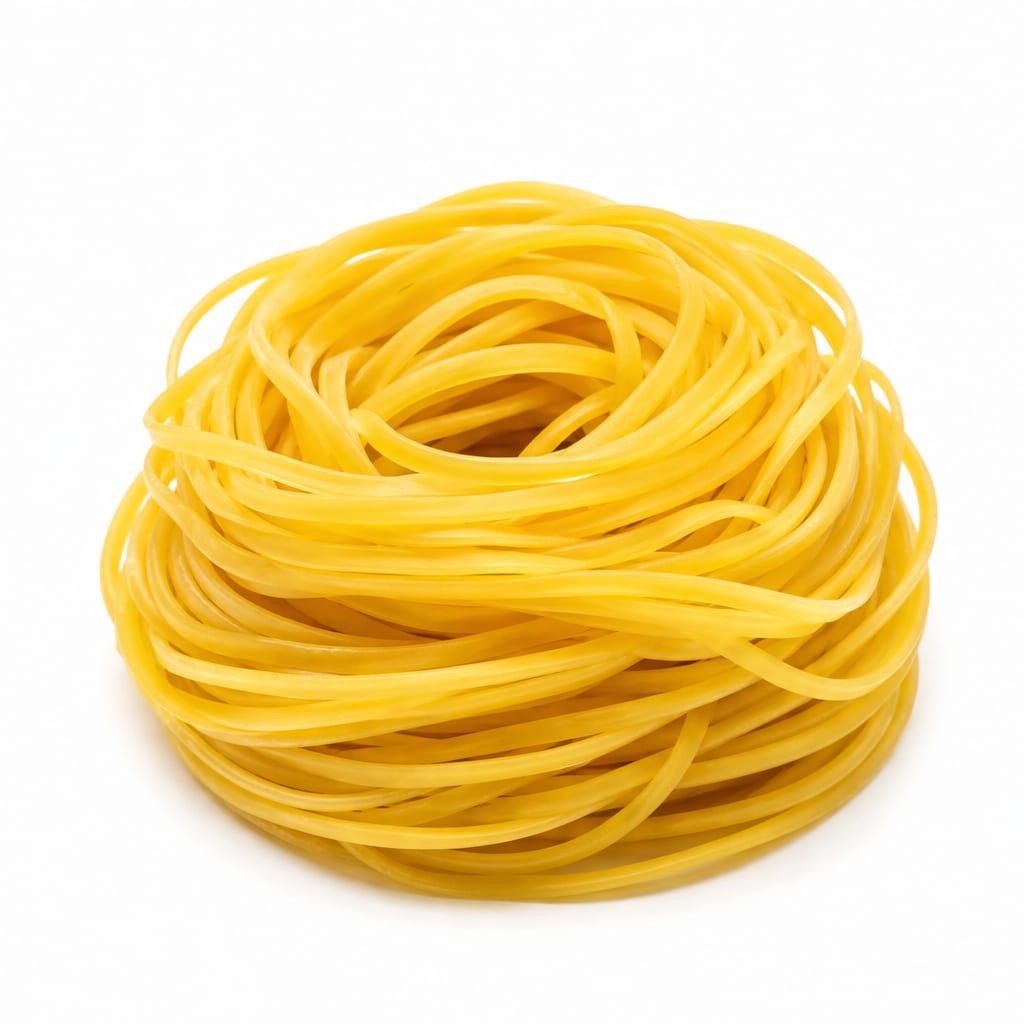
Egg noodles
Egg noodles deliver more protein and staying power, while vermicelli offers a lighter, lower-calorie base that digests faster.
Egg noodles score moderately higher due to better protein content, more satiety, and richer micronutrients from eggs. Vermicelli remains competitive for lighter meals and calorie-conscious eating, but offers less nutritional substance per serving.
Satiety and nutrient density versus lightness and calorie savings.
At a glance
Executive summary
Overall
It depends
Healthier
Egg noodles
More practical
It depends
Daily use
It depends
Key comparison lenses
Which noodle keeps me fuller longer?
Protein and fat differences directly affect satiety, making this the most practical daily concern.
Which is healthier for everyday meals?
Users choosing between these staples want to know which supports long-term health better.
Which is better for blood sugar control?
Both are refined carb bases, but protein and fat content changes how quickly glucose hits the bloodstream.
Which has fewer calories for weight management?
Calorie density matters when noodles are a frequent dinner base.
Which is less processed?
Both are relatively simple foods, but ingredient differences still matter to clean-eating consumers.
Best choice for
Vermicelli
- Lighter meals where you want less heaviness
- Low-calorie diet plans
- People watching cholesterol intake
- Quick-cooking weeknight soups
- Those who prefer a delicate texture
Egg noodles
- Meals where noodles are the main protein source
- Active people needing sustained energy
- Anyone who gets hungry soon after eating pasta
- Hearty comfort food dishes
- Growing children needing more nutrients per bite
Least suitable for
Vermicelli
- People relying on noodles for protein intake
- Those who struggle with blood sugar spikes
- Anyone needing long-lasting fullness from a single dish
Egg noodles
- Strict low-cholesterol diets
- Very low-calorie meal plans
- Those avoiding eggs due to allergy or vegan diet
Deep comparison
Dimension by dimension
Each lens scores both foods and breaks down who each option suits.
- Dimension 1 · Priority 92Egg noodles
Satiety & Fullness
Vermicelli · 45Egg noodles · 74Egg noodles keep you full significantly longer thanks to their protein and fat content.
Tradeoff
That fullness comes with more calories per serving, which may not suit lighter appetites.
Why it matters
If you eat noodles for dinner and are raiding the fridge by 9pm, the extra protein in egg noodles makes a real difference.
Real-world impact
A bowl of egg noodles at lunch can carry you to dinner. Vermicelli may leave you reaching for a snack within two hours.
Vermicelli
- Small appetites
- Light summer meals
Better for
- Big eaters who need lasting fullness
Worse for
Egg noodles
- Long workdays between meals
- Post-workout recovery meals
- Anyone tired of feeling hungry after pasta
Better for
- Those who feel uncomfortably stuffed after heavy meals
Worse for
- Dimension 2 · Priority 85Egg noodles
Blood Sugar Stability
Vermicelli · 40Egg noodles · 58Egg noodles slow down glucose absorption slightly better because protein and fat moderate the carb rush.
Tradeoff
Neither is a low-glycemic food. Both will spike blood sugar more than whole grain alternatives.
Why it matters
If you feel sleepy or sluggish after noodle bowls, the faster-digesting vermicelli is more likely the culprit.
Real-world impact
Pairing either noodle with vegetables and protein helps, but egg noodles give you a small head start on stability.
Vermicelli
- Quick energy before short activity
Better for
- Anyone monitoring blood sugar closely
Worse for
Egg noodles
- Pre-diabetics seeking gentler blood sugar responses
- Those prone to afternoon energy crashes
Better for
- Those who still need to limit overall carb intake
Worse for
- Dimension 3 · Priority 88Egg noodles
Protein & Nutrient Density
Vermicelli · 25Egg noodles · 68Egg noodles provide meaningfully more protein plus choline and B vitamins from eggs. Vermicelli is essentially just refined carbs.
Tradeoff
Egg noodles carry more cholesterol and fat, which may concern some eaters despite the nutritional upside.
Why it matters
When noodles are your main dish, the protein in egg noodles actually contributes to your daily needs. Vermicelli contributes almost nothing beyond calories.
Real-world impact
A cup of egg noodles delivers roughly 8g of protein versus 3-4g in vermicelli. Over a week of regular consumption, that gap adds up.
Vermicelli
- Meals where protein comes heavily from other ingredients
Better for
- Vegetarians relying on grains for some protein
Worse for
Egg noodles
- One-pot meals where noodles carry more nutritional weight
- Older adults who need easy protein sources
- Kids who are picky about protein foods
Better for
- Those on strict low-cholesterol protocols
Worse for
- Dimension 4 · Priority 78Vermicelli
Calorie & Fat Profile
Vermicelli · 76Egg noodles · 52Vermicelli is lower in calories and significantly lower in fat and cholesterol, making it the leaner choice.
Tradeoff
Less fat means less satiety and faster digestion, so you may eat more overall to feel satisfied.
Why it matters
For calorie counters, vermicelli gives you more volume per calorie. But if you end up eating a second portion because you are still hungry, the savings vanish.
Real-world impact
A 200-calorie serving of vermicelli looks larger on the plate than 200 calories of egg noodles, which can help with visual satisfaction.
Vermicelli
- Weight loss meal plans
- Low-fat diet followers
- Those tracking calories carefully
Better for
- Anyone who confuses low-calorie with satisfying
Worse for
Egg noodles
- People who prefer nutrient density over calorie savings
- Those who naturally stop eating when full
Better for
- Strict calorie counters
Worse for
- Dimension 5 · Priority 70Vermicelli
Digestive Tolerance
Vermicelli · 72Egg noodles · 60Vermicelli's simpler ingredient list and lower fat content make it easier on sensitive stomachs.
Tradeoff
Egg noodles are not hard to digest for most people, but the added fat and eggs can trigger issues for some.
Why it matters
If you have a sensitive gut or are recovering from illness, plain vermicelli in broth is gentler.
Real-world impact
Vermicelli in a light soup is classic sick-day food for a reason. It sits lightly and digests without effort.
Vermicelli
- Recovery meals after stomach illness
- Light late-night eating
- People with mild egg sensitivities
Better for
- Anyone needing substantial nutrition during recovery
Worse for
Egg noodles
- Those with no digestive concerns who want richer meals
Better for
- People with egg allergies or intolerances
- Those with gallbladder issues who limit fat
Worse for
- Dimension 6 · Priority 75It depends
Versatility & Meal Satisfaction
Vermicelli · 70Egg noodles · 72Vermicelli excels in light soups, salads, and Asian-inspired dishes. Egg noodles shine in hearty casseroles, stroganoff, and comfort food.
Tradeoff
Each noodle fits different culinary traditions. Substituting one for the other often changes the dish's character.
Why it matters
Trying to make chicken noodle soup with vermicelli feels thin. Trying to make a light Vietnamese pho with egg noodles feels heavy.
Real-world impact
Pick the noodle that matches your meal's vibe. Light and fresh? Vermicelli. Rich and cozy? Egg noodles.
Vermicelli
- Summer rolls and cold noodle salads
- Clear broth soups
- Stir-fries where noodles should not dominate
Better for
- Dishes requiring a chewy, substantial noodle
Worse for
Egg noodles
- Tuna casserole and baked pasta dishes
- Beef stroganoff
- Hearty winter soups and stews
Better for
- Delicate dishes where heavy noodles overwhelm other flavors
Worse for
Timeline
Health impact over time
Short-term
Hours to days
Vermicelli
- Quick energy from easily digested carbohydrates
- Light feeling in the stomach after eating
- Possible hunger returning within 1-2 hours if eaten alone
- Rapid blood sugar rise and fall without pairing protein
Egg noodles
- More sustained energy over 2-3 hours
- Comforting, filling sensation after meals
- Slightly slower blood sugar rise due to protein and fat
- Potential heaviness if portions are large
Long-term
Months to years
Vermicelli
- Lower protein intake if vermicelli replaces more nutritious staples frequently
- Minimal cholesterol concern, making it heart-friendly in isolation
- Risk of overeating carbs if not balanced with protein and fiber
- Possible nutrient gaps if relied on as a dietary staple without varied sides
Egg noodles
- Better protein intake supporting muscle maintenance over time
- Cholesterol from eggs may be a concern for sensitive individuals
- More satiating meals may help with portion control long-term
- Choline from eggs supports brain health with regular consumption
Risk profile
Safety & processing
Both are refined grain products with simple ingredient lists. Vermicelli is typically just wheat flour and water. Egg noodles add eggs, which increases nutrient density but also adds cholesterol. Neither contains concerning additives in most standard brands, though some commercial egg noodles may include preservatives or color enhancers. Both fall into the same general processing category — neither is a whole food, but neither is ultra-processed.
Vermicelli
Wheat gluten exposure
mediumContains gluten, which is dangerous for those with celiac disease and uncomfortable for those with gluten sensitivity.
Potential for undercooking in quick-prep meals
lowVermicelli cooks very fast and is sometimes added at the last second, which can leave it slightly underdone and harder to digest.
Egg noodles
Egg allergy exposure
highContains eggs, which are a top 8 allergen. Strict avoidance is necessary for those with egg allergies.
Cholesterol sensitivity
lowDietary cholesterol from eggs does not significantly affect blood cholesterol in most people, but those with hypercholesterolemia should monitor intake.
Sodium in some commercial brands
mediumSome packaged egg noodles contain added sodium as a preservative. Check labels if watching salt intake.
Who wins for whom
Audience fit
Same foods, different winners depending on your goal.
children
Egg noodlesGrowing kids benefit from the extra protein, choline, and B vitamins in egg noodles. The richer taste also tends to appeal more to young palates.
daily consumption
It dependsDepends on the overall diet. If meals are protein-rich elsewhere, vermicelli works fine as a light base. If noodles are a primary calorie source, egg noodles provide better nutritional value.
diabetes
Egg noodlesProtein and fat in egg noodles slow glucose absorption slightly, but both require careful portion control and pairing with fiber and protein.
elderly
Egg noodlesOlder adults need easy protein sources to prevent muscle loss. Egg noodles contribute meaningfully, while vermicelli offers little nutritional support.
muscle gain
Egg noodlesMore protein per serving supports muscle maintenance, though neither is a high-protein food on its own.
weight loss
VermicelliLower calories per serving give vermicelli an edge, but only if portions are controlled and meals include protein from other sources.
Your move
Decision guide
Choose Vermicelli
- You want a lighter meal that does not sit heavy
- You are counting calories or following a low-fat diet
- You are making clear broth soups or cold noodle salads
- You have egg allergies or cholesterol concerns
- You prefer delicate texture over chewy bite
Choose Egg noodles
- You want a meal that keeps you full for hours
- You are making hearty comfort food like casseroles or stroganoff
- You need more protein in your diet without adding separate protein sources
- You are cooking for children or elderly family members
- You find that regular pasta leaves you hungry too quickly
Either works if
- You are pairing noodles with generous protein and vegetable toppings
- You are cooking a stir-fry where sauce and mix-ins dominate the flavor
- You rotate between both depending on the meal style
Avoid both if
- You have celiac disease or gluten intolerance
- You are following a strict low-carb or ketogenic diet
- You are trying to eliminate refined grains from your diet entirely
Final recommendation
Let your meal decide. Reach for egg noodles when you need a hearty, satisfying base that contributes real nutrition. Choose vermicelli when you want something light and quick that lets other ingredients shine. Neither is a health food on its own — what you pair them with matters far more than which noodle you pick.
Practical
Consumer tips
- 1
Always pair either noodle with vegetables and a protein source to balance the meal and prevent blood sugar spikes.
- 2
Check labels on commercial egg noodles for added sodium — some brands pack surprising amounts of salt.
- 3
If using vermicelli in hot soup, add it at the very end to avoid mushy texture.
- 4
Egg noodles reheat better than vermicelli, making them a smarter choice for meal prep.
- 5
For the best of both worlds, try whole wheat versions of either noodle to add fiber and slow digestion.
- 6
Rice vermicelli is a gluten-free alternative if wheat is a concern, but it has even less protein than wheat vermicelli.
- 7
Rinse cooked vermicelli under cold water for salads to stop cooking and prevent clumping.