
Nutrition comparison
Tamarillo vs Tomato: Vitamin C, Lycopene, and Which Is Better for You
Compare Tamarillo and Tomato on vitamin C, antioxidants, sugar, and daily usability. Find out which fruit fits your health goals and when to choose each.
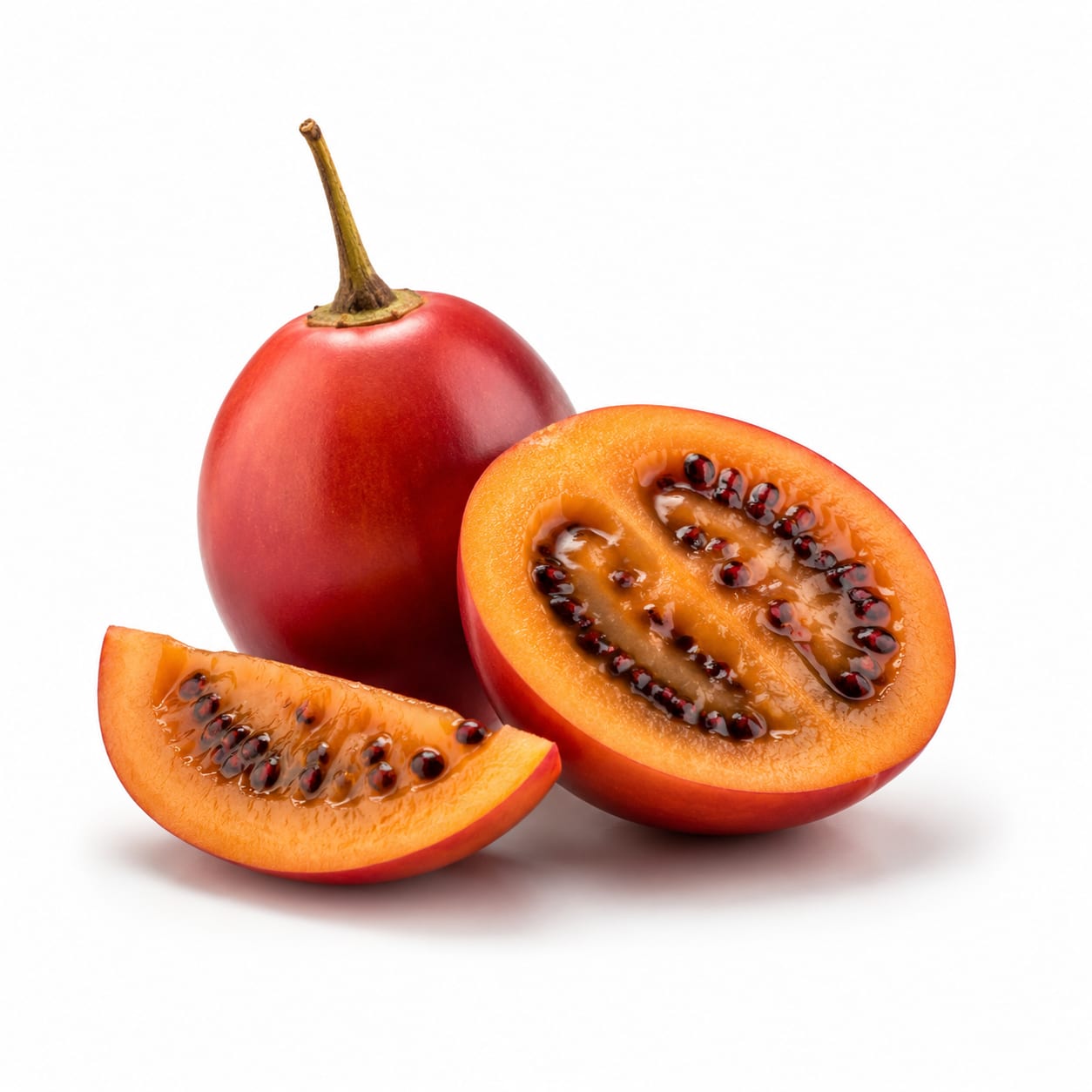
Tamarillo
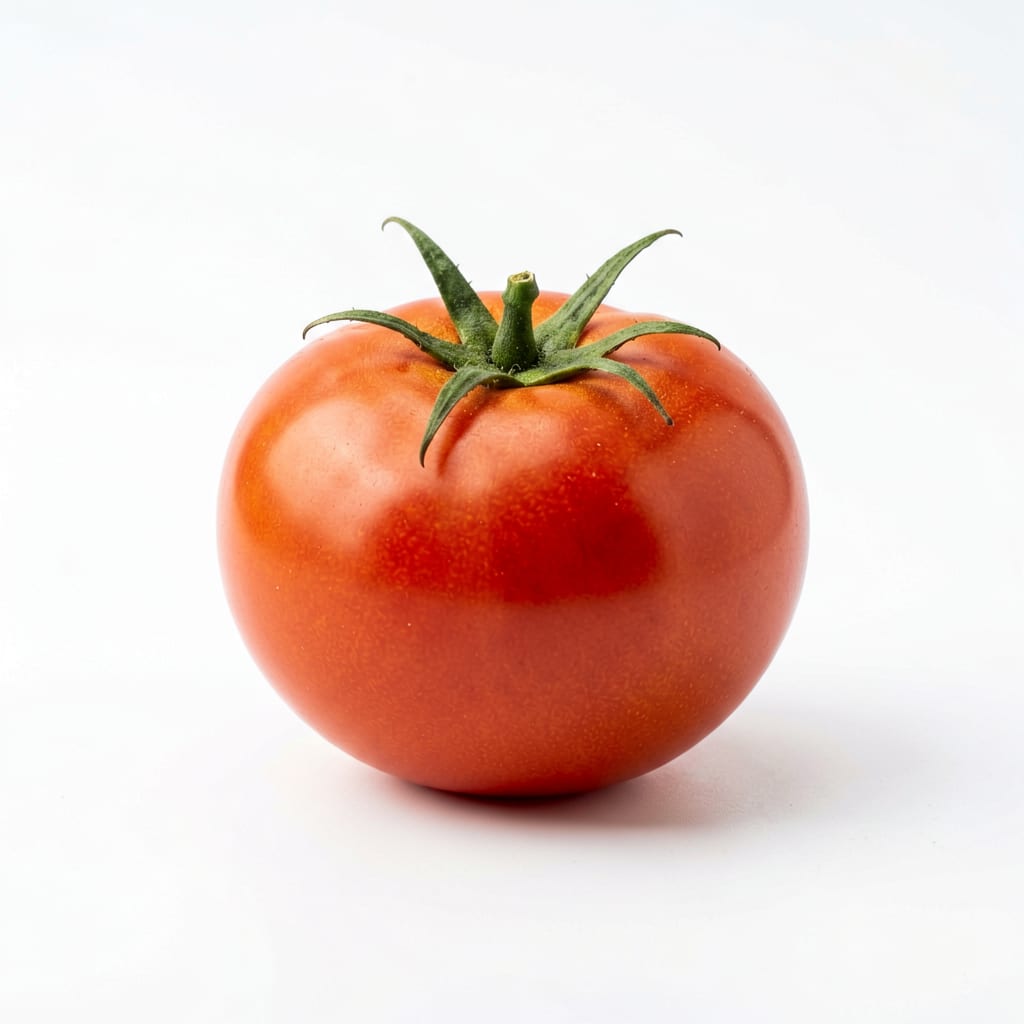
Tomato
Tomato wins on practicality and daily versatility; Tamarillo wins on vitamin C punch and exotic antioxidant variety. They serve different roles.
Tomato scores higher due to unmatched versatility, lower sugar, proven lycopene benefits, and universal availability. Tamarillo is nutritionally impressive but limited by access, cost, and narrower culinary application.
Tomato is the reliable everyday staple with lycopene and low sugar, while Tamarillo offers a concentrated nutrient hit with more vitamin C but higher sugar and limited availability
At a glance
Executive summary
Overall
It depends
Healthier
It depends
More practical
Tomato
Daily use
Tomato
Key comparison lenses
nutrient density and vitamin C comparison
Tamarillo is notably higher in vitamin C and certain B vitamins, making this a key differentiator for immune support and energy metabolism
antioxidant profile differences
Tomato delivers lycopene while Tamarillo offers anthocyanins — two distinct antioxidant families with different health benefits
everyday versatility and accessibility
Tomato is a kitchen staple available everywhere; Tamarillo is specialty and seasonal, which heavily impacts practical daily use
blood sugar and weight management
Tomato is lower in sugar and calories, making it more suitable for low-carb or calorie-controlled diets
culinary role and flavor profile
These foods serve very different culinary purposes — Tomato is savory-foundation, Tamarillo is tangy-accent
Best choice for
Tamarillo
- People wanting a vitamin C boost beyond citrus
- Home cooks exploring exotic flavors and chutneys
- Those seeking anthocyanin antioxidants for anti-aging
- Anyone bored with standard fruit options and wanting variety
Tomato
- Daily salad and sandwich builders
- Anyone managing blood sugar or watching calories
- Cooking enthusiasts needing a versatile base ingredient
- Budget-conscious shoppers wanting maximum nutrition per dollar
Least suitable for
Tamarillo
- People on strict low-sugar diets
- Those who need affordable, year-round produce
- Anyone unfamiliar with preparing exotic fruit
Tomato
- People looking for high vitamin C from a single source
- Those wanting novel flavors and culinary adventure
- Anyone specifically seeking anthocyanin-rich foods
Deep comparison
Dimension by dimension
Each lens scores both foods and breaks down who each option suits.
- Dimension 1 · Priority 92Tamarillo
Vitamin C and Immune Support
Tamarillo · 85Tomato · 55Tamarillo delivers roughly 2-3 times more vitamin C per serving than Tomato, making it a stronger immune-support pick.
Tradeoff
You get more vitamin C from Tamarillo but at the cost of higher sugar and less everyday eatability
Why it matters
If you're fighting off a cold or want to reduce reliance on supplements, Tamarillo is the more efficient vitamin C source
Real-world impact
One Tamarillo covers a larger share of your daily vitamin C needs than a Tomato, so you need less volume to hit your target
Tamarillo
- Immune support during cold season
- Reducing supplement dependence
- Adding vitamin C to breakfast smoothies
Better for
- Reaching vitamin C goals on a low-sugar plan
Worse for
Tomato
- Steady low-calorie vitamin C intake throughout the day
- Pairing with iron-rich meals for absorption without extra sugar
Better for
- Getting enough vitamin C from a single serving without eating large quantities
Worse for
- Dimension 2 · Priority 88It depends
Antioxidant Diversity
Tamarillo · 78Tomato · 82Tomato's lycopene is the most studied carotenoid for heart and prostate health; Tamarillo's anthocyanins target different anti-inflammatory and anti-aging pathways.
Tradeoff
Lycopene has stronger long-term evidence; anthocyanins offer broader but less proven cellular protection
Why it matters
Your body benefits from diverse antioxidants — eating both is better than choosing one
Real-world impact
Regular Tomato consumption is linked to lower prostate cancer risk; Tamarillo may support vascular health and skin aging through different mechanisms
Tamarillo
- Anti-aging and skin health routines
- Vascular and circulatory support
- Adding purple-red antioxidant variety to your diet
Better for
- Evidence-based disease prevention strategies
Worse for
Tomato
- Heart health and cholesterol management
- Prostate health for men over 40
- Cooked sauce preparations that concentrate lycopene
Better for
- Antioxidant diversity from a single food source
Worse for
- Dimension 3 · Priority 80Tomato
Blood Sugar and Calorie Efficiency
Tamarillo · 55Tomato · 88Tomato is significantly lower in sugar and calories, making it far easier to fit into low-carb, keto, or calorie-restricted eating.
Tradeoff
Tamarillo's richer flavor comes with roughly 3x the sugar content of Tomato
Why it matters
For anyone monitoring blood sugar or trying to lose weight, Tomato lets you eat freely while Tamarillo requires portion awareness
Real-world impact
You can eat cups of Tomato in a salad with minimal blood sugar impact; a single Tamarillo already contributes noticeable sugar
Tamarillo
- Post-workout energy replenishment
- Adding natural sweetness without refined sugar
Better for
- Late-night snacking on a cut
- Managing glucose spikes
Worse for
Tomato
- Diabetes-friendly meal plans
- Low-carb and keto diets
- Unrestricted snacking without calorie anxiety
Better for
- Satisfying a sweet craving naturally
Worse for
- Dimension 4 · Priority 85Tomato
Everyday Versatility and Culinary Role
Tamarillo · 45Tomato · 95Tomato is arguably the most versatile ingredient in global cuisine — raw, cooked, sauced, or dried. Tamarillo is a specialty accent.
Tradeoff
Tomato fits every meal; Tamarillo shines in specific dishes but has limited range
Why it matters
The best healthy food is the one you actually use daily. Tomato's flexibility makes it a reliable nutritional workhorse.
Real-world impact
Tomato appears in salads, sandwiches, pasta, curries, soups, and breakfast. Tamarillo works in chutneys, desserts, and occasional smoothies.
Tamarillo
- Chutneys and exotic relishes
- Breakfast smoothies needing tangy depth
- Dessert toppings with a sour kick
Better for
- Making a quick weeknight dinner
Worse for
Tomato
- Meal-prep batch cooking
- Building flavor bases for any cuisine
- Quick no-cook meal additions
Better for
- Creating a memorable, conversation-starting dish
Worse for
- Dimension 5 · Priority 75Tomato
Accessibility and Cost
Tamarillo · 30Tomato · 95Tomato is available everywhere year-round at low cost. Tamarillo is seasonal, specialty-store dependent, and notably more expensive.
Tradeoff
Tamarillo's exotic appeal comes with real access barriers and higher grocery bills
Why it matters
Nutrition only works if you can consistently buy and eat the food. Tomato wins on sustainability of habit.
Real-world impact
Tomatoes cost dollars per pound everywhere; Tamarillos may require specialty shops and cost 3-5x more per fruit
Tamarillo
- Specialty grocery exploration
- Occasional nutritional variety and treat
Better for
- Building a reliable weekly meal plan
Worse for
Tomato
- Weekly grocery budget planning
- Consistent daily nutrition habits
- Rural or limited grocery access areas
Better for
- Experiencing nutrient diversity from rare fruits
Worse for
- Dimension 6 · Priority 70Tamarillo
Mineral Content and Electrolytes
Tamarillo · 78Tomato · 65Tamarillo offers more iron, potassium, and magnesium per serving, supporting energy and muscle function better than Tomato.
Tradeoff
The mineral advantage comes packaged with more sugar and less culinary flexibility
Why it matters
For active individuals or those with low iron, Tamarillo provides a meaningful mineral contribution in a small serving
Real-world impact
A single Tamarillo contributes more toward daily iron and potassium needs than a standard Tomato, useful for athletes and the iron-deficient
Tamarillo
- Athletes needing potassium for cramp prevention
- Women with low iron stores
- Post-exercise electrolyte replenishment
Better for
- Mineral supplementation without sugar intake
Worse for
Tomato
- Blood pressure management through steady low-sodium potassium intake
Better for
- Getting sufficient iron from a low-calorie source
Worse for
Timeline
Health impact over time
Short-term
Hours to days
Tamarillo
- Noticeable vitamin C boost supporting immune readiness
- Tangy flavor can stimulate appetite and digestion
- Natural sugar provides a mild energy lift
Tomato
- Very low calorie intake supports immediate diet adherence
- High water content aids hydration
- Lycopene begins accumulating with regular consumption
Long-term
Months to years
Tamarillo
- Anthocyanin intake may support vascular elasticity and skin health
- Consistent vitamin C supports collagen maintenance and wound healing
- Iron contribution helps maintain healthy ferritin levels in at-risk populations
Tomato
- Lycopene accumulation strongly linked to reduced prostate cancer risk
- Regular low-calorie intake supports sustainable weight management
- Potassium contribution helps maintain healthy blood pressure over decades
Risk profile
Safety & processing
Both Tamarillo and Tomato are whole, minimally processed foods when purchased fresh. Neither carries meaningful additive concerns in raw form. The main difference is that Tomato has more processed forms available (canned, paste, sauce) which can introduce sodium and preservatives, while Tamarillo is almost always sold fresh.
Tamarillo
Allergic cross-reactivity
lowTamarillo belongs to the nightshade family; those with nightshade sensitivities may experience mild reactions
Oxalate content
lowContains moderate oxalates which could concern people prone to kidney stones if consumed in large quantities
Pesticide residue on imported fruit
mediumSince Tamarillo is often imported, pesticide regulations may differ from domestic standards; washing thoroughly is important
Tomato
Pesticide residue on conventional tomatoes
mediumTomatoes frequently appear on the Dirty Dozen list; conventional varieties carry notable pesticide residue — organic is preferable
Nightshade sensitivity
lowTomatoes are nightshades and can trigger joint pain or digestive issues in sensitive individuals
Canned tomato BPA exposure
mediumIf using canned tomatoes, BPA in can linings is a known concern; glass-jarred or Tetra Pak options are safer
Who wins for whom
Audience fit
Same foods, different winners depending on your goal.
children
TomatoTomato is milder, more familiar, and easier to incorporate into kid-friendly meals; Tamarillo's tartness and seeds can be off-putting
daily consumption
TomatoTomato's versatility, low sugar, and universal availability make it the only realistic daily staple between the two
diabetes
TomatoTomato's minimal sugar impact makes it safe for glucose management; Tamarillo's higher sugar requires careful portioning
elderly
TomatoTomato's lycopene supports prostate and heart health critical for aging, and its soft texture is easy to consume; Tamarillo's tartness may irritate sensitive stomachs
muscle gain
TomatoNeither is a protein source, but Tomato pairs more easily with high-protein meals across the day without adding sugar
weight loss
TomatoTomato's extremely low calorie and sugar content lets you eat generous portions without budgeting, while Tamarillo requires portion control due to higher sugar
Your move
Decision guide
Choose Tamarillo
- You want a vitamin C powerhouse beyond standard citrus
- You're curious about anthocyanin-rich foods for anti-aging
- You enjoy tangy, complex flavors in chutneys and smoothies
- You have access to specialty produce and want nutritional variety
Choose Tomato
- You need a versatile daily staple for salads, cooking, and sauces
- You're managing blood sugar, calories, or following a low-carb diet
- You want proven lycopene benefits for heart and prostate health
- Budget and year-round availability matter for your meal planning
Either works if
- You want nightshade-family antioxidants in your diet
- You're building a diverse fruit and vegetable rotation
- You enjoy both sweet and savory flavor profiles
Avoid both if
- You have a confirmed nightshade sensitivity or allergy
- You're on a strict low-oxalate diet for kidney stone prevention
Final recommendation
Keep Tomato as your daily nutritional foundation — it's the practical, affordable, low-sugar workhorse. Add Tamarillo occasionally as a vitamin C and antioxidant booster when you find it fresh. Think of Tomato as your reliable staple and Tamarillo as your exotic supplement. Both deserve a place, but Tomato earns the everyday spot.
Practical
Consumer tips
- 1
Choose organic Tomatoes when possible — they're consistently high on pesticide residue lists
- 2
If buying canned Tomatoes, look for glass jars or BPA-free cans to avoid endocrine disruptors
- 3
Tamarillo skin is edible but bitter; scoop the flesh for a sweeter, more pleasant experience
- 4
Pair Tamarillo with a fat source like yogurt to absorb its fat-soluble vitamins more effectively
- 5
Cooking Tomatoes with olive oil dramatically increases lycopene absorption — raw is great, but cooked is better for this specific antioxidant
- 6
Tamarillo makes an excellent chutney with ginger and chili — a flavorful way to get antioxidants alongside a meal
- 7
If Tamarillo is unavailable, a mix of Tomato and passionfruit approximates its flavor profile in recipes