
Nutrition comparison
Tamarillo vs Plum: Which Fruit Is Healthier for You?
Compare Tamarillo and Plum on sugar, vitamins, fiber, and digestion. Find out which fruit fits your health goals, from blood sugar management to everyday snacking.
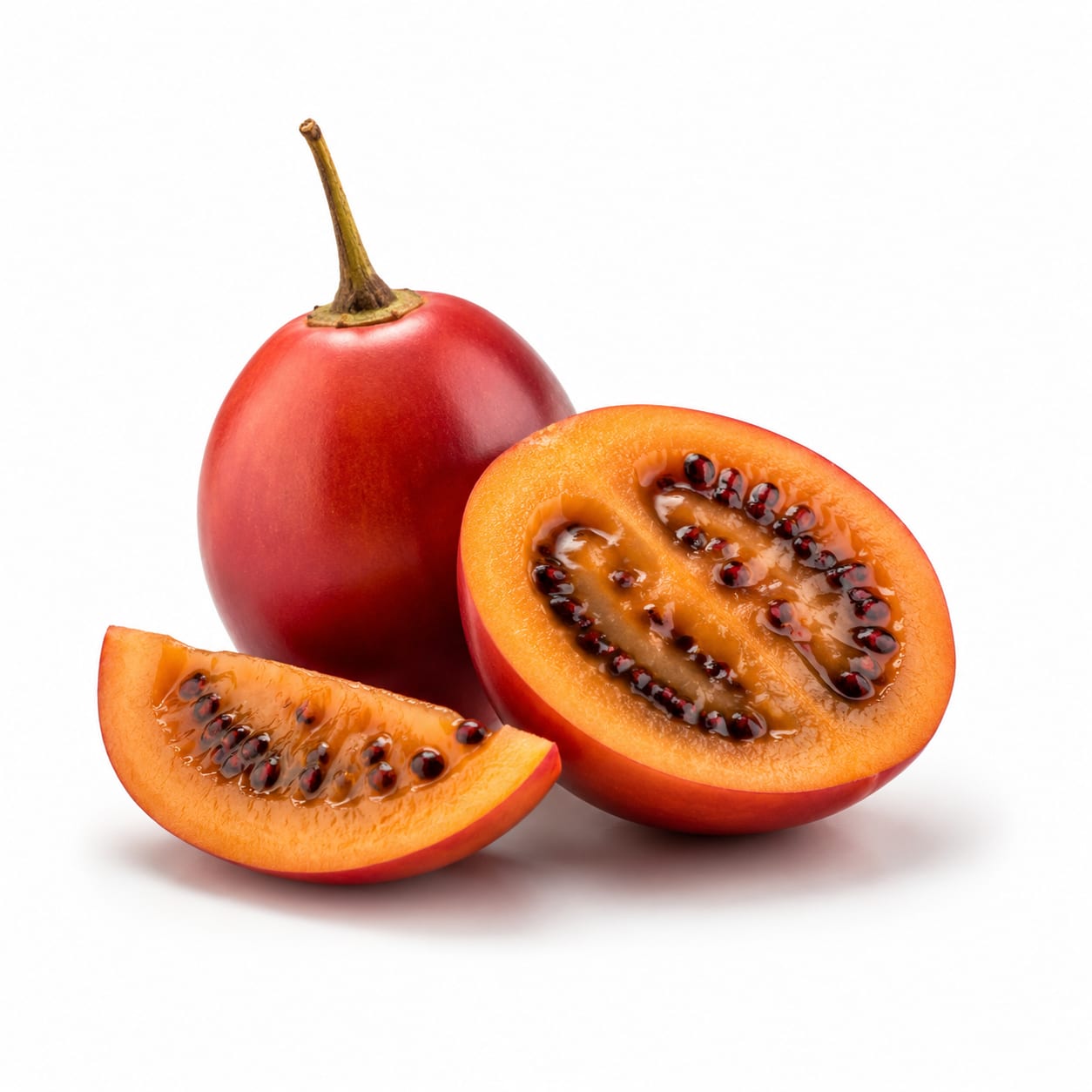
Tamarillo
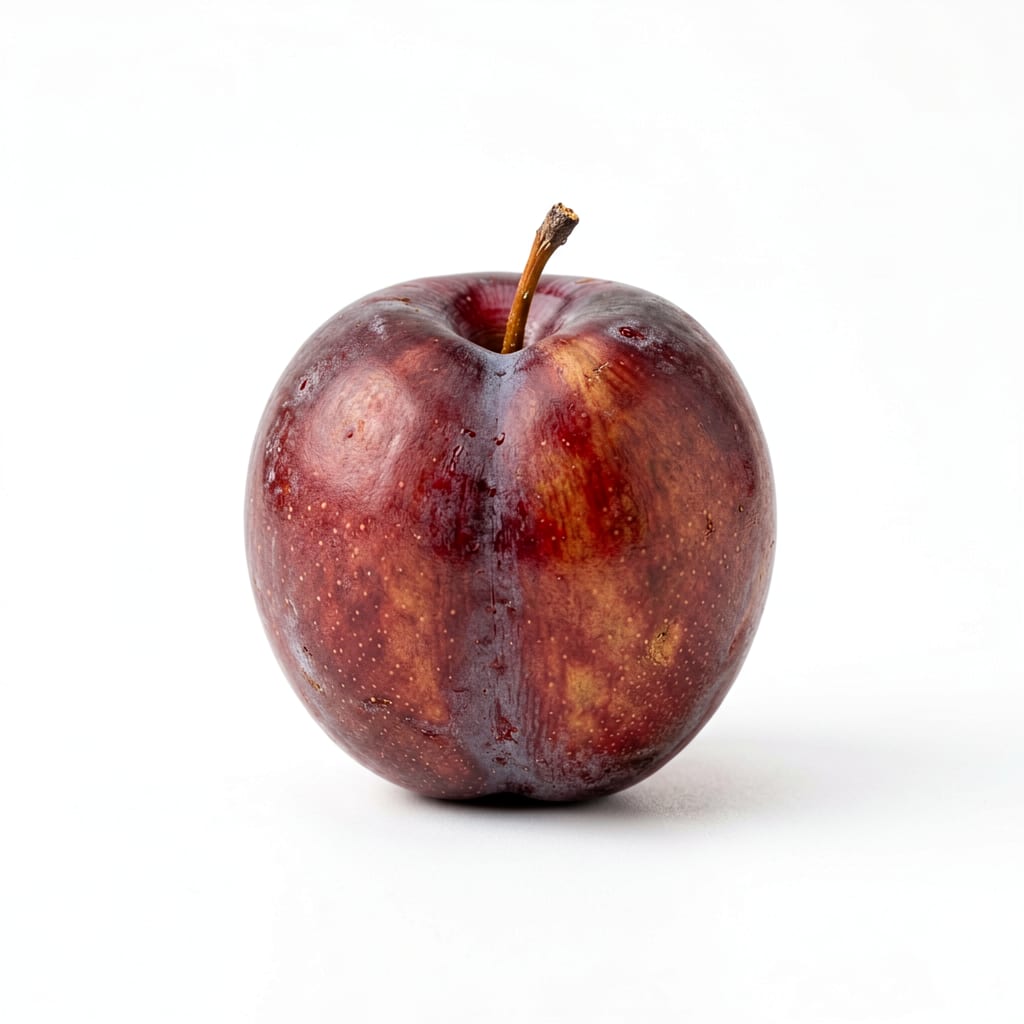
Plum
Tamarillo wins on nutrients and lower sugar, but Plum wins on convenience, taste accessibility, and digestive benefits.
Tamarillo edges ahead nutritionally with more vitamins A and C, more fiber, and less sugar per serving. Plum stays competitive through superior accessibility, digestive benefits, and everyday eating satisfaction. The close scores reflect that both are genuinely healthy whole fruits with different strengths.
Nutritional density and blood sugar favor Tamarillo, but Plum is dramatically easier to find, eat, and enjoy daily.
At a glance
Executive summary
Overall
It depends
Healthier
Tamarillo
More practical
Plum
Daily use
Plum
Key comparison lenses
sugar and blood sugar management
Tamarillo is notably lower in sugar than Plum, making glycemic impact a key differentiator
antioxidant and vitamin density
Both fruits offer distinct antioxidant profiles but Tamarillo delivers more vitamin A and vitamin C per serving
everyday practicality and accessibility
Plum is far more available and familiar, while Tamarillo requires specialty shopping
digestive health
Plum contains sorbitol which actively promotes bowel movements, while Tamarillo offers more fiber per gram
Best choice for
Tamarillo
- People managing blood sugar or reducing fruit sugar intake
- Those seeking maximum vitamin A and C from fruit
- Adventurous eaters wanting nutrient-dense tropical variety
Plum
- Anyone needing gentle, reliable digestive support
- People who want an affordable, widely available everyday fruit
- Kids and picky eaters who prefer sweet, familiar flavors
Least suitable for
Tamarillo
- People who cannot easily find specialty produce
- Anyone sensitive to tart or acidic flavors
- Children unaccustomed to unconventional fruits
Plum
- Those strictly limiting sugar even from whole fruit
- People with sorbitol sensitivity or IBS triggered by stone fruits
- Anyone seeking maximum vitamin A from a single fruit serving
Deep comparison
Dimension by dimension
Each lens scores both foods and breaks down who each option suits.
- Dimension 1 · Priority 88Tamarillo
sugar_and_blood_sugar_impact
Tamarillo · 82Plum · 62Tamarillo contains roughly half the sugar of Plum, making it gentler on blood sugar.
Tradeoff
You get steadier energy with Tamarillo but miss the satisfying sweetness that makes Plum such an easy snack.
Why it matters
For anyone watching glucose levels or trying to reduce sugar cravings, lower-sugar fruit helps avoid energy crashes.
Real-world impact
A Tamarillo mid-afternoon won't trigger the sugar spike-and-dip that a sweet Plum might, keeping hunger more stable until dinner.
Tamarillo
- People with prediabetes or insulin resistance
- Those reducing overall sugar including from fruit
- Anyone prone to afternoon energy crashes after sweet snacks
Better for
- Anyone who finds very tart fruit unappealing and ends up not eating fruit at all
Worse for
Plum
- Athletes needing quick natural sugar before or after exercise
- People trying to gain healthy weight who benefit from calorie density
Better for
- People who struggle with sugar cravings triggered by sweet foods
Worse for
- Dimension 2 · Priority 85Tamarillo
vitamin_and_antioxidant_density
Tamarillo · 86Plum · 68Tamarillo delivers significantly more vitamin A, vitamin C, and iron per serving than Plum.
Tradeoff
Plum provides different antioxidants like chlorogenic acid and anthocyanins that Tamarillo lacks, so variety wins over either alone.
Why it matters
Vitamin A supports eye health and immunity, while vitamin C aids iron absorption and skin repair. Getting more from a single fruit serving is genuinely useful.
Real-world impact
Eating Tamarillo regularly is like taking a mild natural multivitamin, especially for vitamin A, which many diets under-supply.
Tamarillo
- People with low vitamin A intake or poor night vision
- Anyone wanting to maximize nutrient density per calorie
- Vegetarians and vegans who benefit from iron-rich fruit
Better for
- Anyone expecting a sweet treat and disappointed by the savory-tart flavor profile
Worse for
Plum
- Those specifically seeking chlorogenic acid for metabolic benefits
- People who eat a varied diet and don't need one fruit to carry the nutritional load
Better for
- People relying on fruit as a primary vitamin A source
Worse for
- Dimension 3 · Priority 78It depends
digestive_health_and_fiber
Tamarillo · 76Plum · 78Tamarillo has more total fiber per gram, but Plum's sorbitol provides a well-known laxative effect.
Tradeoff
Tamarillo supports general gut health through fiber, while Plum actively stimulates bowel movements through sorbitol. Different mechanisms for different needs.
Why it matters
Constipation affects roughly 15% of adults, and Plum is one of the most reliable natural remedies. Tamarillo's fiber is great for prevention but less targeted.
Real-world impact
If you're constipated, Plum is the practical choice. If you want steady gut health without urgent bathroom trips, Tamarillo is smoother.
Tamarillo
- People wanting consistent daily fiber without laxative effects
- Those with IBS-D who need to avoid sorbitol triggers
Better for
- People actively seeking relief from constipation who need faster results
Worse for
Plum
- Anyone dealing with occasional constipation
- Older adults who benefit from gentle, predictable digestive stimulation
Better for
- Anyone with sorbitol sensitivity or diarrhea-predominant IBS
Worse for
- Dimension 4 · Priority 82Plum
accessibility_and_everyday_practicality
Tamarillo · 38Plum · 90Plum is available in nearly every grocery store worldwide. Tamarillo requires specialty or tropical markets.
Tradeoff
You can grab Plums anywhere, anytime. Tamarillo demands effort to source, which often means people simply don't eat them.
Why it matters
The healthiest food is the one you actually eat consistently. Availability directly impacts long-term dietary habits.
Real-world impact
A Plum you buy twice a week beats a Tamarillo you can't find and never eat. Convenience drives consistency.
Tamarillo
- People with access to farmers markets or tropical grocers
- Home gardeners in suitable climates who can grow their own
Better for
- Rural dwellers without specialty produce access
- Anyone unwilling to make extra shopping trips for one ingredient
Worse for
Plum
- Busy people who shop at standard supermarkets
- Anyone who travels and needs reliable fruit options everywhere
- Families who buy fruit in bulk at regular stores
Better for
- People bored with common fruits and seeking nutritional variety
Worse for
- Dimension 5 · Priority 75Plum
taste_and_eating_satisfaction
Tamarillo · 55Plum · 80Plum is sweet, juicy, and universally appealing. Tamarillo is tart, savory-adjacent, and an acquired taste.
Tradeoff
Tamarillo's bold flavor makes it exciting for culinary experimentation but limits casual snacking. Plum is an easy, satisfying eat-every-day fruit.
Why it matters
Taste drives repeat consumption. A fruit you enjoy eating daily provides more cumulative benefit than a superior one you avoid.
Real-world impact
Most people happily eat two Plums as a snack. Tamarillo often needs sugar, honey, or cooking to become palatable for many eaters.
Tamarillo
- Adventurous cooks who enjoy chutneys, salsas, and savory-sweet dishes
- People who love tart flavors and find sweet fruit cloying
Better for
- People who dislike sour or acidic flavors
- Anyone expecting a sweet fruit experience
Worse for
Plum
- Casual snackers who want grab-and-go fruit
- Kids and adults who prefer sweet, juicy fruit
- Anyone packing lunchbox fruit for work or school
Better for
- Culinary experimenters who find common fruit boring
Worse for
Timeline
Health impact over time
Short-term
Hours to days
Tamarillo
- Provides a noticeable vitamin C boost supporting immune function
- Low sugar content prevents energy spikes and crashes
- Tartness may cause mild mouth puckering or acid sensitivity
Plum
- Sorbitol can stimulate bowel movements within hours of eating
- Natural sugars provide quick energy for physical activity
- Hydrating due to high water content, especially when ripe
Long-term
Months to years
Tamarillo
- Consistent vitamin A intake supports eye health and immune resilience over years
- High fiber contributes to sustained gut microbiome diversity
- Lower sugar habit helps maintain insulin sensitivity compared to sweeter fruits
Plum
- Regular consumption supports bone density through vitamin K content
- Antioxidants like chlorogenic acid may reduce chronic disease risk over time
- Habitual sorbitol intake maintains digestive regularity in aging populations
Risk profile
Safety & processing
Both Tamarillo and Plum are whole, unprocessed fruits with no additive concerns when fresh. The only processing risk comes from dried Plums (prunes), which may contain preservatives, or canned Tamarillo products with added sugar. Fresh is best for both.
Tamarillo
Allergic cross-reactivity
lowRare but possible cross-reaction for people allergic to latex or other nightshade-family fruits
Pesticide residue on skin
mediumTamarillo skin can hold pesticide residues; washing thoroughly or peeling reduces exposure significantly
Plum
Pesticide residue
mediumConventional Plums frequently appear on EWG's Dirty Dozen list; choosing organic reduces exposure
Sorbitol overload
lowEating large quantities can cause bloating, gas, or diarrhea, especially in sensitive individuals
Cyanogenic compounds in pit
lowPlum pits contain amygdalin, which releases cyanide when crushed; accidental pit ingestion is harmless but avoid cracking and eating pits
Who wins for whom
Audience fit
Same foods, different winners depending on your goal.
children
PlumPlum's sweet taste and soft texture make it kid-friendly, while Tamarillo's tartness and unfamiliarity usually lead to rejection
daily consumption
PlumPlum's availability, taste, and digestive benefits make it easier to eat consistently every day, which matters more than marginal nutritional advantages
diabetes
TamarilloLower sugar and higher fiber give Tamarillo a gentler glycemic impact, making it safer for blood sugar management
elderly
PlumPlum's sorbitol effectively addresses age-related constipation, and its soft texture is easy to chew for dental concerns
muscle gain
PlumPlum provides quicker natural sugar for post-workout glycogen replenishment, though neither fruit is a significant protein source
weight loss
TamarilloTamarillo has fewer calories and less sugar per serving while providing more fiber, making it more satiating with less caloric impact
Your move
Decision guide
Choose Tamarillo
- You're managing blood sugar, prediabetes, or reducing sugar intake
- You can access Tamarillo easily and enjoy tart, bold flavors
- You want maximum vitamin A and C from each fruit serving
- You're cooking savory dishes, chutneys, or salsas where tartness shines
Choose Plum
- You want a reliable, affordable everyday fruit available anywhere
- You need gentle digestive support and regularity
- You're packing snacks for kids or picky eaters
- You prefer sweet, juicy fruit for casual snacking
Either works if
- You simply want more fruit variety in your diet
- You're healthy with no specific blood sugar or digestive concerns
- You enjoy both and can rotate them seasonally
Avoid both if
- You have a severe fructose intolerance or FODMAP sensitivity
- You're on a very low-carb or ketogenic diet limiting all fruit
- You have known allergies to stone fruits or nightshade-family foods
Final recommendation
Eat both when possible. Tamarillo is the nutritional powerhouse with less sugar and more vitamins, while Plum is the practical daily driver that keeps your digestion happy and your fruit bowl accessible. If forced to pick one for daily life, Plum wins on sustainability. If optimizing nutrition per bite, Tamarillo takes the lead.
Practical
Consumer tips
- 1
Choose organic Plums when possible, as conventional ones often carry significant pesticide residue
- 2
Peel Tamarillo skin if concerned about pesticides, or wash thoroughly under running water
- 3
Try Tamarillo sliced on toast with a drizzle of honey if the tartness is too intense alone
- 4
Don't eat more than three Plums at once if you're sensitive to sorbitol or prone to bloating
- 5
Freeze sliced Tamarillo for smoothies, it blends beautifully with banana to balance the tang
- 6
If you can't find fresh Tamarillo, look for it in Latin or specialty grocers, sometimes labeled as tree tomato