
Nutrition comparison
Tamarillo vs Persimmon: Which Fruit Is Healthier for You?
Compare Tamarillo and Persimmon nutrition — sugar, vitamin A, fiber, antioxidants, and more. Find out which fruit fits your health goals and taste preferences.
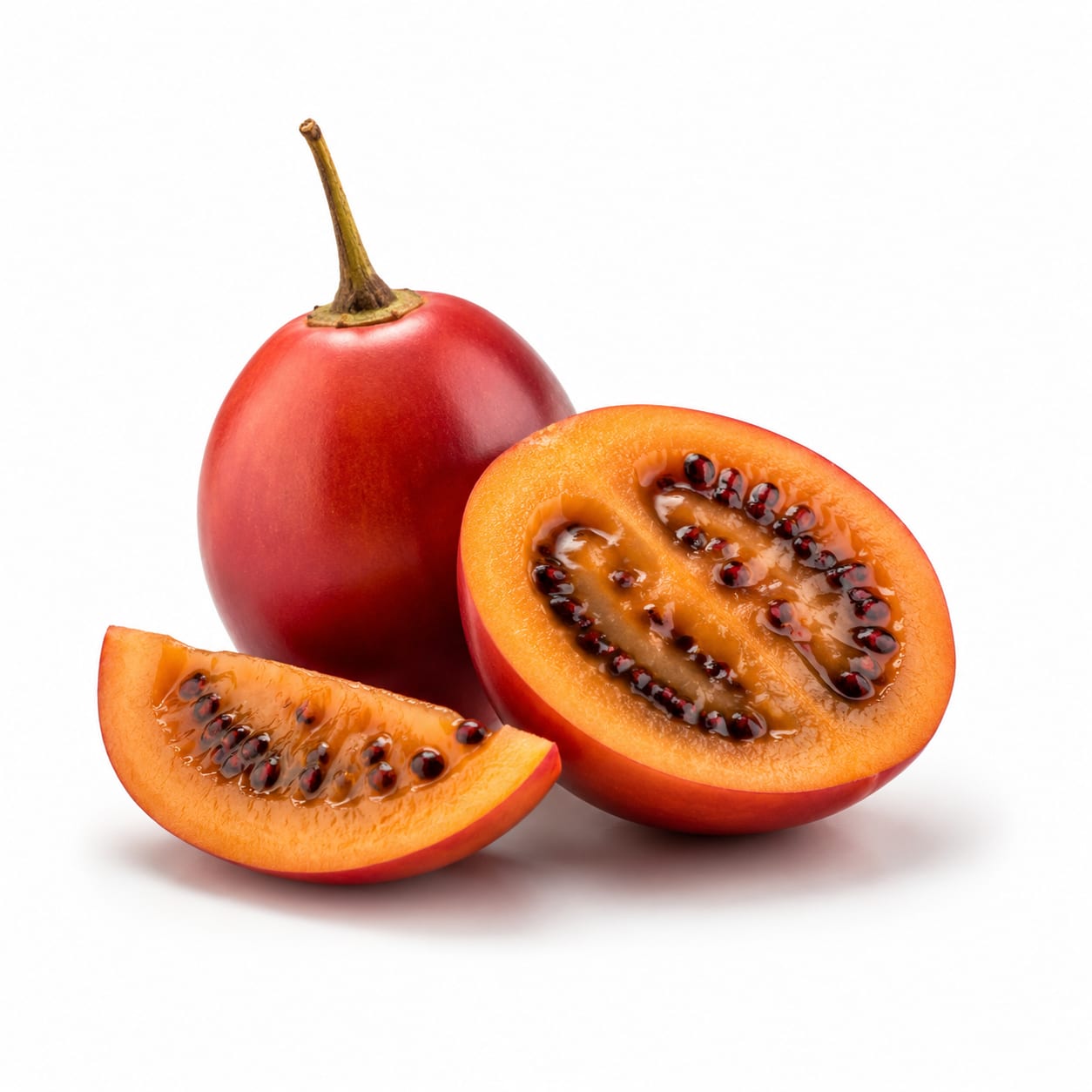
Tamarillo
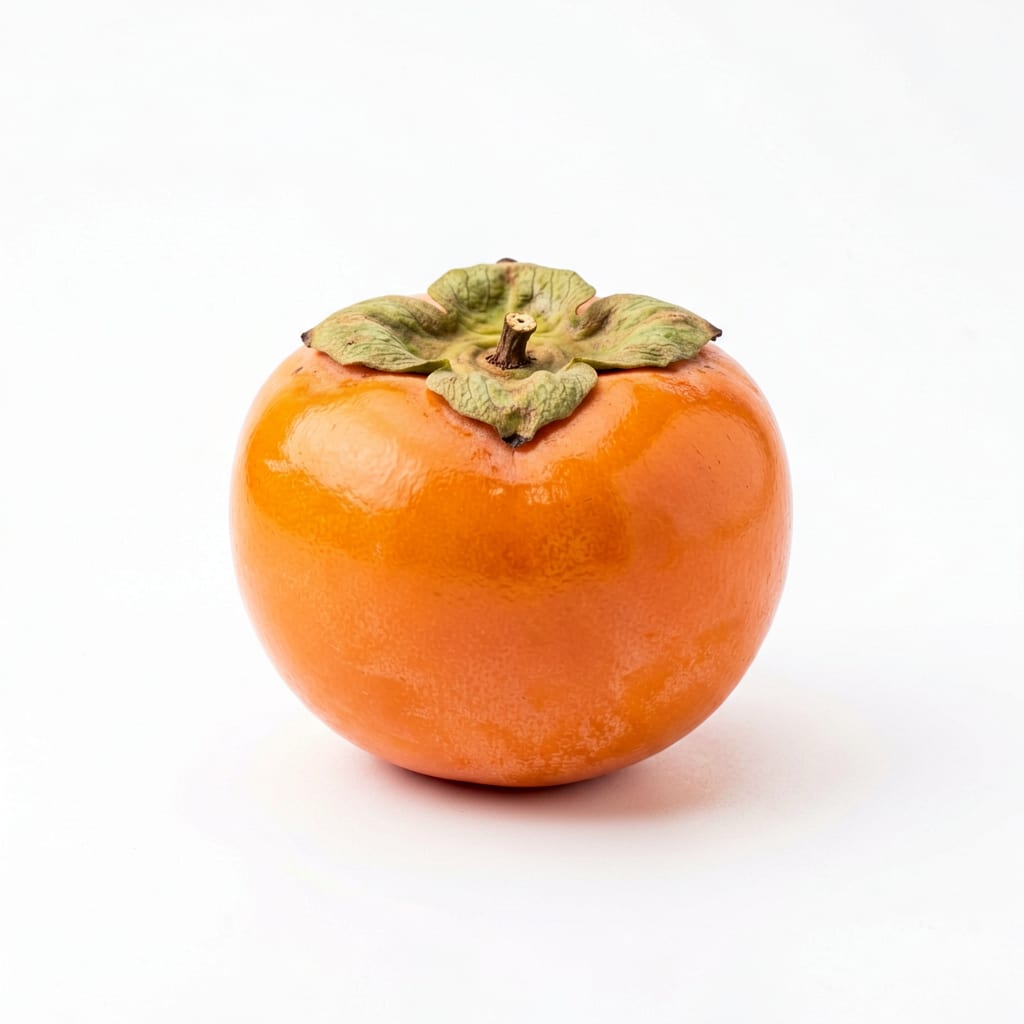
Persimmon
Persimmon delivers more vitamin A and fiber with a sweet, comforting flavor, while Tamarillo offers a lower-sugar, tangy alternative with broader culinary uses.
Persimmon edges ahead with superior vitamin A, fiber, and broader availability, but Tamarillo's lower sugar and culinary versatility keep it competitive. The right choice depends heavily on your health priorities and taste preferences.
Persimmon gives you more sweetness and eye-health nutrients but with higher sugar; Tamarillo gives you tangy flavor and steadier blood sugar but less vitamin A.
At a glance
Executive summary
Overall
It depends
Healthier
It depends
More practical
Persimmon
Daily use
Persimmon
Key comparison lenses
sugar content and glycemic impact
Persimmon is notably sweeter with higher sugar content, while Tamarillo offers a tangy, lower-sugar alternative — a key decision factor for blood sugar management
vitamin a and eye health
Persimmon is exceptionally rich in beta-carotene and vitamin A, far surpassing Tamarillo, making this a standout nutritional differentiator
antioxidant diversity
Both fruits offer distinct antioxidant profiles — Tamarillo with anthocyanins, Persimmon with lutein and zeaxanthin — relevant for long-term health choices
digestive tolerance and tannins
Unripe persimmons contain tannins that can cause digestive issues or even bezoars, while Tamarillo is gentler on digestion for most people
culinary versatility and availability
Persimmon is more widely available and eaten fresh, while Tamarillo is often used in cooking and chutneys, affecting practical daily use
Best choice for
Tamarillo
- People managing blood sugar or reducing fruit sugar intake
- Those wanting a savory-tangy fruit for cooking and sauces
- Anyone seeking vitamin C with less sweetness
- People who find very sweet fruits unappealing
Persimmon
- People wanting to boost vitamin A and eye-health nutrients
- Those seeking a sweet, satisfying dessert-like fruit
- Anyone needing more dietary fiber in an enjoyable form
- People looking for a widely available, easy-to-eat snack
Least suitable for
Tamarillo
- People who dislike tart or tangy flavors
- Those wanting a sweet, dessert-like fruit experience
- Anyone with limited access to specialty produce stores
Persimmon
- People strictly limiting sugar or managing diabetes
- Those with sensitive digestion who might encounter unripe fruit
- Anyone who has experienced persimmon-related digestive discomfort
Deep comparison
Dimension by dimension
Each lens scores both foods and breaks down who each option suits.
- Dimension 1 · Priority 92Tamarillo
sugar_and_blood_sugar_stability
Tamarillo · 82Persimmon · 55Tamarillo contains significantly less sugar, making it far gentler on blood sugar.
Tradeoff
You get steadier energy with Tamarillo but miss out on the satisfying sweetness Persimmon offers.
Why it matters
For anyone watching glucose levels or trying to avoid afternoon energy crashes, lower sugar fruit is a smarter daily choice.
Real-world impact
Tamarillo won't spike your blood sugar the way a ripe persimmon can, which means fewer cravings an hour later.
Tamarillo
- People with insulin resistance or prediabetes
- Those tracking daily sugar grams
- Anyone prone to energy crashes after sweet snacks
Better for
- Those wanting a sweet, dessert-like fruit
Worse for
Persimmon
- Athletes needing quick natural energy
- People with healthy blood sugar wanting a sweet treat
Better for
- People on low-sugar or keto-friendly diets
- Those who experience sugar-driven cravings
Worse for
- Dimension 2 · Priority 88Persimmon
vitamin_a_and_eye_health
Tamarillo · 35Persimmon · 95Persimmon is a vitamin A powerhouse, delivering far more beta-carotene than Tamarillo.
Tradeoff
Persimmon gives you exceptional eye-health support, while Tamarillo offers more vitamin C instead.
Why it matters
Vitamin A supports vision, immune function, and skin health — and most people don't get enough from their diet.
Real-world impact
Eating persimmon regularly is like giving your eyes and immune system a concentrated boost that Tamarillo simply can't match.
Tamarillo
- Those already getting ample vitamin A from other sources
Better for
- People relying on fruit as a primary vitamin A source
Worse for
Persimmon
- People wanting to support eye health naturally
- Those with limited vitamin A intake from other foods
- Anyone concerned about night vision or dry eyes
Better for
- Those with vitamin A excess concerns from supplements
Worse for
- Dimension 3 · Priority 78Persimmon
fiber_and_digestive_health
Tamarillo · 62Persimmon · 80Persimmon provides more fiber per serving, supporting better digestion and fullness.
Tradeoff
Persimmon's tannins in unripe fruit can actually cause digestive issues, creating a paradox where the higher-fiber option isn't always gentler.
Why it matters
Fiber keeps you full, supports gut health, and stabilizes digestion — but only if your stomach tolerates it well.
Real-world impact
A ripe persimmon gives you a filling, satisfying snack. An unripe one can leave your mouth puckered and your stomach unhappy.
Tamarillo
- People with sensitive digestion who want a safer bet
- Those who've had bad experiences with astringent persimmons
Better for
- People needing high fiber intake from fruit sources
Worse for
Persimmon
- People wanting more fiber to stay full longer
- Those who can reliably find or wait for fully ripe persimmons
Better for
- Anyone impatient with ripening who might eat unripe fruit
Worse for
- Dimension 4 · Priority 80It depends
antioxidant_diversity
Tamarillo · 75Persimmon · 78Both fruits offer valuable but different antioxidants — Tamarillo brings anthocyanins, Persimmon delivers lutein and zeaxanthin.
Tradeoff
Tamarillo's antioxidants support cardiovascular and anti-inflammatory pathways, while Persimmon's specifically target eye and cellular health.
Why it matters
Diverse antioxidant intake matters more than high amounts of any single type — both fruits contribute uniquely.
Real-world impact
Eating Tamarillo supports heart and blood vessel health, while Persimmon is more targeted at protecting your eyes from age-related damage.
Tamarillo
- People focused on cardiovascular protective nutrients
- Those wanting anti-inflammatory anthocyanin sources
Better for
- Those specifically seeking lutein and zeaxanthin
Worse for
Persimmon
- People prioritizing long-term eye health
- Those wanting lutein and zeaxanthin from whole foods
Better for
- Those wanting anthocyanin-rich purple/red fruit antioxidants
Worse for
- Dimension 5 · Priority 70Persimmon
practicality_and_availability
Tamarillo · 45Persimmon · 72Persimmon is more widely available in grocery stores and easier to eat fresh, while Tamarillo often requires specialty shops and is typically cooked.
Tradeoff
Persimmon is grab-and-go ready when ripe; Tamarillo usually needs peeling and is better suited for recipes than quick snacking.
Why it matters
The healthiest fruit is the one you actually eat regularly — convenience drives consistency.
Real-world impact
You can toss a persimmon in your bag for a snack. Tamarillo usually means planning a meal around it.
Tamarillo
- Home cooks who enjoy making chutneys, sauces, and salsas
- Those with access to specialty or international markets
Better for
- Anyone wanting quick, portable fruit snacks
- Those without access to specialty produce
Worse for
Persimmon
- Busy people wanting a ready-to-eat fruit
- Those who shop at conventional grocery stores
- People wanting a simple, no-prep snack
Better for
- People who find persimmon's texture unappealing when overripe
Worse for
- Dimension 6 · Priority 65Tamarillo
vitamin_c_and_immune_support
Tamarillo · 80Persimmon · 58Tamarillo provides more vitamin C per serving, supporting immune function and iron absorption.
Tradeoff
You get stronger immune support from Tamarillo, but Persimmon compensates with far more vitamin A.
Why it matters
Vitamin C is essential for immune resilience, collagen production, and absorbing plant-based iron — and it can't be stored in the body.
Real-world impact
If you feel a cold coming on, Tamarillo gives you a more concentrated vitamin C hit than persimmon.
Tamarillo
- People wanting to boost daily vitamin C intake
- Vegetarians needing help absorbing iron from plant foods
Better for
- People who already consume plenty of vitamin C rich foods
Worse for
Persimmon
- Those getting adequate vitamin C from other fruits and vegetables
Better for
- Those relying on a single fruit for immune-supporting nutrients
Worse for
Timeline
Health impact over time
Short-term
Hours to days
Tamarillo
- Tangy flavor may feel refreshing and energizing
- Lower sugar means no energy crash shortly after eating
- Vitamin C supports immediate immune activity
Persimmon
- Sweet flavor provides quick satisfaction and comfort
- High sugar can cause a brief energy spike followed by mild dip
- Astringent unripe fruit can cause mouth-puckering and stomach discomfort
Long-term
Months to years
Tamarillo
- Consistent low-sugar fruit intake supports better insulin sensitivity
- Anthocyanins may reduce cardiovascular risk over time
- Regular vitamin C intake supports skin elasticity and wound healing
Persimmon
- High vitamin A intake supports long-term vision preservation
- Lutein and zeaxanthin may protect against age-related macular degeneration
- Higher sugar content could contribute to insulin resistance if overconsumed
Risk profile
Safety & processing
Both Tamarillo and Persimmon are whole, unprocessed fruits with no additive concerns. Choose either and you're eating real food.
Tamarillo
Allergic reaction in nightshade-sensitive individuals
lowTamarillo belongs to the nightshade family, which can trigger reactions in rare cases for those with sensitivities.
Oxalate content
lowContains moderate oxalates, which may be a concern for people prone to kidney stones if consumed in large quantities.
Persimmon
Bezoar formation from unripe fruit
mediumUnripe astringent persimmons contain high tannin levels that can form bezoars — hard masses in the stomach — especially if eaten in quantity with other foods.
Digestive discomfort from tannins
mediumEven small amounts of unripe persimmon can cause mouth astringency, nausea, or stomach pain in sensitive individuals.
Who wins for whom
Audience fit
Same foods, different winners depending on your goal.
children
PersimmonPersimmon's sweet, mild flavor is more kid-friendly, while Tamarillo's tartness and culinary usage make it less appealing to most children.
daily consumption
PersimmonPersimmon's wider availability, ease of eating, and broader nutrient coverage make it more sustainable as a daily habit for most people.
diabetes
TamarilloLower sugar content and gentler blood sugar impact make Tamarillo the safer choice for glucose management.
elderly
PersimmonPersimmon's soft texture when ripe and high vitamin A content support aging eyes and easier chewing, though portion control matters for sugar.
muscle gain
PersimmonPersimmon provides more quick-digesting carbs that can support energy around workouts, though neither fruit is a significant protein source.
weight loss
TamarilloTamarillo's lower sugar and calorie content make it easier to fit into a calorie-controlled eating plan without triggering sugar-driven cravings.
Your move
Decision guide
Choose Tamarillo
- You're managing blood sugar, insulin resistance, or reducing sugar intake
- You enjoy tangy, savory flavors and cook with fruit
- You want a vitamin C boost without the sweetness of typical fruits
- You have access to Tamarillo and want something different from everyday options
Choose Persimmon
- You want to boost vitamin A and support eye health
- You prefer sweet, satisfying fruit as a snack or dessert
- You need more fiber in a form that's enjoyable to eat
- You want a fruit that's easy to find and eat on the go
Either works if
- You're looking for whole-food antioxidants and both are available
- You want variety in your fruit rotation and enjoy both flavor profiles
- You have no specific blood sugar or vitamin A concerns
Avoid both if
- You have a nightshade sensitivity and kidney stone concerns simultaneously
- You're on a very strict low-carb or ketogenic diet
- You can't reliably get either fruit fresh and ripe
Final recommendation
For most people, Persimmon is the more practical and nutrient-dense daily choice — especially for vitamin A and fiber. But if blood sugar management is your priority, or you love cooking with tangy fruit, Tamarillo is the smarter pick. The best approach? Alternate between both for complementary antioxidant coverage and flavor variety.
Practical
Consumer tips
- 1
With persimmons, wait until they feel like a water balloon before eating — fully ripe fruit loses its astringency and becomes sweet and custardy.
- 2
Tamarillo peels are bitter and should be removed — blanch in boiling water for 30 seconds and the skin slips off easily.
- 3
Fuyu persimmons are non-astringent and can be eaten crisp like an apple — great if you dislike the mushy texture of ripe Hachiya persimmons.
- 4
Tamarillo excels in savory dishes — try it in salsas, chutneys, or as a topping for grilled fish.
- 5
If you have diabetes and want persimmon, stick to small portions and pair with protein or fat to blunt the sugar spike.