
Nutrition comparison
Tamarillo vs Peach: Which Fruit Is Healthier for You?
Compare Tamarillo and Peach on sugar, vitamins, antioxidants, and digestion. Find out which fruit fits your health goals, diet, and lifestyle best.
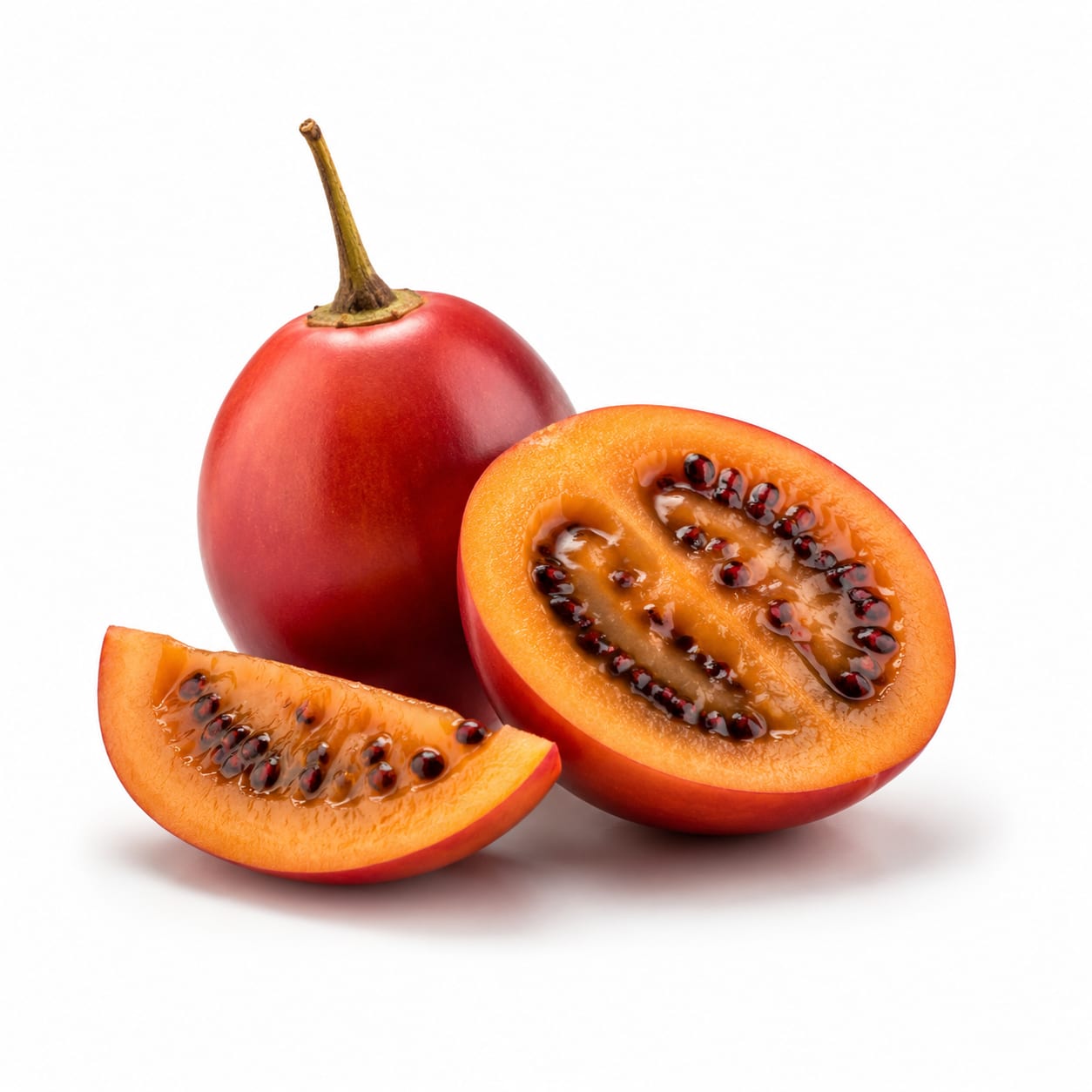
Tamarillo
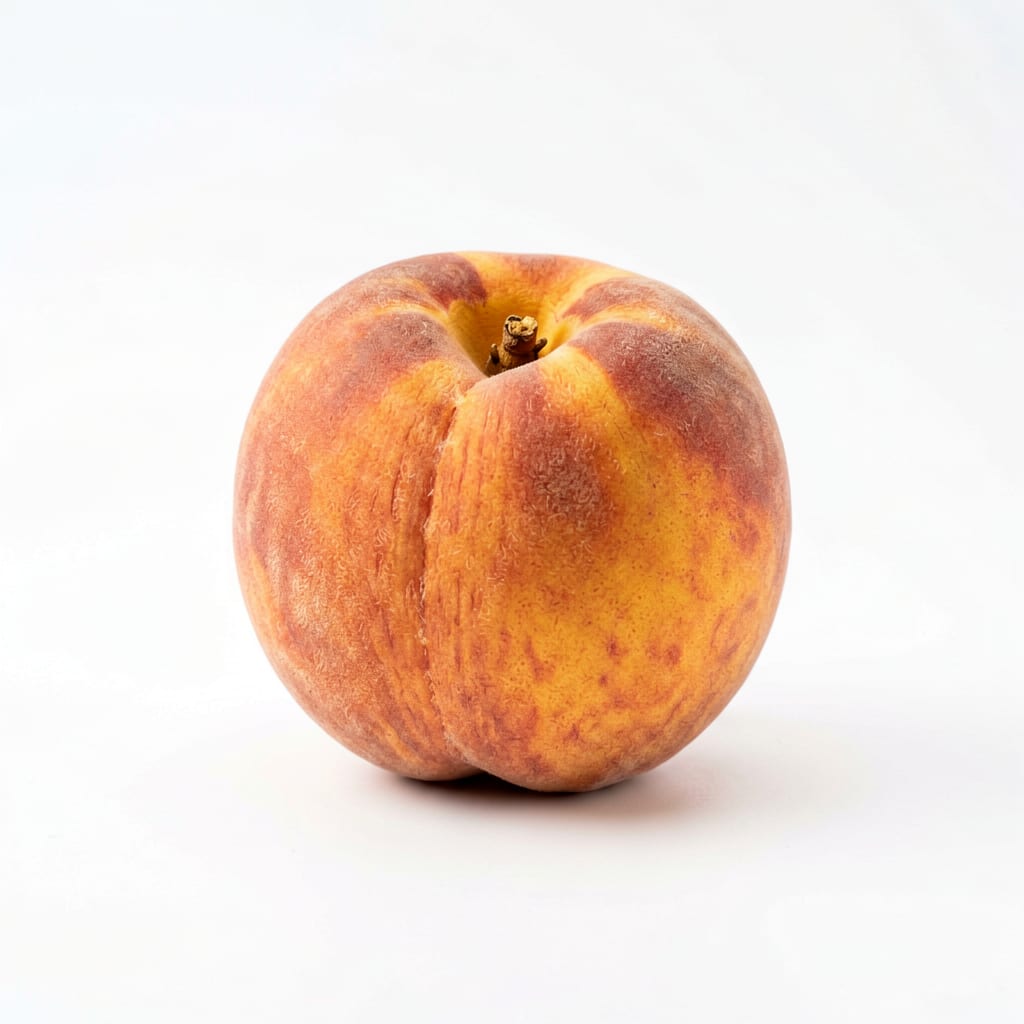
Peach
Tamarillo wins on nutrient density and lower sugar, but Peach wins on taste, availability, and everyday enjoyability.
Tamarillo edges ahead nutritionally with more vitamin C, vitamin A, iron, and less sugar. Peach stays competitive because its sweetness, softness, and availability make it far easier to eat consistently. Consistency often beats density in real-world health outcomes.
You gain more vitamins and antioxidants with Tamarillo but sacrifice the sweet comfort and easy access of Peach.
At a glance
Executive summary
Overall
It depends
Healthier
Tamarillo
More practical
Peach
Daily use
Peach
Key comparison lenses
antioxidant density and vitamin comparison
Tamarillo is notably richer in vitamin C, vitamin A, and anthocyanins, making this a key differentiator for health-conscious users
sugar content and blood sugar management
Tamarillo has significantly less sugar than Peach, which matters for diabetics and low-carb eaters
everyday practicality and availability
Peach is widely available and familiar, while Tamarillo is niche and harder to find, affecting real-world adherence
digestive tolerance and acidity sensitivity
Tamarillo is more acidic and may irritate sensitive stomachs, while Peach is gentler and easier to digest
weight management and calorie consciousness
Both are low-calorie, but Tamarillo's lower sugar and higher fiber make it slightly more favorable for weight loss
Best choice for
Tamarillo
- Low-sugar diets and diabetic meal plans
- Maximizing antioxidant and vitamin C intake
- Tropical fruit enthusiasts seeking variety
- Iron-deficient individuals needing plant-based sources
Peach
- Families wanting a kid-friendly fruit
- Easy snacking without preparation hassle
- Sensitive stomachs needing gentle, low-acid options
- Emotional eaters craving sweet comfort food
Least suitable for
Tamarillo
- People with acid reflux or GERD
- Children unaccustomed to tart flavors
- Shoppers with limited access to specialty stores
- Those who prioritize sweet, dessert-like fruits
Peach
- Strict low-sugar or keto dieters
- Those seeking maximum vitamin C per calorie
- People wanting novel flavors to break monotony
- Individuals needing high iron from fruit sources
Deep comparison
Dimension by dimension
Each lens scores both foods and breaks down who each option suits.
- Dimension 1 · Priority 92Tamarillo
antioxidant_and_vitamin_density
Tamarillo · 88Peach · 55Tamarillo delivers substantially more vitamin C, vitamin A, and anthocyanins per serving than Peach.
Tradeoff
You get more immune-boosting and anti-inflammatory compounds with Tamarillo, but its tartness makes it harder to eat in quantity.
Why it matters
Higher antioxidant intake supports immune resilience and reduces oxidative stress over time, especially during cold season or high-stress periods.
Real-world impact
Eating Tamarillo regularly could mean fewer sick days and better skin, but only if you actually enjoy it enough to keep eating it.
Tamarillo
- Immune support during winter months
- Anti-inflammatory diets for joint health
- Skin health through vitamin A and C synergy
Better for
- People who cannot tolerate tart flavors daily
- Those who would skip eating fruit rather than eat something sour
Worse for
Peach
- Casual fruit eaters who want some vitamins without intensity
- Smoothie bases where other ingredients add antioxidants
Better for
- Maximizing vitamin intake per calorie consumed
- Targeted antioxidant therapy for chronic inflammation
Worse for
- Dimension 2 · Priority 88Tamarillo
sugar_content_and_blood_sugar_stability
Tamarillo · 82Peach · 58Tamarillo contains roughly half the sugar of Peach, making it significantly friendlier for blood sugar management.
Tradeoff
Lower sugar means steadier energy with Tamarillo, but Peach's natural sweetness makes it more satisfying as a standalone snack.
Why it matters
Sugar spikes from sweeter fruits can trigger cravings and energy crashes, especially when eaten alone on an empty stomach.
Real-world impact
A Tamarillo mid-afternoon won't cause the energy dip that a Peach might, but the Peach will feel more like a treat you look forward to.
Tamarillo
- Diabetics monitoring glycemic load
- Low-carb eaters staying under 50g carbs daily
- Afternoon snackers avoiding energy crashes
Better for
- Anyone needing quick energy replenishment post-workout
- Children who need palatable fruit to develop healthy habits
Worse for
Peach
- Athletes needing quick natural sugar before training
- People trying to replace processed desserts with fruit
Better for
- Insulin-resistant individuals tracking every gram of sugar
- Those prone to sugar-triggered cravings and overeating
Worse for
- Dimension 3 · Priority 85Peach
availability_and_everyday_convenience
Tamarillo · 35Peach · 90Peach is available in nearly every grocery store worldwide, while Tamarillo requires specialty shops or online ordering in most regions.
Tradeoff
Peach is always there when you need it; Tamarillo requires planning and often costs more per serving.
Why it matters
The healthiest food is the one you actually eat consistently. Hard-to-find foods often get abandoned despite their nutritional edge.
Real-world impact
You can grab a Peach at any gas station or corner market. Finding a Tamarillo might mean a dedicated trip to a specialty grocer.
Tamarillo
- Adventurous cooks who enjoy seeking out new ingredients
- People living in regions where Tamarillo is locally grown
Better for
- Anyone living in areas without specialty grocers
- People who value grab-and-go convenience above all
Worse for
Peach
- Busy parents needing reliable fruit options year-round
- Travelers wanting consistent access to healthy snacks
- Budget-conscious shoppers avoiding premium produce
Better for
- Culinary explorers bored by familiar fruit options
Worse for
- Dimension 4 · Priority 78Peach
digestive_tolerance_and_comfort
Tamarillo · 50Peach · 82Peach is soft, sweet, and gentle on digestion, while Tamarillo's acidity can aggravate sensitive stomachs.
Tradeoff
Tamarillo's acidity stimulates digestion but can cause discomfort; Peach is soothing but less metabolically stimulating.
Why it matters
If a food causes bloating, heartburn, or discomfort, you won't keep eating it regardless of its nutrient profile.
Real-world impact
A Peach sits comfortably after dinner. A Tamarillo might trigger heartburn if eaten late or on an empty stomach.
Tamarillo
- People with sluggish digestion who benefit from acidic stimulation
- Those who eat fruit with meals rather than alone
Better for
- Anyone with active heartburn or esophageal sensitivity
- People with IBS triggered by acidic foods
Worse for
Peach
- GERD and acid reflux sufferers
- Elderly individuals with delicate digestion
- Late-night fruit eaters
Better for
- Those who want digestive stimulation from their fruit
Worse for
- Dimension 5 · Priority 72Peach
culinary_versatility_and_enjoyment
Tamarillo · 60Peach · 78Peach integrates easily into desserts, salads, smoothies, and breakfast bowls, while Tamarillo works best in specific chutneys, sauces, and savory dishes.
Tradeoff
Tamarillo shines in savory and exotic recipes, but Peach's sweet versatility makes it a more flexible everyday ingredient.
Why it matters
Fruit you can use multiple ways gets eaten more often and wasted less, improving both nutrition and food budget.
Real-world impact
You can toss Peach into yogurt, grill it, bake it, or eat it plain. Tamarillo usually needs peeling and pairing with complementary flavors.
Tamarillo
- Home cooks making chutneys, salsas, or savory glazes
- Fans of tangy, complex flavor profiles in cooking
Better for
- People who eat fruit plain and want simple enjoyment
- Those unfamiliar with cooking tropical fruits
Worse for
Peach
- Meal preppers wanting one fruit for multiple recipes
- Bakers and dessert makers
- Smoothie enthusiasts who prefer sweet bases
Better for
- Cooks looking for tart, savory fruit applications
Worse for
- Dimension 6 · Priority 70Tamarillo
mineral_content_and_micronutrients
Tamarillo · 78Peach · 52Tamarillo provides more iron, potassium, and magnesium per serving than Peach, supporting energy production and muscle function.
Tradeoff
Tamarillo's mineral edge is meaningful but modest; you would still need other foods to meet daily mineral needs from either fruit alone.
Why it matters
Iron deficiency is the world's most common nutrient shortfall, and every source counts, especially for plant-based eaters.
Real-world impact
Adding Tamarillo to a plant-based diet gives a small but real iron boost that Peach simply cannot match.
Tamarillo
- Vegans and vegetarians tracking iron intake
- Active individuals needing potassium for muscle recovery
- Women of reproductive age concerned about iron stores
Better for
- Anyone expecting fruit alone to solve mineral deficiencies
Worse for
Peach
- Those who get sufficient minerals from other dietary sources
- People prioritizing calcium-containing foods alongside fruit
Better for
- Plant-based eaters relying on fruit for iron contribution
Worse for
Timeline
Health impact over time
Short-term
Hours to days
Tamarillo
- Provides a noticeable vitamin C boost that supports immediate immune function
- The acidity may cause mild heartburn in sensitive individuals
- Tart flavor can feel refreshing and appetite-stimulating in hot weather
Peach
- Delivers quick natural energy from easily digested sugars
- Hydrating due to high water content, especially on hot days
- Gentle on the stomach, making it a safe choice when feeling unwell
Long-term
Months to years
Tamarillo
- Consistent intake supports lower systemic inflammation through anthocyanins
- Lower sugar load contributes to better insulin sensitivity over years
- Iron contribution helps maintain healthy ferritin levels in at-risk populations
Peach
- Regular consumption supports healthy skin through beta-carotene and vitamin C
- Potassium intake contributes to long-term blood pressure management
- High enjoyability factor promotes consistent fruit-eating habits, which matters more than any single nutrient
Risk profile
Safety & processing
Both Tamarillo and Peach are whole, unprocessed fruits with no additive concerns when purchased fresh. The main naturalness consideration is that Peaches appear on the EWG Dirty Dozen list for pesticide residues, so organic matters more for Peach than Tamarillo.
Tamarillo
Pesticide residue on imported Tamarillo
mediumTamarillo is often imported with less regulated pesticide standards. Washing thoroughly or choosing organic reduces exposure.
Allergic cross-reactivity
lowRare but possible cross-reaction for people allergic to latex or other nightshade-family fruits.
Peach
High pesticide residue
highPeaches consistently rank in the top 5 most pesticide-contaminated fruits. Organic is strongly recommended, especially for children.
Cyanogenic compounds in pit
lowThe Peach pit contains amygdalin, which releases cyanide when crushed. Accidental pit ingestion is harmless, but avoid cracking pits open.
Who wins for whom
Audience fit
Same foods, different winners depending on your goal.
children
PeachPeach is sweet, soft, and familiar, making it far more likely that children will actually eat it and develop positive fruit habits.
daily consumption
PeachPeach's wide availability, pleasant taste, and digestive comfort make it easier to eat every day without fatigue or inconvenience.
diabetes
TamarilloWith roughly half the sugar and more fiber, Tamarillo causes a smaller and slower blood sugar rise, making it safer for glucose management.
elderly
PeachPeach is gentle on aging digestive systems, easy to chew, and its potassium supports blood pressure management common in older adults.
muscle gain
PeachPeach provides quicker-digesting carbs that support post-workout glycogen replenishment, and its potassium aids muscle recovery.
weight loss
TamarilloTamarillo has fewer calories per serving and less sugar, making it easier to fit into a calorie deficit without triggering cravings.
Your move
Decision guide
Choose Tamarillo
- You are managing blood sugar or following a low-carb approach
- You want maximum vitamin C and antioxidant bang per calorie
- You enjoy tart, complex flavors and have access to specialty produce
- You are plant-based and need extra iron from fruit sources
Choose Peach
- You want a reliable, everyday fruit you can find anywhere
- You have acid sensitivity or GERD and need gentle foods
- You are feeding children or picky eaters who prefer sweet fruit
- You need quick natural energy before or after exercise
Either works if
- You simply want to add more whole fruit to your diet
- You are rotating fruits for microbiome diversity
- You have no specific health restrictions and enjoy both flavors
Avoid both if
- You have a fructose intolerance or malabsorption condition
- You are on a strict ketogenic diet keeping carbs under 20g daily
- You have oral allergy syndrome triggered by stone fruits or nightshades
Final recommendation
Eat Tamarillo when you can find it and want a nutrient-dense, low-sugar boost. Eat Peach when you need something comforting, convenient, and universally enjoyable. The best approach is rotating both for variety, choosing organic Peaches to avoid pesticide exposure, and pairing Tamarillo with a fat or protein source to buffer its acidity.
Practical
Consumer tips
- 1
Always choose organic Peaches to avoid high pesticide residues, especially if feeding children
- 2
Peel Tamarillo before eating by blanching in hot water for 30 seconds, then slipping off the skin
- 3
Pair Tamarillo with a handful of nuts or cheese to reduce acid impact on your stomach
- 4
Freeze sliced Peaches in summer when they are peak quality and cheapest for year-round smoothies
- 5
Add Tamarillo to savory dishes like stews and salsas where its tartness replaces added sugar or vinegar
- 6
If new to Tamarillo, start with half a fruit to test your tolerance before committing to a full serving