
Nutrition comparison
Tamarillo vs Passionfruit: Nutrition, Sugar, and Health Comparison
Tamarillo has far fewer calories and sugar than Passionfruit, but Passionfruit delivers significantly more fiber, iron, and vitamin A. Compare these tropical fruits to find which fits your health goals.
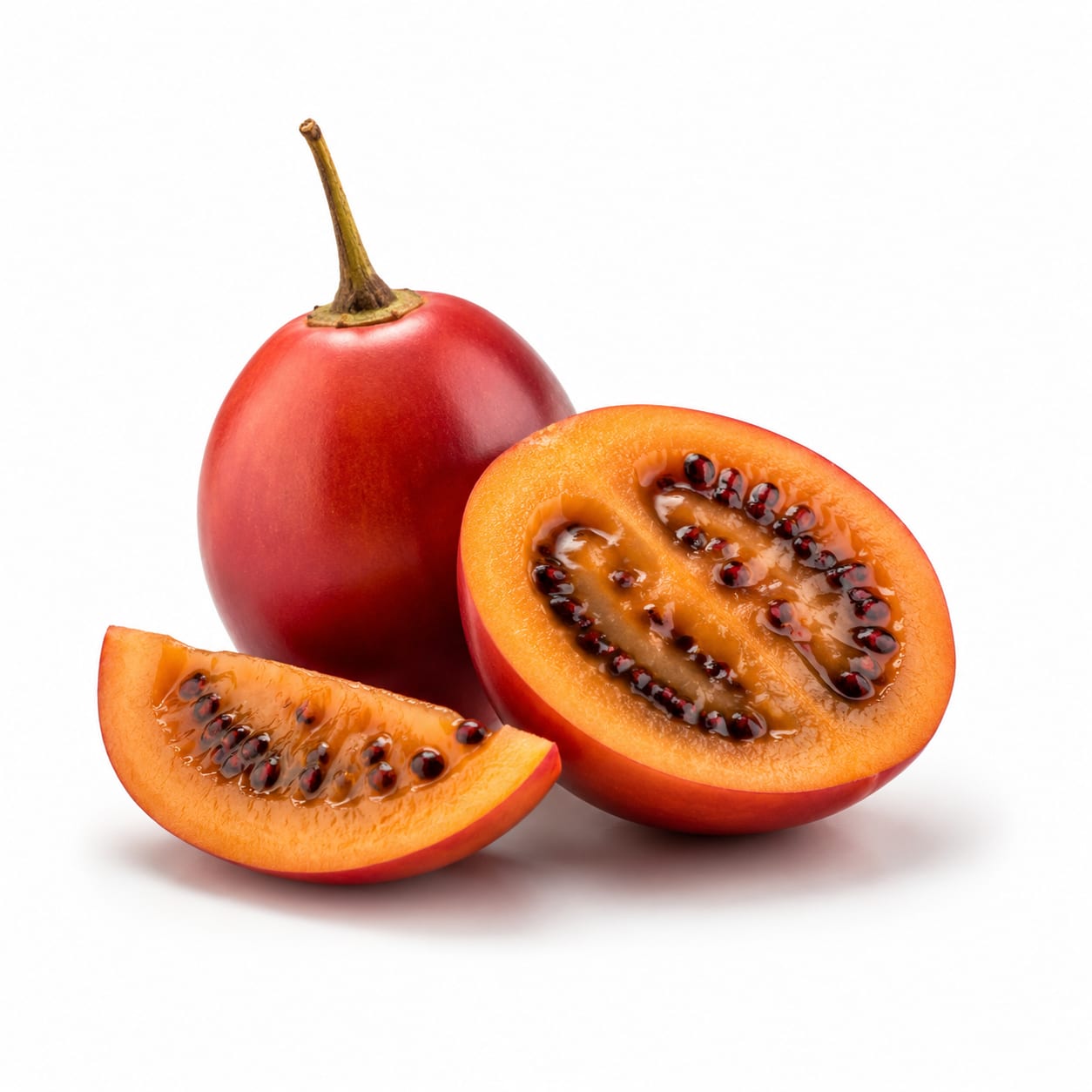
Tamarillo
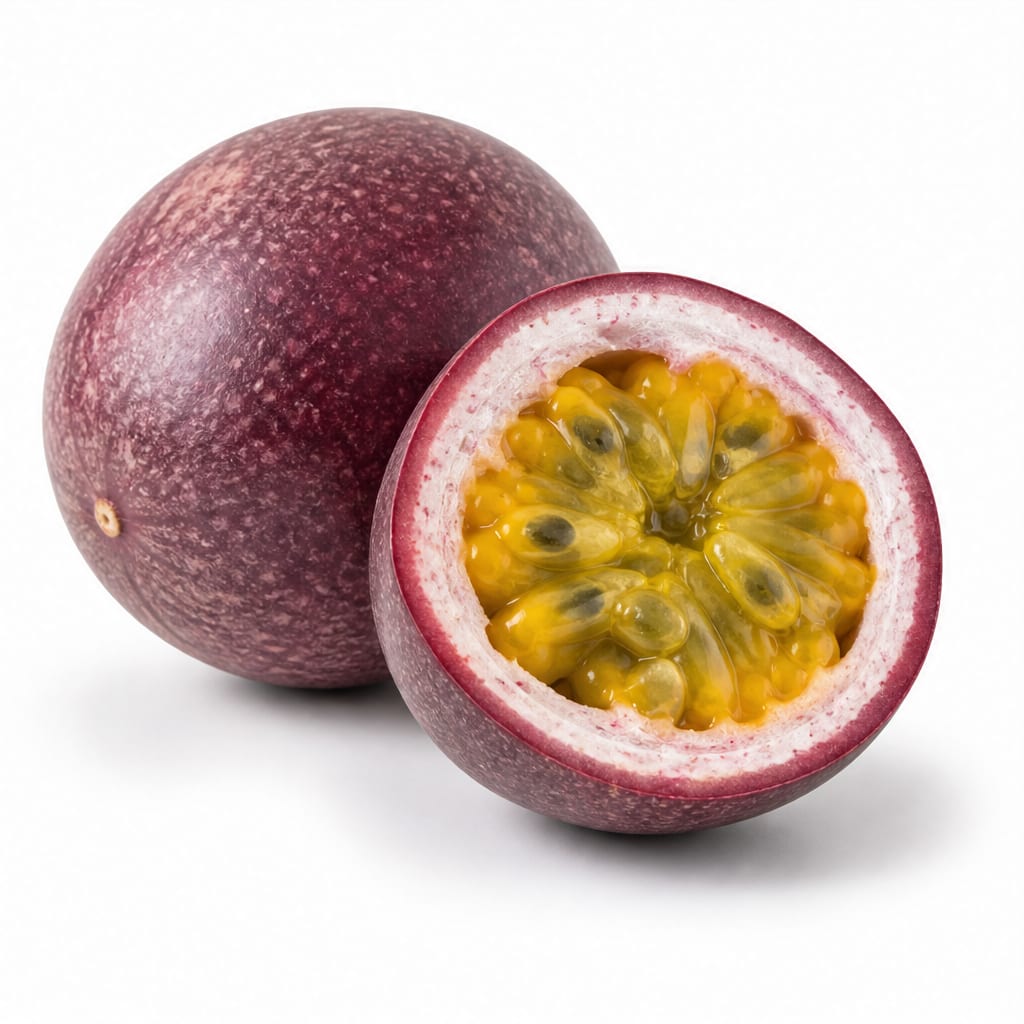
Passionfruit
Tamarillo is the lighter, lower-sugar choice; Passionfruit is the more nutrient-dense, fiber-rich option. Your pick depends on whether you're watching calories or maximizing nutrition per serving.
Passionfruit edges ahead on nutrient density and fiber, but Tamarillo's dramatically lower sugar and calorie content keeps it competitive. The close scores reflect that neither is universally better—each shines for different goals.
Tamarillo gives you a tart, low-calorie fruit experience with modest fiber. Passionfruit costs more calories but rewards you with exceptional fiber, iron, and vitamin A.
At a glance
Executive summary
Overall
It depends
Healthier
It depends
More practical
Passionfruit
Daily use
Tamarillo
Key comparison lenses
sugar and calorie consciousness
Passionfruit has nearly triple the calories and sugar of Tamarillo, making this the most impactful difference for most users
fiber and digestive health
Passionfruit delivers dramatically more fiber, especially if you eat the seeds, which changes satiety and gut health outcomes
blood sugar management
The large gap in sugar content makes this comparison highly relevant for anyone monitoring glucose
micronutrient density
Both fruits offer distinct micronutrient profiles—Passionfruit leads in iron and vitamin A, while Tamarillo offers more vitamin C per calorie
culinary and accessibility practicality
Passionfruit is far easier to find in stores, while Tamarillo remains specialty and seasonal in most regions
Best choice for
Tamarillo
- Low-carb and keto-adjacent eaters
- Calorie counters wanting tropical flavor without the sugar load
- People managing blood sugar or insulin resistance
- Those who prefer savory-tart flavors over sweet
Passionfruit
- Anyone needing more fiber and gut health support
- Iron-deficient individuals seeking plant-based iron sources
- People who want maximum micronutrients per serving
- Those unconcerned about calorie density and wanting richer flavor
Least suitable for
Tamarillo
- Those seeking high fiber intake from fruit
- People wanting sweet, dessert-like fruit experiences
- Anyone with limited access to specialty produce stores
Passionfruit
- Strict low-carb dieters
- Calorie-restricted eaters who struggle with portion control
- Those sensitive to high-sugar fruits
Deep comparison
Dimension by dimension
Each lens scores both foods and breaks down who each option suits.
- Dimension 1 · Priority 92Tamarillo
sugar_and_calorie_load
Tamarillo · 88Passionfruit · 45Tamarillo contains roughly one-third the calories and sugar of Passionfruit, making it far more blood-sugar-friendly.
Tradeoff
You get a lighter, more tart eating experience with Tamarillo, but miss out on the rich sweetness that makes Passionfruit satisfying as a dessert substitute.
Why it matters
For anyone tracking carbs, managing diabetes, or trying to lose weight, this difference is decisive. Passionfruit's 11g of sugar per 100g adds up quickly if you eat more than a small portion.
Real-world impact
A Tamarillo snack won't spike your blood sugar or trigger cravings. Passionfruit can feel like a treat but may leave you wanting more sweets shortly after.
Tamarillo
- Steady energy without sugar crashes
- Easier to fit into low-carb meal plans
- Less likely to trigger overeating
Better for
- May feel too tart or unsatisfying as a sweet treat
- Less energy available for high-activity days
Worse for
Passionfruit
- More satisfying as a standalone sweet snack
- Better for athletes needing quick carbs post-workout
Better for
- Easy to overconsume if eating multiple fruits
- Can spike blood sugar more sharply
Worse for
- Dimension 2 · Priority 88Passionfruit
fiber_and_gut_health
Tamarillo · 48Passionfruit · 92Passionfruit delivers roughly 10g of fiber per 100g—exceptional for any fruit. Tamarillo provides a modest 2-3g.
Tradeoff
Passionfruit's fiber comes largely from its seeds, which some people find unpleasant to eat. Tamarillo's lower fiber means less digestive bulk but also less texture annoyance.
Why it matters
Fiber is the single most underconsumed nutrient in most diets. Passionfruit is one of the best fruit sources available and can meaningfully move your daily intake.
Real-world impact
Eating Passionfruit with the seeds helps you feel full longer and supports regular digestion. Tamarillo won't move the needle much on fiber goals.
Tamarillo
- Easier to eat for people with sensitive digestion
- Smoother texture if you strain out seeds
Better for
- Contributes little toward daily fiber needs
- Less satiety from a single serving
Worse for
Passionfruit
- Significantly better for daily fiber targets
- More filling and satiating per serving
- Supports healthier gut microbiome over time
Better for
- Seeds can be irritating for some digestive conditions
- Texture may be off-putting if you dislike crunch in soft fruit
Worse for
- Dimension 3 · Priority 80Passionfruit
micronutrient_density
Tamarillo · 65Passionfruit · 82Passionfruit wins on iron, vitamin A, and several B vitamins. Tamarillo offers more vitamin C per calorie and decent potassium.
Tradeoff
Passionfruit's micronutrient advantage comes packaged with more sugar. Tamarillo gives you cleaner vitamin C delivery with fewer metabolic costs.
Why it matters
Iron deficiency is common, especially in women, and Passionfruit is a rare fruit source. Vitamin A supports eye health and immune function more potently than most tropical fruits.
Real-world impact
If you're anemic or borderline deficient in iron, Passionfruit is genuinely helpful. Tamarillo is better if you just want immune support without the sugar.
Tamarillo
- More vitamin C per calorie for immune support
- Lower sugar burden while still getting antioxidants
Better for
- Less impactful for addressing nutrient deficiencies
- Vitamin A content is minimal
Worse for
Passionfruit
- Meaningful iron content rare in fruits
- Much higher vitamin A for eye and skin health
- Richer in niacin and riboflavin for energy metabolism
Better for
- Higher calorie cost per micronutrient benefit
Worse for
- Dimension 4 · Priority 72It depends
antioxidant_profile
Tamarillo · 75Passionfruit · 78Both fruits offer strong but different antioxidants. Red Tamarillo is rich in anthocyanins; Passionfruit provides polyphenols and carotenoids.
Tradeoff
Tamarillo's anthocyanins are particularly good for vascular health. Passionfruit's carotenoids better support skin and eye protection.
Why it matters
Antioxidant diversity matters more than quantity. Eating both would be ideal, but if choosing one, consider what system you want to support most.
Real-world impact
Regular Tamarillo consumption may help blood vessel flexibility. Passionfruit may offer more visible skin benefits over time.
Tamarillo
- Anthocyanins support cardiovascular health
- Deeper color in red varieties signals potent antioxidants
Better for
- Less carotenoid content for eye and skin health
Worse for
Passionfruit
- Carotenoids protect skin from UV damage
- Polyphenol mix supports broader anti-inflammatory effects
Better for
- Fewer anthocyanins unless you eat purple varieties
Worse for
- Dimension 5 · Priority 70Passionfruit
accessibility_and_convenience
Tamarillo · 35Passionfruit · 75Passionfruit is widely available in most grocery stores year-round. Tamarillo is specialty, seasonal, and harder to source.
Tradeoff
You can act on a Passionfruit decision today. Tamarillo may require specialty stores, online ordering, or waiting for seasonal availability.
Why it matters
The healthiest food is the one you can actually buy and eat consistently. Availability often trumps nutritional nuance in real-world outcomes.
Real-world impact
Passionfruit can become a regular grocery item. Tamarillo is more of an occasional discovery for most people.
Tamarillo
- More novel and interesting for culinary exploration
- Longer shelf life when whole and uncut
Better for
- Hard to find outside specialty or international markets
- Unfamiliar to most people, requiring education on how to eat it
Worse for
Passionfruit
- Available in most supermarkets year-round
- Easier to incorporate into daily routines
- More recipes and usage guidance available online
Better for
- Shorter shelf life once ripe
- Can be expensive per serving in some regions
Worse for
- Dimension 6 · Priority 65It depends
culinary_versatility
Tamarillo · 70Passionfruit · 72Tamarillo works well in savory dishes, chutneys, and sauces. Passionfruit excels in desserts, drinks, and breakfast bowls.
Tradeoff
Tamarillo's tartness makes it a unique savory ingredient. Passionfruit's sweetness and aroma make it more versatile for sweet applications.
Why it matters
If you cook creatively, Tamarillo opens unique flavor possibilities. If you want easy everyday additions to yogurt or smoothies, Passionfruit is simpler.
Real-world impact
Tamarillo can replace tomatoes in some cooked dishes for a tropical twist. Passionfruit instantly upgrades a plain yogurt bowl.
Tamarillo
- Unusual savory applications most fruits can't match
- Works in chutneys, salsas, and meat glazes
Better for
- Too tart for most sweet recipes without added sugar
- Limited recipe resources available
Worse for
Passionfruit
- Effortless addition to smoothies, desserts, and breakfast
- Aromatic quality enhances drinks and cocktails
Better for
- Doesn't work in savory contexts
- Sweetness limits use in low-sugar cooking
Worse for
Timeline
Health impact over time
Short-term
Hours to days
Tamarillo
- Low sugar means no energy crash after eating
- Tart flavor can feel refreshing and appetite-suppressing
- Modest fiber won't cause bloating or digestive discomfort
Passionfruit
- Higher sugar provides quick energy but may cause a mild crash
- Significant fiber intake promotes immediate fullness
- Seeds may cause mild digestive irritation if you're not used to high-fiber foods
Long-term
Months to years
Tamarillo
- Consistent low-sugar fruit choice supports better insulin sensitivity
- Anthocyanin intake may reduce cardiovascular risk markers
- Easier to maintain calorie deficit for weight management
Passionfruit
- High fiber intake supports long-term gut microbiome diversity
- Iron and vitamin A content helps prevent deficiency-related conditions
- Carotenoid consumption may protect against age-related eye decline
Risk profile
Safety & processing
Both Tamarillo and Passionfruit are whole, unprocessed fruits you eat directly from the skin. Neither raises processing concerns when purchased fresh. Watch for added sugars in packaged passionfruit pulp or tamarillo preserves.
Tamarillo
Allergic cross-reactivity
lowTamarillo belongs to the nightshade family. People with sensitivities to tomatoes or eggplant may experience mild reactions, though this is uncommon.
Pesticide residue
lowTamarillo skin can retain pesticide residues. Washing thoroughly or peeling eliminates most concern. Organic options are preferable but rare.
Passionfruit
Allergic reactions
lowPassionfruit allergy exists but is rare. Some people react to the latex in the rind, not the pulp itself.
Pesticide residue on skin
lowThe thick rind protects the edible pulp well. Pesticide exposure from the fruit itself is minimal since you discard the skin.
Choking hazard from seeds
lowThe crunchy seeds are generally safe but could pose a minor choking risk for young children or elderly individuals with swallowing difficulties.
Who wins for whom
Audience fit
Same foods, different winners depending on your goal.
children
PassionfruitPassionfruit's sweeter taste and familiar flavor profile make it more appealing to kids. The seeds add fun texture. Monitor for choking risk in very young children.
daily consumption
TamarilloTamarillo's lower sugar load makes it more sustainable as a daily fruit without cumulative calorie or fructose concerns. Passionfruit is better enjoyed a few times per week.
diabetes
TamarilloSignificantly lower sugar and glycemic impact make Tamarillo the safer choice for blood sugar management, though both can fit in moderation.
elderly
PassionfruitPassionfruit's higher iron, vitamin A, and fiber address common elderly nutritional gaps. The soft pulp is easy to eat, though seeds may need straining for those with dental issues.
muscle gain
PassionfruitPassionfruit provides more calories, carbs for glycogen replenishment, and slightly more protein per serving—marginal but relevant for active people.
weight loss
TamarilloTamarillo's low calorie and sugar content make it easier to fit into a calorie deficit without triggering cravings or blood sugar spikes.
Your move
Decision guide
Choose Tamarillo
- You're counting calories or carbs and want tropical flavor without the sugar cost
- You have blood sugar concerns or insulin resistance
- You enjoy tart, savory-leaning flavors and want to experiment in the kitchen
- You eat fruit daily and want a low-impact option for regular consumption
Choose Passionfruit
- You need more fiber in your diet and want it from a delicious source
- You're not worried about calories and want maximum nutrient density
- You're iron-deficient or want plant-based iron support
- You want an easy, sweet addition to breakfasts, smoothies, or desserts
Either works if
- You want antioxidant diversity and can alternate between both
- You're generally healthy and just want to enjoy tropical fruits
- You're looking for whole-food alternatives to processed snacks
Avoid both if
- You have a known allergy to either fruit or their plant families
- You're on a very strict very-low-carb diet and can't afford any fruit sugar
Final recommendation
If you can find Tamarillo, it's the smarter everyday fruit—lower sugar, lower calories, and gentle on blood sugar. But Passionfruit's fiber and micronutrient punch makes it the better choice a few times a week, especially if you need digestive support or iron. Ideally, rotate both for complementary benefits.
Practical
Consumer tips
- 1
Choose red Tamarillo varieties for higher anthocyanin content over amber or yellow ones
- 2
Peel Tamarillo by blanching in hot water for 30 seconds—the skin slides off easily
- 3
Eat Passionfruit seeds for the fiber benefit; straining the pulp removes most of the nutritional value
- 4
Passionfruit is fully ripe when the skin is wrinkled and slightly shriveled—smooth skin means it's underripe
- 5
Store both fruits in the refrigerator once ripe to extend shelf life by several days
- 6
Freeze Passionfruit pulp in ice cube trays for easy smoothie additions that last months
- 7
If Tamarillo is unavailable, a mix of tomato and lime can approximate its savory-tart flavor in cooking