
Nutrition comparison
Tamarillo vs Papaya: Nutrition, Sugar, and Digestion Compared
Discover the nutritional differences between Tamarillo and Papaya. Compare sugar content, digestive benefits, and which tropical fruit is better for your diet.
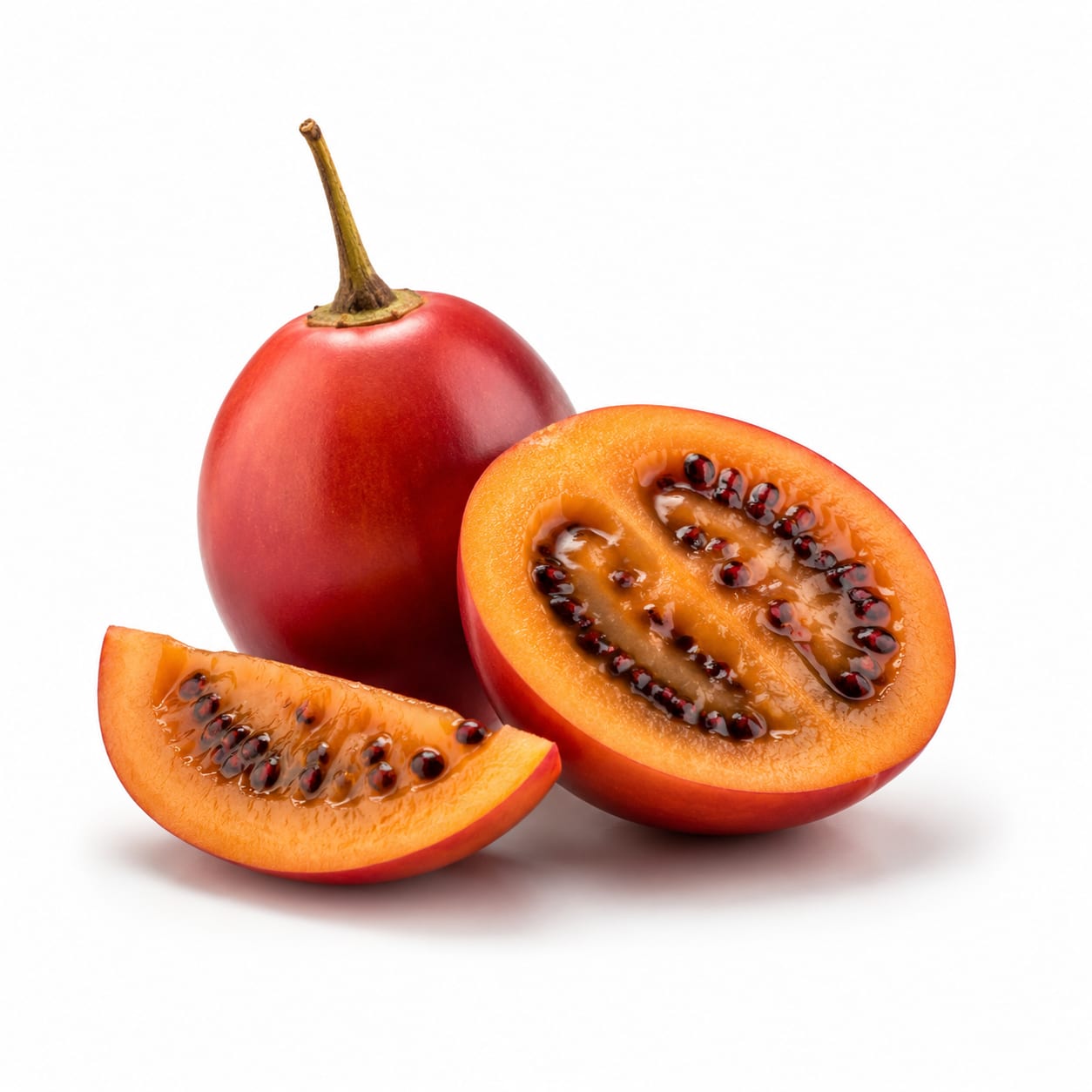
Tamarillo
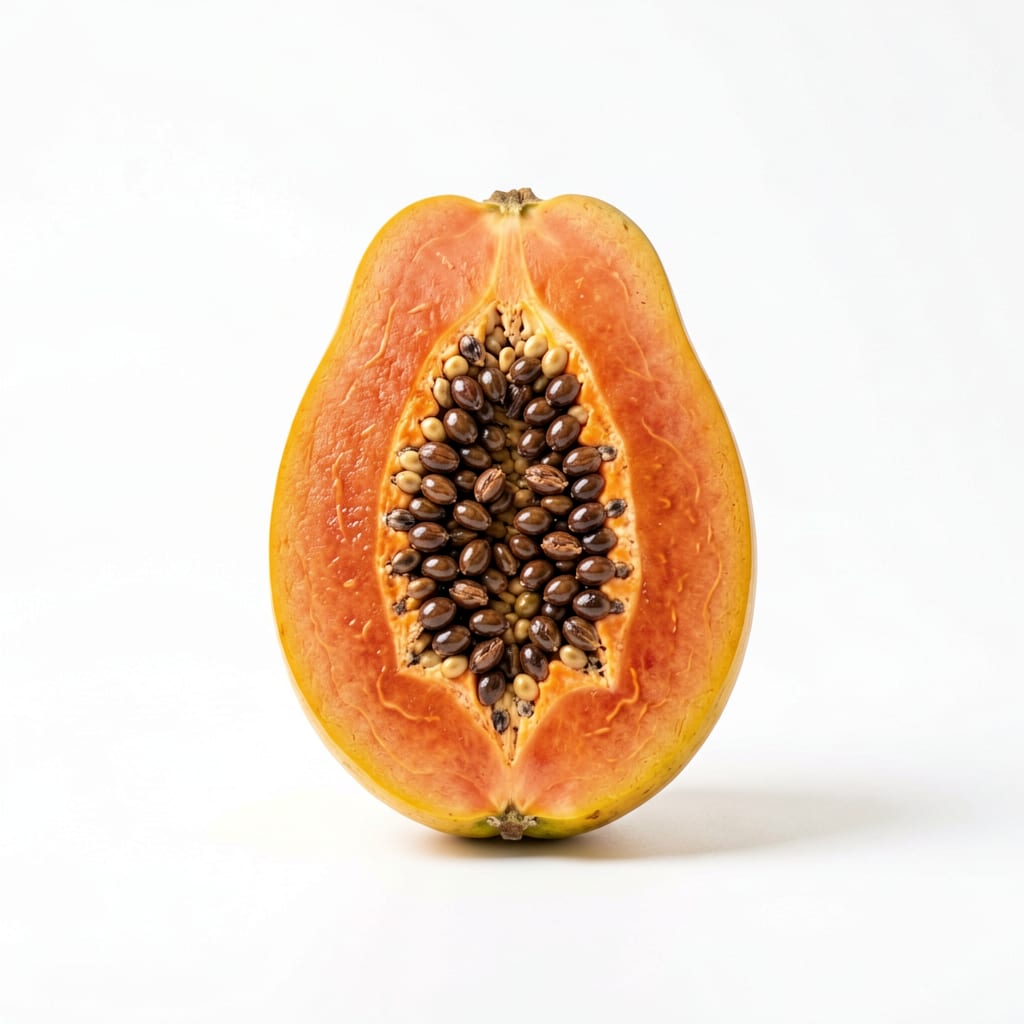
Papaya
Tamarillo is the low-sugar, fiber-rich choice for steady energy, while Papaya is the sweet, enzyme-packed option for smooth digestion.
Tamarillo edges ahead slightly for blood sugar control and mineral density, but Papaya remains highly competitive due to its digestive enzymes and broader appeal. The close scores reflect their different nutritional strengths.
You must choose between Tamarillo's tart, blood-sugar-friendly profile and Papaya's sweet, stomach-soothing benefits.
At a glance
Executive summary
Overall
It depends
Healthier
It depends
More practical
Papaya
Daily use
It depends
Key comparison lenses
Blood sugar impact and sugar content
Tamarillo is notably lower in sugar and higher in fiber than Papaya, making glycemic load a key differentiator.
Digestive comfort and enzyme content
Papaya contains papain, a powerful digestive enzyme, while Tamarillo offers bulk through fiber, affecting digestion differently.
Micronutrient priorities
Tamarillo provides more iron and Vitamin A, whereas Papaya delivers significantly more Vitamin C and folate.
Culinary versatility and flavor preference
Tamarillo is tart and savory-friendly; Papaya is sweet and breakfast-friendly, dictating how people actually eat them.
Best choice for
Tamarillo
- Managing blood sugar and reducing sugar cravings
- Boosting iron and Vitamin A intake
- Adding tart flavor to savory dishes and chutneys
Papaya
- Soothing an upset stomach or aiding heavy protein digestion
- Sweetening smoothies naturally without refined sugar
- Increasing Vitamin C and folate intake
Least suitable for
Tamarillo
- People with nightshade sensitivities
- Those wanting a sweet, easy-to-eat snack
- Anyone avoiding tart or acidic flavors
Papaya
- People strictly limiting carbohydrates or sugar
- Those with a latex-fruit allergy
- Individuals taking blood-thinning medications due to high Vitamin K
Deep comparison
Dimension by dimension
Each lens scores both foods and breaks down who each option suits.
- Dimension 1 · Priority 90Tamarillo
Blood Sugar Stability
Tamarillo · 88Papaya · 65Tamarillo has significantly less sugar and more fiber, leading to a gentler impact on blood glucose.
Tradeoff
You get steadier energy with Tamarillo, but miss out on the quick natural sweetness Papaya provides.
Why it matters
Preventing sugar spikes helps avoid the afternoon energy crash and reduces cravings later in the day.
Real-world impact
Eating Tamarillo with breakfast keeps you full and focused until lunch, whereas Papaya might leave you hungry sooner if eaten alone.
Tamarillo
- Diabetics or pre-diabetics
- Low-carb dieters
- Those prone to afternoon energy crashes
Better for
- Those needing quick post-workout glycogen replenishment
Worse for
Papaya
- Endurance athletes needing quick carbs
- People with high caloric needs
Better for
- Insulin-resistant individuals
- People trying to reduce sugar cravings
Worse for
- Dimension 2 · Priority 85Papaya
Digestive Comfort
Tamarillo · 70Papaya · 92Papaya contains papain, an enzyme that breaks down protein and soothes the stomach, making it a natural digestive aid.
Tradeoff
Papaya actively helps digest meals, while Tamarillo relies solely on fiber to keep things moving.
Why it matters
Feeling bloated or heavy after meals is uncomfortable; Papaya directly addresses this, whereas Tamarillo just adds roughage.
Real-world impact
Eating a few bites of Papaya after a heavy steak dinner feels instantly relieving, while Tamarillo works better for general daily regularity.
Tamarillo
- Those needing more dietary fiber to relieve constipation
Better for
- People with acid reflux triggered by tart foods
Worse for
Papaya
- People with occasional bloating or indigestion
- Older adults with declining natural enzyme production
- Anyone eating high-protein meals
Better for
- Individuals with fructose malabsorption
Worse for
- Dimension 3 · Priority 75It depends
Micronutrient Density
Tamarillo · 80Papaya · 82Tamarillo wins on iron and Vitamin A, while Papaya dominates in Vitamin C and folate.
Tradeoff
Choosing between them means prioritizing either blood health and vision or immunity and cellular repair.
Why it matters
Your micronutrient gaps dictate which fruit serves you better; both are nutrient powerhouses but in different ways.
Real-world impact
Tamarillo helps if you are prone to iron deficiency, while Papaya is superior if you need an immune boost during cold season.
Tamarillo
- Women prone to iron deficiency
- Those needing more Vitamin A for eye health
Better for
- Those who already over-consume Vitamin A
Worse for
Papaya
- Pregnant women needing folate
- Anyone fighting off a cold
Better for
- People with hemochromatosis who must limit iron absorption enhancers like Vitamin C
Worse for
- Dimension 4 · Priority 60Papaya
Convenience and Accessibility
Tamarillo · 55Papaya · 85Papaya is widely available, easy to scoop, and requires no peeling trick, unlike the less common Tamarillo.
Tradeoff
Papaya is an effortless snack, while Tamarillo often requires blanching to peel and can be harder to source.
Why it matters
If a food is hard to prep or find, you simply will not eat it regularly, no matter how healthy it is.
Real-world impact
You can grab a Papaya half with a spoon on a busy morning, but Tamarillo takes prep time most people skip.
Tamarillo
- Home gardeners in suitable climates
- Culinary enthusiasts who enjoy prep work
Better for
- Anyone lacking prep time
Worse for
Papaya
- Busy professionals
- People who need grab-and-go breakfasts
Better for
- Those living in areas where Papaya is rarely stocked
Worse for
Timeline
Health impact over time
Short-term
Hours to days
Tamarillo
- Provides steady, crash-free energy from low sugar content
- The tartness can feel refreshing and palate-cleansing
Papaya
- Offers quick, light energy from natural sugars
- Rapidly soothes a full or bloated stomach after meals
Long-term
Months to years
Tamarillo
- Supports better blood sugar regulation over time
- Improved iron status helps prevent fatigue and anemia
Papaya
- Regular digestive enzyme intake improves gut health
- High Vitamin C supports long-term skin elasticity and immunity
Risk profile
Safety & processing
Both Tamarillo and Papaya are whole, unprocessed fruits. You are getting pure, natural nutrition with no hidden additives or artificial ingredients in either choice.
Tamarillo
Nightshade sensitivity
lowTamarillo belongs to the nightshade family. People with sensitivities to tomatoes or eggplants might experience joint pain or digestive upset.
Skin irritation
lowThe bitter skin can sometimes cause mild contact irritation when peeling without a knife or blanching water.
Papaya
Latex-fruit allergy
mediumPapaya contains enzymes similar to natural rubber latex. Those with latex allergies may experience itching or throat swelling.
GMO exposure
mediumMuch of the Hawaiian Papaya supply is genetically modified to resist ringspot virus. Choose organic or Caribbean varieties to avoid GMOs if preferred.
Who wins for whom
Audience fit
Same foods, different winners depending on your goal.
children
PapayaPapaya's soft texture and sweet taste are far more appealing and easier for kids to chew and digest than tart Tamarillo.
daily consumption
It dependsChoose Tamarillo for daily blood sugar management, or Papaya for daily digestive support and immune maintenance.
diabetes
TamarilloWith significantly less sugar and more fiber to slow absorption, Tamarillo is much safer for maintaining stable blood glucose.
elderly
PapayaPapaya is exceptionally gentle on the aging digestive system and requires no effort to chew, making it ideal for seniors.
muscle gain
PapayaPapaya's papain enzymes help digest the high-protein diets required for muscle gain, and its carbs provide quick workout energy.
weight loss
TamarilloTamarillo's lower sugar and higher fiber content make it more filling and less likely to trigger a sweet tooth, supporting calorie control.
Your move
Decision guide
Choose Tamarillo
- You are watching your sugar intake or managing insulin resistance
- You need more iron in your diet
- You love tart, bold flavors or want a savory breakfast addition
Choose Papaya
- You struggle with bloating or heavy digestion after meals
- You want a sweet, easy snack that requires zero effort
- You are pregnant and need extra folate
Either works if
- You just want a fresh, whole-food fruit to hit your daily produce goals
- You are looking for natural Vitamin C sources
Avoid both if
- You have severe fructose intolerance
- You are on a strict ketogenic diet
Final recommendation
Let your body's immediate needs decide: grab Tamarillo when you want steady energy without the sugar crash, and reach for Papaya when you crave something sweet that will actually help you digest your meal comfortably.
Practical
Consumer tips
- 1
Pour boiling water over Tamarillo for 30 seconds to easily slip the bitter skin off without wasting the flesh.
- 2
Choose organic or non-Hawaiian Papaya if you want to ensure you are eating a non-GMO fruit.
- 3
Pair Papaya with a protein source like Greek yogurt to prevent the fruit's natural sugars from spiking your blood too quickly.
- 4
Use diced Tamarillo in salsa or chutney to replace tomatoes for a lower-sugar flavor boost.