
Nutrition comparison
Tamarillo vs Mango: Nutrition, Sugar, and Health Comparison
Tamarillo vs Mango: Which fruit is healthier? Compare sugar, calories, vitamins, and blood sugar impact to see whether Tamarillo or Mango is right for your diet.
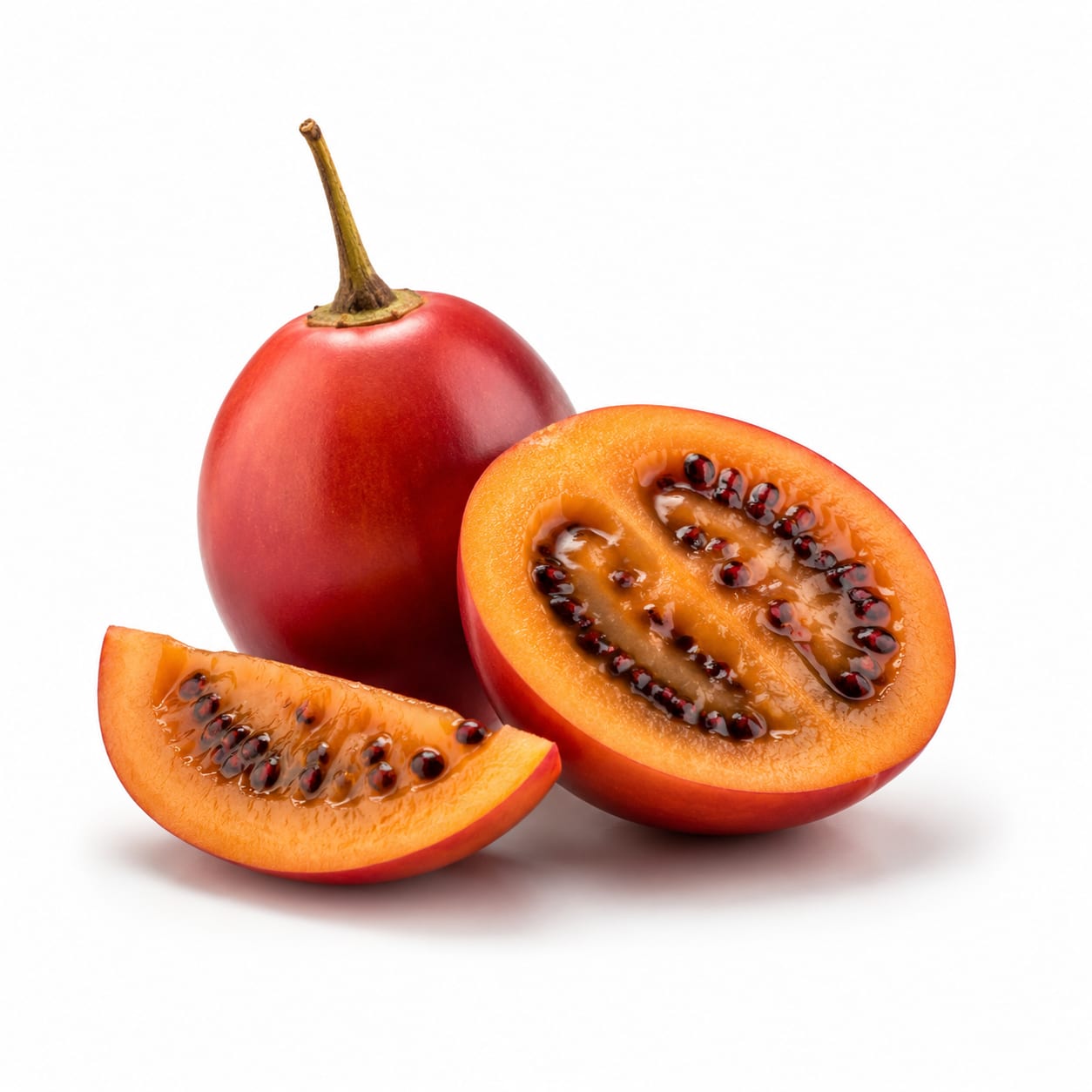
Tamarillo
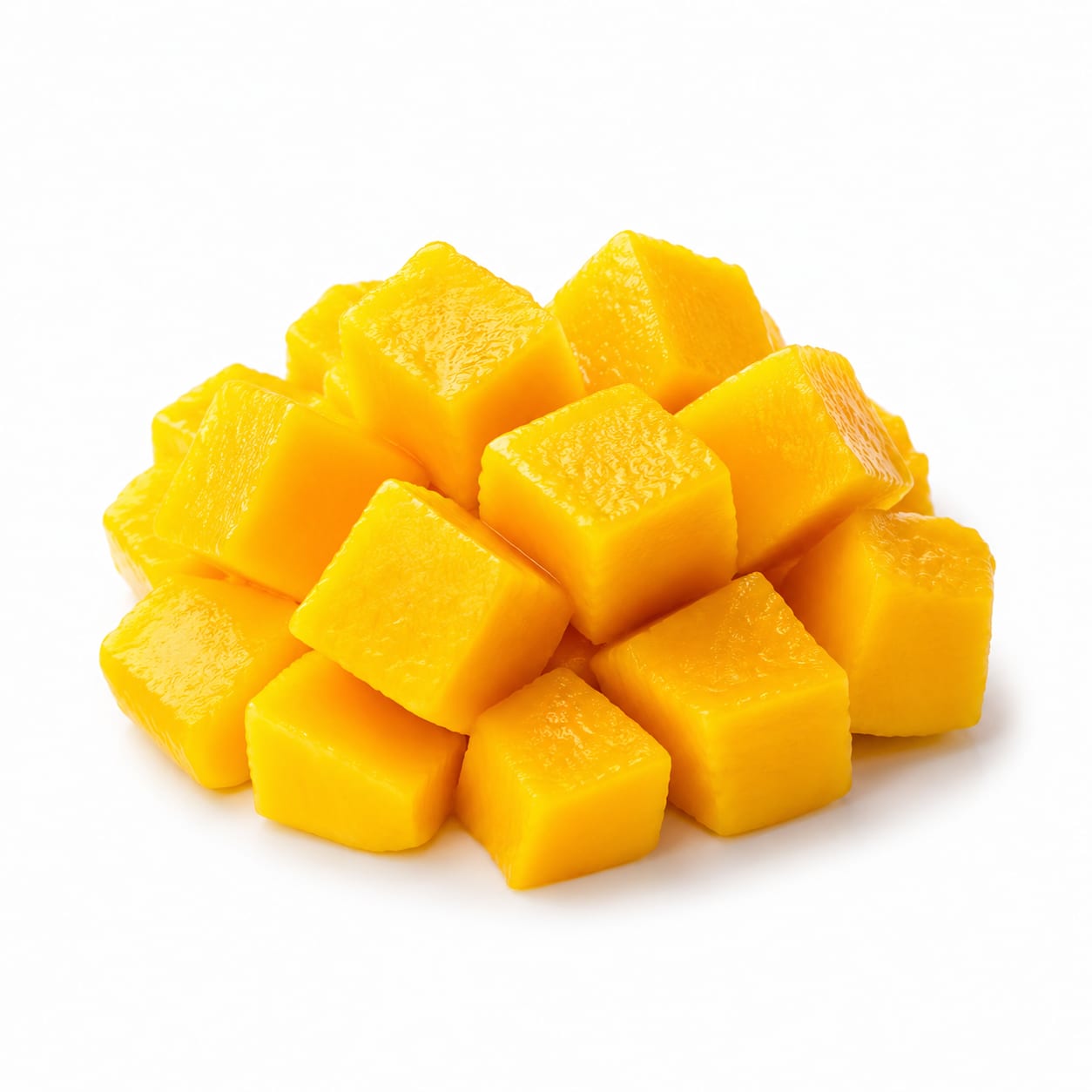
Mango
Tamarillo is the low-sugar, high-fiber choice for metabolic health, while Mango is the sweeter, vitamin-A rich treat for enjoyment and immunity.
Tamarillo edges out Mango due to significantly lower sugar and higher fiber, making it easier on blood sugar and weight management, though Mango offers superior Vitamin A and broader culinary appeal.
You trade blood sugar stability and lower calories for richer antioxidants and a much sweeter taste.
At a glance
Executive summary
Overall
It depends
Healthier
Tamarillo
More practical
Mango
Daily use
Tamarillo
Key comparison lenses
Blood sugar impact and sugar content
Mango is very high in natural sugars, while Tamarillo is notably low in sugar, making this the most critical health difference.
Weight management and calorie density
Tamarillo offers a low-calorie, high-fiber alternative to the more calorie-dense and easy-to-overeat Mango.
Vitamin A and antioxidant intake
Mango is a powerhouse of beta-carotene (Vitamin A), significantly outperforming Tamarillo in this specific antioxidant.
Everyday enjoyment and culinary versatility
Mango is universally loved and easy to eat raw, whereas Tamarillo is tart and usually requires preparation or cooking.
Best choice for
Tamarillo
- People managing diabetes or insulin resistance
- Low-carb dieters looking for fruit options
- Those seeking weight loss without sacrificing fiber
Mango
- Kids who need nutrient-dense, appealing snacks
- Athletes needing quick natural energy
- Anyone wanting to boost Vitamin A for skin and eye health
Least suitable for
Tamarillo
- People who strongly dislike tart or sour flavors
- Those looking for quick, easily accessible energy
Mango
- Strict low-carb or keto dieters
- People prone to sugar cravings or blood sugar spikes
Deep comparison
Dimension by dimension
Each lens scores both foods and breaks down who each option suits.
- Dimension 1 · Priority 95Tamarillo
Blood Sugar Control
Tamarillo · 88Mango · 55Tamarillo has far less sugar and a better fiber-to-carb ratio, keeping glucose steady.
Tradeoff
You sacrifice the sweet burst of Mango but avoid the subsequent energy crash.
Why it matters
Stable blood sugar means fewer cravings and steadier energy throughout the day.
Real-world impact
Eating Tamarillo won't leave you hungry an hour later, unlike a large Mango portion which can trigger a sugar spike.
Tamarillo
- Diabetics
- Low-carb eaters
- People prone to afternoon energy crashes
Better for
- Those who need fast-acting energy during a hypoglycemic dip
Worse for
Mango
- Athletes needing quick carbs post-workout
Better for
- People with insulin resistance
Worse for
- Dimension 2 · Priority 85Tamarillo
Weight Management
Tamarillo · 85Mango · 60Tamarillo is much lower in calories and harder to overeat, making it a natural fit for weight loss.
Tradeoff
Mango is more calorie-dense and exceptionally easy to overconsume due to its delicious sweetness.
Why it matters
Calorie density and satiety determine whether a snack helps or hinders fat loss.
Real-world impact
You can eat two Tamarillos for the calories of half a Mango, feeling just as full without the sugar load.
Tamarillo
- Calorie counters
- Intermittent fasters breaking a fast lightly
Better for
- Those trying to gain weight
Worse for
Mango
- Underweight individuals needing palatable calories
Better for
- People who struggle with portion control
Worse for
- Dimension 3 · Priority 80Mango
Vitamin & Antioxidant Profile
Tamarillo · 70Mango · 90Mango is loaded with Vitamin A and Vitamin C, offering powerful antioxidant protection and immune support.
Tradeoff
You get more beta-carotene and immune support from Mango, but it comes packaged with much more sugar.
Why it matters
Vitamin A is crucial for skin health, vision, and immune function.
Real-world impact
Regular Mango consumption can give your skin a healthy glow and help fight off colds, while Tamarillo offers more modest vitamin benefits.
Tamarillo
- Those watching sugar but wanting decent vitamin C
Better for
- People needing high Vitamin A intake
Worse for
Mango
- People needing immune support
- Those wanting better skin health
Better for
- Those on strict sugar restrictions
Worse for
- Dimension 4 · Priority 75Mango
Taste & Culinary Versatility
Tamarillo · 55Mango · 92Mango is universally loved, sweet, and blends easily into dozens of dishes from smoothies to salsas.
Tradeoff
Tamarillo is tart and requires sweetening or cooking for most people to enjoy it raw.
Why it matters
If a food doesn't taste good or requires too much prep, you won't eat it consistently.
Real-world impact
Mango is an easy snack right off the pit; Tamarillo usually needs peeling, cooking, or adding to a dish to be enjoyable.
Tamarillo
- Fans of tart, complex flavors
- Culinary experimenters making chutneys or sauces
Better for
- People who dislike sour or bitter notes
Worse for
Mango
- Picky eaters
- Kids
- Smoothie enthusiasts
Better for
- Those looking for a savory or tart addition to meals
Worse for
Timeline
Health impact over time
Short-term
Hours to days
Tamarillo
- Steady energy without a sugar rush
- Tart flavor can stimulate digestion
Mango
- Quick energy boost from natural sugars
- Satisfies sweet cravings effectively
Long-term
Months to years
Tamarillo
- Better blood sugar management
- Easier weight maintenance due to low calorie density
Mango
- Improved skin and vision from high Vitamin A
- Potential weight gain if overconsumed regularly
Risk profile
Safety & processing
Both Tamarillo and Mango are whole, natural fruits with no added ingredients when bought fresh.
Tamarillo
Allergic cross-reactivity
lowTamarillo can trigger mild allergies in people sensitive to latex or other nightshades.
Mango
Pesticide residue on skin
mediumConventional Mango skins can retain pesticides, but the thick peel protects the flesh; washing or peeling is advised.
Overconsumption sugar load
mediumEating a whole large Mango delivers over 40g of sugar, which can spike blood glucose significantly.
Who wins for whom
Audience fit
Same foods, different winners depending on your goal.
children
MangoKids love the sweet taste of Mango, and it provides essential Vitamin A for growth and immune development.
daily consumption
TamarilloTamarillo's lower sugar content makes it safer to eat every day without negative metabolic consequences.
diabetes
TamarilloTamarillo's low sugar and high fiber ratio prevent dangerous glucose spikes.
elderly
MangoMango is softer to chew and provides excellent Vitamin A for aging eyes and immune systems.
muscle gain
MangoMango provides more quick-digesting carbs that can help fuel intense workouts and replenish glycogen.
weight loss
TamarilloTamarillo has fewer calories and sugar, making it much easier to stay in a deficit without triggering cravings.
Your move
Decision guide
Choose Tamarillo
- You are watching your blood sugar or carb intake
- You want a low-calorie fruit that keeps you full
- You enjoy tart, complex flavors or making savory chutneys
Choose Mango
- You need quick natural energy before or after a workout
- You want a nutrient-dense, sweet treat for kids
- You are focusing on Vitamin A for skin or eye health
Either works if
- You just want a fresh, whole-food snack
- You are getting plenty of nutrients from the rest of your diet
Avoid both if
- You have a severe fructose intolerance
- You are on a strict zero-carb ketogenic diet
Final recommendation
Choose Tamarillo for daily health and blood sugar control; choose Mango when you need a sweet, vitamin-packed energy boost or a crowd-pleasing treat.
Practical
Consumer tips
- 1
Peel Tamarillos by blanching them in boiling water for 30 seconds — the skin slips right off easily.
- 2
Portion Mango ahead of time to avoid accidentally eating the whole fruit and spiking your sugar.
- 3
Add diced Tamarillo to savory salads for a tangy kick without the sugar load of a traditional dressing.
- 4
Freeze cubed Mango for a naturally sweet, thick addition to smoothies that replaces ice.