
Nutrition comparison
Tamarillo vs Kiwi: Which Fruit Is Healthier for You?
Compare Tamarillo and Kiwi nutrition including vitamin C, sugar, iron, and digestive benefits. Find out which fruit fits your health goals and daily routine better.
Overall winner · Kiwi
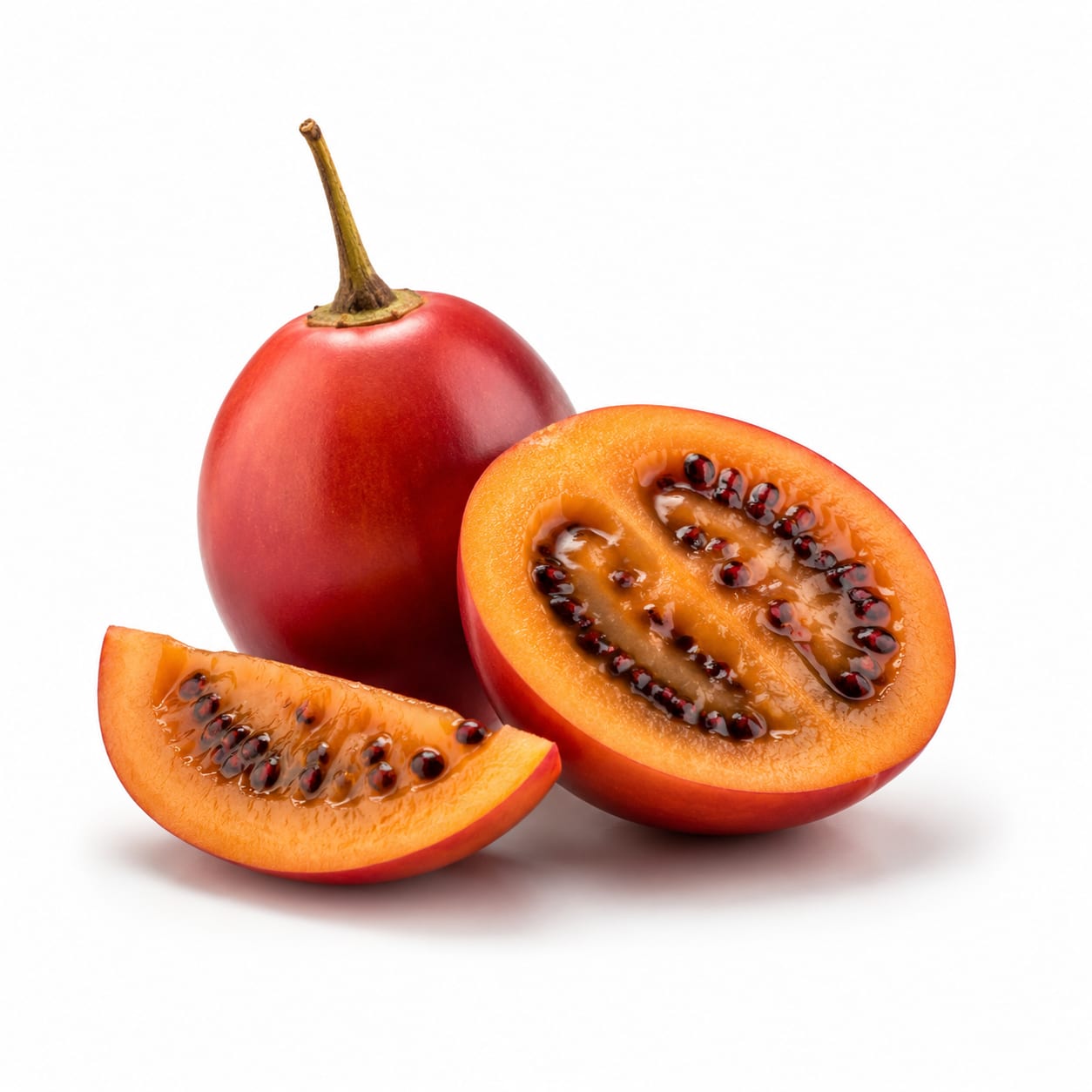
Tamarillo
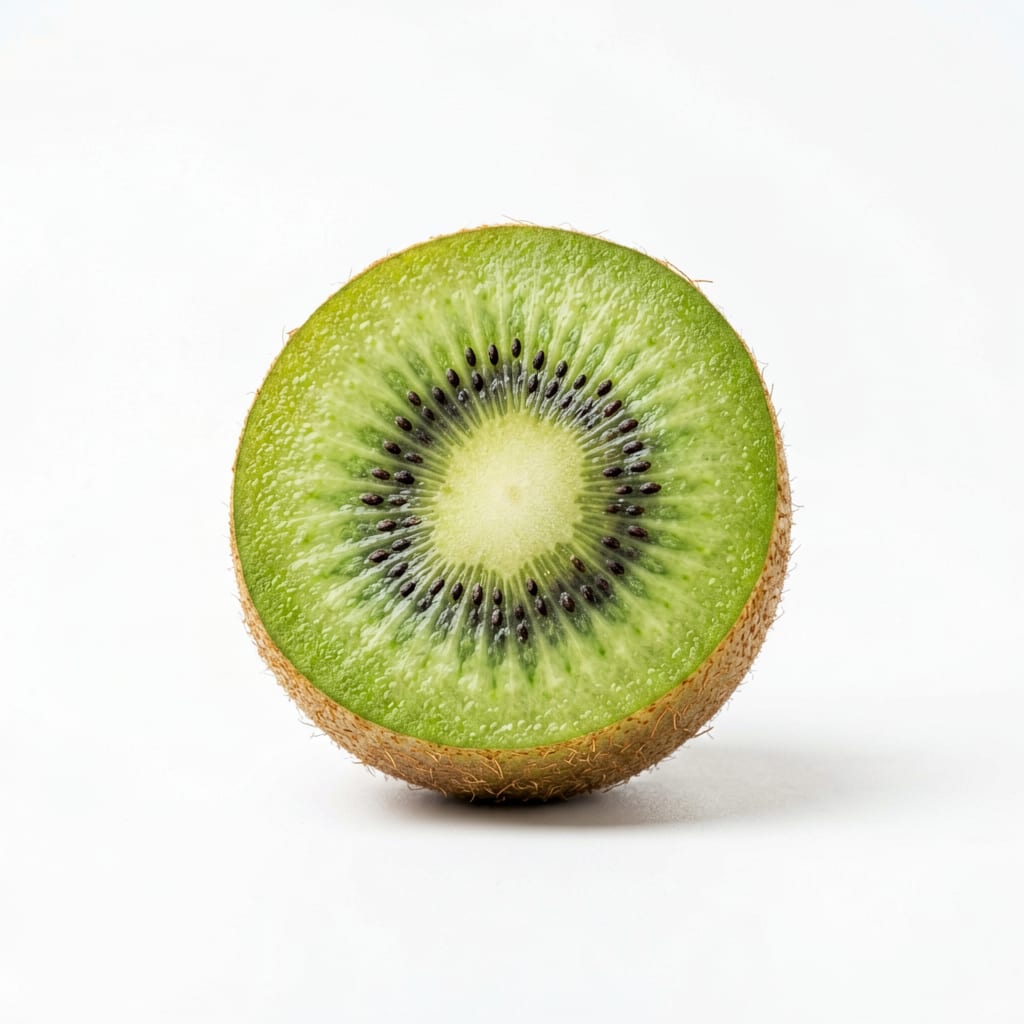
Kiwi
Kiwi wins for most people thanks to its exceptional vitamin C, digestive enzymes, and easy availability. Tamarillo is the underdog with less sugar and more iron, but its scarcity and tartness make it a harder daily choice.
Kiwi scores notably higher due to its vitamin C dominance, digestive enzyme content, and widespread availability. Tamarillo holds its own on minerals and low sugar but loses ground on practicality and taste accessibility.
Kiwi gives you far more vitamin C and digestive support; Tamarillo gives you less sugar and more iron but is harder to find and less pleasant to eat raw.
At a glance
Executive summary
Overall
Kiwi
Healthier
Kiwi
More practical
Kiwi
Daily use
Kiwi
Key comparison lenses
vitamin C and immunity comparison
Kiwi is famously rich in vitamin C while Tamarillo offers a different antioxidant profile, making this the most nutritionally impactful difference
digestive health and enzyme content
Kiwi contains actinidin, a unique digestive enzyme, while Tamarillo offers fiber but lacks comparable enzymatic benefits
everyday availability and practicality
Kiwi is a supermarket staple worldwide; Tamarillo is specialty and harder to find, affecting real-world usability
sugar and blood sugar impact
Tamarillo is notably lower in sugar, making it relevant for glucose-conscious users comparing these two fruits
mineral density especially iron
Tamarillo surprisingly delivers more iron and potassium per serving, an overlooked advantage worth highlighting
Best choice for
Tamarillo
- People monitoring blood sugar closely
- Anyone needing more iron from fruit sources
- Those seeking lower-sugar fruit options
- Adventurous eaters wanting novel flavors
Kiwi
- Immune support and vitamin C optimization
- Digestive issues like bloating or constipation
- Families wanting kid-friendly fruit
- Budget-conscious shoppers needing reliable access
Least suitable for
Tamarillo
- People who dislike tart or bitter flavors
- Anyone with limited access to specialty stores
- Children sensitive to strong tastes
- Those wanting a quick easy snack
Kiwi
- People with kiwi allergy or latex-fruit syndrome
- Anyone watching oxalate intake for kidney stones
- Those wanting minimal sugar even from fruit
Deep comparison
Dimension by dimension
Each lens scores both foods and breaks down who each option suits.
- Dimension 1 · Priority 92Kiwi
Vitamin C and Immunity
Tamarillo · 45Kiwi · 95Kiwi delivers roughly 2-3 times more vitamin C per serving than Tamarillo, making it one of the best fruit sources for immune support.
Tradeoff
Tamarillo still provides decent vitamin C but cannot compete with Kiwi's exceptional levels. If immunity is your priority, Kiwi is clearly superior.
Why it matters
Vitamin C is water-soluble and must be replenished daily. One Kiwi often covers your entire daily requirement.
Real-world impact
Eating a Kiwi a day can meaningfully reduce cold duration and severity. Tamarillo helps but cannot match this effect.
Tamarillo
- Getting some vitamin C alongside iron for better absorption
Better for
- Relying on Tamarillo alone for vitamin C needs
Worse for
Kiwi
- Meeting daily vitamin C needs in a single serving
- Boosting immune defense during cold season
- Supporting collagen production for skin health
Better for
- Overconsumption if you are already supplementing vitamin C heavily
Worse for
- Dimension 2 · Priority 85Kiwi
Digestive Health
Tamarillo · 55Kiwi · 88Kiwi contains actinidin, a protease enzyme that breaks down protein and aids digestion. Tamarillo offers fiber but lacks enzymatic support.
Tradeoff
Tamarillo's fiber is helpful, but Kiwi's unique enzyme action plus fiber gives it a clear digestive edge, especially after heavy meals.
Why it matters
Many people struggle with bloating and slow digestion. Actinidin is rare in fruit and genuinely helps break down protein-rich meals.
Real-world impact
Eating Kiwi after a steak dinner can noticeably reduce that heavy, sluggish feeling. Tamarillo provides gentler fiber-based support.
Tamarillo
- Adding fiber variety from a less common fruit source
Better for
- Expecting enzyme-level digestive relief from Tamarillo alone
Worse for
Kiwi
- Easing bloating after protein-heavy meals
- Improving regularity and stool consistency
- Supporting gut motility naturally without supplements
Better for
- Those with actinidin sensitivity experiencing mouth irritation
Worse for
- Dimension 3 · Priority 72Tamarillo
Sugar and Blood Sugar Impact
Tamarillo · 82Kiwi · 58Tamarillo contains significantly less sugar per serving than Kiwi, making it the better choice for glucose-conscious eating.
Tradeoff
You sacrifice the sweeter taste and some vitamin C, but gain steadier blood sugar and fewer glucose spikes.
Why it matters
Even natural fruit sugar adds up. For prediabetics or low-carb adherents, Tamarillo's lower sugar load is a real advantage.
Real-world impact
A Tamarillo snack is less likely to trigger an afternoon energy crash compared to the sweeter Kiwi.
Tamarillo
- Keeping blood sugar stable throughout the day
- Reducing total daily sugar intake from fruit
- Fitting into low-carb or keto-adjacent eating styles
Better for
- Those wanting a sweet satisfying treat may find it too tart
Worse for
Kiwi
- Pre- or post-workout when faster energy is actually welcome
Better for
- Glucose-sensitive people needing to minimize all sugar sources
Worse for
- Dimension 4 · Priority 68Tamarillo
Mineral Density
Tamarillo · 80Kiwi · 62Tamarillo provides more iron, potassium, and magnesium per serving than Kiwi, an often overlooked nutritional advantage.
Tradeoff
You get better mineral support from Tamarillo, but Kiwi's vitamin K and folate are stronger. Different mineral profiles serve different needs.
Why it matters
Iron from fruit sources is valuable, especially for vegetarians. Potassium supports blood pressure and muscle function.
Real-world impact
Regular Tamarillo consumption can contribute meaningfully to daily iron and potassium targets, particularly in plant-based diets.
Tamarillo
- Vegetarians and vegans needing plant-based iron
- Active people requiring more potassium for muscle recovery
- Those wanting to support blood pressure through diet
Better for
- Relying on it as a sole iron source since plant iron absorbs less efficiently
Worse for
Kiwi
- Pregnant women needing folate
- Anyone focused on bone health through vitamin K intake
Better for
- Missing out on the higher iron and potassium Tamarillo offers
Worse for
- Dimension 5 · Priority 80Kiwi
Availability and Practicality
Tamarillo · 30Kiwi · 90Kiwi is available year-round in virtually every grocery store. Tamarillo is a specialty item requiring specialty markets or online ordering.
Tradeoff
Tamarillo may offer unique nutrients, but you cannot benefit from a food you cannot find. Kiwi's accessibility makes it the realistic daily choice.
Why it matters
Nutrition only works if you can consistently access and eat the food. The best fruit on paper means nothing if it is never in your kitchen.
Real-world impact
You can grab Kiwi at any corner store. Tamarillo might require a farmers market trip or specialty order, killing consistency.
Tamarillo
- Exploring farmers markets and expanding your fruit horizons
Better for
- Building a nutrition plan around a fruit you cannot reliably buy
Worse for
Kiwi
- Consistent daily fruit intake without shopping hassle
- Travel and on-the-go snacking
- Building habits you can actually maintain long-term
Better for
- Missing the novelty and variety that keeps fruit eating interesting
Worse for
- Dimension 6 · Priority 65Kiwi
Taste and Eating Experience
Tamarillo · 48Kiwi · 78Kiwi is sweet-tart and universally appealing. Tamarillo is more polarizing with a pronounced tartness and slightly bitter skin that many find challenging raw.
Tradeoff
Tamarillo's bold flavor shines in cooking and sauces but is tough to enjoy plain. Kiwi is pleasant raw and needs no preparation.
Why it matters
If a food does not taste good, you will not eat it regularly. Enjoyment drives consistency, and consistency drives results.
Real-world impact
Most people can eat a Kiwi daily without effort. Tamarillo often requires recipes, sweeteners, or cooking to become enjoyable.
Tamarillo
- Culinary experimentation with chutneys and sauces
- Adding complex flavor to savory dishes
Better for
- Expecting a grab-and-go snacking experience
- Serving to picky eaters or children without preparation
Worse for
Kiwi
- Effortless raw snacking straight from the fridge
- Kid-friendly lunchbox additions
- Quick breakfast topping requiring zero prep
Better for
- Culinary versatility beyond raw or dessert applications
Worse for
Timeline
Health impact over time
Short-term
Hours to days
Tamarillo
- Lower sugar means steadier energy without a glucose spike
- Tartness may reduce appetite and overeating
- Fiber supports gentle digestive regularity
Kiwi
- High vitamin C quickly boosts antioxidant capacity
- Actinidin enzyme speeds protein digestion after meals
- Natural sugars provide a fast but moderate energy lift
Long-term
Months to years
Tamarillo
- Iron and potassium accumulation supports cardiovascular health over time
- Lower lifetime sugar intake from fruit reduces metabolic strain
- Anthocyanin antioxidants from red varieties may protect against cellular aging
Kiwi
- Sustained high vitamin C intake strengthens immune resilience long-term
- Consistent digestive enzyme exposure improves gut health trajectories
- Serotonin content may support better sleep patterns with regular consumption
Risk profile
Safety & processing
Both Tamarillo and Kiwi are whole, unprocessed fruits with no additive concerns. Neither requires processing to be edible, though Tamarillo is more commonly cooked. Both are clean choices.
Tamarillo
Allergic cross-reactivity
lowTamarillo belongs to the nightshade family. Those with sensitivities to tomatoes or eggplants may experience mild reactions, though this is uncommon.
Pesticide residue on skin
mediumLike many soft-skinned fruits, Tamarillo can carry pesticide residue. Washing thoroughly is important, especially since the skin is often cooked with the fruit.
Kiwi
Kiwi allergy and latex-fruit syndrome
highKiwi is a top allergen fruit. People with latex allergies are at significantly higher risk for kiwi reactions, which can range from mouth itching to anaphylaxis.
Oxalate content
mediumKiwi contains moderate oxalates. People prone to calcium oxalate kidney stones should moderate intake or consult their doctor.
Mouth irritation from actinidin
lowThe same enzyme that aids digestion can cause tingling or soreness in the mouth, especially with unripe Kiwi or large quantities.
Who wins for whom
Audience fit
Same foods, different winners depending on your goal.
children
KiwiKiwi's sweeter taste and soft texture make it far more kid-friendly. Tamarillo's tartness is a hard sell for most children.
daily consumption
KiwiAvailability, taste, and broad nutrient coverage make Kiwi the more sustainable daily habit for most people.
diabetes
TamarilloSignificantly less sugar per serving gives Tamarillo the edge for blood glucose management, though portion control matters for both.
elderly
KiwiKiwi's digestive enzyme support and soft texture benefit aging digestive systems. Its vitamin K also supports bone density concerns in older adults.
muscle gain
KiwiKiwi's actinidin helps digest the higher protein intake that muscle building requires, and its vitamin C supports collagen repair.
weight loss
TamarilloLower sugar and calorie density make Tamarillo more compatible with calorie-controlled eating, though both are reasonable choices.
Your move
Decision guide
Choose Tamarillo
- You are monitoring blood sugar or following a low-sugar approach
- You want more iron and potassium from fruit sources
- You enjoy cooking with fruit in chutneys, sauces, and savory dishes
- You have access to specialty markets and want nutritional variety
- You have a kiwi allergy but still want a nutrient-dense fruit
Choose Kiwi
- Immune support and vitamin C are your top priorities
- You struggle with digestion or bloating after meals
- You want a convenient daily fruit that is easy to find and eat
- You are feeding children or picky eaters
- You want better sleep from the natural serotonin content
Either works if
- You simply want more fruit variety in your diet
- You are rotating antioxidant sources for broader coverage
- Neither fruit is a dietary staple for you, just occasional additions
Avoid both if
- You have severe oral allergy syndrome triggered by multiple fruits
- You are on a very strict low-potassium diet for kidney disease
- You are eliminating all fruit sugar for a strict ketogenic protocol
Final recommendation
Make Kiwi your daily fruit for its vitamin C, digestive benefits, and easy access. Add Tamarillo when you find it for mineral variety and lower sugar days. They complement each other well, but Kiwi is the one you will actually eat consistently.
Practical
Consumer tips
- 1
Choose firm but slightly yielding Kiwi for the best balance of sweetness and texture
- 2
Let Tamarillo ripen at room temperature until it softens slightly before eating or cooking
- 3
If Tamarillo is too tart raw, try it halved and roasted with a drizzle of honey
- 4
Eating Kiwi with the skin triples the fiber intake, though the texture takes getting used to
- 5
Freeze sliced Kiwi for a refreshing summer snack that replaces processed desserts
- 6
Tamarillo makes an excellent base for homemade salsa or hot sauce with a unique depth
- 7
Store both fruits separately from bananas and apples, which accelerate ripening through ethylene gas
- 8
If you have latex allergy, test Kiwi cautiously with a small bite before eating a full serving