
Nutrition comparison
Tamarillo vs Guava: Nutrition, Vitamins, and Health Benefits Compared
Compare Tamarillo vs Guava to see which fruit wins for vitamin C, fiber, and weight loss. Discover the nutritional differences and best uses for each.
Overall winner · Guava
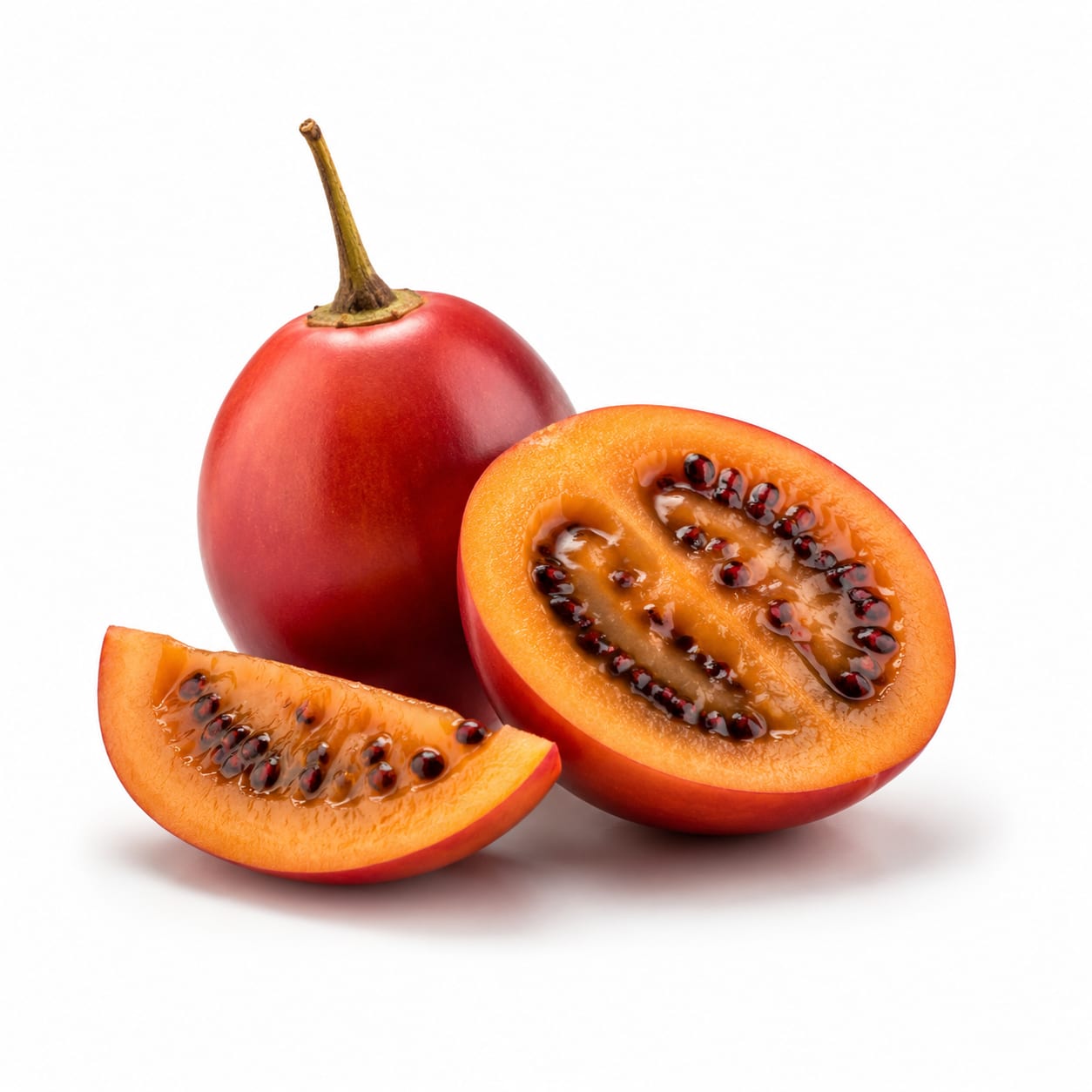
Tamarillo
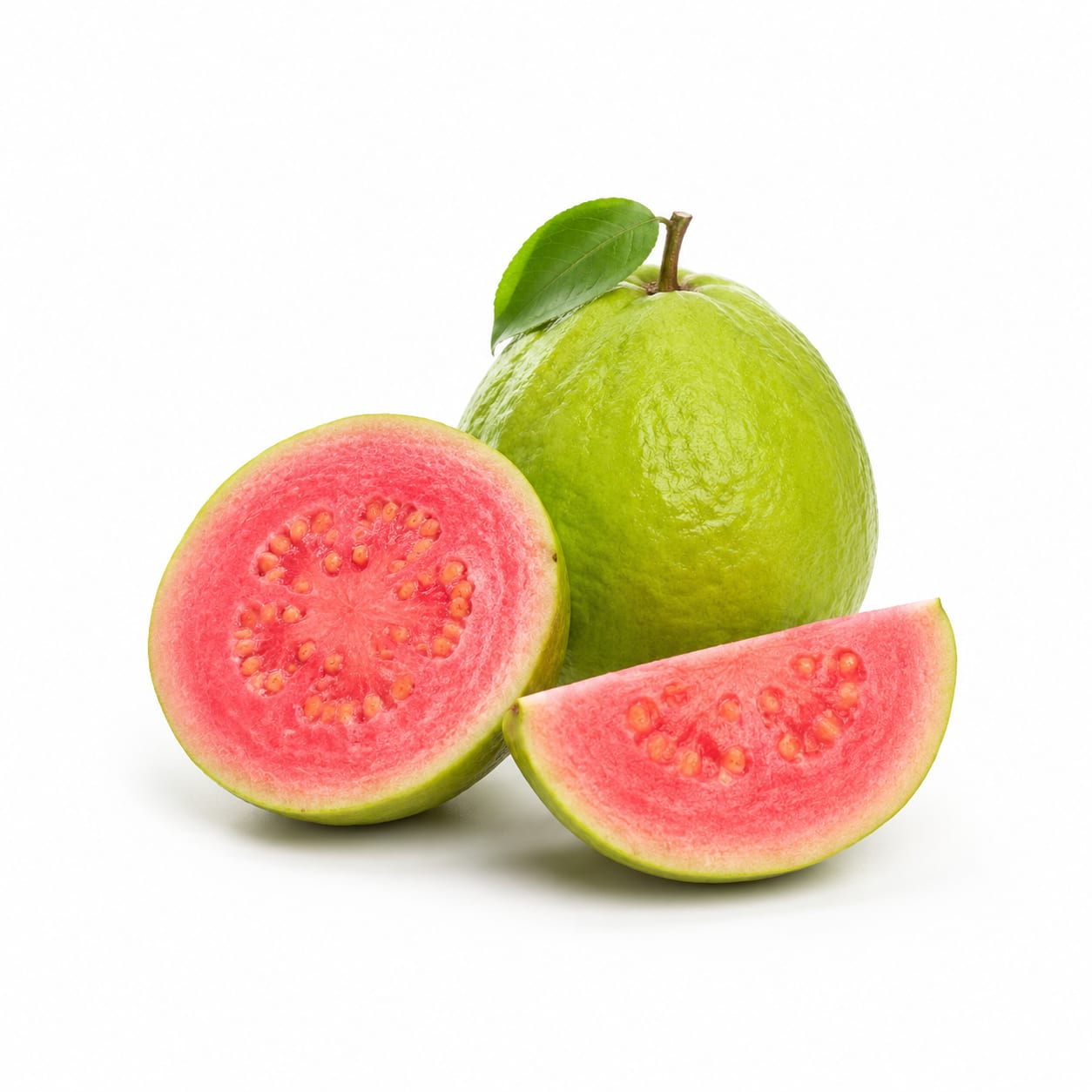
Guava
Guava is the nutritional heavyweight, delivering massive vitamin C and fiber, while Tamarillo is a low-calorie, tart alternative best suited for savory culinary uses.
Guava scores significantly higher due to its exceptional vitamin C content and superior fiber, making it more filling and nutritionally dense. Tamarillo remains a solid choice for low-calorie flavor enhancement but lacks the macro and micronutrient punch of Guava.
You trade Guava's overwhelming vitamin C and satiety for Tamarillo's lower calorie count and unique savory-tart flavor profile.
At a glance
Executive summary
Overall
Guava
Healthier
Guava
More practical
Guava
Daily use
Guava
Key comparison lenses
Vitamin C and immunity boost
Guava is one of the most potent vitamin C sources on the planet, drastically outperforming Tamarillo.
Fiber intake and digestive satiety
Guava offers significantly more dietary fiber, making it much more filling and better for blood sugar control.
Low-calorie flavor enhancement
Tamarillo provides a bold, tart flavor with very few calories, ideal for savory dishes.
Antioxidant variety
Tamarillo brings anthocyanins while Guava brings lycopene, offering different protective benefits.
Best choice for
Tamarillo
- Flavoring savory dishes and salsas
- Strict low-calorie dieting
- Adding tartness without sugar
Guava
- Boosting immune health quickly
- High-fiber snacking to curb hunger
- Satisfying a sweet tooth naturally
Least suitable for
Tamarillo
- People who dislike tart or sour flavors
- Those wanting a sweet, easy snack
Guava
- Very low-fiber digestive protocols
- People strictly counting every calorie
Deep comparison
Dimension by dimension
Each lens scores both foods and breaks down who each option suits.
- Dimension 1 · Priority 95Guava
Vitamin C and Immunity
Tamarillo · 40Guava · 100Guava is a vitamin C powerhouse, providing over 200mg per 100g, while Tamarillo offers a modest 30mg.
Tradeoff
Choosing Tamarillo means missing out on an easy daily immune boost that Guava effortlessly delivers.
Why it matters
Vitamin C is crucial for immune resilience, skin health, and iron absorption.
Real-world impact
Eating a single Guava almost covers your entire daily vitamin C need, whereas you would need to eat several Tamarillos to get the same effect.
Tamarillo
- Preventing vitamin C deficiency
Worse for
Guava
- Fighting off a cold
- Improving iron absorption from meals
- Daily immune support
Better for
- Dimension 2 · Priority 88Guava
Fiber and Satiety
Tamarillo · 55Guava · 92Guava contains nearly double the fiber of Tamarillo, making it far more effective at keeping you full.
Tradeoff
Tamarillo is lighter on the stomach and lower in calories, but will not stave off hunger as long as Guava.
Why it matters
High fiber regulates blood sugar, supports gut health, and prevents overeating.
Real-world impact
A Guava at 3 PM will easily tide you over until dinner; a Tamarillo might leave you reaching for another snack.
Tamarillo
- Light snacking without feeling heavy
Better for
- Managing intense hunger
Worse for
Guava
- Curbing afternoon cravings
- Stabilizing blood sugar spikes
- Improving digestive regularity
Better for
- Sensitive stomachs needing low residue
Worse for
- Dimension 3 · Priority 75Tamarillo
Calorie Efficiency
Tamarillo · 90Guava · 70Tamarillo is lower in calories and carbohydrates, offering a bold flavor impact for minimal caloric cost.
Tradeoff
You save calories with Tamarillo, but you also get significantly fewer nutrients and less satiety per gram.
Why it matters
For those strictly managing energy intake, every calorie needs to count toward either volume or flavor.
Real-world impact
Tamarillo lets you add intense flavor to a salad or sauce for under 40 calories per fruit, whereas Guava is denser but more filling.
Tamarillo
- Strict calorie deficits
- Flavoring meals without adding energy
Better for
- Post-workout recovery needing carbs
Worse for
Guava
- Nutrient-dense meal replacements
Better for
- Very low calorie diets
Worse for
- Dimension 4 · Priority 70It depends
Antioxidant Diversity
Tamarillo · 80Guava · 85Guava is rich in lycopene (especially pink varieties), while Tamarillo provides anthocyanins from its dark skin and flesh.
Tradeoff
Lycopene is excellent for heart and prostate health, whereas anthocyanins are superior for vascular and cognitive protection.
Why it matters
A diverse antioxidant profile protects different systems in the body from oxidative stress.
Real-world impact
Eating pink Guava supports heart health, while adding red Tamarillo to a meal supports blood vessel integrity.
Tamarillo
- Vascular and cognitive protection
- Adding color variety to meals
Better for
Guava
- Heart and prostate health
- Cellular defense against UV damage
Better for
Timeline
Health impact over time
Short-term
Hours to days
Tamarillo
- Tart flavor stimulates digestion and saliva production
- Low sugar content prevents energy crashes
- Light on the stomach, unlikely to cause bloating
Guava
- High fiber creates immediate satiety
- Massive vitamin C boost enhances alertness and recovery
- Can be very filling, potentially heavy if eaten in large quantities
Long-term
Months to years
Tamarillo
- Anthocyanins support long-term vascular health
- Vitamin A contributes to eye health over time
- Low calorie intake helps maintain healthy weight
Guava
- Exceptional fiber intake prevents chronic constipation and supports gut microbiome
- Lycopene reduces long-term risk of certain cancers and heart disease
- Consistent vitamin C intake promotes youthful skin and robust immunity
Risk profile
Safety & processing
Both Tamarillo and Guava are whole, natural fruits typically eaten fresh or cooked from raw, with no artificial additives when purchased whole.
Tamarillo
Latex-fruit syndrome cross-reactivity
lowIndividuals with latex allergies may react to Tamarillo proteins, though this is relatively uncommon.
Skin irritation from peel
lowThe bitter skin of Tamarillo can cause mild contact dermatitis in sensitive individuals during prep.
Guava
Pesticide residue on skin
mediumGuava is often grown with pesticide use, and the edible skin can harbor residues if not washed or bought organic.
Seed-related digestive discomfort
lowThe hard seeds in Guava can be tough to digest for some people and may aggravate diverticulitis.
Who wins for whom
Audience fit
Same foods, different winners depending on your goal.
children
GuavaGuava's sweet taste is much more kid-friendly than Tamarillo's tartness, and its soft texture is easy for children to eat.
daily consumption
GuavaGuava is easier to eat raw as a daily snack and provides a more comprehensive nutritional punch per serving.
diabetes
GuavaGuava's superior fiber content slows sugar absorption more effectively, leading to steadier blood sugar levels compared to Tamarillo.
elderly
GuavaGuava is softer to chew, rich in fiber for digestive regularity, and packed with vitamin C for aging immune systems.
muscle gain
GuavaGuava offers slightly more protein and carbohydrates, providing marginally better support for muscle recovery, though neither fruit is a primary protein source.
weight loss
GuavaGuava's high fiber content keeps you full for longer, naturally reducing overall calorie intake throughout the day, whereas Tamarillo's low calories may leave you hungry sooner.
Your move
Decision guide
Choose Tamarillo
- You want a low-calorie, tart flavor boost for savory dishes
- You are making sauces, chutneys, or salsas
- You prefer savory, tangy flavors over sweet ones
Choose Guava
- You want a filling, sweet snack that curbs hunger
- You need a massive daily vitamin C and fiber boost
- You prefer ready-to-eat, refreshing fruit
Either works if
- You want to increase your daily fruit intake
- You are looking for natural, whole-food antioxidants
Avoid both if
- You have severe fructose intolerance or IBS triggered by fruit
Final recommendation
Keep Guava in your daily rotation for a filling, immune-boosting snack. Save Tamarillo for culinary adventures when you need a tangy, low-calorie kick in savory recipes.
Practical
Consumer tips
- 1
Eat Guava with the skin on to maximize fiber and vitamin C intake.
- 2
Blanch Tamarillo in hot water for a few seconds to easily peel off its bitter skin.
- 3
Choose pink or red Guava over white varieties for a big boost in lycopene.
- 4
Opt for red Tamarillo over yellow or orange types for higher anthocyanin content.
- 5
Wash Guava thoroughly under running water to remove potential pesticide residues from the skin.