
Nutrition comparison
Tamarillo vs Grapefruit: Nutrition, Drug Interactions, and Best Uses
Comparing Tamarillo and Grapefruit? Learn which fruit is safer with medications, better for weight loss, and offers more nutrients for your daily diet.
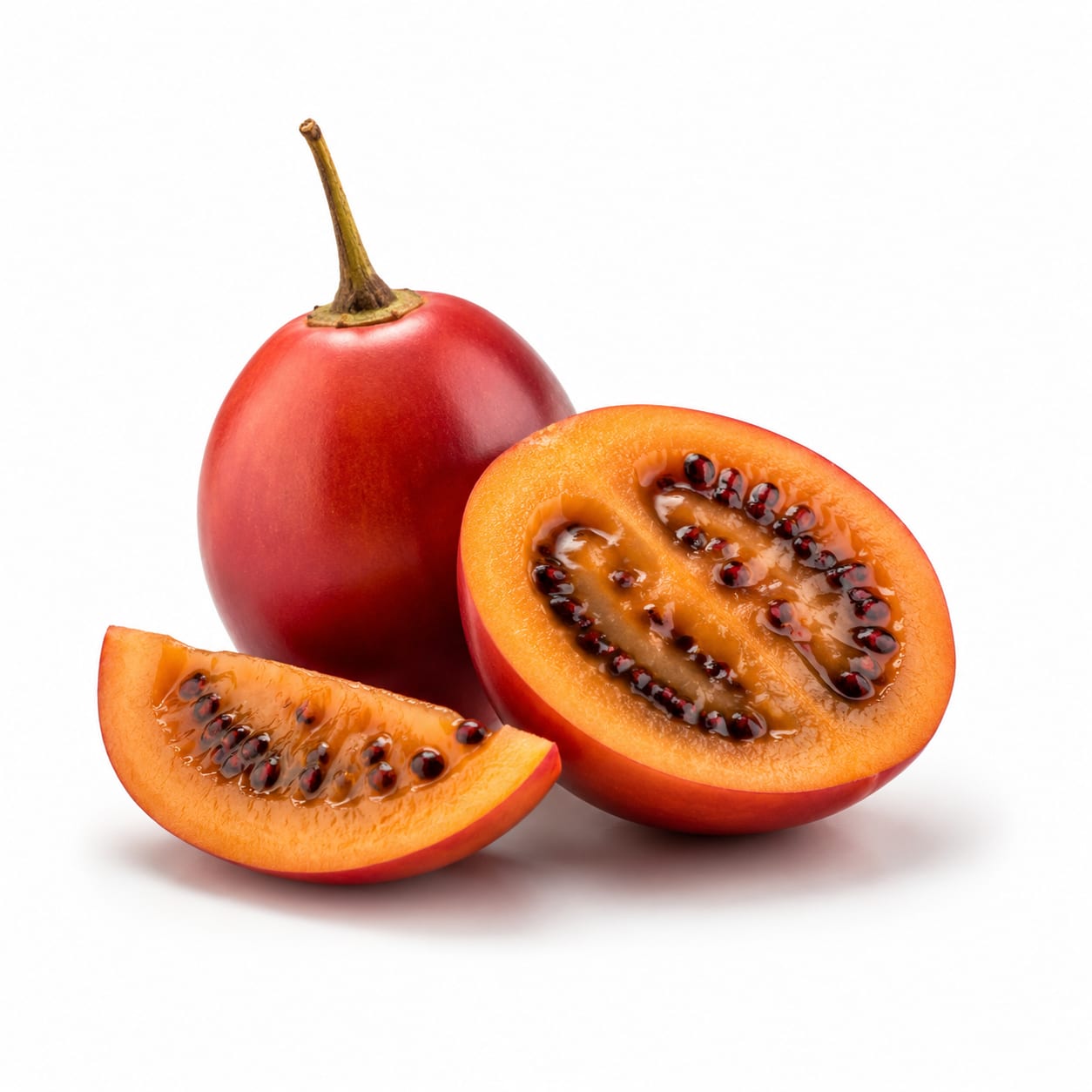
Tamarillo
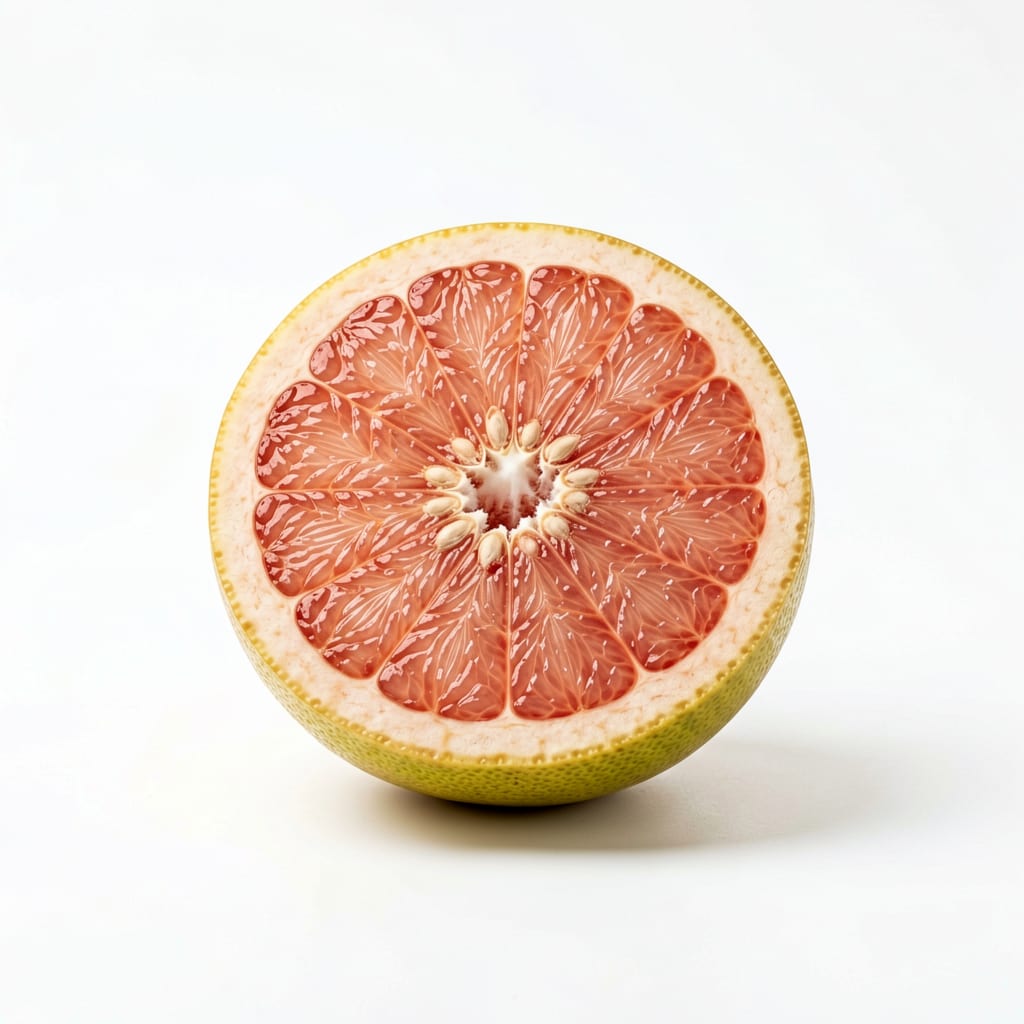
Grapefruit
Tamarillo offers superior micronutrients and avoids drug interactions, while Grapefruit is a more practical, low-calorie daily staple.
Grapefruit scores slightly higher overall due to everyday practicality and weight management benefits, but Tamarillo wins on safety and specific micronutrients, making them close competitors depending on your health context.
Exotic nutrient density and medication safety versus everyday accessibility and lower calories.
At a glance
Executive summary
Overall
It depends
Healthier
It depends
More practical
Grapefruit
Daily use
Grapefruit
Key comparison lenses
Medication safety and drug interactions
Grapefruit has severe interactions with many common medications, making this a critical deciding factor for many adults.
Micronutrient density versus calorie density
Tamarillo offers deeper nutrition like iron and vitamin A, while Grapefruit prioritizes low calories and high vitamin C.
Everyday accessibility and dietary variety
Grapefruit is a staple everywhere, whereas Tamarillo is an exotic specialty item that adds variety but requires effort to find.
Best choice for
Tamarillo
- People taking statins or blood pressure medications
- Those needing more iron and vitamin A in their diet
- Anyone looking to add exotic fruit variety
Grapefruit
- Strict calorie counters and weight loss diets
- Budget-conscious shoppers wanting daily vitamin C
- Those who prefer a light, hydrating breakfast fruit
Least suitable for
Tamarillo
- People on strict low-carb or keto diets
- Shoppers who only buy from standard grocery stores
- Those who dislike tart or tangy flavors
Grapefruit
- Anyone on medications that interact with grapefruit
- People with severe acid reflux or GERD
- Those sensitive to bitter flavors without adding sugar
Deep comparison
Dimension by dimension
Each lens scores both foods and breaks down who each option suits.
- Dimension 1 · Priority 85Tamarillo
Micronutrient Density
Tamarillo · 85Grapefruit · 70Tamarillo packs significantly more iron, vitamin A, and beneficial anthocyanins than Grapefruit.
Tradeoff
You get more nutritional depth from Tamarillo, but Grapefruit still delivers excellent vitamin C with fewer calories.
Why it matters
Iron and vitamin A are common deficiencies; Tamarillo helps fill those gaps more effectively.
Real-world impact
Eating Tamarillo can help improve energy levels and immune function more broadly than the vitamin C focus of Grapefruit.
Tamarillo
- Boosting iron intake
- Increasing vitamin A for eye health
- Adding antioxidant variety
Better for
- Those who want a low-calorie vitamin source
Worse for
Grapefruit
- Maximizing vitamin C per calorie
- Keeping micronutrient intake low-calorie
Better for
- Anyone needing iron or vitamin A support
Worse for
- Dimension 2 · Priority 95Tamarillo
Medication Safety
Tamarillo · 95Grapefruit · 40Grapefruit is notorious for dangerous interactions with common medications, while Tamarillo is safe.
Tradeoff
Grapefruit's beneficial flavonoids also inhibit liver enzymes, forcing a tradeoff between fruit benefits and drug safety.
Why it matters
Over 50 common medications interact with Grapefruit, potentially causing severe side effects.
Real-world impact
If you take statins or blood pressure meds, eating Grapefruit can lead to toxic drug levels in your blood, whereas Tamarillo will not.
Tamarillo
- Those on statins or cholesterol meds
- People taking blood pressure drugs
- Worry-free fruit consumption
Better for
Grapefruit
- People on zero medications
Better for
- Adults over 50 who commonly take prescription drugs
Worse for
- Dimension 3 · Priority 80Grapefruit
Weight Management
Tamarillo · 70Grapefruit · 90Grapefruit is a classic weight-loss food due to its high water content and extremely low calories.
Tradeoff
Grapefruit is lighter and lower in carbs, but Tamarillo is more filling due to its fiber and slightly higher calorie density.
Why it matters
Low-calorie fruits help create a deficit without measuring portions, making dieting easier.
Real-world impact
Half a Grapefruit as a snack feels light and saves you 30-40 calories compared to a Tamarillo, which adds up over weeks.
Tamarillo
- Those who find low-cal fruits unsatisfying
- Need a more substantial snack
Better for
- Keto or very low-carb dieters
Worse for
Grapefruit
- Strict calorie counters
- Those who prefer light, hydrating snacks
Better for
- Those who get hungry again quickly after fruit
Worse for
- Dimension 4 · Priority 75Grapefruit
Accessibility and Practicality
Tamarillo · 40Grapefruit · 90Grapefruit is available in every supermarket year-round, while Tamarillo is a specialty item.
Tradeoff
Tamarillo offers a unique culinary experience, but finding it requires specialty stores or farmers markets.
Why it matters
Consistency in diet relies on easy access; you can only eat what you can reliably buy.
Real-world impact
You can grab a Grapefruit any day of the week, but Tamarillo might require a special trip or online order.
Tamarillo
- Home gardeners in suitable climates
- Culinary enthusiasts seeking unique flavors
Better for
- Rural shoppers
- Those who meal prep from standard stores
Worse for
Grapefruit
- Weekly grocery shoppers
- Those on a tight budget
- People who value convenience
Better for
- Culinary adventurers bored of standard fruits
Worse for
Timeline
Health impact over time
Short-term
Hours to days
Tamarillo
- Provides a quick, satisfying energy boost from natural carbs
- Offers immediate fullness due to fiber content
Grapefruit
- Delivers rapid hydration and a refreshing light feeling
- Can trigger heartburn in sensitive individuals on an empty stomach
Long-term
Months to years
Tamarillo
- Supports better iron status and immune function over time
- Provides diverse antioxidants that reduce oxidative stress
Grapefruit
- Helps maintain a lower body weight when substituted for higher-calorie snacks
- Poses a constant risk of drug interaction if medications change over the years
Risk profile
Safety & processing
Both Tamarillo and Grapefruit are whole, unprocessed fruits you eat right out of the peel, making them equally clean choices.
Tamarillo
Allergic contact dermatitis
lowThe skin of Tamarillo can cause mild skin irritation in sensitive people, but the flesh is safe.
Pesticide residue
lowAs with all fruit, washing is recommended, but the thick skin protects the edible flesh.
Grapefruit
Cytochrome P450 drug interaction
highGrapefruit blocks CYP3A4 enzymes, which can cause dangerous accumulation of statins, blood pressure meds, and anti-anxiety drugs in the bloodstream.
Gastrointestinal discomfort
mediumHigh acidity can aggravate ulcers, GERD, or acid reflux, especially when eaten first thing in the morning.
Who wins for whom
Audience fit
Same foods, different winners depending on your goal.
children
GrapefruitGrapefruit is easier to find, more familiar, and portionable into small sections, though the bitter taste might require a little sweetener.
daily consumption
GrapefruitGrapefruit's widespread availability and low cost make it much easier to eat consistently every day, provided you are not on interacting medications.
diabetes
GrapefruitGrapefruit has a lower glycemic load and fewer carbohydrates, causing less impact on blood sugar.
elderly
TamarilloTamarillo avoids the dangerous drug interactions common in older adults and provides more iron and vitamin A for aging immune systems.
muscle gain
It dependsNeither fruit is a protein powerhouse, though Tamarillo offers slightly more carbs for post-workout glycogen replenishment.
weight loss
GrapefruitGrapefruit has significantly fewer calories and carbs, making it a staple for fat loss diets.
Your move
Decision guide
Choose Tamarillo
- You take prescription medications that interact with Grapefruit
- You want to boost your iron and vitamin A intake naturally
- You are bored with standard grocery store fruits and want something unique
Choose Grapefruit
- You are strictly counting calories or managing diabetes
- You want an affordable, everyday fruit for breakfast
- You take no medications and want a light, hydrating snack
Either works if
- You need a whole-food source of vitamin C
- You want a tart addition to a salad or salsa
Avoid both if
- You have severe acid reflux or stomach ulcers and cannot tolerate acidic fruits
Final recommendation
Choose Grapefruit for an everyday, low-calorie breakfast staple, but switch to Tamarillo if you take interacting medications or want a more nutrient-dense, exotic alternative.
Practical
Consumer tips
- 1
Pour boiling water over Tamarillo for 3 minutes to easily slip off the bitter skin.
- 2
Always verify your medications against Grapefruit interactions; even small amounts can cause issues.
- 3
Red Tamarillos tend to be sweeter and less tart than gold or yellow varieties.
- 4
Segment Grapefruit over a bowl to catch the nutrient-rich juice rather than losing it on the cutting board.