
Nutrition comparison
Takoyaki vs Taiyaki: Which Japanese Street Food Is Healthier?
Compare Takoyaki and Taiyaki nutrition — protein vs sugar, sodium vs calories, satiety vs lightness. Find out which Japanese snack fits your health goals better.
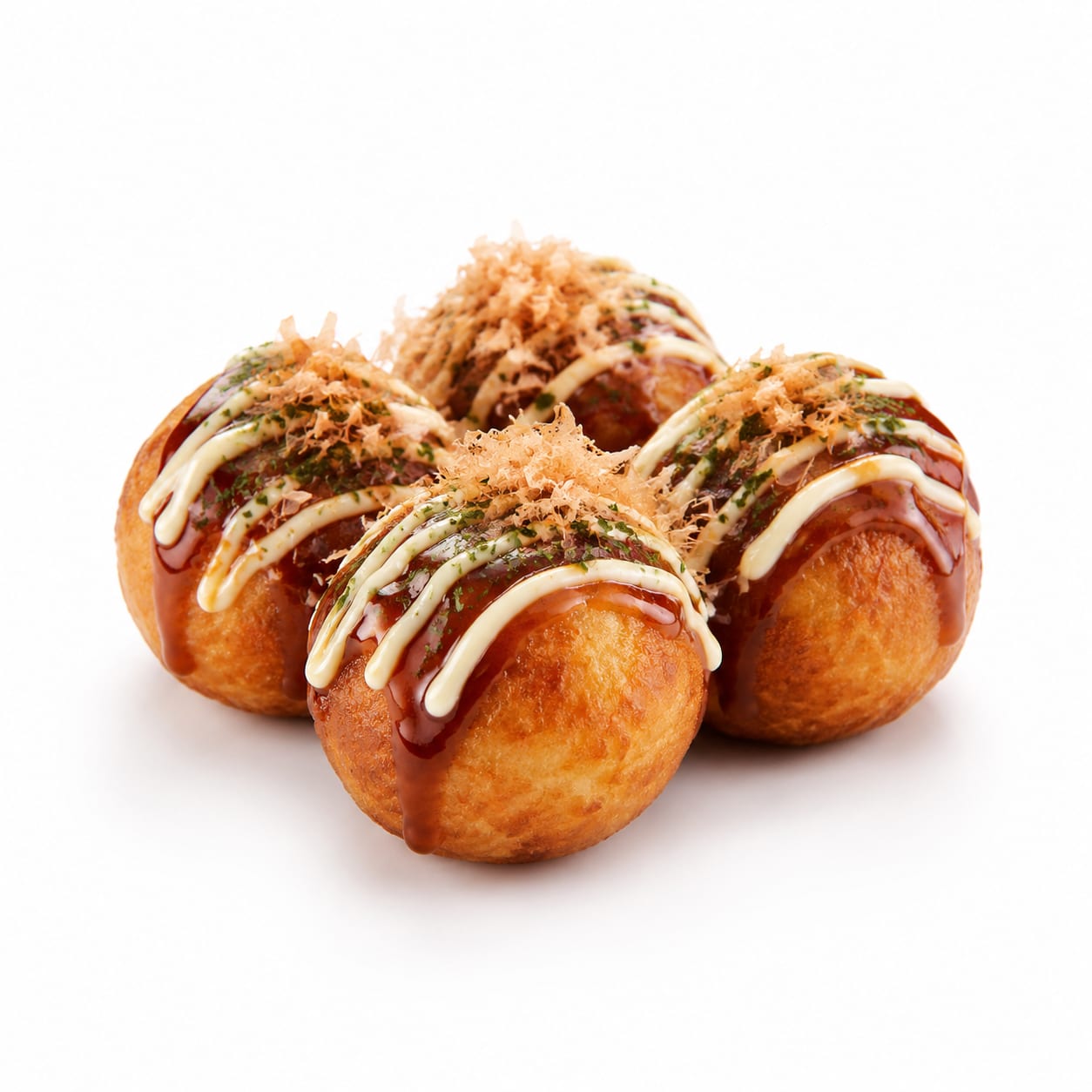
Takoyaki
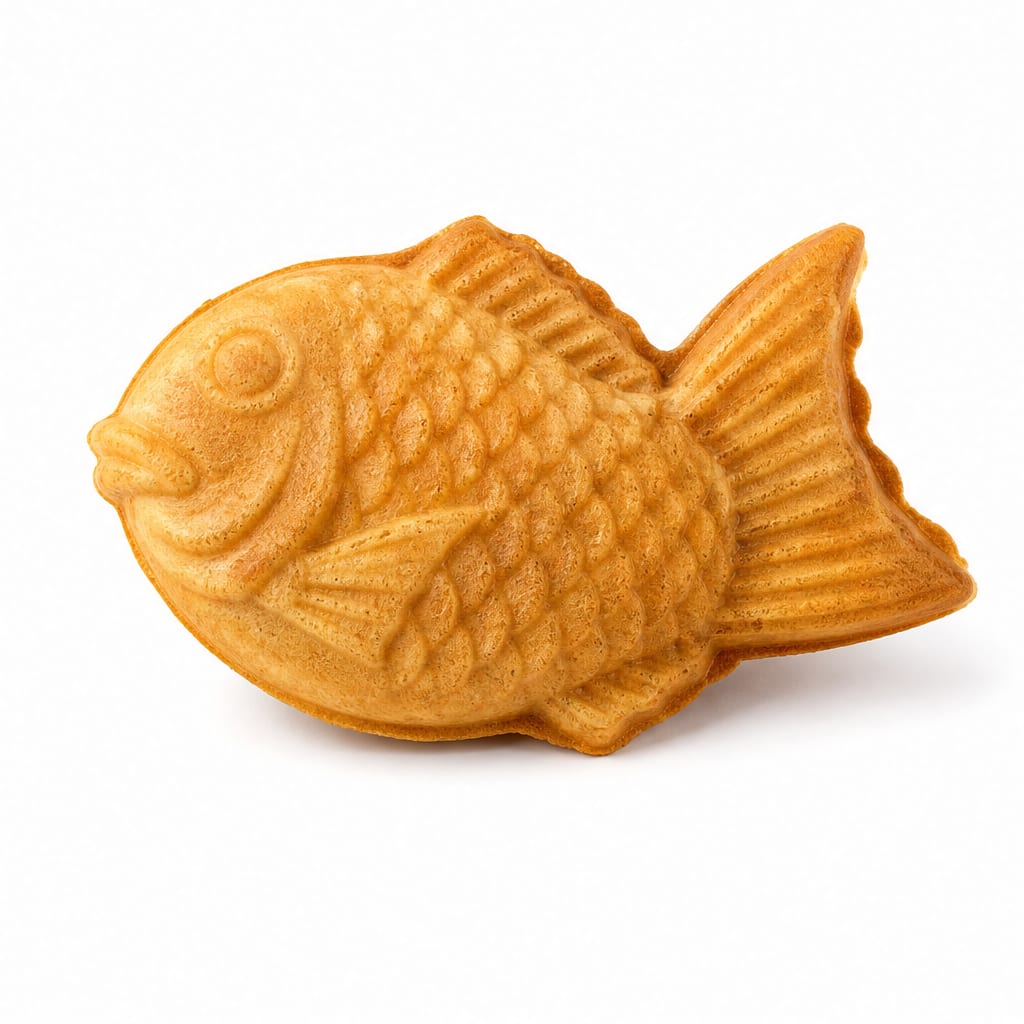
Taiyaki
Takoyaki offers more protein and steadier energy but comes with higher sodium. Taiyaki is lighter and lower in sodium but the sweet filling spikes blood sugar faster.
Takoyaki scores slightly higher due to protein content and better satiety, but both are indulgent street foods with meaningful nutritional downsides. The small gap reflects that neither is a health food.
Sodium load in Takoyaki versus sugar load in Taiyaki — you are choosing which burden your body handles better.
At a glance
Executive summary
Overall
It depends
Healthier
It depends
More practical
Taiyaki
Daily use
It depends
Key comparison lenses
savory vs sweet snack choice
Takoyaki is savory and protein-containing while Taiyaki is sweet and carb-dominant, making this the core decision axis
blood sugar and energy stability
Sweet bean paste versus savory octopus filling creates very different glycemic responses
satiety and hunger control
Protein and fat in Takoyaki provide more lasting fullness than Taiyaki's carbohydrate-heavy profile
sodium and sugar tradeoff
Takoyaki carries more sodium from sauces while Taiyaki carries more sugar from sweet fillings
street food health optimization
Both are Japanese street snacks users want to enjoy without excessive health compromise
Best choice for
Takoyaki
- People wanting protein with their snack
- Those avoiding sweet foods or managing sugar intake
- Anyone needing longer-lasting satiety between meals
- Savory snack preference with umami satisfaction
Taiyaki
- People watching sodium intake
- Those wanting a lighter, less greasy treat
- Anyone craving a comforting sweet snack
- Kids who prefer mild sweet flavors over savory
Least suitable for
Takoyaki
- People on low-sodium diets
- Those with shellfish or seafood allergies
- Anyone sensitive to rich, oily foods
Taiyaki
- People managing diabetes or blood sugar issues
- Those on low-carb or keto diets
- Anyone avoiding added sugars
Deep comparison
Dimension by dimension
Each lens scores both foods and breaks down who each option suits.
- Dimension 1 · Priority 88Takoyaki
protein_content_and_quality
Takoyaki · 68Taiyaki · 22Takoyaki provides meaningful protein from octopus while Taiyaki offers almost none from its sweet bean or custard filling.
Tradeoff
You get real protein in Takoyaki but it comes with more fat and sodium from frying and sauces.
Why it matters
Protein turns a snack into something that actually holds you over instead of just delaying hunger by 30 minutes.
Real-world impact
After eating Takoyaki you are less likely to raid the fridge an hour later. Taiyaki may leave you hungry again quickly.
Takoyaki
- Post-workout snacking when protein matters
- Replacing a light meal rather than just having a treat
Better for
- Those who want a light, non-heavy snack
Worse for
Taiyaki
- Occasions where protein is not the priority
Better for
- Anyone relying on this snack to tide them over for hours
Worse for
- Dimension 2 · Priority 85Takoyaki
blood_sugar_stability
Takoyaki · 55Taiyaki · 32Taiyaki's sweet red bean paste or custard filling delivers a faster sugar hit. Takoyaki's savory profile causes a gentler blood sugar rise.
Tradeoff
Takoyaki still contains refined carbs from batter, but the protein and fat slow absorption. Taiyaki offers no such buffer.
Why it matters
A sugar spike followed by a crash means irritability, fatigue, and cravings — not just a number on a glucose monitor.
Real-world impact
Taiyaki as an afternoon snack can trigger an energy crash within 90 minutes. Takoyaki keeps you steadier.
Takoyaki
- Mid-afternoon when you need stable energy
- Anyone prone to sugar crashes
Better for
- Those who still want to minimize all refined carbs
Worse for
Taiyaki
- Right after intense exercise when quick carbs help
Better for
- People with insulin resistance or prediabetes
- Anyone trying to reduce sugar cravings
Worse for
- Dimension 3 · Priority 80Taiyaki
sodium_load
Takoyaki · 30Taiyaki · 62Takoyaki is coated in savory sauces and mayo that pile on sodium. Taiyaki's sweet profile keeps sodium significantly lower.
Tradeoff
Lower sodium in Taiyaki comes with higher sugar. You are trading one cardiovascular concern for another.
Why it matters
Regular high-sodium snacks raise blood pressure over time, even if you do not feel it immediately.
Real-world impact
A serving of Takoyaki can deliver 600-900mg of sodium — roughly a third of your daily ideal limit. Taiyaki stays well under 300mg.
Takoyaki
- Active individuals who sweat heavily and need sodium replenishment
Better for
- Those on low-sodium diets for blood pressure
- People eating other high-sodium foods the same day
Worse for
Taiyaki
- Anyone with hypertension or sodium sensitivity
- People who already eat salty meals throughout the day
Better for
- Not a concern for sodium specifically
Worse for
- Dimension 4 · Priority 72Taiyaki
calorie_density_and_portion_control
Takoyaki · 38Taiyaki · 52Takoyaki's oil-fried batter and mayonnaise topping make it more calorie-dense per piece. Taiyaki is lighter per serving despite the sweet filling.
Tradeoff
Taiyaki is easier on calories but less filling, so you may eat more overall. Takoyaki is heavier but more satisfying in smaller amounts.
Why it matters
Calorie density determines whether you stop at a reasonable portion or keep eating without realizing it.
Real-world impact
Six pieces of Takoyaki can easily hit 350-450 calories. One Taiyaki sits around 200-280 calories and feels like a complete treat.
Takoyaki
- When you want a smaller amount to feel satisfied
Better for
- Mindless snacking — the small pieces add up fast
Worse for
Taiyaki
- When counting calories more precisely
- A lighter dessert option after a full meal
Better for
- When you need the snack to actually replace a mini-meal
Worse for
- Dimension 5 · Priority 78Takoyaki
satiety_and_fullness
Takoyaki · 65Taiyaki · 38Protein, fat, and umami richness make Takoyaki substantially more filling. Taiyaki digests quickly due to its sweet, carb-forward profile.
Tradeoff
Greater satiety in Takoyaki comes with heavier digestion. Taiyaki feels lighter but leaves you hungry sooner.
Why it matters
A snack that actually satisfies prevents overeating later. A snack that does not just delays the next eating episode.
Real-world impact
Takoyaki can bridge a 4-hour gap between meals. Taiyaki might only buy you 1-2 hours before hunger returns.
Takoyaki
- Long gaps between meals
- Busy afternoons when you cannot eat again soon
Better for
- When you want a light, non-greasy treat
Worse for
Taiyaki
- Right after a meal when you just want something sweet
- Light snacking when a full stomach feels uncomfortable
Better for
- When the snack needs to hold you over for hours
Worse for
- Dimension 6 · Priority 65Taiyaki
allergen_and_dietary_flexibility
Takoyaki · 35Taiyaki · 55Takoyaki contains octopus, wheat, egg, and often dashi — a tough combination for allergies. Taiyaki has fewer major allergens and more filling variations.
Tradeoff
Taiyaki is more adaptable but still contains wheat and sometimes egg. Neither is truly allergen-friendly.
Why it matters
Seafood and egg allergies are common and serious. Fewer allergens mean more people can safely enjoy the treat.
Real-world impact
Takoyaki is off-limits for anyone with shellfish or seafood allergies. Taiyaki with custard or chocolate filling avoids that issue entirely.
Takoyaki
- Those without seafood or egg allergies who want complete nutrition
Better for
- Anyone with seafood, egg, or multiple food allergies
- Vegetarians and vegans
Worse for
Taiyaki
- People with seafood allergies
- Those who want filling variety like chocolate or custard instead of bean paste
Better for
- Those with wheat or gluten sensitivity — both foods share this issue
Worse for
Timeline
Health impact over time
Short-term
Hours to days
Takoyaki
- Quick satiety from protein and fat combination
- Possible thirst from high sodium within an hour
- Heavier feeling in stomach due to oil and mayo
Taiyaki
- Quick energy boost from simple carbohydrates
- Possible sugar crash within 60-90 minutes
- Lighter stomach feel but faster return of hunger
Long-term
Months to years
Takoyaki
- Regular consumption may contribute to elevated blood pressure from sodium
- Protein intake supports muscle maintenance if consumed moderately
- Fried batter consumed frequently adds inflammatory oils to diet
Taiyaki
- Frequent sugar intake from sweet fillings may worsen insulin sensitivity
- Lower sodium load is gentler on cardiovascular health long-term
- Regular refined carb consumption may increase cravings for sweets
Risk profile
Safety & processing
Both are freshly cooked street foods with recognizable ingredients, but Takoyaki's sauces and mayo introduce more processed additives. Taiyaki's batter and bean paste are closer to whole-food preparations, though refined flour is the base for both.
Takoyaki
Seafood-related foodborne illness
mediumOctopus must be properly cooked and stored. Street vendors with high turnover are generally safe, but improper holding temperatures can increase risk.
Cross-contamination with other seafood
mediumTakoyaki stalls often handle multiple seafood ingredients, raising allergy cross-contact risk.
Taiyaki
Sweet filling spoilage in warm conditions
lowRed bean paste and custard fillings can spoil if left warm too long, though Taiyaki is typically served fresh and consumed immediately.
Sugar fermentation in pre-made fillings
lowMass-produced fillings may contain preservatives. Freshly made bean paste is preferable but not always available.
Who wins for whom
Audience fit
Same foods, different winners depending on your goal.
children
TaiyakiMild sweet flavor and fun fish shape appeal to kids, with lower sodium and no seafood allergy risk in most varieties.
daily consumption
It dependsNeither should be daily, but if forced to choose: Taiyaki for lower sodium, Takoyaki for better satiety. Rotating both is the most sensible approach.
diabetes
TakoyakiSavory profile with protein and fat causes slower blood sugar rise compared to Taiyaki's sweet filling.
elderly
TaiyakiSofter texture and lower sodium make Taiyaki easier on aging digestive systems and blood pressure concerns.
muscle gain
TakoyakiOctopus provides complete protein that supports muscle maintenance, while Taiyaki offers negligible protein.
weight loss
TaiyakiLower calorie density per serving makes portion control easier, though neither is ideal for weight loss.
Your move
Decision guide
Choose Takoyaki
- You need a snack that actually holds you over for hours
- You are watching sugar intake but okay with moderate sodium
- You want protein in your snack rather than empty carbs
- Savory and umami flavors satisfy you more than sweet ones
Choose Taiyaki
- You are managing blood pressure and need to limit sodium
- You want a lighter treat after a full meal
- You or your companions have seafood allergies
- You are counting calories and prefer a defined single-serving portion
Either works if
- You are eating it occasionally as a cultural experience rather than a nutritional choice
- Both fit your dietary needs and you simply want variety
- You are sharing with friends and want to order both for the group
Avoid both if
- You need a low-carb or keto-friendly snack — both are refined-carb heavy
- You have celiac disease or gluten intolerance — both use wheat flour batter
- You are looking for a whole-food, minimally processed snack option
Final recommendation
Choose Takoyaki when you need real sustenance and satiety from your snack. Choose Taiyaki when you want a lighter, sweeter treat with less sodium. Both are occasional street foods — enjoy them as cultural experiences rather than daily staples, and neither will derail a balanced diet.
Practical
Consumer tips
- 1
Ask for less sauce on Takoyaki to cut sodium by 30-40% without losing the core flavor
- 2
Choose red bean paste Taiyaki over custard or chocolate for slightly more fiber and less added sugar
- 3
Share a Takoyaki order with a friend — 3 pieces are usually enough to satisfy without overdoing sodium
- 4
Eat Taiyaki right after a protein-containing meal to blunt the blood sugar spike from the sweet filling
- 5
If buying from street vendors, choose stalls with high customer turnover for fresher, safer food
- 6
Drink extra water after Takoyaki to help your body process the sodium load