
Nutrition comparison
Takoyaki vs Onion Rings: Which Fried Snack Is Actually Better for You?
Compare takoyaki and onion rings on protein, calories, sodium, and nutrition. Find out which fried indulgence gives you more for your calories and when to choose each.
Overall winner · Takoyaki
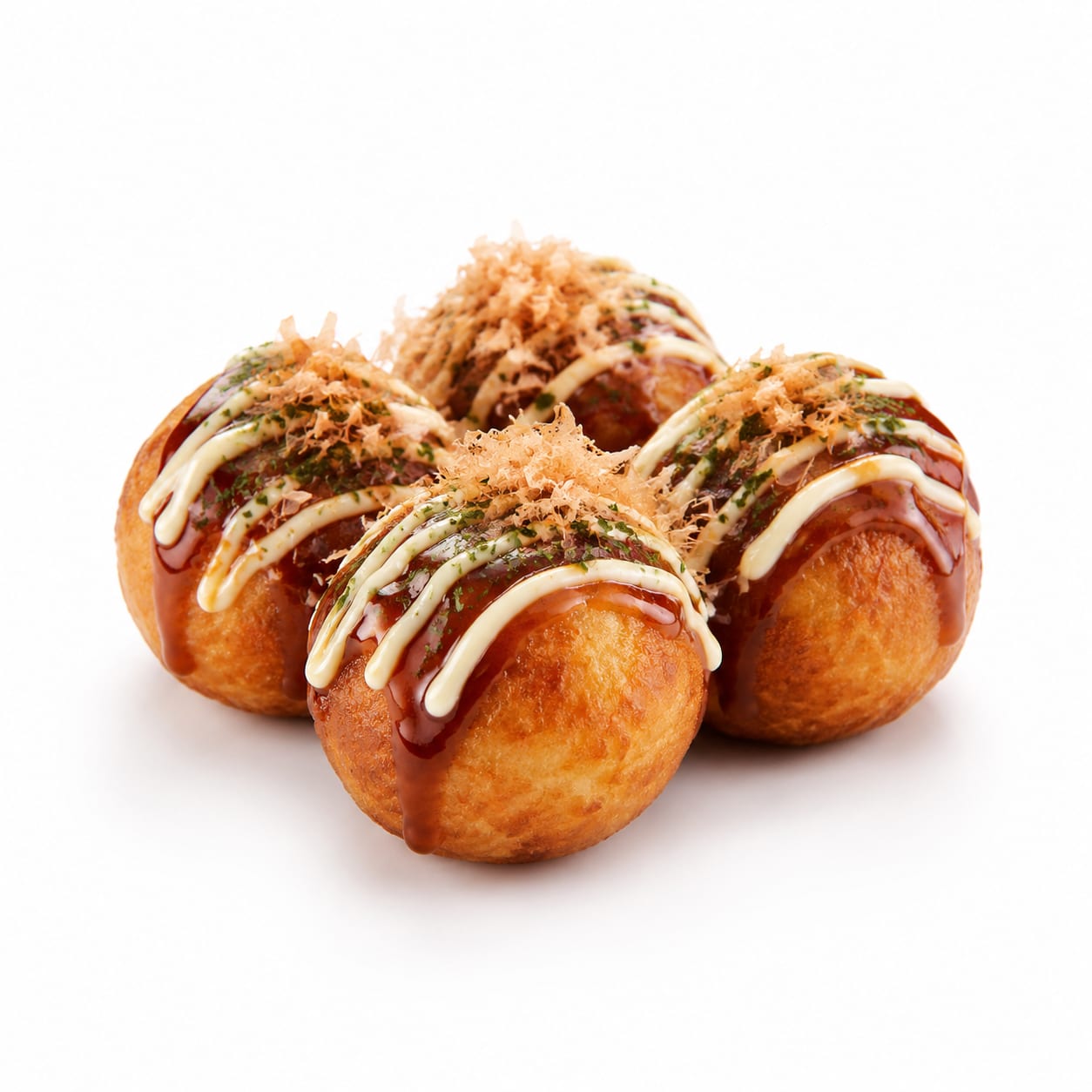
Takoyaki
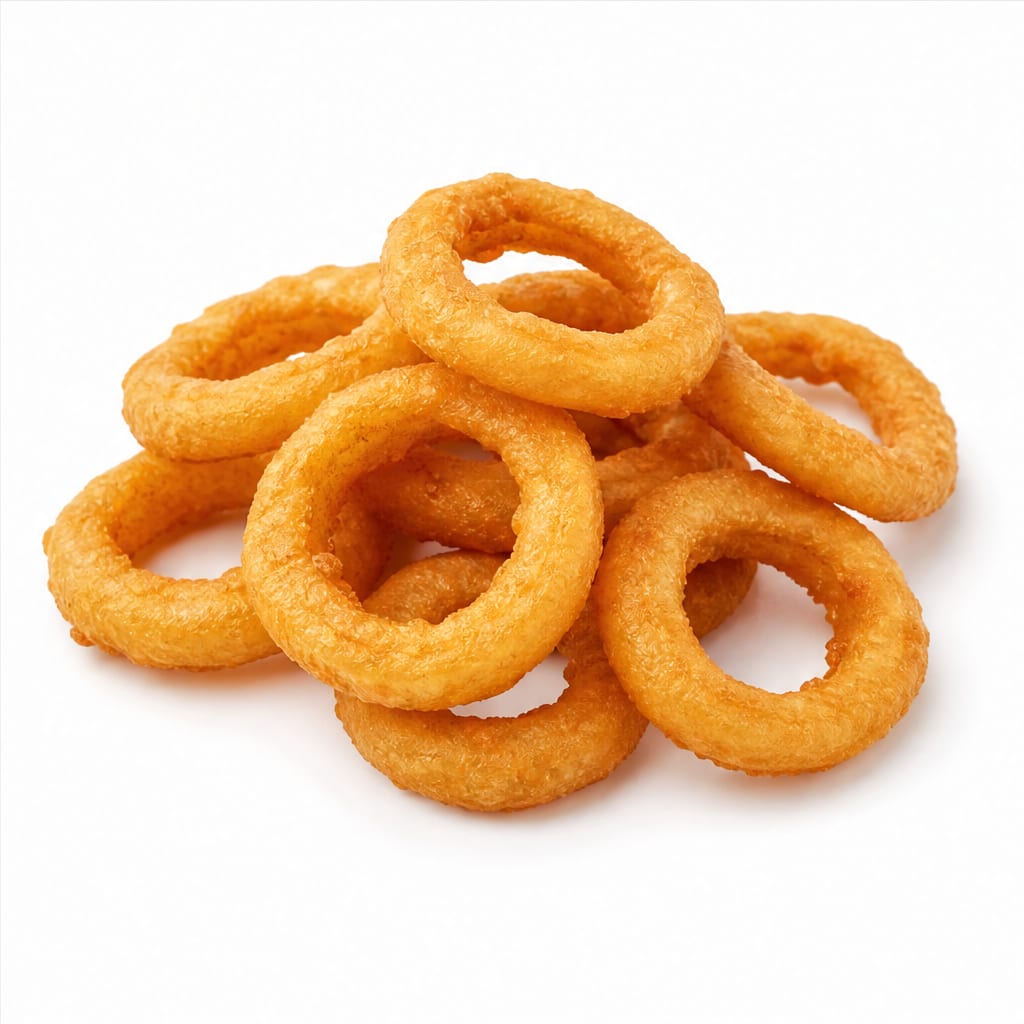
Onion Rings
Takoyaki edges ahead thanks to octopus protein and a more balanced macronutrient profile, but both are fried indulgences best enjoyed in moderation.
Takoyaki scores moderately due to octopus protein and micronutrients, while onion rings score lower as a nearly empty-calorie fried food. Neither is a health food, but takoyaki offers more nutritional return for the calorie investment.
Takoyaki gives you real protein and a more satisfying bite, while onion rings are simpler and more accessible but nutritionally emptier.
At a glance
Executive summary
Overall
Takoyaki
Healthier
Takoyaki
More practical
Onion Rings
Daily use
It depends
Key comparison lenses
fried snack comparison with protein tradeoffs
Both are deep-fried indulgent snacks, but takoyaki offers seafood protein while onion rings are almost pure carbs and fat
calorie density and weight management
Both foods are calorie-dense fried items where portion control is a real challenge
sodium and sauce impact
Takoyaki sauces and toppings add significant sodium, while onion rings rely on salty breading
nutrient density in indulgent foods
Users choosing between fried snacks may still want to know which offers more nutritional value
food safety and ingredient quality
Octopus sourcing and frying oil quality are both legitimate concerns
Best choice for
Takoyaki
- Those wanting protein even in snack form
- People who find fried foods less satisfying and want something more filling
- Anyone seeking a more nutrient-dense indulgence
- Fans of Japanese cuisine looking for authentic street food
Onion Rings
- Quick side dish at restaurants or fast food outlets
- People avoiding seafood or with shellfish allergies
- Those wanting a simple, familiar comfort food
- Budget-conscious snackers looking for cheaper options
Least suitable for
Takoyaki
- People with seafood or octopus allergies
- Those on strict low-sodium diets due to sauce toppings
- Anyone seeking a low-calorie snack option
Onion Rings
- People managing blood sugar due to high refined carb content
- Those seeking any meaningful protein intake from their food
- Anyone watching their fat intake closely
Deep comparison
Dimension by dimension
Each lens scores both foods and breaks down who each option suits.
- Dimension 1 · Priority 90Takoyaki
Protein Quality and Content
Takoyaki · 62Onion Rings · 18Takoyaki delivers meaningful protein from octopus, while onion rings are essentially protein-free.
Tradeoff
You get real satiating protein in takoyaki, but it comes with the same fried-food calorie cost as onion rings.
Why it matters
Protein makes a fried snack more filling and slows blood sugar spikes, making takoyaki the better choice for sustained energy.
Real-world impact
A serving of takoyaki will keep you fuller for longer than onion rings, reducing the chance you reach for another snack an hour later.
Takoyaki
- Post-drinking food that actually sustains you
- Active people wanting some protein in a fun snack
Better for
Onion Rings
- Anyone relying on this as any part of their protein intake
- Recovery after exercise when protein matters
Worse for
- Dimension 2 · Priority 88Takoyaki
Calorie Density and Fat Content
Takoyaki · 42Onion Rings · 30Both are fried and calorie-dense, but onion rings absorb more oil due to their breading-to-filling ratio.
Tradeoff
Takoyaki is slightly less calorically punishing per piece, but the difference is modest enough that portion size matters far more.
Why it matters
Oil absorption in deep-fried foods directly drives calorie counts up, and onion rings have more surface area for oil to cling to.
Real-world impact
A six-piece takoyaki serving feels more like a complete snack, while a small onion ring portion can easily exceed 400 calories before you feel satisfied.
Takoyaki
- More controlled calorie intake per serving
- Easier to stop at a reasonable portion
Better for
Onion Rings
- Weight management due to easy overconsumption
- Anyone tracking calories closely
Worse for
- Dimension 3 · Priority 82Onion Rings
Sodium Load
Takoyaki · 35Onion Rings · 45Takoyaki sauces and toppings pile on sodium, while onion rings rely on seasoned breading that is salty but more controllable.
Tradeoff
The savory umami toppings that make takoyaki delicious also make it a sodium bomb, while onion rings are more straightforwardly salty.
Why it matters
High sodium intake from condiments is sneaky because it does not taste as salty as table salt, making it easier to overconsume.
Real-world impact
After eating takoyaki with full toppings, you may notice thirst and bloating more than after onion rings, especially if you are sodium-sensitive.
Takoyaki
- Anyone on a low-sodium eating plan
- People with hypertension concerns
Worse for
Onion Rings
- Those monitoring blood pressure
- People prone to bloating from sodium
Better for
- Dimension 4 · Priority 75Takoyaki
Micronutrient Value
Takoyaki · 55Onion Rings · 28Octopus brings iron, zinc, and B12 to takoyaki, while onion rings offer only modest amounts of vitamin C and antioxidants from the onion itself.
Tradeoff
Takoyaki is one of the few fried foods that delivers meaningful micronutrients, but you still have to eat fried batter to get them.
Why it matters
Getting nutrients alongside indulgent calories makes the indulgence slightly less wasteful from a health perspective.
Real-world impact
Choosing takoyaki over onion rings means your cheat meal at least contributes some iron and B12 toward your daily needs.
Takoyaki
- Anyone wanting nutrients even in indulgent food
- People who may be low in B12 or iron
Better for
Onion Rings
- Those expecting meaningful nutrition from their side dish
Worse for
- Dimension 5 · Priority 78Takoyaki
Blood Sugar Impact
Takoyaki · 40Onion Rings · 28Both are refined-carb heavy, but takoyaki's protein slows glucose absorption slightly compared to the pure carb-fat combo of onion rings.
Tradeoff
Neither food is blood-sugar friendly, but takoyaki's protein blunts the spike a little, making it the lesser of two evils.
Why it matters
A carb-fat snack without protein causes sharper blood sugar spikes followed by crashes, driving cravings and fatigue.
Real-world impact
Onion rings are more likely to leave you feeling sluggish an hour later, while takoyaki provides slightly steadier energy.
Takoyaki
- People with mild blood sugar concerns
- Those wanting to avoid the afternoon energy crash
Better for
Onion Rings
- Anyone with diabetes or insulin resistance
- People sensitive to blood sugar swings
Worse for
- Dimension 6 · Priority 70Onion Rings
Convenience and Accessibility
Takoyaki · 30Onion Rings · 75Onion rings are available at nearly any fast food restaurant or frozen food aisle, while takoyaki requires specialty shops or homemade effort.
Tradeoff
Onion rings win on pure convenience, but takoyaki offers a more unique and culturally rich eating experience.
Why it matters
The food you can actually access consistently matters more in daily life than the one that is theoretically better.
Real-world impact
You can grab onion rings almost anywhere, while finding good takoyaki usually means seeking out a Japanese restaurant or festival.
Takoyaki
- Last-minute snack cravings
- People without access to Japanese restaurants
Worse for
Onion Rings
- Quick restaurant side dish needs
- Frozen snack options at the grocery store
- Road trips and fast food stops
Better for
Timeline
Health impact over time
Short-term
Hours to days
Takoyaki
- Satisfying fullness from protein helps prevent immediate overeating
- Sodium from sauces may cause thirst and mild bloating
- Rich umami flavor can trigger cravings for more savory food
Onion Rings
- Quick blood sugar spike followed by a crash within an hour
- Greasy heaviness that may cause sluggishness
- Low satiety means you may still feel hungry despite the calories
Long-term
Months to years
Takoyaki
- Occasional consumption provides useful B12 and iron from octopus
- Regular intake of fried foods still contributes to cardiovascular risk
- High sodium from repeated takoyaki consumption may affect blood pressure over time
Onion Rings
- Frequent consumption adds significant empty calories with minimal nutritional return
- Habitual deep-fried food intake raises inflammatory markers over time
- Virtually no protective nutrients to offset the health costs of regular frying
Risk profile
Safety & processing
Both are cooked-from-scratch foods in their traditional forms, but restaurant and frozen versions of both can include preservatives and additives. Takoyaki's toppings like bonito flakes and aonori are relatively natural, while onion ring breading often contains more industrial ingredients in commercial settings.
Takoyaki
Seafood allergy and cross-contamination
highOctopus is a mollusk, and takoyaki is often prepared in kitchens handling multiple seafood types, posing serious risks for those with shellfish or mollusk allergies.
Undercooked center
mediumTakoyaki is cooked quickly on the outside, and if not prepared properly, the center may remain undercooked, which is a minor concern with the batter and egg.
Mercury and heavy metals in octopus
lowOctopus generally has lower mercury levels than large predatory fish, but regular consumption of any cephalopod carries some heavy metal exposure risk.
Onion Rings
Acrylamide formation from deep frying
mediumFrying starchy foods at high temperatures produces acrylamide, a probable carcinogen. Onion rings, with their starchy breading, are a significant source.
Oxidized frying oils
mediumCommercial onion rings are often fried in reused oils that become oxidized and inflammatory, especially at fast food establishments.
Cross-contamination with common allergens
lowBreading may contain wheat, egg, and dairy, and shared fryers introduce cross-contamination risks for those with severe allergies.
Who wins for whom
Audience fit
Same foods, different winners depending on your goal.
children
Onion RingsOnion rings are more kid-friendly and avoid seafood allergy risks, though both should be occasional treats for children.
daily consumption
It dependsNeither should be eaten daily, but if forced to choose, takoyaki at least contributes meaningful nutrients alongside the indulgence.
diabetes
TakoyakiNeither is ideal, but takoyaki's protein slows glucose absorption modestly compared to the pure refined-carb hit of onion rings.
elderly
TakoyakiB12 and iron from octopus are particularly valuable for older adults, and the softer texture of takoyaki is easier to chew than crispy onion rings.
muscle gain
TakoyakiOctopus provides complete protein with essential amino acids, while onion rings offer virtually nothing for muscle building.
weight loss
TakoyakiTakoyaki's protein content provides more satiety per calorie, making it slightly easier to eat a reasonable portion and stop.
Your move
Decision guide
Choose Takoyaki
- You want a fried snack that actually fills you up
- You value getting some protein and micronutrients even in indulgent food
- You are at a Japanese restaurant and want something more balanced than tempura
- You find that onion rings always leave you hungry again quickly
Choose Onion Rings
- You or someone you are sharing with has a seafood allergy
- You want a simple, familiar side dish at a casual restaurant
- You are craving something crunchy and straightforward
- You need something available at any fast food drive-through
Either works if
- You are treating yourself and neither food will be a regular habit
- You are sharing appetizers with a group and variety matters more than nutrition
- You have already eaten a balanced meal and this is purely a bonus
Avoid both if
- You are managing heart disease and need to limit fried foods strictly
- You are on a calorie-controlled eating plan and cannot afford empty calories
- You have severe sodium restrictions from your doctor
- You are trying to break a pattern of daily fried food consumption
Final recommendation
When the fried snack craving hits, takoyaki gives you more nutritional bang for your buck with real protein and micronutrients. But if seafood is off the table or convenience is king, onion rings are fine as an occasional treat. The real decision is not which fried food to pick, but how often you are choosing fried foods at all.
Practical
Consumer tips
- 1
Ask for takoyaki with light sauce to cut sodium by roughly 30%
- 2
Share an order of either snack rather than eating a full portion alone
- 3
If making onion rings at home, try oven-baking instead of deep frying to slash calories significantly
- 4
Pair takoyaki with a side of vegetables or miso soup to make it part of a more balanced meal
- 5
For frozen onion rings, check the ingredient list for partially hydrogenated oils and avoid those brands
- 6
Limit either snack to once a week or less to keep fried food intake reasonable