
Nutrition comparison
Takoyaki vs Korean Pancake (Pajeon): Which Street Snack Is Healthier?
Compare Takoyaki and Korean Pancake nutrition including calories, sodium, protein, and fiber. Find out which Asian street food is the smarter choice for your health goals.
Overall winner · Korean Pancake (Pajeon)
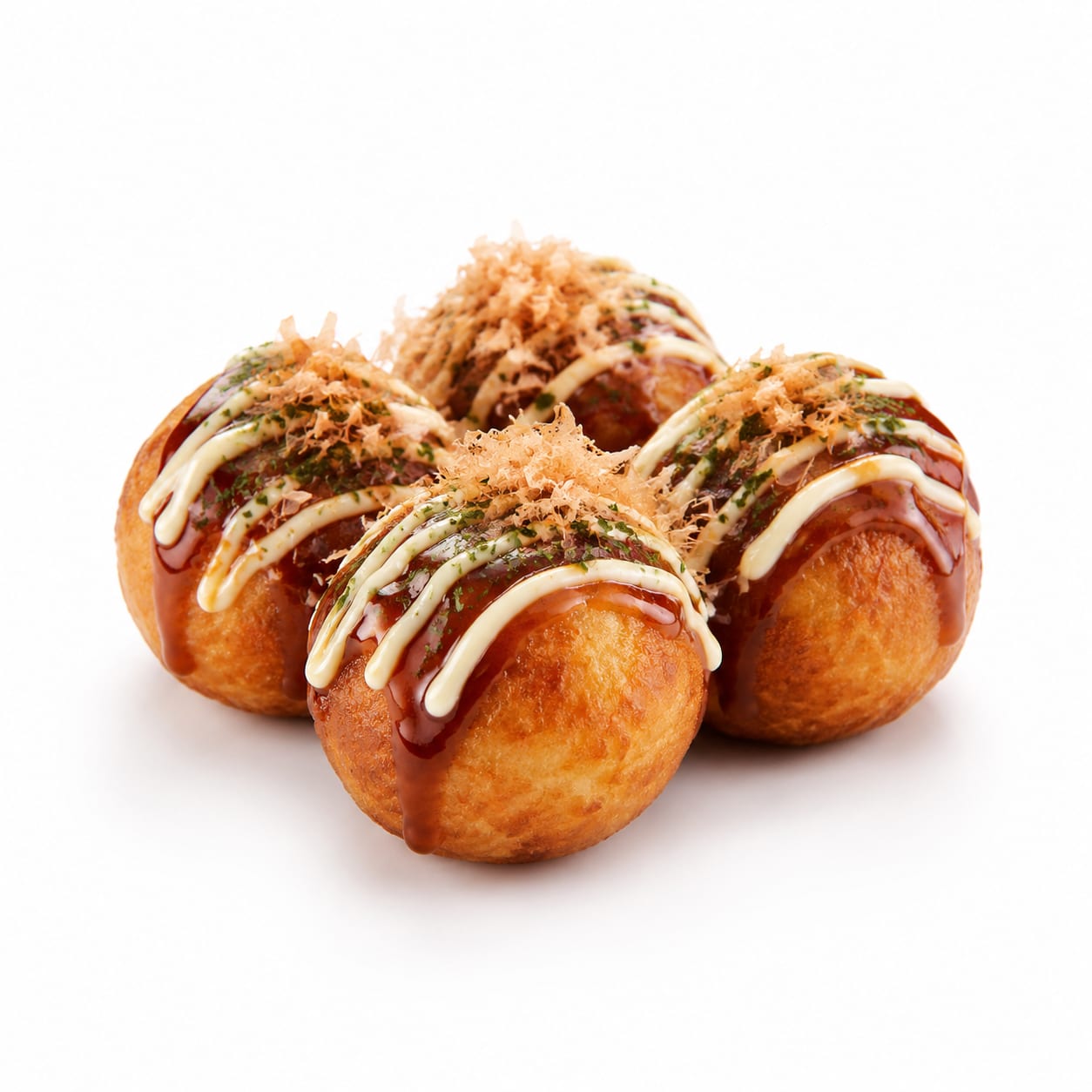
Takoyaki
.jpg)
Korean Pancake (Pajeon)
Korean Pancake edges out Takoyaki thanks to more vegetables, less sodium-heavy toppings, and easier portion control, though both are indulgent fried snacks.
Korean Pancake scores moderately higher due to better vegetable content, lower sodium from toppings, and more controllable portions. Takoyaki loses ground on sauce-driven sugar and sodium, though its consistent octopus protein is a meaningful plus.
Takoyaki delivers more consistent protein from octopus but drowns it in sugary, salty sauces—Pajeon keeps things simpler with more veggies but less protein certainty.
At a glance
Executive summary
Overall
Korean Pancake (Pajeon)
Healthier
Korean Pancake (Pajeon)
More practical
Korean Pancake (Pajeon)
Daily use
Korean Pancake (Pajeon)
Key comparison lenses
street food nutrition comparison
Both are popular Asian street snacks often chosen casually, so understanding their nutritional tradeoffs matters for frequent consumers
oil and fat intake
Both are cooked with significant oil—Takoyaki in molded wells, Pajeon pan-fried—making fat content a key differentiator
sodium and sauce impact
Takoyaki's multiple toppings (sauce, mayo, bonito) create a much higher sodium load than Pajeon's simpler dip
protein quality from seafood
Both can contain seafood but Takoyaki always has octopus while Pajeon varies, affecting protein consistency
vegetable and fiber content
Pajeon typically packs more green onions and optional veggies, giving it a fiber advantage
Best choice for
Takoyaki
- Seafood protein seekers who want a consistent octopus serving
- Those wanting a smaller, bite-sized portion that feels lighter per piece
- People who find savory-sweet flavor combos more satisfying
Korean Pancake (Pajeon)
- Vegetable-forward snackers wanting more fiber and greens
- Sodium-conscious eaters who prefer controlling dip amount
- Those sharing food family-style where portion flexibility matters
Least suitable for
Takoyaki
- People managing hypertension or sodium-restricted diets
- Anyone avoiding sugar-sweetened sauces
- Those with octopus or shellfish allergies
Korean Pancake (Pajeon)
- People seeking reliable protein per serving
- Those avoiding heavy oil pan-fried foods
- Gluten-sensitive individuals (large flour base)
Deep comparison
Dimension by dimension
Each lens scores both foods and breaks down who each option suits.
- Dimension 1 · Priority 90Korean Pancake (Pajeon)
Sodium and Sauce Load
Takoyaki · 28Korean Pancake (Pajeon) · 55Takoyaki's signature toppings—thick sauce, Japanese mayo, bonito flakes—create a sodium bomb that Pajeon simply doesn't match.
Tradeoff
Pajeon's soy-based dip adds sodium too, but you control how much you use. Takoyaki's sauces are baked in and piled on top.
Why it matters
Regular high-sodium snacking raises blood pressure over time, especially when eating street food multiple times per week.
Real-world impact
A 6-piece Takoyaki serving can hit 800-1200mg sodium. Pajeon with light dipping stays closer to 500-700mg.
Takoyaki
- Those who find bland food unsatisfying and need bold flavor to feel full
Better for
- Hypertension management
- Late-night snacking (sodium disrupts sleep quality)
Worse for
Korean Pancake (Pajeon)
- Anyone watching blood pressure or trying to reduce salty cravings
Better for
- People who over-dip and negate the sodium advantage
Worse for
- Dimension 2 · Priority 82Takoyaki
Protein Quality and Consistency
Takoyaki · 62Korean Pancake (Pajeon) · 40Every Takoyaki piece contains octopus, delivering reliable lean protein. Pajeon's protein depends entirely on whether seafood or meat was added.
Tradeoff
Takoyaki guarantees protein but in small total amounts per serving. Pajeon can match it with seafood additions but often doesn't.
Why it matters
Protein turns a snack into something that actually holds you over. Without it, both foods become carb-heavy appetite triggers.
Real-world impact
Standard Takoyaki gives roughly 8-12g protein per serving. Plain Pajeon may only deliver 4-6g unless you order seafood version.
Takoyaki
- Post-workout snackers wanting predictable protein
- Those who eat seafood but not meat
Better for
- Not enough protein to serve as a meal replacement
Worse for
Korean Pancake (Pajeon)
- Haemul Pajeon (seafood version) can match or exceed Takoyaki protein
Better for
- Plain green onion Pajeon is mostly carb and fat with minimal protein
Worse for
- Dimension 3 · Priority 80Korean Pancake (Pajeon)
Vegetable and Fiber Content
Takoyaki · 30Korean Pancake (Pajeon) · 65Pajeon is loaded with green onions and often additional vegetables. Takoyaki's veggie content is minimal—just tiny bits of pickled ginger and scallion.
Tradeoff
More vegetables means better fiber, more satiety, and steadier blood sugar. But it also means Pajeon's batter-to-veggie ratio varies widely by cook.
Why it matters
Fiber slows digestion and prevents the quick blood sugar spike that fried flour snacks typically cause.
Real-world impact
Pajeon can deliver 2-3g fiber per serving. Takoyaki barely reaches 1g, making it more likely to leave you hungry again soon.
Takoyaki
- Those who dislike vegetable textures in their snacks
Better for
- Sustained energy—without fiber, the carbs hit fast and fade fast
Worse for
Korean Pancake (Pajeon)
- Anyone wanting a snack that actually contributes to daily vegetable intake
- People prone to blood sugar crashes after carb-heavy food
Better for
- Overloaded Pajeon can fall apart and absorb more oil during cooking
Worse for
- Dimension 4 · Priority 76It depends
Oil and Fat Profile
Takoyaki · 42Korean Pancake (Pajeon) · 45Both are oil-heavy. Takoyaki uses oil in the molded wells but drains somewhat. Pajeon absorbs oil throughout the flat pancake surface.
Tradeoff
Takoyaki's spherical shape means less surface area touching oil per bite. Pajeon's flat shape means more even oil contact but potentially more absorption.
Why it matters
Oil calories add up fast—both foods can exceed 15-20g fat per serving, mostly from refined cooking oils.
Real-world impact
Neither is a low-fat option. A typical serving of either runs 300-500 calories with significant fat contribution from frying oil.
Takoyaki
- Slightly less oil absorption due to shape and cooking method
Better for
- Japanese mayo topping adds extra fat on top of frying oil
Worse for
Korean Pancake (Pajeon)
- Home-cooked Pajeon allows oil control—street Takoyaki does not
Better for
- Soggy Pajeon from poor technique can be oil-saturated
Worse for
- Dimension 5 · Priority 74Korean Pancake (Pajeon)
Blood Sugar Stability
Takoyaki · 32Korean Pancake (Pajeon) · 48Both are refined-carb forward, but Pajeon's fiber from vegetables slows the glucose response. Takoyaki's sweet sauce accelerates it.
Tradeoff
Neither food is diabetic-friendly. But Pajeon with its veggie content and no sugary sauce creates a slightly gentler blood sugar curve.
Why it matters
The combination of refined flour + sugar + fried oil is a triple threat for insulin spikes and subsequent energy crashes.
Real-world impact
Takoyaki's sauce contains noticeable sugar. Eating 6 pieces can feel energizing briefly, then sluggish within an hour.
Takoyaki
- Afternoon energy crash risk
- Not suitable as a standalone meal for diabetics
Worse for
Korean Pancake (Pajeon)
- Slightly steadier energy due to fiber and absence of sweet sauce
Better for
- Still a high-glycemic food that should be paired with protein
Worse for
- Dimension 6 · Priority 70Korean Pancake (Pajeon)
Portion Control and Eating Behavior
Takoyaki · 45Korean Pancake (Pajeon) · 58Takoyaki comes in fixed counts (usually 6 or 8), making it easy to overeat by ordering 'just one more set.' Pajeon is naturally shared, creating built-in portion limits.
Tradeoff
Takoyaki's bite-sized format feels light per piece but disappears fast. Pajeon feels heavy sooner, which naturally stops you.
Why it matters
Bite-sized foods consistently trigger overconsumption because your brain doesn't register fullness as quickly.
Real-world impact
It's easy to eat 12 Takoyaki without feeling full. One shared Pajeon usually satisfies a group without second orders.
Takoyaki
- Solo eaters who want a personal snack without sharing
Better for
- Mindless snacking—each piece disappears in one bite
Worse for
Korean Pancake (Pajeon)
- Group settings where natural sharing prevents overeating
- Those who struggle to stop eating bite-sized foods
Better for
- Large Pajeon can encourage overeating if you're very hungry
Worse for
Timeline
Health impact over time
Short-term
Hours to days
Takoyaki
- Quick energy from refined carbs and sugar in sauce, followed by a crash within 60-90 minutes
- High sodium may cause thirst and mild bloating shortly after eating
- Rich toppings can trigger heartburn in sensitive individuals
Korean Pancake (Pajeon)
- More sustained energy from vegetable fiber slowing carb absorption
- Greasy heaviness possible if poorly drained during cooking
- Soy dip can cause mild sodium-related thirst but less intense than Takoyaki
Long-term
Months to years
Takoyaki
- Frequent consumption contributes to high sodium intake patterns linked to hypertension
- Sugar-laden sauce habit reinforces sweet-savory craving cycles
- Low fiber intake from regular Takoyaki snacking misses digestive health benefits
Korean Pancake (Pajeon)
- More vegetable intake supports digestive regularity and gut health over time
- Oil-heavy preparation still poses cardiovascular concerns if eaten frequently
- Better fiber habit but still not a significant vegetable source compared to whole foods
Risk profile
Safety & processing
Both use refined flour as a base, but Takoyaki's commercial sauces and mayo introduce more processed ingredients—preservatives, flavor enhancers, and added sugars. Pajeon relies on simpler components: flour, eggs, vegetables, and a basic soy dip.
Takoyaki
Octopus undercooking
mediumIf octopus pieces are large, centers may not reach safe temperatures in the quick cooking time. Reputable vendors pre-cook octopus, but street stalls vary.
Mayonnaise spoilage
mediumJapanese mayo on Takoyaki sits at room temperature at festivals and street stands. While commercially produced mayo is pasteurized, extended heat exposure increases risk.
Cross-contamination at street stalls
lowHigh-volume Takoyaki vendors handle many orders rapidly with shared tools, creating minor cross-contamination potential.
Korean Pancake (Pajeon)
Oil reuse at restaurants
mediumPajeon is pan-fried, and some establishments reuse oil extensively, increasing oxidation and potentially harmful compounds.
Seafood spoilage in Haemul Pajeon
mediumSeafood Pajeon adds raw oysters, squid, or shrimp that spoil faster than the vegetable version. Freshness matters significantly.
Undercooked egg center
lowThick Pajeon may have slightly undercooked egg in the center if rushed, though this is uncommon with proper technique.
Who wins for whom
Audience fit
Same foods, different winners depending on your goal.
children
Korean Pancake (Pajeon)Pajeon's milder flavor and familiar pancake format appeal more to kids, with less sodium and no choking risk from octopus pieces. Takoyaki's hot interior can also burn young mouths.
daily consumption
Korean Pancake (Pajeon)Neither should be daily, but Pajeon's simpler ingredient list, more vegetables, and lower sodium make it the less harmful regular choice.
diabetes
Korean Pancake (Pajeon)Pajeon's fiber slows glucose absorption and lacks the sweet sauce that spikes blood sugar. Still, both are refined-carb heavy and should be eaten cautiously.
elderly
Korean Pancake (Pajeon)Pajeon's softer vegetable texture is easier to chew than octopus pieces. Lower sodium also matters more for older adults managing blood pressure.
muscle gain
TakoyakiTakoyaki's consistent octopus protein gives it a reliable edge, though neither food is ideal for muscle building. A seafood Pajeon would tie, but standard versions fall short.
weight loss
Korean Pancake (Pajeon)Pajeon's higher fiber and vegetable content provides more satiety per calorie, and sharing culture naturally limits portions. Takoyaki's bite-sized format and sugary sauce encourage overconsumption.
Your move
Decision guide
Choose Takoyaki
- You're craving seafood protein and want something more substantive than a pure carb snack
- You're at a Japanese festival and it's an occasional treat, not a habit
- You find savory-sweet combinations more satisfying and are less likely to snack again after
Choose Korean Pancake (Pajeon)
- You want more vegetables and fiber in your snack without thinking about it
- You're sharing with friends and want something that naturally limits overeating
- You're watching sodium and prefer controlling how much sauce you consume
Either works if
- It's a rare street food outing and enjoyment matters more than nutrition
- You're pairing it with a protein-rich main dish and a vegetable side
Avoid both if
- You're managing diabetes or insulin resistance and need low-glycemic foods
- You're on a strict sodium-restricted diet for blood pressure or kidney health
- You're avoiding fried foods for cardiovascular or digestive health reasons
Final recommendation
For an occasional street food treat, both are fine—pick what you enjoy most. But if you're choosing between them regularly, Korean Pancake is the smarter default: more vegetables, less sodium, better portion dynamics. Reserve Takoyaki for when the octopus craving hits, and consider asking for light sauce to cut the sodium significantly.
Practical
Consumer tips
- 1
Ask for Takoyaki with less sauce or sauce on the side—you'll cut 300-400mg sodium per serving
- 2
Order Haemul (seafood) Pajeon when available to close the protein gap with Takoyaki
- 3
Blot Pajeon with a paper napkin before eating to remove surface oil
- 4
Pair either food with a side of pickled vegetables or kimchi for probiotics and extra fiber
- 5
Avoid eating either as a standalone meal—add a protein source and greens to balance the carb load
- 6
Make Pajeon at home using less oil and whole wheat flour blend for a significantly healthier version
- 7
If buying Takoyaki from street vendors, choose high-turnover stalls for fresher, safer octopus