
Nutrition comparison
Takoyaki vs Fried Calamari: Which Seafood Snack Is Healthier?
Compare Takoyaki and Fried Calamari on calories, fat, protein, sodium, and health impact. Find out which Japanese and Italian seafood appetizer is the smarter choice for your goals.
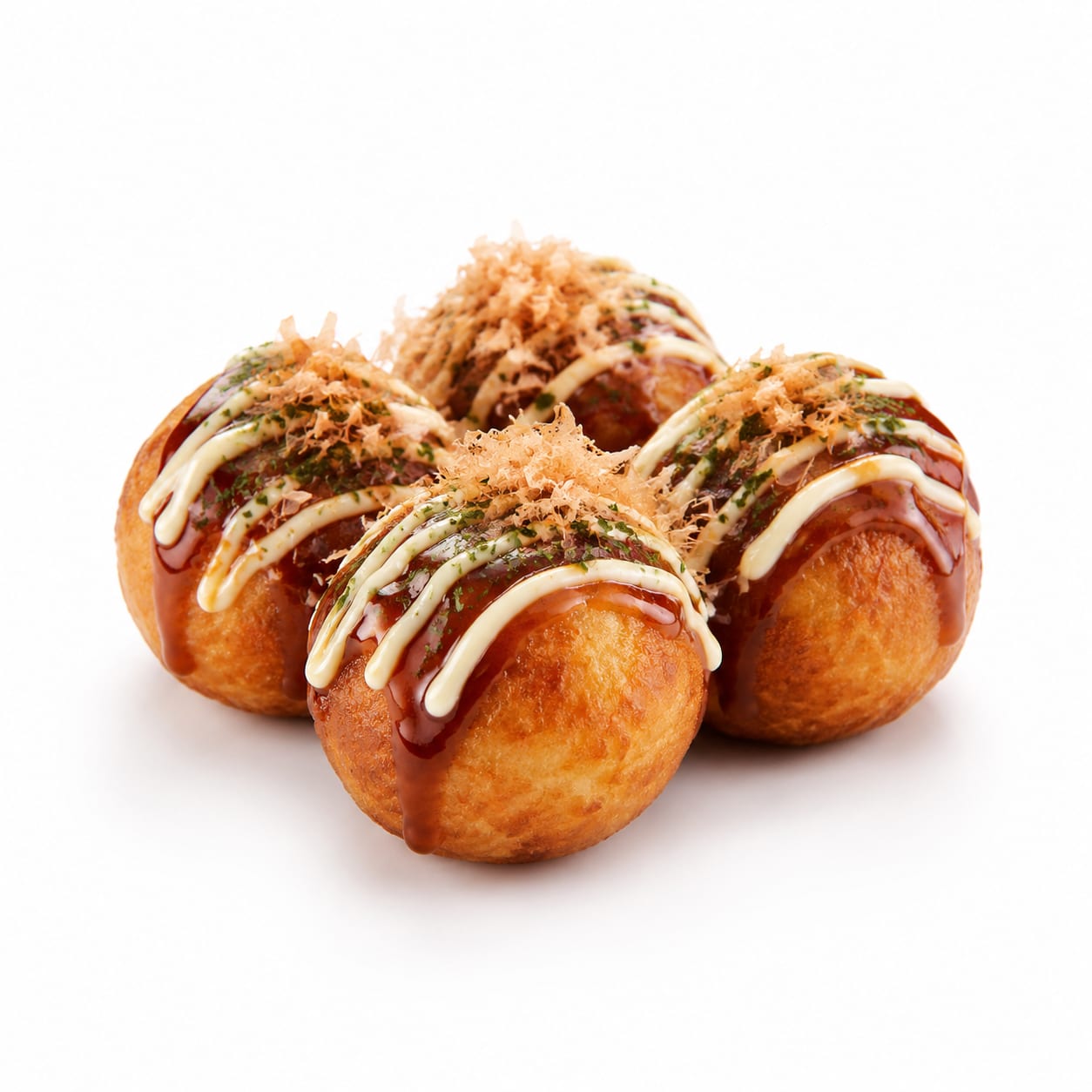
Takoyaki
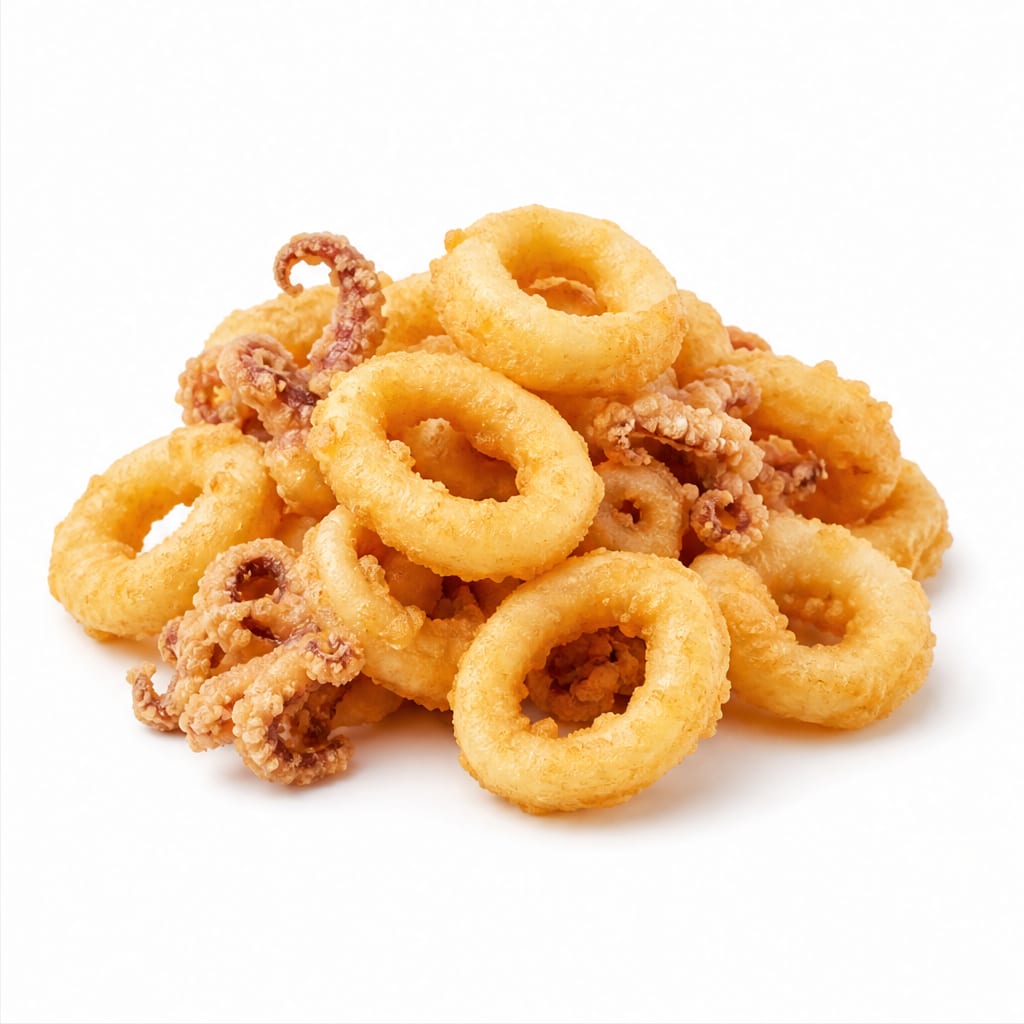
Fried Calamari
Takoyaki wins on lower fat and cooking method, but Fried Calamari delivers more protein per bite. Neither is a health food.
Takoyaki scores modestly higher due to its griddled cooking method avoiding deep-frying, but both foods are indulgent choices with significant nutritional drawbacks. The gap is small because Takoyaki's refined carb and sodium load partially offsets its fat advantage.
Less oil versus more protein — Takoyaki avoids deep-frying but piles on refined carbs and sugary sauces, while Fried Calamari packs more protein but absorbs significantly more frying oil
At a glance
Executive summary
Overall
It depends
Healthier
Takoyaki
More practical
Fried Calamari
Daily use
It depends
Key comparison lenses
cooking method health impact
Takoyaki is griddled in a molded pan while Fried Calamari is deep-fried, creating a major difference in fat absorption and calorie density
carbohydrate load comparison
Takoyaki's wheat-based batter dominates its macronutrient profile, while Fried Calamari's breading is thinner relative to its protein core
sodium and sauce impact
Takoyaki's signature sauces and mayo deliver a heavy sodium hit, while Fried Calamari's salt comes mainly from seasoned breading and dipping sauces
seafood protein quality
Both feature cephalopod protein but from different species with distinct nutritional profiles
portion control and overeating risk
Takoyaki arrives as small bite-sized balls making it easy to overconsume, while Fried Calamari is often shared as an appetizer
Best choice for
Takoyaki
- Lighter snack seekers who want lower fat intake
- Japanese cuisine enthusiasts wanting moderate portions
- Those avoiding deep-fried foods specifically
- People who prefer carb-forward energy snacks
Fried Calamari
- Higher protein needs like post-workout recovery
- Sharing appetizer situations at restaurants
- Low-carb eaters who still want indulgent seafood
- Those who find fat-rich foods more satiating
Least suitable for
Takoyaki
- Low-carb or keto dieters due to heavy wheat batter
- Sodium-sensitive individuals because of sauce load
- Gluten-intolerant people since batter is wheat-based
- Those seeking high protein per calorie
Fried Calamari
- Anyone monitoring cardiovascular fat intake strictly
- Calorie counters since deep-frying inflates energy density significantly
- People with gallbladder issues who struggle with greasy foods
- Those prone to acid reflux from fried foods
Deep comparison
Dimension by dimension
Each lens scores both foods and breaks down who each option suits.
- Dimension 1 · Priority 95Takoyaki
Fat and Oil Exposure
Takoyaki · 55Fried Calamari · 25Takoyaki is cooked in a special pan with minimal oil, while Fried Calamari is fully submerged in frying oil, absorbing substantially more fat.
Tradeoff
Takoyaki's lower fat comes with higher carbs from its batter-heavy composition, so you're trading one macronutrient concern for another
Why it matters
Deep-frying can multiply calorie density by 2-3x compared to griddled cooking, directly impacting weight management and cardiovascular load
Real-world impact
A typical serving of Fried Calamari can pack 15-25g of fat versus roughly 8-12g for Takoyaki — that difference adds up fast if eaten regularly
Takoyaki
- Heart-conscious eaters reducing fried food intake
- Those tracking daily fat grams carefully
Better for
- People who assume all Japanese food is low-fat and overeat it
Worse for
Fried Calamari
- Keto dieters who prioritize fat intake
- Anyone needing calorie-dense food for weight gain
Better for
- Anyone with high cholesterol managing saturated fat intake
- People with GERD triggered by greasy foods
Worse for
- Dimension 2 · Priority 82Fried Calamari
Protein Density
Takoyaki · 35Fried Calamari · 65Fried Calamari delivers more protein per serving because squid forms the bulk of each piece, while Takoyaki is mostly batter with small octopus bits.
Tradeoff
More protein in Fried Calamari comes wrapped in deep-fried breading, so the protein quality-to-calorie ratio is still poor
Why it matters
Protein drives satiety and muscle maintenance, but its benefit diminishes when surrounded by hundreds of calories of frying oil
Real-world impact
Fried Calamari offers roughly 12-18g protein per serving versus Takoyaki's 6-9g, but you're eating significantly more calories to get it
Takoyaki
- Those who get protein from other sources and just want a light snack
Better for
- Anyone relying on this as a protein source — it falls short
Worse for
Fried Calamari
- Post-workout eaters wanting any protein edge
- People who feel more satisfied with protein-rich appetizers
Better for
- Those who overestimate how much 'clean' protein they're getting from fried food
Worse for
- Dimension 3 · Priority 80Fried Calamari
Carbohydrate and Blood Sugar Impact
Takoyaki · 30Fried Calamari · 50Takoyaki is essentially a wheat batter ball with small seafood pieces, creating a carb-dense snack that spikes blood sugar. Fried Calamari's thinner breading means less carbohydrate load.
Tradeoff
While Fried Calamari has fewer carbs, its high fat content slows digestion but adds inflammatory compounds from deep-frying
Why it matters
Carb-heavy snacks without fiber create rapid blood sugar rises followed by crashes, driving hunger and fatigue within hours
Real-world impact
Eating 6-8 Takoyaki balls can deliver 30-40g of refined carbs — comparable to a small serving of white rice with none of the satiety
Takoyaki
- Active individuals who burn through carbs quickly
- Endurance athletes needing quick energy
Better for
- Diabetics or pre-diabetics monitoring carb intake
- Anyone prone to afternoon energy crashes from refined carbs
Worse for
Fried Calamari
- Low-carb eaters who still want a seafood treat
- Blood sugar managers who prioritize lower glycemic load
Better for
- Those who assume low-carb automatically means healthy
Worse for
- Dimension 4 · Priority 78It depends
Sodium Load
Takoyaki · 35Fried Calamari · 38Both are sodium bombs. Takoyaki gets hit from takoyaki sauce, mayo, and bonito flakes, while Fried Calamari absorbs salt from seasoned breading and dipping sauces.
Tradeoff
Neither has a meaningful sodium advantage — both easily exceed 500mg per serving, which is a significant chunk of daily limits
Why it matters
Regular high-sodium snacking contributes to blood pressure issues even in otherwise healthy people, and these foods make stealth sodium delivery easy
Real-world impact
A typical Takoyaki serving can hit 600-900mg sodium, and Fried Calamari with dipping sauce can reach 700-1200mg — both are one-third or more of ideal daily intake
Takoyaki
- Slightly lower sodium if you request less sauce
Better for
- Hypertension patients who underestimate sauce sodium
Worse for
Fried Calamari
- Slightly more controllable if you skip the dipping sauce
Better for
- Anyone who dips liberally into seasoned aioli or marinara
Worse for
- Dimension 5 · Priority 76Takoyaki
Inflammatory Potential
Takoyaki · 48Fried Calamari · 28Deep-frying generates advanced glycation end products and oxidized fats that promote inflammation. Takoyaki's griddled preparation avoids most of these compounds.
Tradeoff
Takoyaki still contains refined carbs and omega-6-rich vegetable oils that contribute to low-grade inflammation, just less aggressively than deep-fried alternatives
Why it matters
Chronic inflammation from repeated fried food consumption accelerates aging and disease risk far more than most people realize
Real-world impact
Eating Fried Calamari weekly contributes to cumulative inflammatory load that can manifest as joint stiffness, skin issues, or fatigue over time
Takoyaki
- Those managing inflammatory conditions like arthritis
- People trying to reduce overall inflammatory burden
Better for
- People who eat Takoyaki frequently thinking it's inflammation-neutral
Worse for
Fried Calamari
- Occasional indulgers for whom one fried meal matters little
Better for
- Anyone with chronic inflammation who eats fried foods regularly
Worse for
- Dimension 6 · Priority 72It depends
Portion Control and Overeating Risk
Takoyaki · 40Fried Calamari · 42Takoyaki's small bite-sized balls encourage mindless eating — it's easy to consume 12-16 pieces without noticing. Fried Calamari is often shared, creating natural portion limits.
Tradeoff
Takoyaki feels lighter per piece but disappears fast, while Fried Calamari feels heavy sooner but restaurant portions are often enormous
Why it matters
Bite-sized foods bypass satiety signals because each piece feels insignificant, leading to calorie intake far beyond intention
Real-world impact
You might intend to eat 4 Takoyaki balls but finish the whole tray of 8-12, consuming 400-600 calories before feeling full
Takoyaki
- Those who pre-portion and stop at a set number
Better for
- Grazers and snackers who eat while distracted
Worse for
Fried Calamari
- Shared dining situations where others help limit intake
Better for
- Solo diners who treat a full restaurant portion as personal
Worse for
Timeline
Health impact over time
Short-term
Hours to days
Takoyaki
- Quick energy from refined carbs followed by a blood sugar dip within 1-2 hours
- Moderate fullness that fades faster than expected given the calorie count
- Possible mild thirst from high sodium in sauces
Fried Calamari
- Heavier feeling in the stomach from fat-dense fried food, sometimes lasting 2-3 hours
- Higher immediate satiety but potential bloating or sluggishness
- Acid reflux risk in susceptible individuals within 30-60 minutes of eating
Long-term
Months to years
Takoyaki
- Regular consumption contributes to refined carb habituation and blood sugar dysregulation
- Sodium load from repeated servings can gradually elevate blood pressure
- Relatively lower cardiovascular risk than deep-fried alternatives if eaten moderately
Fried Calamari
- Frequent deep-fried food intake is associated with increased cardiovascular disease risk
- Repeated exposure to oxidized frying oils may promote chronic low-grade inflammation
- Higher calorie density makes weight creep more likely if eaten as a regular appetizer
Risk profile
Safety & processing
Both are prepared foods with multiple processed components. Takoyaki combines refined wheat flour, dashi, sauces with preservatives, and commercial mayo. Fried Calamari uses refined breading, commercial frying oils, and seasoned coatings. Neither contains highly artificial ingredients, but both rely on refined and processed elements that distance them from whole-food status.
Takoyaki
Inadequate cooking of octopus center
mediumIf Takoyaki is rushed, the batter may cook while the octopus center remains underheated, creating a minor foodborne illness risk from raw seafood
Cross-contamination at street vendors
mediumStreet-side Takoyaki stalls often handle multiple ingredients with shared tools, increasing risk for those with shellfish or fish allergies
Sauce spoilage in warm conditions
lowMayo-based toppings at outdoor stalls can degrade in heat, though most commercial Japanese mayo is pasteurized and acidified enough to resist rapid spoilage
Fried Calamari
Frying oil degradation and reuse
highRestaurants that reuse frying oil beyond safe limits generate toxic compounds including aldehydes and trans fats that are genuinely harmful with repeated exposure
Calamari allergy and cross-reactivity
mediumSquid is a mollusk that can trigger reactions in shellfish-allergic individuals, and shared fryers often cross-contaminate with shrimp or other allergens
Heavy metal accumulation in squid
lowSquid can accumulate cadmium and other metals, though typical restaurant portions consumed occasionally pose minimal risk
Who wins for whom
Audience fit
Same foods, different winners depending on your goal.
children
TakoyakiSmaller portions, softer texture, and less greasy residue make Takoyaki more kid-friendly and easier to moderate, though the sodium is still a concern
daily consumption
It dependsNeither should be eaten daily — Takoyaki's refined carbs and sodium and Fried Calamari's deep-fried fat both create problems with regular intake
diabetes
Fried CalamariFewer refined carbohydrates and a lower glycemic impact make Fried Calamari the lesser of two evils for blood sugar management, despite its fat content
elderly
TakoyakiLower fat content and softer texture are gentler on aging digestive systems, and the smaller portion format suits reduced appetites better
muscle gain
Fried CalamariHigher protein content per serving from squid gives Fried Calamari a meaningful edge for muscle support, even though the delivery method is far from ideal
weight loss
TakoyakiLower calorie density per piece and less fat absorption from griddled cooking make Takoyaki easier to fit into a calorie deficit, though portion control remains essential
Your move
Decision guide
Choose Takoyaki
- You want a lighter snack that avoids deep-frying
- You're counting fat grams more carefully than carbs
- You prefer smaller, more manageable portions
- You're eating Japanese food and want something authentic
- You have digestive sensitivity to greasy foods
Choose Fried Calamari
- Protein intake is your priority right now
- You're sharing appetizers and want something satisfying for the table
- You're eating low-carb and can accommodate the fat
- You only eat this type of food occasionally and want maximum flavor
- You find fried foods more filling and satisfying
Either works if
- You're treating yourself and neither will be a regular habit
- You're dining out and both are on the menu as occasional options
- You balance the rest of your day with whole, unprocessed foods
Avoid both if
- You have serious cardiovascular concerns requiring strict fat and sodium limits
- You're managing kidney disease and need to restrict sodium strictly
- You have celiac disease or gluten intolerance — both use wheat-based coatings
- You're following a whole-food, anti-inflammatory eating plan
Final recommendation
If you're choosing between these two as an occasional treat, Takoyaki is the slightly smarter pick for most people because it avoids deep-frying and comes in naturally smaller portions. But if you're low-carb or protein-focused, Fried Calamari has a legitimate edge. The real win is treating both as sometimes foods and not pretending either is a health choice.
Practical
Consumer tips
- 1
Ask for Takoyaki with less sauce on the side to cut sodium by 30-40%
- 2
Share Fried Calamari with at least one other person to naturally limit portions
- 3
If ordering Fried Calamari, ask if the restaurant changes frying oil frequently — fresh oil matters more than most people think
- 4
Pair either option with a side of vegetables or seaweed salad to add fiber and slow absorption
- 5
Drink water instead of beer or soda with these foods — alcohol amplifies the sodium and dehydration effect
- 6
Limit yourself to 4-6 Takoyaki balls or a small shared portion of Fried Calamari rather than going all-in
- 7
If making Takoyaki at home, use less batter and more octopus to dramatically improve the protein-to-carb ratio