
Nutrition comparison
Takoyaki vs Fish Balls: Which Street Snack Is Healthier?
Compare Takoyaki and Fish Balls on protein quality, processing, calories, and sodium. Find out which Asian street food snack is the smarter choice for your health goals.
Overall winner · Takoyaki
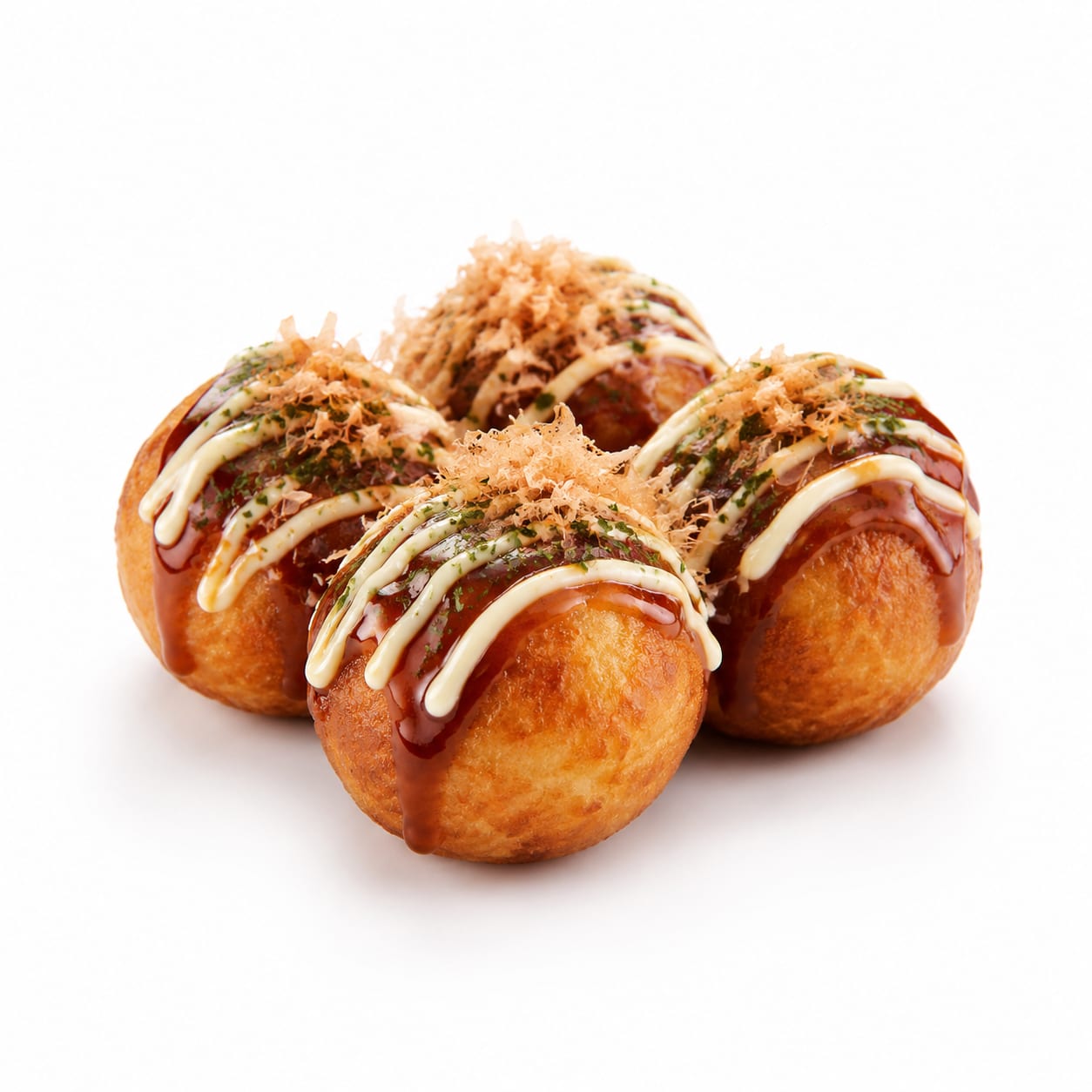
Takoyaki
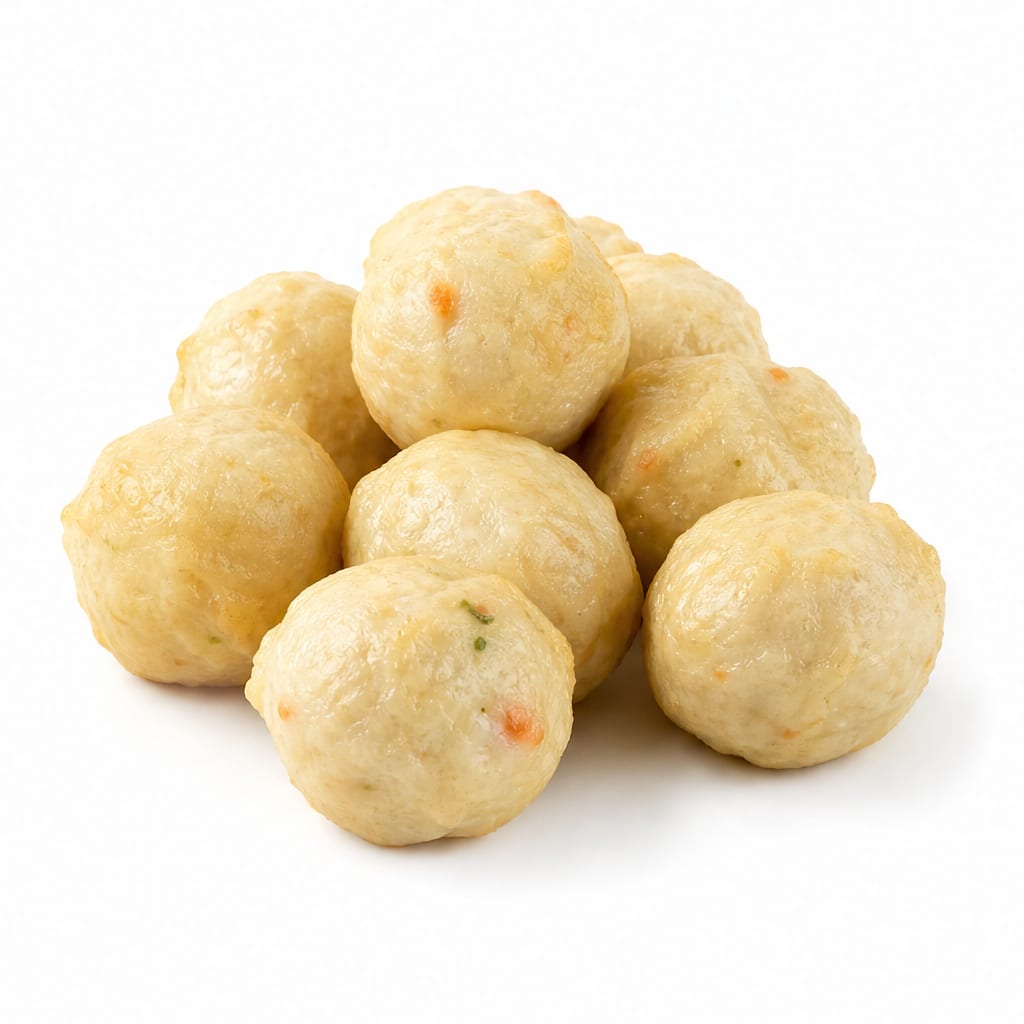
Fish Balls
Takoyaki edges out Fish Balls thanks to real octopus pieces and less processing, but both are indulgent street snacks best enjoyed in moderation.
Takoyaki scores moderately higher due to whole-food octopus protein and less processing, but both lose points for high sodium, refined carbs, and fried preparation. Neither is a health food.
Takoyaki offers better protein quality and less processing but comes with more calories from oil and mayo, while Fish Balls are lighter per piece but more processed with lower-quality protein.
At a glance
Executive summary
Overall
Takoyaki
Healthier
Takoyaki
More practical
Fish Balls
Daily use
It depends
Key comparison lenses
Street snack nutritional value comparison
Both are popular Asian street foods often chosen as quick bites, so understanding which offers better nutrition matters for frequent snackers
Processing and additive exposure
Fish Balls are typically more processed with binders and preservatives, while Takoyaki uses more recognizable whole ingredients
Sodium and heart health impact
Both are high-sodium foods from sauces and seasonings, a key concern for regular consumption
Protein quality from seafood
Takoyaki contains whole octopus pieces while Fish Balls use processed fish paste, affecting protein quality and nutrient retention
Weight management and calorie control
Both are calorie-dense snack foods that can easily be overconsumed
Best choice for
Takoyaki
- People wanting whole seafood protein in their snack
- Those who prefer less processed ingredients they can recognize
- Anyone seeking a more filling and satisfying street food experience
- Fans of Japanese cuisine seeking authentic flavors
Fish Balls
- People wanting a lower-calorie per piece snack option
- Those who need something quick and easy to eat on the go
- Anyone seeking a lighter bite that will not feel heavy
- Fans of soup-based meals where Fish Balls can be added
Least suitable for
Takoyaki
- People strictly monitoring calorie intake due to oil and mayo content
- Those with wheat or gluten sensitivity from the batter
- Anyone watching sodium closely due to sauces and bonito
- People avoiding fried foods
Fish Balls
- People concerned about ultra-processed food consumption
- Those wanting high-quality complete protein from their snack
- Anyone sensitive to artificial binders and preservatives
- People avoiding fillers and starch additives
Deep comparison
Dimension by dimension
Each lens scores both foods and breaks down who each option suits.
- Dimension 1 · Priority 92Takoyaki
Protein Quality and Content
Takoyaki · 65Fish Balls · 40Takoyaki delivers real octopus chunks with complete amino acids and retained nutrients, while Fish Balls rely on fish paste that loses protein quality during processing.
Tradeoff
You get superior protein in Takoyaki but at a higher calorie cost from the batter and frying oil.
Why it matters
Whole seafood protein supports muscle maintenance and satiety far better than reconstituted fish paste with fillers.
Real-world impact
After eating Takoyaki you stay full longer; Fish Balls leave you hungry again within an hour.
Takoyaki
- Post-workout recovery when you need real protein
- Sustained energy without quick hunger return
Better for
- Lean protein needs due to accompanying fat and carbs
Worse for
Fish Balls
- Very light protein snacking when calories are the priority
Better for
- Anyone counting on meaningful protein intake from their snack
Worse for
- Dimension 2 · Priority 88Takoyaki
Processing Level and Additives
Takoyaki · 60Fish Balls · 30Takoyaki uses recognizable ingredients like flour, egg, octopus, and green onion. Fish Balls often contain starch binders, phosphates, and preservatives to hold their texture.
Tradeoff
Takoyaki is still fried street food with sauces, but its ingredient list is shorter and more transparent than most commercial Fish Balls.
Why it matters
Less processing means fewer hidden additives and more predictable effects on digestion and long-term health.
Real-world impact
Your body recognizes and digests Takoyaki ingredients more easily; Fish Balls may cause bloating or sluggishness in sensitive people.
Takoyaki
- Clean-eating preferences within street food choices
- People with sensitive digestion who react to emulsifiers
Better for
- Those who assume all street food is equally processed
Worse for
Fish Balls
- Situations where shelf stability and availability matter more
Better for
- Anyone actively reducing ultra-processed food intake
Worse for
- Dimension 3 · Priority 82Fish Balls
Calorie Density and Portion Control
Takoyaki · 35Fish Balls · 55Individual Fish Balls are lower in calories than Takoyaki pieces, which absorb significant oil during cooking and get topped with mayo.
Tradeoff
Fish Balls are easier to portion control per piece, but their lower satiety means you may eat more of them to feel satisfied.
Why it matters
Per-piece calorie awareness helps with mindful snacking, but total consumption matters more than individual piece counts.
Real-world impact
Six pieces of Takoyaki can pack 350-450 calories; the same number of boiled Fish Balls might be 180-240 calories.
Takoyaki
- When you want a filling snack that prevents further grazing
Better for
- Mindless snacking where you lose track of how many you ate
Worse for
Fish Balls
- Careful calorie trackers who eat small portions slowly
- Soup-based meals where Fish Balls are one component among vegetables
Better for
- Situations where you keep eating because you never feel satisfied
Worse for
- Dimension 4 · Priority 80It depends
Sodium Load
Takoyaki · 35Fish Balls · 35Both are high-sodium foods. Takoyaki gets sodium from sauce, mayo, and bonito flakes. Fish Balls absorb sodium from broth or get salt-heavy seasonings.
Tradeoff
Neither wins here. Preparation method determines the sodium champion — boiled Fish Balls in clear soup can be lower than sauce-drenched Takoyaki.
Why it matters
Regular high-sodium snacking raises blood pressure risk and causes water retention that feels like bloating.
Real-world impact
Either snack can deliver 400-800mg of sodium per serving, a significant chunk of your daily limit.
Takoyaki
- When you control sauce portions and skip extra mayo
Better for
- Standard street servings with full sauce and mayo drizzle
Worse for
Fish Balls
- When choosing boiled Fish Balls in light broth without extra seasoning
Better for
- Fried Fish Balls with heavy seasoning or curry sauce
Worse for
- Dimension 5 · Priority 70It depends
Carbohydrate Quality
Takoyaki · 40Fish Balls · 45Both rely on refined starches. Takoyaki uses wheat flour batter; Fish Balls use wheat starch and tapioca as binders. Neither offers meaningful fiber.
Tradeoff
Takoyaki batter is more filling but denser in refined carbs. Fish Ball binders are lighter but even more refined and stripped of nutrients.
Why it matters
Refined carbs without fiber cause quicker blood sugar spikes and less sustained energy.
Real-world impact
Both can trigger an energy crash within 90 minutes if eaten alone without vegetables or protein-rich sides.
Takoyaki
- Slightly more filling carb experience from the batter volume
Better for
- Blood sugar management due to batter density and sauce sugars
Worse for
Fish Balls
- Lower total carb load per piece when eaten in small quantities
Better for
- Anyone expecting any nutritional value from the carbohydrate portion
Worse for
- Dimension 6 · Priority 65Fish Balls
Convenience and Accessibility
Takoyaki · 40Fish Balls · 75Fish Balls are widely available frozen, pre-cooked, and easy to prepare at home. Takoyaki requires specialized equipment or a street vendor visit.
Tradeoff
Fish Balls win on everyday practicality, but Takoyaki offers a more special and satisfying eating experience.
Why it matters
The food you can easily prepare at home tends to be consumed more often, making its nutritional profile more impactful.
Real-world impact
You can boil frozen Fish Balls in 5 minutes at home; making Takoyaki requires a special pan, batter technique, and 15-20 minutes.
Takoyaki
- Special occasions and authentic food experiences
Better for
- Busy weeknights when you need something fast
Worse for
Fish Balls
- Quick home meals and easy protein addition to noodle soups
- Convenience stores and street carts across Southeast Asia
Better for
- Experiences where the food should feel special and memorable
Worse for
Timeline
Health impact over time
Short-term
Hours to days
Takoyaki
- Quick satiety from fat and protein combination
- Potential bloating from rich sauce and mayo on an empty stomach
- Energy boost followed by a crash within 1-2 hours from refined carbs
- Thirst from high sodium in sauces and toppings
Fish Balls
- Light feeling immediately after eating, which may not last
- Possible mild digestive discomfort from binders and starch fillers
- Quick hunger return within an hour if eaten alone
- Thirst from sodium, especially with seasoned or fried versions
Long-term
Months to years
Takoyaki
- Better protein intake supports muscle maintenance if eaten regularly
- High sodium from frequent consumption raises blood pressure risk
- Refined carb and fried food pattern contributes to metabolic strain
- Occasional enjoyment poses minimal long-term risk
Fish Balls
- Regular ultra-processed food intake linked to higher chronic disease risk
- Lower protein quality may not support muscle needs over time
- Sodium exposure from frequent soup-based consumption impacts cardiovascular health
- Preservative and additive accumulation from daily consumption is concerning
Risk profile
Safety & processing
Takoyaki is processed through frying and sauce additions but starts with recognizable whole ingredients. Fish Balls undergo significant industrial processing with fish paste reformulation, starch binders, phosphate additives, and preservatives to achieve their uniform texture and long shelf life.
Takoyaki
Octopus contamination
mediumOctopus can harbor heavy metals from ocean pollution, though typical serving sizes keep exposure low. Source quality matters.
Undercooking risk
lowTakoyaki cooks quickly and the center can remain slightly soft, but octopus is typically pre-cooked and batter reaches safe temperatures.
Cross-contamination at street vendors
mediumShared cooking surfaces and tools at busy stalls can introduce allergens and pathogens.
Fish Balls
Fish paste quality and mislabeling
highCommercial fish paste may use lower-grade fish species than advertised, and some products have been found to contain minimal actual fish content.
Preservative and additive exposure
mediumPhosphates, sorbates, and other preservatives extend shelf life but may cause reactions in sensitive individuals and add to cumulative chemical exposure.
Sodium nitrite in some varieties
mediumCertain commercially produced Fish Balls contain sodium nitrite as a color fixative and preservative, which is a potential carcinogen with regular consumption.
Who wins for whom
Audience fit
Same foods, different winners depending on your goal.
children
TakoyakiTakoyaki uses more recognizable ingredients and real seafood, while Fish Balls contain more additives and preservatives that growing bodies do not need. Monitor sodium in both.
daily consumption
It dependsNeither should be eaten daily. If forced to choose, homemade Fish Balls in vegetable soup offer more portion control, while Takoyaki provides better nutrition per serving but at higher calorie cost.
diabetes
It dependsNeither is ideal. Takoyaki has denser carbs from batter and sauce sugars, while Fish Balls have lighter but more refined starches. Both require portion control and pairing with fiber-rich foods.
elderly
Fish BallsFish Balls are softer and easier to chew for dental concerns, and boiled versions are gentler on digestion. However, sodium content should be monitored carefully.
muscle gain
TakoyakiReal octopus delivers higher-quality complete protein with essential amino acids that support muscle repair better than the degraded protein in fish paste.
weight loss
Fish BallsBoiled Fish Balls in clear soup provide fewer calories per piece than oil-cooked Takoyaki with mayo, making portion control easier for weight loss — but only if you stop at a small serving.
Your move
Decision guide
Choose Takoyaki
- You want real seafood protein and are okay with the calorie investment
- Ingredient transparency matters more to you than convenience
- You are treating yourself to an authentic street food experience
- You need something filling enough to replace a light meal
Choose Fish Balls
- You need a quick, light snack that won't weigh you down
- You are adding protein to a vegetable or noodle soup at home
- Calorie control is your top priority and you eat small portions slowly
- Convenience and availability drive your food choices
Either works if
- You are eating street food occasionally and just want what sounds good
- Sodium is not a personal health concern for you
- You plan to balance the snack with vegetables and water later
Avoid both if
- You have strict sodium restrictions from hypertension or kidney issues
- You are following a whole-food, minimally processed eating approach
- You have seafood allergies that cross-contaminate both options
- You are managing blood sugar and cannot pair either with fiber-rich sides
Final recommendation
Choose Takoyaki when you want a more satisfying, less processed snack with real seafood protein. Choose Fish Balls when you need something lighter and more convenient. For either option, limit portions, drink plenty of water, and pair with vegetables when possible. Neither belongs in your daily rotation, but both can fit into a balanced lifestyle as occasional treats.
Practical
Consumer tips
- 1
Ask for Takoyaki with light sauce and skip extra mayo to save 80-100 calories per serving
- 2
Choose boiled Fish Balls in clear broth over fried versions to cut calories and oil exposure by nearly half
- 3
Pair either snack with a side of vegetables or seaweed salad to add fiber and slow blood sugar impact
- 4
Drink water immediately after eating either snack to help flush excess sodium
- 5
Make Takoyaki at home to control oil amount and sauce portions — you can cut sodium by 40% this way
- 6
Read Fish Ball ingredient labels when buying frozen: fewer ingredients means less processing and fewer additives
- 7
Limit yourself to 3-4 pieces of Takoyaki or 5-6 Fish Balls per snacking session to keep calories reasonable
- 8
Avoid eating either snack on an empty stomach to prevent blood sugar spikes and overeating