
Nutrition comparison
Takoyaki vs Edamame: Which Snack is Healthier?
Comparing Takoyaki and Edamame? Discover the nutritional differences, health impacts, and which savory snack is better for weight loss, protein, and daily eating.
Overall winner · Edamame
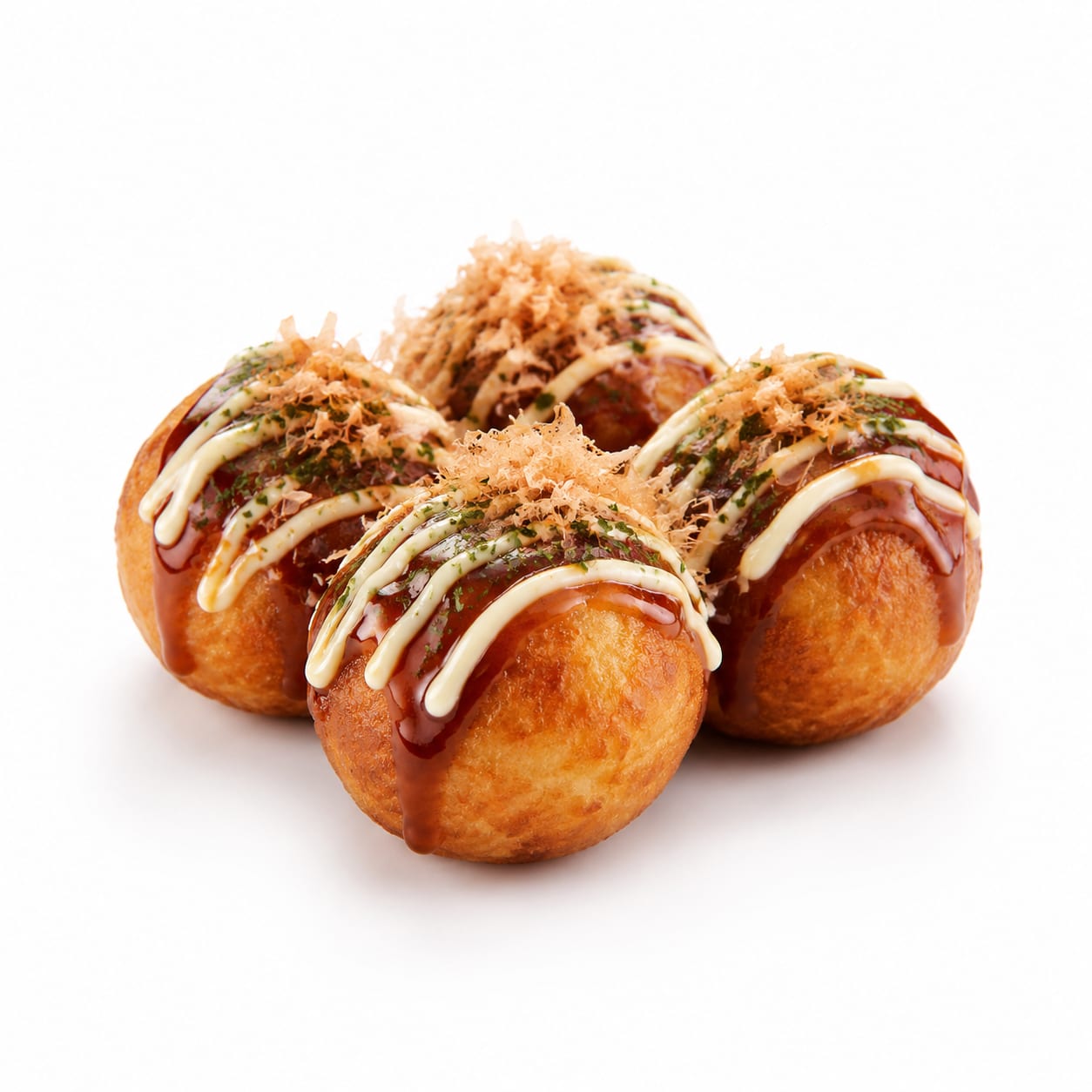
Takoyaki
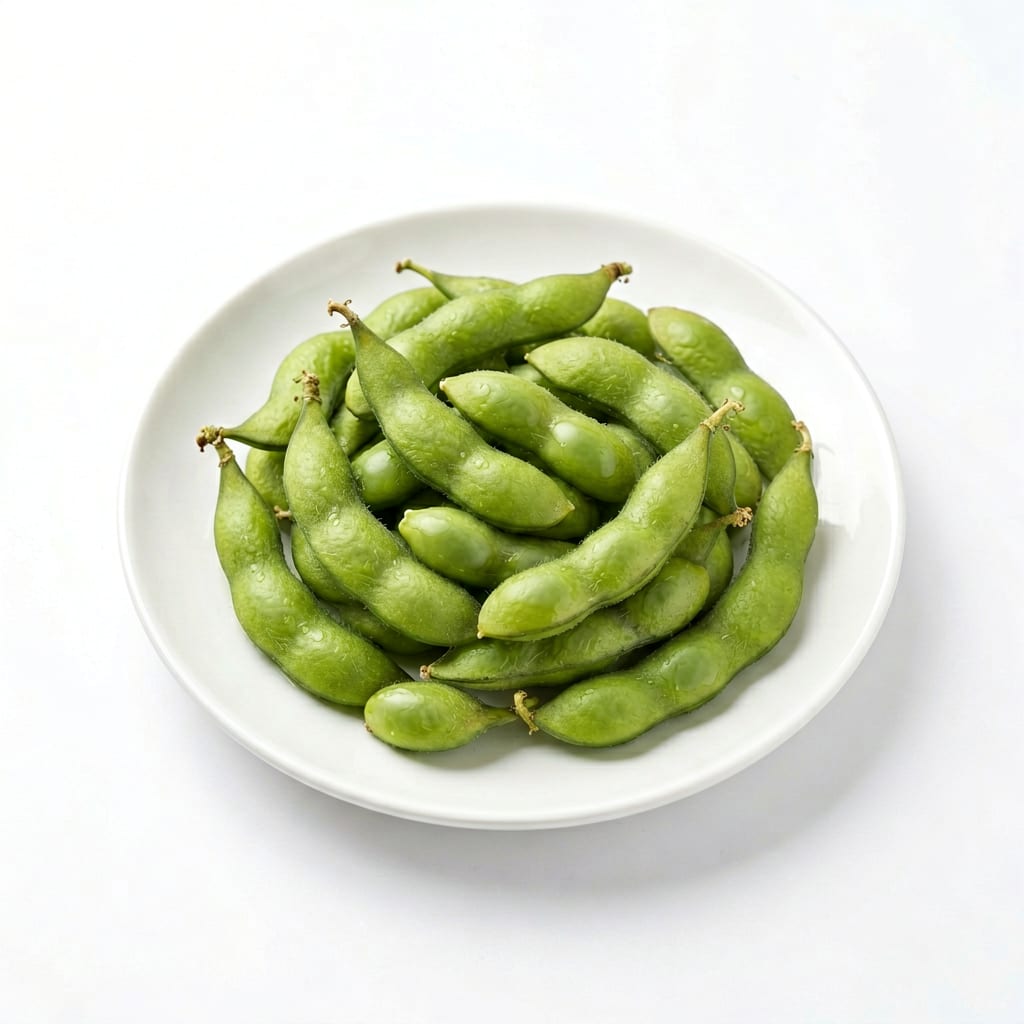
Edamame
Edamame is the clear winner for daily health and nutrition, while Takoyaki is best reserved as an occasional savory treat.
Edamame scores significantly higher due to its whole-food profile, high protein, and low sodium. Takoyaki's refined carbs, frying oil, and heavy sauces drag its nutritional score down, making it a rare indulgence rather than a staple.
You trade deep, comforting savory flavor and crispy texture for metabolic stability, low sodium, and clean plant protein.
At a glance
Executive summary
Overall
Edamame
Healthier
Edamame
More practical
Edamame
Daily use
Edamame
Key comparison lenses
Whole food vs processed snack comparison
Edamame is a natural whole food, while Takoyaki is a heavily sauced and fried street food.
Satiety and blood sugar impact
Takoyaki's refined carbs cause quick energy spikes, whereas Edamame's protein and fiber provide steady, lasting fullness.
Sodium and heart health tradeoffs
Takoyaki is loaded with savory sauces and mayo, making it a high-sodium trap compared to naturally low-sodium Edamame.
Weight management and calorie density
Edamame is a high-volume, low-calorie snack, while Takoyaki is calorie-dense and easy to overeat.
Best choice for
Takoyaki
- Seeking a fun, comforting street food experience
- Satisfying a craving for savory umami flavors
- Sharing appetizers at a Japanese restaurant
Edamame
- Daily high-protein snacking
- Managing weight without feeling hungry
- Steady energy between meals
Least suitable for
Takoyaki
- Daily snacking or frequent consumption
- Anyone watching sodium or blood pressure
- Those avoiding refined carbs and fried foods
Edamame
- Those with soy allergies
- Moments when you want a hot, comforting, indulgent bite
Deep comparison
Dimension by dimension
Each lens scores both foods and breaks down who each option suits.
- Dimension 1 · Priority 95Edamame
Nutritional Density & Whole-Food Quality
Takoyaki · 20Edamame · 95Edamame delivers pure, unprocessed plant nutrition, while Takoyaki is a composite of refined flour, fried oil, and processed sauces.
Tradeoff
You give up the complex umami flavor profile of Takoyaki to get clean, easily recognizable ingredients in Edamame.
Why it matters
Eating whole foods like Edamame supports long-term health effortlessly, whereas ultra-processed foods demand dietary compensation later.
Real-world impact
Eating Edamame leaves you feeling light and nourished; eating Takoyaki can leave you feeling heavy and sluggish an hour later.
Takoyaki
- Moments when flavor experience matters more than fuel
Better for
- Getting vitamins and minerals per calorie consumed
Worse for
Edamame
- Daily nutrition goals
- Clean eating habits
Better for
- Satisfying a craving for rich, fried foods
Worse for
- Dimension 2 · Priority 90Edamame
Satiety & Blood Sugar Stability
Takoyaki · 25Edamame · 90Edamame's fiber and protein keep blood sugar flat and hunger at bay. Takoyaki's refined carbs cause a rapid spike and crash.
Tradeoff
Takoyaki gives quick, immediate satisfaction but leaves you hungry again soon. Edamame takes the edge off hunger for hours.
Why it matters
Avoiding the blood sugar rollercoaster prevents afternoon energy crashes and cravings for more carbs.
Real-world impact
Edamame is the perfect 3 PM office snack to avoid the late-afternoon slump. Takoyaki will likely cause a crash right when you need focus.
Takoyaki
- Quick pre-workout energy if you need fast carbs
Better for
- Preventing sugar cravings later in the day
Worse for
Edamame
- Sustained energy
- Appetite control between meals
Better for
- Rapid replenishment after intense endurance exercise
Worse for
- Dimension 3 · Priority 85Edamame
Sodium & Heart Health
Takoyaki · 15Edamame · 85Takoyaki is a sodium bomb thanks to takoyaki sauce, mayo, and batter. Edamame is naturally low in sodium unless salted on the pod.
Tradeoff
The savory, salty kick of Takoyaki comes at the cost of a massive sodium hit. Edamame is heart-friendly but can taste bland without seasoning.
Why it matters
High sodium intake from foods like Takoyaki drives up blood pressure and causes bloating, especially if eaten frequently.
Real-world impact
Eating Takoyaki often means waking up puffy and thirsty the next day. Edamame keeps your fluid balance stable.
Takoyaki
- Replenishing sodium after heavy sweating
Better for
- Cardiovascular health
- Daily sodium limits
Worse for
Edamame
- Managing blood pressure
- Reducing bloating
Better for
- Post-sauna or heavy workout salt replenishment
Worse for
- Dimension 4 · Priority 80Edamame
Protein Quality & Muscle Maintenance
Takoyaki · 30Edamame · 90Edamame is a rare complete plant protein, supporting muscle health efficiently. Takoyaki has some octopus, but the protein-to-calorie ratio is poor.
Tradeoff
You get a fun, crispy texture with a tiny bit of seafood protein in Takoyaki, versus a high-yield, low-calorie protein source in Edamame.
Why it matters
Getting enough protein without excess calories is key for aging well and maintaining a healthy body composition.
Real-world impact
Edamame easily fits into a macro-tracking diet or post-workout routine. Takoyaki mostly just fills your fat and carb quotas.
Takoyaki
- Adding variety with seafood-based protein
Better for
- Efficient protein intake without excess calories
Worse for
Edamame
- Muscle recovery
- Lean body composition
Better for
- Providing animal-based nutrients like B12 and heme iron
Worse for
Timeline
Health impact over time
Short-term
Hours to days
Takoyaki
- Rapid blood sugar spike followed by an energy crash
- Bloating and thirst from high sodium intake
- Heavy, sluggish feeling due to fried batter and mayo
Edamame
- Steady, sustained energy without a crash
- Comfortable fullness that prevents overeating
- Easy digestion without heaviness
Long-term
Months to years
Takoyaki
- Increased risk of high blood pressure from frequent sodium intake
- Weight gain if consumed regularly due to calorie density
- Higher inflammatory load from fried oils and refined carbs
Edamame
- Improved heart health from fiber and low sodium
- Better weight management due to high satiety per calorie
- Preserved muscle mass from consistent, high-quality protein
Risk profile
Safety & processing
Takoyaki is assembled from refined flour, dashi, fried in oil, and slathered with processed sauces and mayonnaise. Edamame is simply a steamed or boiled whole soybean, often frozen at peak freshness.
Takoyaki
Choking hazard
highThe outside cools quickly while the inside remains scalding hot, frequently burning the mouth or posing a choking risk, especially for children.
Foodborne illness
mediumUndercooked batter or improperly handled octopus can harbor bacteria, making street-sourced Takoyaki a moderate risk.
Edamame
Soy allergy
highEdamame is a soybean, making it completely unsafe for the small percentage of the population with a soy allergy.
Pesticide residue
mediumSoy is a heavily sprayed crop; choosing organic Edamame significantly reduces pesticide exposure risk.
Who wins for whom
Audience fit
Same foods, different winners depending on your goal.
children
EdamameEdamame is a safe, fun, and nutritious finger food for kids. Takoyaki is a major choking and burn hazard for young children.
daily consumption
EdamameEdamame is a sustainable, health-promoting daily snack. Takoyaki should be eaten rarely due to its sodium and calorie load.
diabetes
EdamameEdamame's fiber and protein prevent glucose spikes, while Takoyaki's refined flour batter will rapidly raise blood sugar.
elderly
EdamameEdamame supports heart health and is easy to chew if shelled. Takoyaki's high sodium and scalding interior make it less suitable.
muscle gain
EdamameEdamame offers a complete protein profile with a much better protein-to-calorie ratio than the carb-heavy Takoyaki.
weight loss
EdamameEdamame provides high volume and protein for very few calories, making it far easier to stay in a deficit without feeling deprived.
Your move
Decision guide
Choose Takoyaki
- You are at a festival or Japanese restaurant and want a cultural treat
- You are craving something savory, fried, and comforting
- You need a quick carb boost before a highly active event
Choose Edamame
- You need a reliable, healthy everyday snack
- You want to stay full between meals without crashing
- You are watching your weight, blood pressure, or blood sugar
Either works if
- You want a savory, bite-sized snack to share with friends
Avoid both if
- You have a soy allergy, as Takoyaki batter uses dashi with soy sauce and Edamame is pure soy
Final recommendation
Keep Edamame as your go-to savory snack for daily health, satiety, and steady energy. Save Takoyaki for occasional enjoyment when the craving for a fun, indulgent street food hits.
Practical
Consumer tips
- 1
If you buy frozen Edamame, microwave or steam them for an instant high-protein snack in under 3 minutes.
- 2
If you order Takoyaki, blot the excess sauce and mayo to save a few hundred milligrams of sodium.
- 3
Buy Edamame in the pod to slow down your eating speed; the shells act as a natural portion control.
- 4
Choose organic Edamame when possible to avoid pesticide exposure from conventional soy farming.