
Nutrition comparison
Takoyaki vs Dim Sum (Har Gow): Nutrition & Health Comparison
Compare Takoyaki vs Dim Sum (Har Gow) to see which is healthier. Discover the nutritional differences, calorie counts, and best choices for your diet.
Overall winner · Dim Sum (Har Gow)
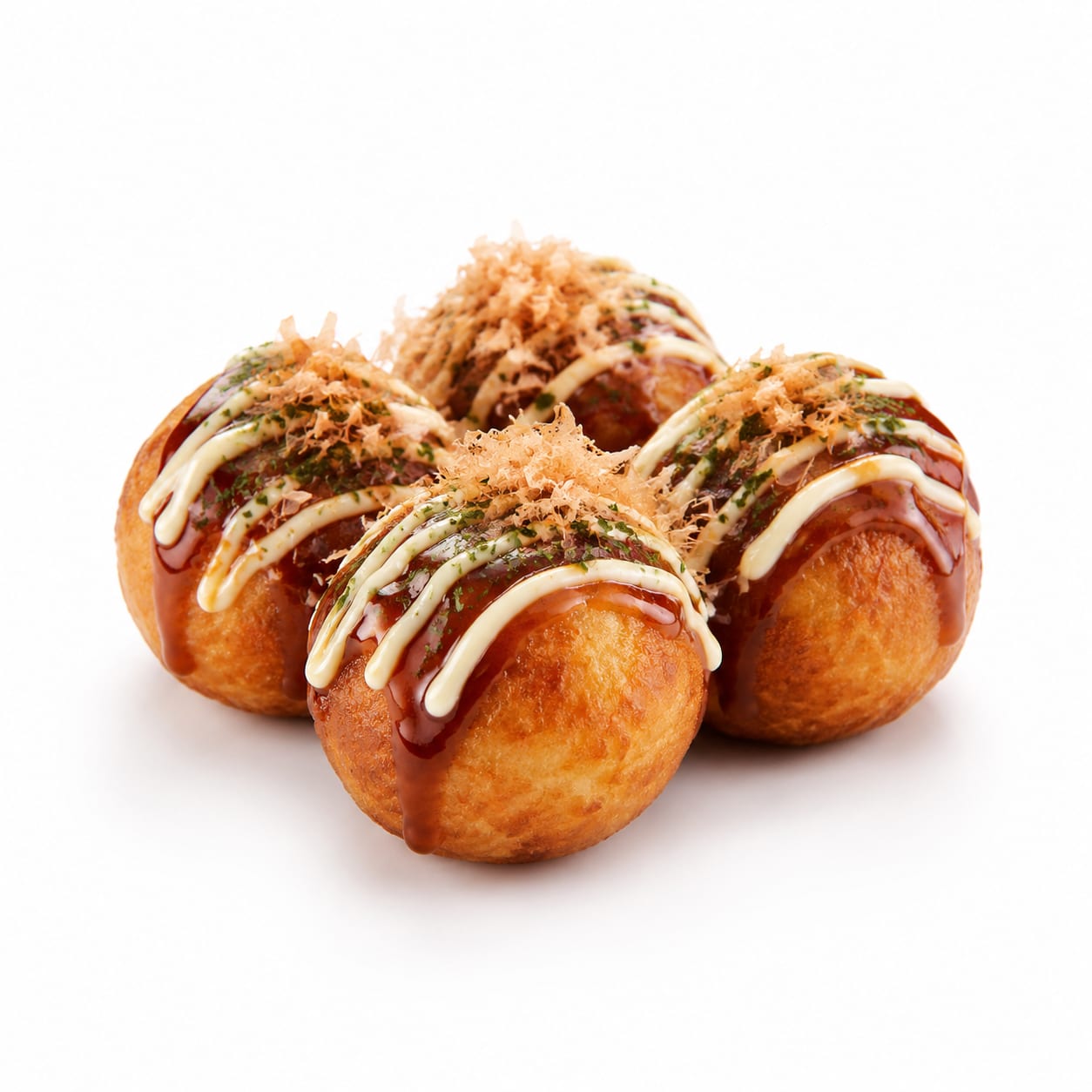
Takoyaki
.jpg)
Dim Sum (Har Gow)
Dim Sum (Har Gow) wins for lighter, lower-fat eating, while Takoyaki is a heavier, more indulgent snack.
Dim Sum (Har Gow) scores significantly higher due to its steamed preparation, lower fat content, and superior protein-to-calorie ratio. Takoyaki loses points for high calorie density and sodium from oil and sauces.
Steamed simplicity and lean protein versus fried richness and bold, savory sauces.
At a glance
Executive summary
Overall
Dim Sum (Har Gow)
Healthier
Dim Sum (Har Gow)
More practical
It depends
Daily use
Dim Sum (Har Gow)
Key comparison lenses
Calorie density and fat content
Takoyaki is cooked in oil and topped with mayo, while Har Gow is steamed, creating a massive fat and calorie difference.
Sodium and sauce impact
Takoyaki sauce and mayonnaise add significant sodium, whereas Har Gow is naturally lower in salt unless dipped heavily.
Protein quality and satiety
Comparing the lean shrimp filling in Har Gow versus the sparse octopus chunks in Takoyaki's carb-heavy batter.
Blood sugar stability
Both are carb-forward, but the type of starch and protein ratio affects how quickly blood sugar rises.
Cooking method and digestibility
Steamed foods are gentler on the stomach compared to oil-heavy, fried foods.
Best choice for
Takoyaki
- Craving savory, rich street food
- Need a filling, high-energy snack in cold weather
Dim Sum (Har Gow)
- Lighter appetizers before a main course
- Managing fat and calorie intake without skipping flavor
Least suitable for
Takoyaki
- Low-sodium diets
- Weight loss plans
Dim Sum (Har Gow)
- High-calorie bulking diets
- Those with shellfish allergies
Deep comparison
Dimension by dimension
Each lens scores both foods and breaks down who each option suits.
- Dimension 1 · Priority 90Dim Sum (Har Gow)
Calorie Density & Fat Content
Takoyaki · 35Dim Sum (Har Gow) · 75Takoyaki is significantly higher in calories and fat due to the oil-rich batter and mayonnaise topping, whereas Dim Sum (Har Gow) is steamed and naturally low in fat.
Tradeoff
You trade a rich, satisfying mouthfeel for a lighter, waistline-friendly bite.
Why it matters
High-fat snacks add up quickly and can easily stall weight loss efforts.
Real-world impact
Eating a few pieces of Takoyaki can feel as heavy as a small meal, while Har Gow leaves room for other dishes without feeling stuffed.
Takoyaki
- Bulking
- Cold weather comfort food
Better for
- Fat loss
- Late-night snacking
Worse for
Dim Sum (Har Gow)
- Weight management
- Light lunch or appetizer
Better for
- High-calorie needs
Worse for
- Dimension 2 · Priority 85Dim Sum (Har Gow)
Sodium & Heart Health
Takoyaki · 30Dim Sum (Har Gow) · 65Takoyaki packs a double sodium punch from the savory sauce and mayo, while Har Gow relies on the natural sweetness of shrimp with minimal added salt.
Tradeoff
Bold, salty umami flavor versus clean, subtle seafood taste.
Why it matters
Excess sodium drives up blood pressure and causes uncomfortable bloating.
Real-world impact
Takoyaki can leave you reaching for water all afternoon; Har Gow is much gentler on hydration.
Takoyaki
- Intense salty cravings
Better for
- Hypertension
- Salt-sensitive individuals
Worse for
Dim Sum (Har Gow)
- Blood pressure control
- Reducing bloating
Better for
- Those wanting bold, punchy flavors
Worse for
- Dimension 3 · Priority 75Dim Sum (Har Gow)
Protein Quality & Satiety
Takoyaki · 45Dim Sum (Har Gow) · 70Har Gow offers more lean protein from shrimp per calorie, while Takoyaki's octopus filling is sparse compared to its heavy batter.
Tradeoff
Bite-sized octopus chunks versus plump whole shrimp.
Why it matters
Higher protein relative to carbs keeps you full longer and supports muscle maintenance.
Real-world impact
A basket of Har Gow will keep hunger at bay better than the same amount of Takoyaki, which is mostly carbs and fat.
Takoyaki
- Those allergic to shellfish
Better for
- High-protein diets
Worse for
Dim Sum (Har Gow)
- Lean muscle maintenance
- Staying full longer between meals
Better for
- Shellfish allergies
Worse for
- Dimension 4 · Priority 70It depends
Blood Sugar Stability
Takoyaki · 40Dim Sum (Har Gow) · 50Both are carb-forward, but Takoyaki uses wheat flour which can spike blood sugar faster, while Har Gow uses a mix of wheat and tapioca starch paired with more protein.
Tradeoff
Wheat batter crunch versus chewy starch wrapper.
Why it matters
Refined carbs without enough protein or fiber lead to quick energy crashes.
Real-world impact
Neither is a low-carb option, but Har Gow's protein-rich shrimp filling helps soften the blood sugar rise compared to Takoyaki's carb-heavy batter.
Takoyaki
- Quick pre-workout energy
Better for
- Blood sugar management
Worse for
Dim Sum (Har Gow)
- Slightly steadier energy
- Diabetics choosing carefully
Better for
- Strict low-carb diets
Worse for
- Dimension 5 · Priority 65Dim Sum (Har Gow)
Cooking Method & Digestibility
Takoyaki · 40Dim Sum (Har Gow) · 80Steaming preserves nutrients and makes Har Gow easy to digest, while Takoyaki's oil-heavy cooking and rich toppings can sit heavy in the stomach.
Tradeoff
Comforting fried richness versus gentle, clean digestion.
Why it matters
Fried foods take longer to digest and can trigger heartburn or sluggishness.
Real-world impact
Har Gow is a safe bet before a big meeting; Takoyaki might leave you feeling sluggish and bloated.
Takoyaki
- Craving indulgent comfort food
Better for
- Acid reflux
- IBS triggers
Worse for
Dim Sum (Har Gow)
- Sensitive stomachs
- Light dining experiences
Better for
- Wanting a hot, crispy bite
Worse for
Timeline
Health impact over time
Short-term
Hours to days
Takoyaki
- Quick energy surge from refined carbs
- Potential bloating from high fat and sodium
- Thirst from salty sauces
Dim Sum (Har Gow)
- Light, comfortable fullness
- Steady energy from protein and starch
- Minimal digestive discomfort
Long-term
Months to years
Takoyaki
- Weight gain if eaten frequently due to high calorie density
- Increased cardiovascular risk from sodium and fried oils
Dim Sum (Har Gow)
- Easier weight maintenance
- Better heart health profile due to steamed preparation and lean protein
Risk profile
Safety & processing
Dim Sum (Har Gow) is closer to a whole food with minimal processing, while Takoyaki relies on refined batter, commercial sauces, and mayonnaise.
Takoyaki
Undercooked batter
mediumIf the center isn't cooked through, the raw batter can harbor bacteria.
Cross-contamination
mediumStreet food environments can sometimes lack strict allergen controls.
Dim Sum (Har Gow)
Shellfish allergy
highShrimp is a top allergen and can cause severe reactions.
Choking hazard
lowThe chewy wrapper can be a choking risk for small children if not chewed properly.
Who wins for whom
Audience fit
Same foods, different winners depending on your goal.
children
Dim Sum (Har Gow)Steamed dumplings are gentler on tiny stomachs, though parents must be mindful of the shellfish allergy risk.
daily consumption
Dim Sum (Har Gow)Lighter and less processed, Dim Sum (Har Gow) fits into a regular diet without the heavy fat and sodium load of Takoyaki.
diabetes
Dim Sum (Har Gow)Har Gow's higher protein-to-carb ratio causes a less severe blood sugar spike than Takoyaki's batter-heavy composition.
elderly
Dim Sum (Har Gow)Soft, steamed, and lower in sodium (without dipping sauce), Har Gow is easier to chew and digest.
muscle gain
Dim Sum (Har Gow)Shrimp offers more high-quality protein per serving compared to the mostly-carb Takoyaki.
weight loss
Dim Sum (Har Gow)Steamed and lower in fat, Dim Sum (Har Gow) provides more volume and protein for fewer calories.
Your move
Decision guide
Choose Takoyaki
- You want a rich, savory, and comforting street food experience
- You are sharing snacks at a festival and want bold flavors
- You need a high-calorie treat to satisfy intense cravings
Choose Dim Sum (Har Gow)
- You want a lighter appetizer that won't ruin your appetite
- You are watching your fat and sodium intake
- You prefer clean, delicate seafood flavors
Either works if
- You want a savory, bite-sized appetizer
- You are dining out with friends and sharing plates
Avoid both if
- You are on a strict low-carb or keto diet
- You have severe seafood or shellfish allergies
Final recommendation
Choose Dim Sum (Har Gow) for a lighter, protein-forward appetizer you can enjoy more often. Save Takoyaki for when you truly crave its rich, savory indulgence.
Practical
Consumer tips
- 1
Ask for soy sauce on the side when eating Dim Sum (Har Gow) to keep sodium low.
- 2
Blot Takoyaki with a napkin to absorb excess oil and mayo.
- 3
Pair Har Gow with a vegetable dish to round out the meal with fiber.
- 4
If making Takoyaki at home, use less oil in the pan and a lighter hand with the sauce to cut calories.