
Nutrition comparison
Takoyaki vs Corn Dog: Which Fried Snack Is Actually Better for You?
Compare takoyaki and corn dog nutrition, processing, sodium, and health risks. Learn which battered street snack delivers more protein and less regret.
Overall winner · Takoyaki
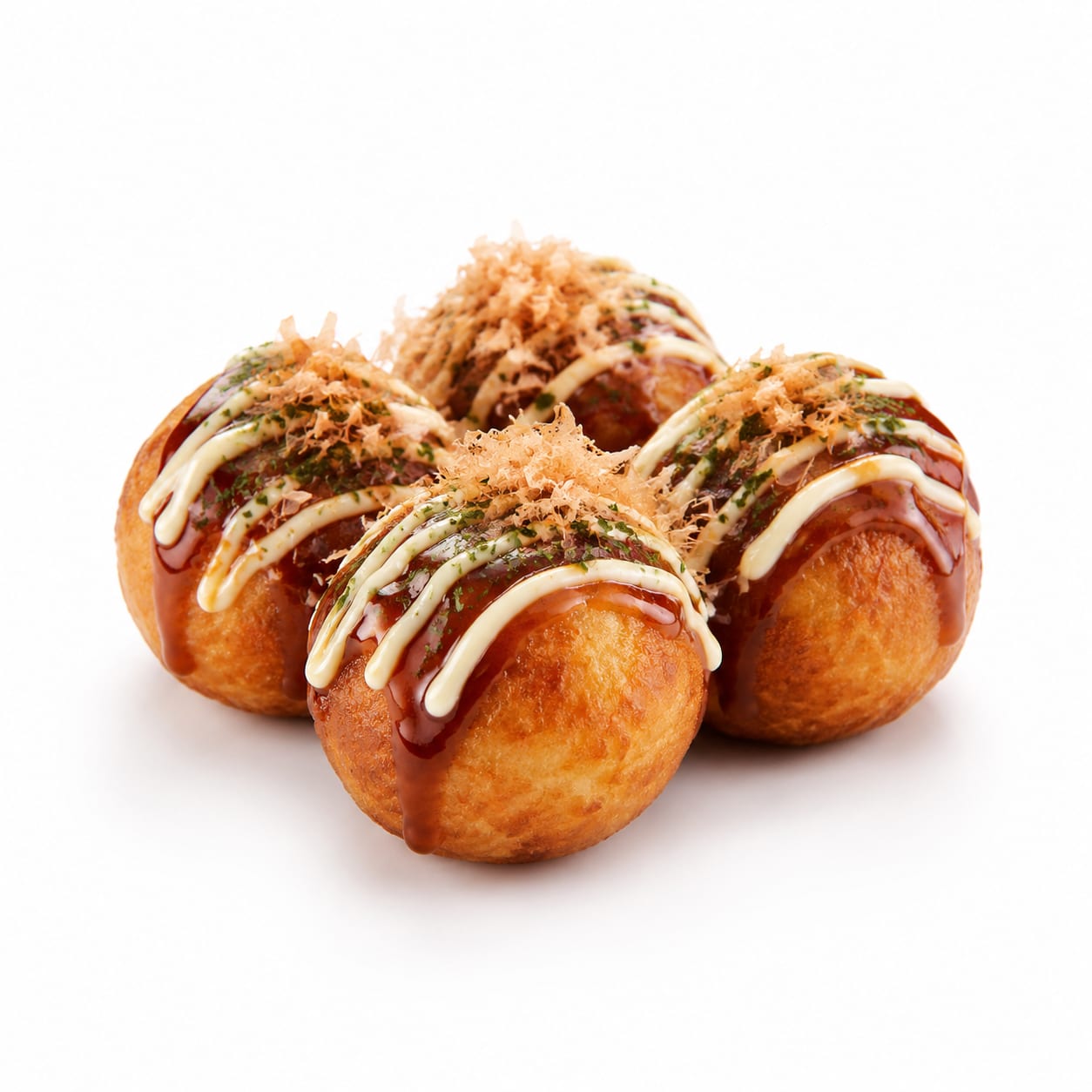
Takoyaki
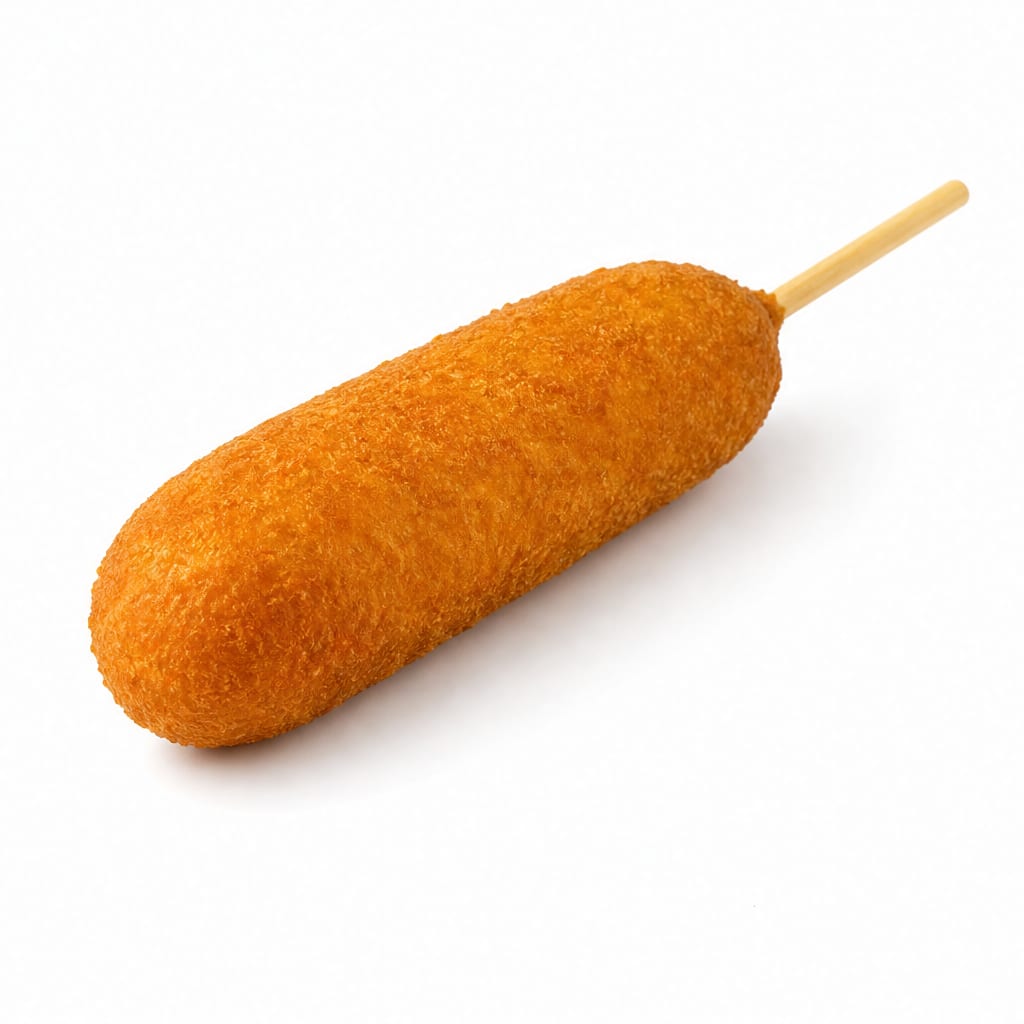
Corn Dog
Takoyaki edges out corn dogs thanks to lean octopus protein and lighter batter, but both are indulgent fried snacks that should stay occasional treats.
Takoyaki scores moderately higher due to superior protein quality and less processing, but neither food breaks 70 because both are fried, sodium-heavy indulgences with limited nutritional density.
You trade the convenience and familiarity of a corn dog for a more nutrient-dense but harder-to-find snack with its own sodium load.
At a glance
Executive summary
Overall
Takoyaki
Healthier
Takoyaki
More practical
Corn Dog
Daily use
It depends
Key comparison lenses
street food snack comparison
Both are iconic battered street snacks, so users want to know which indulgence carries less regret
processed meat vs seafood protein
Octopus versus hot dog sausage is a dramatic protein quality gap with real health implications
deep fried food tradeoffs
Both are cooked in oil but differ significantly in batter thickness and oil absorption
sodium and sauce load
Takoyaki sauce and mayo versus corn dog condiments both pile on sodium but from different sources
carcinogenic risk awareness
Processed meat in corn dogs carries classified carcinogenic risk that octopus does not
Best choice for
Takoyaki
- Seafood lovers wanting a protein-rich street snack
- Those avoiding processed meat and nitrates
- People seeking smaller portion sizes with bold flavor
- Anyone prioritizing micronutrients like iron and B12
Corn Dog
- Kids who refuse seafood but need calories at a fair
- Busy events where handheld familiarity matters most
- Budget-conscious snackers at American venues
- People craving a hearty, filling comfort food
Least suitable for
Takoyaki
- Shellfish or mollusk allergy sufferers
- Those strictly limiting sodium from sauces
- Anyone seeking low-calorie or low-fat options
- People unfamiliar with or averse to seafood textures
Corn Dog
- Anyone avoiding processed meat for cancer risk
- People managing high blood pressure or heart conditions
- Those monitoring saturated fat and cholesterol
- Vegetarians and those avoiding nitrates
Deep comparison
Dimension by dimension
Each lens scores both foods and breaks down who each option suits.
- Dimension 1 · Priority 95Takoyaki
protein_quality_and_nutrition
Takoyaki · 72Corn Dog · 35Octopus delivers lean, high-quality protein with iron, B12, and taurine, while hot dog sausage is processed meat with lower bioavailability and added fillers.
Tradeoff
Takoyaki gives you real seafood nutrition but in small amounts per piece; corn dogs offer more total protein per serving but from a riskier source.
Why it matters
Protein source quality affects satiety, muscle maintenance, and long-term disease risk far more than total gram count alone.
Real-world impact
After eating takoyaki you get functional protein that supports recovery and energy; after a corn dog you get calories that fill you up but come with inflammatory baggage.
Takoyaki
- Athletes seeking cleaner protein sources
- Older adults needing B12 and iron
- Anyone reducing processed meat intake
Better for
- Anyone with mollusk allergies
Worse for
Corn Dog
- Those needing maximum calories per dollar
- People who cannot eat seafood
Better for
- People at risk for colorectal cancer
- Those managing gout or uric acid levels
Worse for
- Dimension 2 · Priority 90Takoyaki
processing_and_additives
Takoyaki · 55Corn Dog · 25Takoyaki uses whole octopus and simple batter, while corn dogs rely on highly processed sausage with nitrates, preservatives, and emulsifiers.
Tradeoff
Takoyaki is less processed overall but still uses refined flour and sugary sauces; corn dogs are ultra-processed from core to crust.
Why it matters
Ultra-processed food consumption correlates with obesity, heart disease, and all-cause mortality regardless of calorie content.
Real-world impact
Your body recognizes octopus as food; it struggles to extract real nourishment from the emulsified, nitrate-preserved sausage tube.
Takoyaki
- Clean-label seekers
- Those avoiding nitrates and nitrites
- People reducing ultra-processed food intake
Better for
- Those sensitive to MSG or bonito flakes
Worse for
Corn Dog
- No one benefits from higher processing
Better for
- Anyone with chemical sensitivity
- People prone to migraines from nitrates
- Children with developing digestive systems
Worse for
- Dimension 3 · Priority 85Takoyaki
calorie_density_and_portion_control
Takoyaki · 65Corn Dog · 40Takoyaki pieces are small and typically served in portions of 6-8, making it easier to moderate intake; corn dogs are single large units that encourage finishing the whole thing.
Tradeoff
Takoyaki lets you stop at a few pieces, but the sauce drizzle adds hidden calories; corn dogs are calorically dense with no natural stopping point.
Why it matters
Portion architecture shapes eating behavior more than willpower, and smaller units create natural pause points.
Real-world impact
You can share a takoyaki plate and feel satisfied; a corn dog demands you eat all 300+ calories in one go.
Takoyaki
- Mindful eaters who prefer tasting portions
- Those sharing snacks with friends
- People managing calorie budgets
Better for
- Those who lose track eating small bites
Worse for
Corn Dog
- Active individuals needing quick dense calories
- Kids who eat better when food is simple and singular
Better for
- Anyone prone to overeating calorie-dense foods
- People trying to lose weight
Worse for
- Dimension 4 · Priority 80It depends
sodium_and_sauce_burden
Takoyaki · 45Corn Dog · 45Both snacks are sodium bombs, but from different sources: takoyaki sauce and bonito are extremely salty, while hot dogs are cured in brine and often paired with ketchup and mustard.
Tradeoff
Takoyaki sodium comes more from toppings you could request less of; corn dog sodium is baked into the meat itself and harder to reduce.
Why it matters
High sodium intake directly raises blood pressure and stroke risk, and snack foods are a stealth major contributor.
Real-world impact
Either snack can deliver half your daily sodium in a few bites, leaving you thirsty and bloated within an hour.
Takoyaki
- Those willing to ask for sauce on the side
- People who control their own condiments
Better for
- People who love extra sauce drizzle
- Those extremely sensitive to sodium
Worse for
Corn Dog
- Those who skip added condiments entirely
Better for
- Hypertension patients
- Anyone on a low-sodium medical protocol
Worse for
- Dimension 5 · Priority 75Takoyaki
fat_profile_and_frying_method
Takoyaki · 50Corn Dog · 35Takoyaki is cooked in small amounts of oil in molded pans, absorbing less fat; corn dogs are fully submerged in deep fryers, soaking up significantly more oil.
Tradeoff
Takoyaki has less total fat and more from the oil than the filling; corn dogs combine saturated fat from the sausage with heavy oil absorption in the batter.
Why it matters
Deep frying doubles or triples the calorie density of food and introduces oxidized fats that promote inflammation.
Real-world impact
After takoyaki you feel reasonably light; after a corn dog the greasy heaviness sits in your stomach for hours.
Takoyaki
- Those avoiding greasy food sensations
- People limiting fried food intake
- Anyone prone to acid reflux from heavy grease
Better for
- Those who eat large quantities of takoyaki
Worse for
Corn Dog
- No one benefits from more deep-fried oil
Better for
- People with gallbladder issues
- Those managing high cholesterol
- Anyone with sensitive digestion
Worse for
- Dimension 6 · Priority 70It depends
food_safety_and_allergen_risk
Takoyaki · 50Corn Dog · 50Takoyaki carries seafood allergy and contamination risks; corn dogs carry processed meat pathogen and allergen risks. Both have real but different danger profiles.
Tradeoff
Octopus can cause severe allergic reactions in sensitive individuals but is less commonly contaminated; hot dogs carry listeria risk and common allergens like wheat, dairy, and soy.
Why it matters
A single allergic reaction or foodborne illness event outweighs weeks of nutritional benefits from either food.
Real-world impact
If you have shellfish or mollusk allergies, takoyaki is dangerous; if you have gluten or soy issues, corn dogs are equally risky.
Takoyaki
- Those without seafood allergies
- People who trust the vendor's freshness
Better for
- Anyone with cephalopod or shellfish allergy
- Those unsure about ingredient transparency
Worse for
Corn Dog
- Those without gluten or soy allergies
- People eating at well-regulated venues
Better for
- People with celiac or gluten sensitivity
- Those with soy or dairy allergies
- Pregnant women avoiding listeria risk
Worse for
Timeline
Health impact over time
Short-term
Hours to days
Takoyaki
- Quick energy from refined carbs in the batter
- Possible thirst from high-sodium sauce
- Light satisfaction without heavy sluggishness if portion is moderate
- Risk of allergic reaction if sensitive to seafood
Corn Dog
- Dense caloric fill that can feel heavy quickly
- Blood sugar spike from refined cornmeal batter
- Thirst and bloating from sodium and grease
- Possible heartburn from deep-fried fat content
Long-term
Months to years
Takoyaki
- Occasional consumption poses minimal risk and provides trace minerals
- Regular intake of refined batter and salty sauce still contributes to metabolic strain
- Octopus provides taurine and B12 that support cardiovascular and nervous system function
- Sodium load from repeated consumption could raise blood pressure over time
Corn Dog
- Regular processed meat consumption is linked to increased colorectal cancer risk
- Repeated intake of nitrates and saturated fat strains cardiovascular health
- Deep-fried oil exposure contributes to systemic inflammation
- High sodium habit from cured meat accelerates hypertension progression
Risk profile
Safety & processing
Takoyaki uses real octopus and a simple flour-egg-dashi batter with minimal preservatives, making it processed but recognizable as food. Corn dogs are built on an ultra-processed sausage core containing nitrates, emulsifiers, and fillers, then coated in refined cornmeal batter and deep-fried. The gap in ingredient integrity is substantial.
Takoyaki
seafood_allergy
highOctopus is a mollusk and can trigger severe anaphylaxis in sensitized individuals, comparable to shellfish reactions.
cross_contamination_at_stalls
mediumStreet vendors often share cooking surfaces and tools, creating risk for those with multiple food allergies.
incomplete_cooking
lowTakoyaki centers can remain slightly undercooked if rushed, though octopus is typically pre-cooked before filling.
Corn Dog
listeria_contamination
mediumHot dogs are a known vector for Listeria monocytogenes, especially dangerous for pregnant women and immunocompromised individuals.
nitrate_exposure
mediumCured sausage contains nitrates that can form carcinogenic nitrosamines, particularly when cooked at high heat during deep frying.
allergen_density
mediumCorn dogs commonly contain wheat, soy, dairy, and eggs, making them a multi-allergen trap for sensitive individuals.
Who wins for whom
Audience fit
Same foods, different winners depending on your goal.
children
Corn DogMost kids accept corn dogs more readily than octopus-filled snacks, and the familiar format reduces mealtime battles, though nutritionally both are occasional treats.
daily consumption
It dependsNeither should be eaten daily, but if forced to choose, takoyaki's better protein profile makes it the less harmful regular option despite similar sodium concerns.
diabetes
It dependsBoth spike blood sugar through refined carb batters, but takoyaki has slightly less batter per bite; neither is appropriate for regular consumption by diabetics.
elderly
TakoyakiTakoyaki is softer and easier to chew, and octopus provides B12 and iron that older adults often lack, though sodium should be monitored.
muscle gain
TakoyakiOctopus provides higher-quality complete protein with leucine and essential amino acids that support muscle synthesis better than processed sausage.
weight loss
TakoyakiSmaller portion units and lower calorie density per piece make takoyaki easier to moderate, though neither is a weight loss food.
Your move
Decision guide
Choose Takoyaki
- You want a snack with real protein and micronutrients, not just empty calories
- Processed meat and nitrates are a hard pass for your health goals
- You prefer smaller portions you can share and savor rather than one heavy unit
- You are comfortable with seafood flavors and textures
Choose Corn Dog
- You are at a fair or event where corn dogs are the only real option
- You or your kids absolutely will not eat seafood and need calories
- Comfort food familiarity matters more than nutritional optimization right now
- You need something hearty and filling on the go without adventurous eating
Either works if
- You are treating yourself occasionally and either sounds satisfying
- Your main concern is just limiting fried food frequency overall
- You plan to balance the indulgence with a lighter, vegetable-rich meal later
Avoid both if
- You are managing hypertension and cannot afford a sodium spike
- You are following a low-fat or heart-protective diet strictly
- You have multiple food allergies that make both options risky
- You are trying to eliminate ultra-processed and deep-fried foods entirely
Final recommendation
When the street food craving hits, takoyaki gives you more nutritional return per bite with lean octopus protein and a lighter fry. Corn dogs are the more accessible comfort choice but carry real processed meat risks that compound over time. Choose takoyaki when you can find it, save corn dogs for rare nostalgic moments, and always pair either with water and something green later.
Practical
Consumer tips
- 1
Ask for takoyaki with less sauce to cut sodium by roughly 30%
- 2
If eating a corn dog, skip ketchup and mustard to reduce sugar and sodium slightly
- 3
Share either snack with a friend to halve the calorie and sodium impact
- 4
Drink extra water after either snack to help flush excess sodium
- 5
Look for takoyaki made with bonito broth instead of heavy sauce for a lighter version
- 6
Avoid corn dogs at venues where they may have been sitting under heat lamps for extended periods
- 7
If making either at home, bake instead of deep-fry to dramatically reduce fat absorption