
Nutrition comparison
Sugar Snap Peas vs Snow Peas: Nutrition, Taste, and Best Uses Compared
Sugar Snap Peas vs Snow Peas — which is healthier? Compare calories, fiber, protein, and best cooking uses. Find out which pea fits your diet and kitchen better.
Overall winner · Sugar Snap Pea
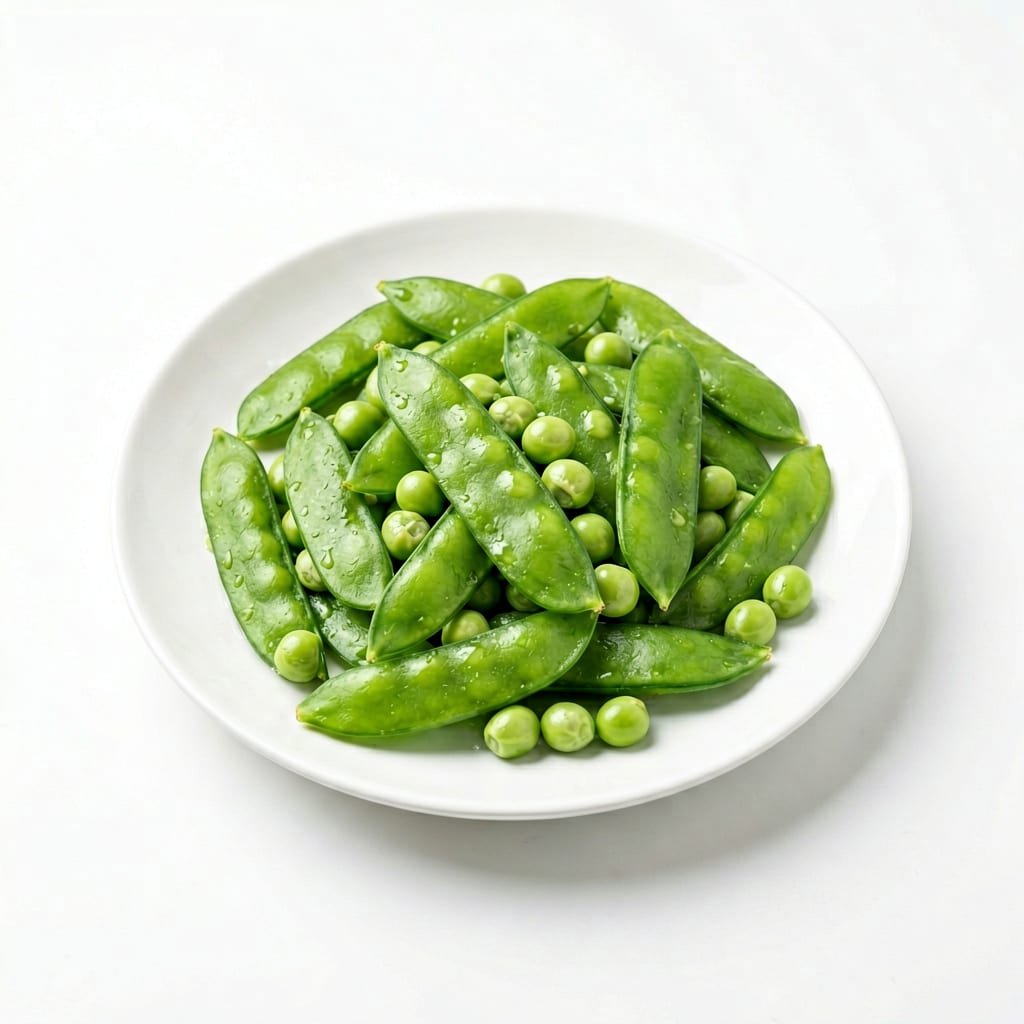
Sugar Snap Pea
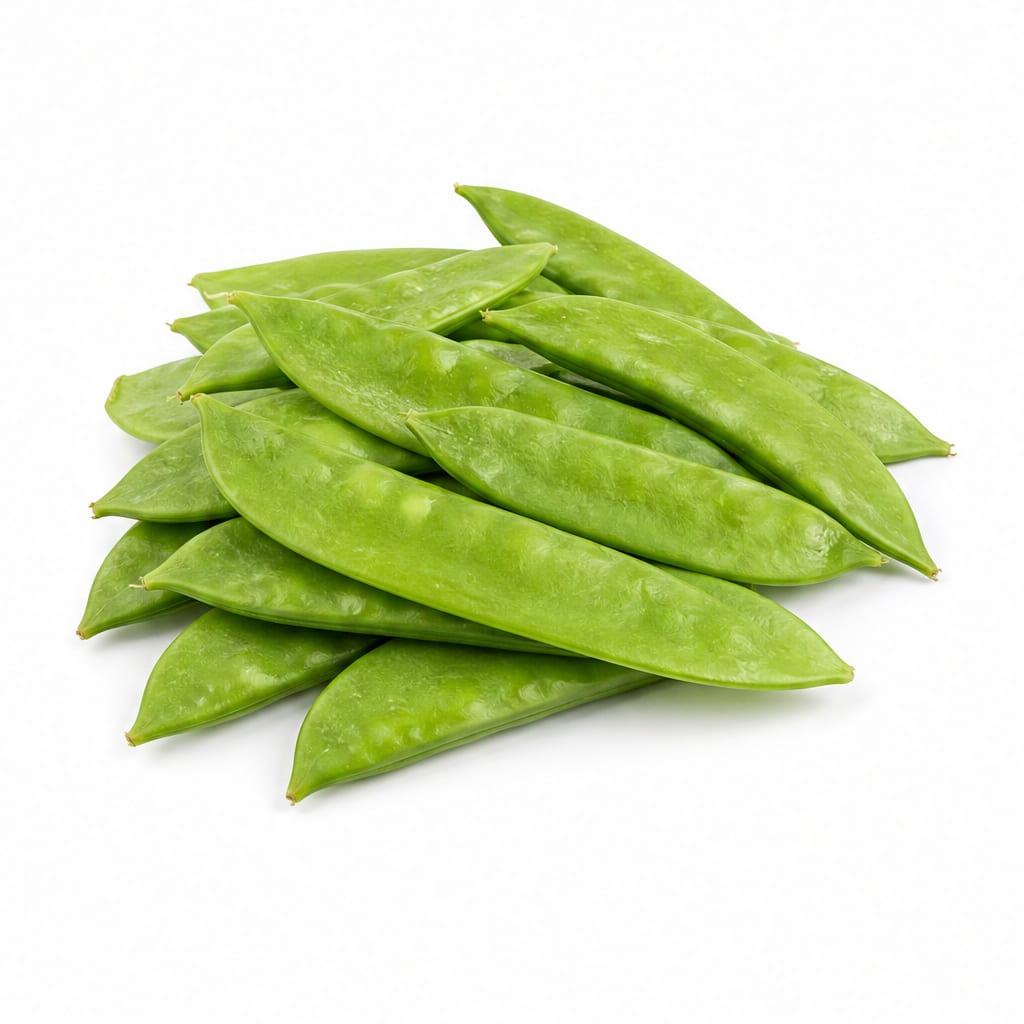
Snow Peas
Sugar Snap Peas edge ahead with more protein, fiber, and satisfying crunch, but Snow Peas win for lower-calorie volume eating and delicate dishes.
Sugar Snap Peas score higher due to superior fiber, protein, and satiety, but the gap is moderate because Snow Peas offer genuine advantages in calorie efficiency and cooking delicacy.
Nutrient density and satiety versus fewer calories and more delicate texture
At a glance
Executive summary
Overall
Sugar Snap Pea
Healthier
Sugar Snap Pea
More practical
It depends
Daily use
Sugar Snap Pea
Key comparison lenses
nutritional density comparison
These peas look similar but differ meaningfully in calories, fiber, and protein due to pod thickness and pea development
snacking and raw eating
Both are popular raw snacks and crudités staples, so crunch satisfaction and eating experience matter
cooking versatility
Snow Peas are stir-fry favorites while Sugar Snap Peas hold up better roasted or blanched, affecting practical use
weight management
Calorie and fiber differences make one better for volume eating and the other for nutrient density
blood sugar impact
Fiber and protein differences affect how steadily these release energy
Best choice for
Sugar Snap Pea
- People wanting a filling, crunchy raw snack
- Those prioritizing protein and fiber from vegetables
- Anyone meal-prepping since they hold texture longer
- Roasting or grilling applications
Snow Peas
- Calorie-counters wanting maximum volume
- Stir-fry and quick-cook dishes needing tenderness
- People who find thicker pods too fibrous
- Salads where a delicate texture is preferred
Least suitable for
Sugar Snap Pea
- Very low-calorie diets where every calorie counts
- Dishes requiring a soft, melting texture
Snow Peas
- People needing sustained fullness from a snack
- Those looking to maximize protein from vegetable sources
Deep comparison
Dimension by dimension
Each lens scores both foods and breaks down who each option suits.
- Dimension 1 · Priority 92Sugar Snap Pea
nutritional_density
Sugar Snap Pea · 82Snow Peas · 65Sugar Snap Peas deliver noticeably more protein, fiber, and several vitamins per serving because the mature peas inside contribute concentrated nutrients.
Tradeoff
That extra nutrition comes with roughly 50% more calories per cup.
Why it matters
If you eat vegetables partly to efficiently pack in nutrients, the denser option saves effort.
Real-world impact
A cup of Sugar Snap Peas gives you about 2 more grams of protein and 1.5 more grams of fiber — small numbers that add up over a week of snacking.
Sugar Snap Pea
- Nutrient-per-bite efficiency
- Fiber intake goals
- Plant protein contribution
Better for
- Strict calorie restriction
Worse for
Snow Peas
- Lower calorie load per serving
- Lighter side dish pairing
Better for
- Meeting fiber targets efficiently
Worse for
- Dimension 2 · Priority 88Sugar Snap Pea
satiety_and_fullness
Sugar Snap Pea · 80Snow Peas · 62The thicker pod walls and developed peas in Sugar Snap Peas create more chewing resistance and stomach-filling bulk.
Tradeoff
Snow Peas feel lighter and less filling, which is either a pro or con depending on your goal.
Why it matters
A snack that actually satisfies you prevents the grazing spiral 30 minutes later.
Real-world impact
Eating a cup of Sugar Snap Peas as an afternoon snack is more likely to hold you until dinner than the same volume of Snow Peas.
Sugar Snap Pea
- Between-meal snacking
- Preventing overeating later
- Post-workout hunger
Better for
- Eating right before a big meal
Worse for
Snow Peas
- Light appetizer before a heavy meal
- When you want something fresh without feeling full
Better for
- Situations where you need the snack to actually tide you over
Worse for
- Dimension 3 · Priority 78Snow Peas
calorie_efficiency
Sugar Snap Pea · 60Snow Peas · 85Snow Peas provide more volume per calorie, making them ideal when you want to eat a lot without consuming much energy.
Tradeoff
You get fewer nutrients alongside those fewer calories.
Why it matters
For volume eaters who feel psychologically satisfied by larger portions, calorie density makes or breaks adherence.
Real-world impact
You can eat nearly twice the volume of Snow Peas for the same calories as Sugar Snap Peas — helpful for late-night snacking urges.
Sugar Snap Pea
- Getting more nutrition per eating occasion
Better for
- When maximum food volume per calorie is the priority
Worse for
Snow Peas
- Volume eating strategies
- Low-calorie diet phases
- Late-night snacking with minimal caloric impact
Better for
- When each eating occasion needs to deliver substantial nutrition
Worse for
- Dimension 4 · Priority 80It depends
cooking_versatility
Sugar Snap Pea · 76Snow Peas · 76Each excels in different kitchens: Sugar Snap Peas shine roasted, blanched, or eaten raw; Snow Peas are stir-fry and quick-sauté champions.
Tradeoff
Neither is truly versatile across all cooking methods — they specialize differently.
Why it matters
Buying a vegetable that fits how you actually cook prevents food waste.
Real-world impact
If you stir-fry twice a week, Snow Peas are the smarter buy. If you meal-prep snack boxes, Sugar Snap Peas hold crunch longer in the fridge.
Sugar Snap Pea
- Raw crudités and dip platters
- Roasting with olive oil and salt
- Blanching for meal-prep containers
- Grilling in a vegetable basket
Better for
- Stir-fries where thick pods stay too crunchy
- Dishes requiring a melting, tender texture
Worse for
Snow Peas
- Stir-fries and wok dishes
- Quick sautés where tenderness matters
- Asian-style soups as a finishing garnish
- Salads needing a delicate snap
Better for
- Roasting — they collapse and dry out
- Snack boxes — they wilt faster and lack satisfying crunch
Worse for
- Dimension 5 · Priority 70Sugar Snap Pea
blood_sugar_stability
Sugar Snap Pea · 75Snow Peas · 68Both are low-glycemic, but Sugar Snap Peas have slightly more fiber and protein to slow glucose absorption.
Tradeoff
The difference is modest — neither will spike blood sugar meaningfully.
Why it matters
For people with diabetes or insulin resistance, even small fiber advantages help smooth out post-meal curves.
Real-world impact
Pairing either pea with a protein source makes the difference negligible, but eating Sugar Snap Peas alone gives a slight edge in steadier energy.
Sugar Snap Pea
- Eating peas solo as a snack with blood sugar concerns
- Pre-diabetes dietary patterns
Better for
Snow Peas
- Mixed dishes where other fiber and protein are already present
Better for
- Eating large portions alone when managing blood sugar
Worse for
- Dimension 6 · Priority 65Snow Peas
digestive_tolerance
Sugar Snap Pea · 62Snow Peas · 75Snow Peas have thinner, more tender pods that are easier to break down, especially for sensitive digestive systems.
Tradeoff
Sugar Snap Peas' fibrous pods can cause bloating if you eat large quantities or have IBS.
Why it matters
A healthy vegetable you avoid because it causes discomfort delivers zero nutrition.
Real-world impact
If raw veggies sometimes make you gassy, Snow Peas are gentler on the stomach, especially in larger portions.
Sugar Snap Pea
- People with robust digestion who benefit from extra fiber
Better for
- Prone to bloating with fibrous vegetables
- Raw vegetable intolerance
Worse for
Snow Peas
- IBS or sensitive digestion
- Eating large volumes raw
- Gentle reintroduction of vegetables after digestive issues
Better for
Timeline
Health impact over time
Short-term
Hours to days
Sugar Snap Pea
- Provides satisfying crunch that curbs snacking urges
- Fiber supports immediate digestive regularity
- Natural sweetness can satisfy sugar cravings without a crash
Snow Peas
- Light and refreshing without heaviness
- Easy to eat in large volume without digestive discomfort
- Quick-cooking nature preserves vitamin C when lightly sautéed
Long-term
Months to years
Sugar Snap Pea
- Higher fiber intake supports gut microbiome diversity over time
- Consistent vegetable protein contributes to muscle maintenance
- Vitamin K and C support bone density and immune resilience
Snow Peas
- Low calorie density supports sustainable weight management
- Vitamin C and folate contribute to cardiovascular health
- Gentle fiber supports consistent digestion without irritation
Risk profile
Safety & processing
Both are whole, unprocessed vegetables typically sold fresh or frozen without additives. Neither raises processing concerns.
Sugar Snap Pea
Pesticide residue
mediumPeas are not on the highest-residue lists, but conventional Sugar Snap Peas can carry trace pesticides on the pod you eat whole. Washing helps; organic eliminates this concern.
Foodborne illness from raw consumption
lowEaten raw frequently with minimal risk, but pre-washed bagged versions have had rare recalls. Rinse regardless of packaging claims.
Snow Peas
Pesticide residue
mediumSimilar to Sugar Snap Peas — the entire pod is consumed, so any surface residue is ingested. Washing or choosing organic reduces exposure.
Foodborne illness from raw consumption
lowSame low-risk profile as Sugar Snap Peas. Rinse before eating raw.
Who wins for whom
Audience fit
Same foods, different winners depending on your goal.
children
Sugar Snap PeaKids tend to enjoy the sweeter taste and louder crunch of Sugar Snap Peas, making them a more reliable way to get vegetables accepted. The fun snap factor matters for picky eaters.
daily consumption
Sugar Snap PeaSugar Snap Peas offer more nutritional return per serving and hold texture better in meal-prep containers, making them a more practical daily staple.
diabetes
Sugar Snap PeaThe extra fiber and protein in Sugar Snap Peas create a marginally gentler blood sugar response when eaten alone. In mixed meals, the difference shrinks considerably.
elderly
Snow PeasSnow Peas are easier to chew and gentler on digestion, which matters for aging teeth and more sensitive stomachs. Their tenderness requires less effort to enjoy.
muscle gain
Sugar Snap PeaSugar Snap Peas provide slightly more protein per serving, though neither is a significant protein source. The edge is real but small — both need pairing with higher-protein foods.
weight loss
Snow PeasSnow Peas let you eat more volume for fewer calories, which helps with the psychological side of restriction. But Sugar Snap Peas may prevent overeating later due to better satiety — so the best choice depends on whether you're a volume eater or a satiety responder.
Your move
Decision guide
Choose Sugar Snap Pea
- You want a crunchy, satisfying raw snack that actually fills you up
- You're meal-prepping and need vegetables that hold texture for days
- You're trying to maximize fiber and protein from vegetable sources
- You have kids who need vegetables that feel fun to eat
- You enjoy roasting or grilling vegetables
Choose Snow Peas
- You're counting calories and want maximum eating volume
- You cook a lot of stir-fries or Asian-inspired dishes
- You find thick pea pods too fibrous or tough to enjoy
- You want a delicate garnish for soups or salads
- You have sensitive digestion and need gentler fiber
Either works if
- You're adding peas to a mixed dish with plenty of other nutrients
- You want a low-calorie, high-fiber vegetable side
- You're already eating adequate protein and fiber from other sources
- You just want something fresh and crunchy and both are available
Avoid both if
- You have a severe legume allergy — these are legumes and may trigger reactions
- You're on a very low-fiber diet for acute digestive conditions
Final recommendation
Keep both in rotation. Stock Sugar Snap Peas for raw snacking and meal prep, and Snow Peas for stir-fry nights. If you must pick one, Sugar Snap Peas deliver more nutrition and satiety per serving — but Snow Peas earn their place in any kitchen that values delicate texture and calorie efficiency.
Practical
Consumer tips
- 1
Buy both fresh — avoid pre-washed bags if possible, as they spoil faster and cost more
- 2
Store both in a perforated bag in the crisper drawer; Sugar Snap Peas last 5-7 days, Snow Peas slightly less at 3-5 days
- 3
Wash both thoroughly right before eating, not before storing — moisture accelerates spoilage
- 4
Choose organic if you eat the pods frequently, since you consume the entire surface that holds pesticide residue
- 5
Blanch Sugar Snap Peas for 90 seconds before adding to meal-prep containers to preserve color and crunch for days
- 6
Add Snow Peas to stir-fries at the very last minute — 60 seconds of heat is enough to keep them crisp-tender
- 7
Frozen Sugar Snap Peas are surprisingly good for roasting and often cheaper than fresh out of season