
Nutrition comparison
Sugar Snap Peas vs Green Beans: Which Is Healthier?
Compare sugar snap peas and green beans on nutrition, blood sugar impact, calories, and snackability. Find out which vegetable fits your diet better.
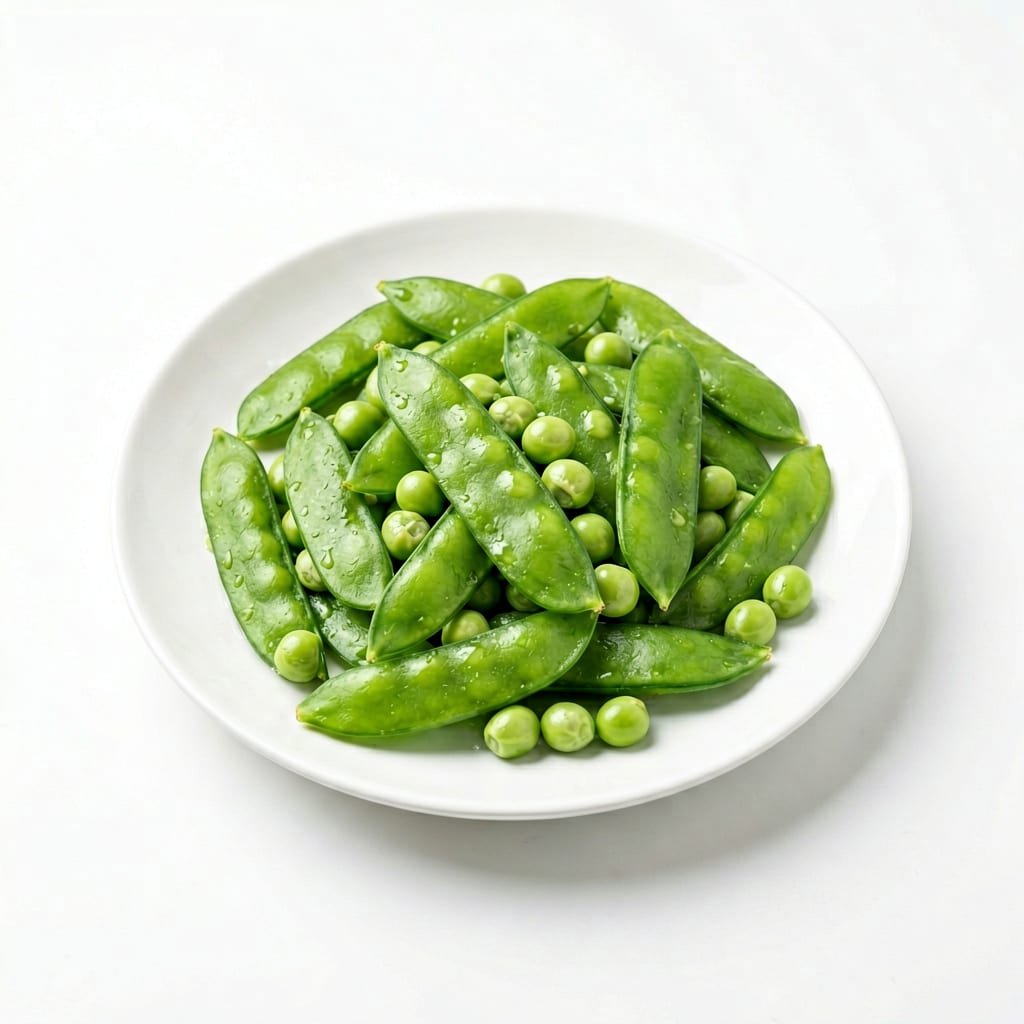
Sugar Snap Pea
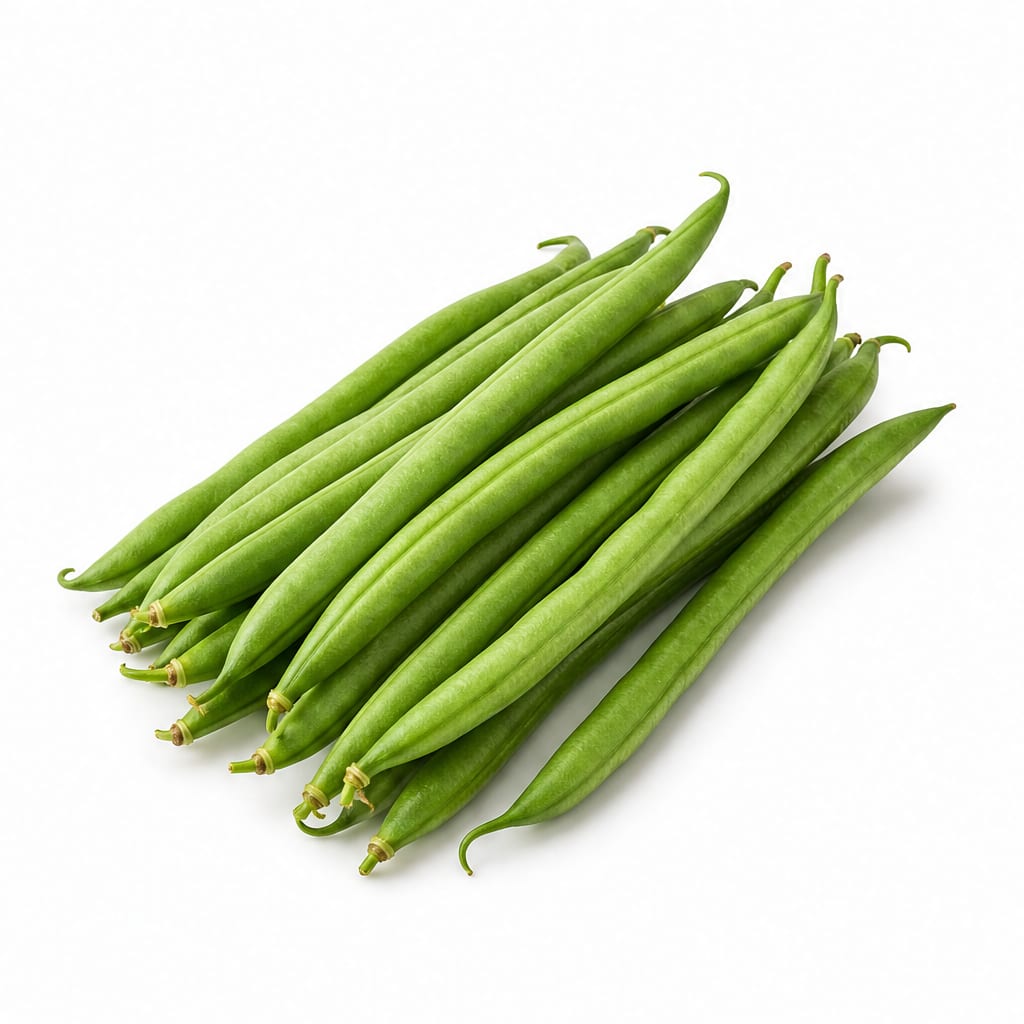
Green Beans
Sugar snap peas win for snacking enjoyment and vitamin C, while green beans win for lower sugar and slightly better calorie efficiency. Your pick depends on whether you prioritize flavor and raw convenience or stricter blood sugar control.
Green beans edge ahead due to lower sugar, slightly fewer calories, and broader suitability for restrictive diets. Sugar snap peas score well for enjoyment and convenience but their higher carb content narrows their audience.
Sweetness and snackability versus lower carbs and fewer calories per serving.
At a glance
Executive summary
Overall
It depends
Healthier
Green Beans
More practical
Sugar Snap Pea
Daily use
Green Beans
Key comparison lenses
blood sugar and carb management
Sugar snap peas are notably sweeter with more natural sugars, making glycemic impact a key differentiator
snackability and raw eating convenience
Sugar snap peas are a popular raw snack while green beans are almost always cooked, affecting daily usability
weight loss and calorie efficiency
Both are low-calorie vegetables but differ in sugar and calorie density enough to matter for strict dieters
fiber and digestive health
Both provide fiber but in slightly different amounts and types, affecting satiety and gut health
pesticide and contamination exposure
Both appear on EWG shopping lists with different risk profiles worth noting
Best choice for
Sugar Snap Pea
- Parents trying to get kids to eat more vegetables
- Raw snackers who want something crunchy and naturally sweet
- Meal preppers looking for zero-cook side options
- Salad builders wanting texture and visual appeal
Green Beans
- People managing blood sugar or following low-carb diets
- Calorie counters wanting maximum volume for minimum calories
- Traditional meal planners wanting a classic cooked side dish
- Anyone avoiding even moderate natural sugar intake
Least suitable for
Sugar Snap Pea
- Strict keto or very low-carb dieters
- Those monitoring sugar intake for diabetes management
- People who dislike sweet vegetables
Green Beans
- Raw snack enthusiasts who dislike cooking
- Kids who need sweeter vegetables to engage
- Anyone wanting a quick no-prep vegetable option
Deep comparison
Dimension by dimension
Each lens scores both foods and breaks down who each option suits.
- Dimension 1 · Priority 90Green Beans
blood sugar impact
Sugar Snap Pea · 65Green Beans · 88Green beans have roughly half the carbohydrates and sugar of sugar snap peas, making them gentler on blood sugar.
Tradeoff
Sugar snap peas taste sweeter and more appealing raw, but that sweetness comes with a measurable carb difference that matters for diabetics and low-carb eaters.
Why it matters
A cup of sugar snap peas has about 6g more net carbs than a cup of green beans. That gap is small for most people but significant for anyone tracking carbs closely.
Real-world impact
After a sugar snap pea snack, someone with insulin resistance may notice a slight energy dip that would not occur with green beans.
Sugar Snap Pea
- Active individuals who burn through carbs quickly
- People who find low-sugar vegetables unappealing and would otherwise skip veggies entirely
Better for
- Insulin-resistant individuals
- Strict low-carb followers
Worse for
Green Beans
- Diabetics and pre-diabetics managing glucose
- Keto and low-carb dieters counting every gram
- Anyone wanting steadier afternoon energy
Better for
- Nobody specifically — green beans are gentler on blood sugar across the board
Worse for
- Dimension 2 · Priority 85Sugar Snap Pea
snackability and convenience
Sugar Snap Pea · 92Green Beans · 55Sugar snap peas are one of the best raw snack vegetables available. Green beans almost always require cooking to be palatable.
Tradeoff
You gain grab-and-go convenience with sugar snap peas but lose the lower sugar profile of green beans.
Why it matters
If a vegetable requires cooking, it gets skipped more often. Raw snackability directly impacts how frequently people actually eat it.
Real-world impact
Throwing sugar snap peas in a lunch bag takes zero thought. Green beans require steaming or sautéing, which adds 10-15 minutes of effort and cleanup.
Sugar Snap Pea
- Busy professionals needing instant veggie snacks
- Parents packing school lunches
- Commuters who eat on the go
Better for
- People who prefer cooked vegetables only
Worse for
Green Beans
- Home cooks who enjoy preparing sides
- Meal preppers who batch-cook vegetables on Sundays
Better for
- Anyone short on time or cooking energy
- Raw food diet followers
Worse for
- Dimension 3 · Priority 80Green Beans
calorie efficiency
Sugar Snap Pea · 70Green Beans · 85Green beans deliver slightly more food volume per calorie, making them marginally better for calorie-restricted diets.
Tradeoff
The calorie difference is small per serving but can add up over weeks of consistent eating.
Why it matters
A cup of green beans runs about 31 calories versus roughly 41 for sugar snap peas. Not dramatic, but meaningful when every calorie counts.
Real-world impact
Over a month of daily servings, choosing green beans saves roughly 300 calories total — about one extra snack's worth.
Sugar Snap Pea
- Active people who do not need to micromanage calories
- Anyone who finds green beans too bland to eat consistently
Better for
- Competitive dieters in a deficit
Worse for
Green Beans
- Strict calorie counters
- Volume eaters who want maximum plate fullness
- Weight loss patients following prescribed plans
Better for
- Underweight individuals needing calorie density
Worse for
- Dimension 4 · Priority 75Sugar Snap Pea
vitamin and mineral density
Sugar Snap Pea · 82Green Beans · 76Sugar snap peas offer more vitamin C and slightly more folate, while green beans provide comparable vitamin K and marginally more iron.
Tradeoff
Sugar snap peas have a slight micronutrient edge overall, but both are solid vegetable sources and neither is a standout nutrient powerhouse.
Why it matters
Vitamin C from sugar snap peas supports immune function and iron absorption. The difference is real but not dramatic enough to drive a decision alone.
Real-world impact
Eating sugar snap peas raw preserves their vitamin C. Cooking green beans can reduce some heat-sensitive nutrients, narrowing the gap further.
Sugar Snap Pea
- Anyone wanting an immune-supporting snack
- People who eat vegetables raw to preserve vitamin C
Better for
- People who only eat them cooked, reducing vitamin C advantage
Worse for
Green Beans
- Those focused on iron intake from plant sources
- Anyone already getting plenty of vitamin C elsewhere
Better for
- Those relying on this vegetable as a primary vitamin C source
Worse for
- Dimension 5 · Priority 75Green Beans
fiber and digestive health
Sugar Snap Pea · 72Green Beans · 78Green beans provide slightly more fiber per calorie, making them a more efficient fiber source relative to their carb load.
Tradeoff
Sugar snap peas still offer decent fiber but their higher sugar content means you get less fiber per gram of carbohydrate consumed.
Why it matters
Fiber-to-carb ratio matters more than total fiber for metabolic health. Green beans deliver a better ratio.
Real-world impact
For gut health and regularity, both work well. For blood sugar management through fiber, green beans have the edge.
Sugar Snap Pea
- Anyone already meeting fiber needs who prioritizes taste
- Kids who need a gentler fiber introduction
Better for
- Metabolic syndrome patients optimizing fiber-to-carb ratios
Worse for
Green Beans
- People maximizing fiber per calorie
- Those managing cholesterol through soluble fiber intake
Better for
- Those with sensitive digestion who find green beans gas-producing
Worse for
- Dimension 6 · Priority 65It depends
pesticide and contamination risk
Sugar Snap Pea · 70Green Beans · 72Both vegetables carry moderate pesticide residue risk when conventionally grown, but green beans have appeared on the EWG Dirty Dozen list more frequently.
Tradeoff
Green beans have slightly higher pesticide concern profiles, but sugar snap peas are not risk-free either. Organic matters for both.
Why it matters
Green beans have shown more detectable pesticide residues in USDA testing, including organophosphates. Sugar snap peas are typically cleaner but not pristine.
Real-world impact
If buying conventional, green beans warrant a more thorough wash. If budget allows organic for only one, prioritize organic green beans.
Sugar Snap Pea
- Budget shoppers who can only afford conventional produce
- Anyone wanting slightly lower pesticide exposure without going organic
Better for
- Those who assume all pea varieties are equally clean
Worse for
Green Beans
- Nobody — green beans have the higher pesticide risk
Better for
- Families with young children concerned about pesticide exposure
- Anyone eating large daily quantities from conventional sources
Worse for
Timeline
Health impact over time
Short-term
Hours to days
Sugar Snap Pea
- Quick natural sugar boost that can help with afternoon energy dips
- Crunchy raw texture promotes mindful eating and slower consumption
- High water content supports hydration
Green Beans
- Steady energy without a sugar spike, making them better for sustained focus
- Steaming or sautéing with healthy fats improves fat-soluble vitamin absorption
- Can cause mild bloating or gas when consumed in large quantities
Long-term
Months to years
Sugar Snap Pea
- Consistent raw vegetable intake supports immune health through vitamin C preservation
- Higher natural sugar intake is still minimal in absolute terms and unlikely to cause issues for most people
- Enjoyable taste profile may help maintain long-term vegetable eating habits
Green Beans
- Lower lifetime sugar exposure from vegetables supports metabolic health
- Consistent fiber intake promotes gut microbiome diversity
- Regular consumption as a cooked side dish integrates easily into balanced meal patterns
Risk profile
Safety & processing
Both are whole vegetables typically sold fresh or frozen with minimal processing. Canned green beans are the exception, often containing added sodium, so fresh or frozen is the better choice for both.
Sugar Snap Pea
pesticide residue
lowSugar snap peas generally test cleaner than many vegetables, but conventional varieties still carry detectable residues. Washing helps but does not eliminate all traces.
foodborne illness from raw consumption
lowSince they are often eaten raw, any contamination on the surface is not destroyed by cooking. Thorough washing mitigates this significantly.
Green Beans
pesticide residue
mediumGreen beans have appeared on the EWG Dirty Dozen list due to frequent detection of pesticide residues including organophosphates. Organic is strongly preferred when possible.
canned sodium overload
mediumCanned green beans often contain 400-800mg of sodium per serving. Rinsing helps but does not fully remove it. Fresh or frozen is significantly safer for blood pressure.
lectin content when undercooked
lowRaw or undercooked green beans contain lectins that can cause digestive upset. Proper cooking eliminates this concern entirely.
Who wins for whom
Audience fit
Same foods, different winners depending on your goal.
children
Sugar Snap PeaThe natural sweetness and fun crunch of sugar snap peas make them far more appealing to kids. Getting children to eat any vegetable consistently outweighs minor nutritional differences.
daily consumption
Green BeansLower sugar, fewer calories, and broader dietary compatibility make green beans the safer daily staple. Sugar snap peas are fine daily too, but their carb content adds up faster.
diabetes
Green BeansLower carbohydrate and sugar content make green beans the safer choice for blood glucose management. The difference is meaningful enough to matter for diabetics.
elderly
Green BeansSofter cooked texture of green beans is easier to chew and digest for aging mouths and digestive systems. Lower sugar also aligns with the higher diabetes risk in older adults.
muscle gain
It dependsNeither is a meaningful protein source. Both serve as low-calorie sides alongside protein-rich mains. Sugar snap peas offer marginally more carbs for post-workout glycogen replenishment.
weight loss
Green BeansFewer calories per cup and a better fiber-to-carb ratio make green beans slightly more efficient for fat loss, though both are excellent choices.
Your move
Decision guide
Choose Sugar Snap Pea
- You want a raw snack you actually look forward to eating
- You are feeding kids who reject bland vegetables
- You need a no-cook vegetable for lunches and travel
- You are active and not worried about moderate carb intake
Choose Green Beans
- You are managing blood sugar, insulin resistance, or diabetes
- You want maximum vegetable volume for minimum calories
- You prefer cooked sides with dinner and enjoy meal preparation
- You are following a low-carb or keto approach
Either works if
- You simply want more vegetables in your diet and enjoy both
- You rotate vegetables for dietary variety and micronutrient breadth
- You buy whatever looks freshest at the farmers market
Avoid both if
- You have a legume allergy or sensitivity to pod vegetables
- You experience significant bloating from high-fiber vegetables and have not yet adapted your gut microbiome
Final recommendation
Keep both in rotation. Sugar snap peas are your raw snack ally and green beans are your cooked side staple. If forced to pick one for daily use, green beans win on metabolic grounds. If forced to pick one for actually enjoying vegetables, sugar snap peas win on taste and convenience. The best choice is whichever one you will eat consistently.
Practical
Consumer tips
- 1
Buy organic green beans when possible due to higher pesticide residue risk. Organic sugar snap peas are preferable but less urgent.
- 2
Wash sugar snap peas thoroughly even if they look clean — they are often eaten raw and any surface contamination bypasses cooking.
- 3
Avoid canned green beans or rinse them thoroughly to remove excess sodium. Frozen green beans are nearly as nutritious as fresh.
- 4
Store sugar snap peas in a breathable bag in the crisper and eat within 3-4 days. They lose sweetness and crunch quickly.
- 5
Steam green beans rather than boiling to preserve water-soluble vitamins. A quick 4-5 minute steam keeps them crisp and nutritious.
- 6
Pair sugar snap peas with a protein dip like hummus to blunt their sugar impact and increase satiety.
- 7
If green beans taste bland, toss them with olive oil, garlic, and lemon after steaming. Healthy fats improve vitamin K absorption.