
Nutrition comparison
Sugar Snap Peas vs Edamame: Which Snack Is Better for You?
Compare sugar snap peas and edamame on protein, calories, satiety, and safety. Find out which legume snack fits your goals better with this expert breakdown.
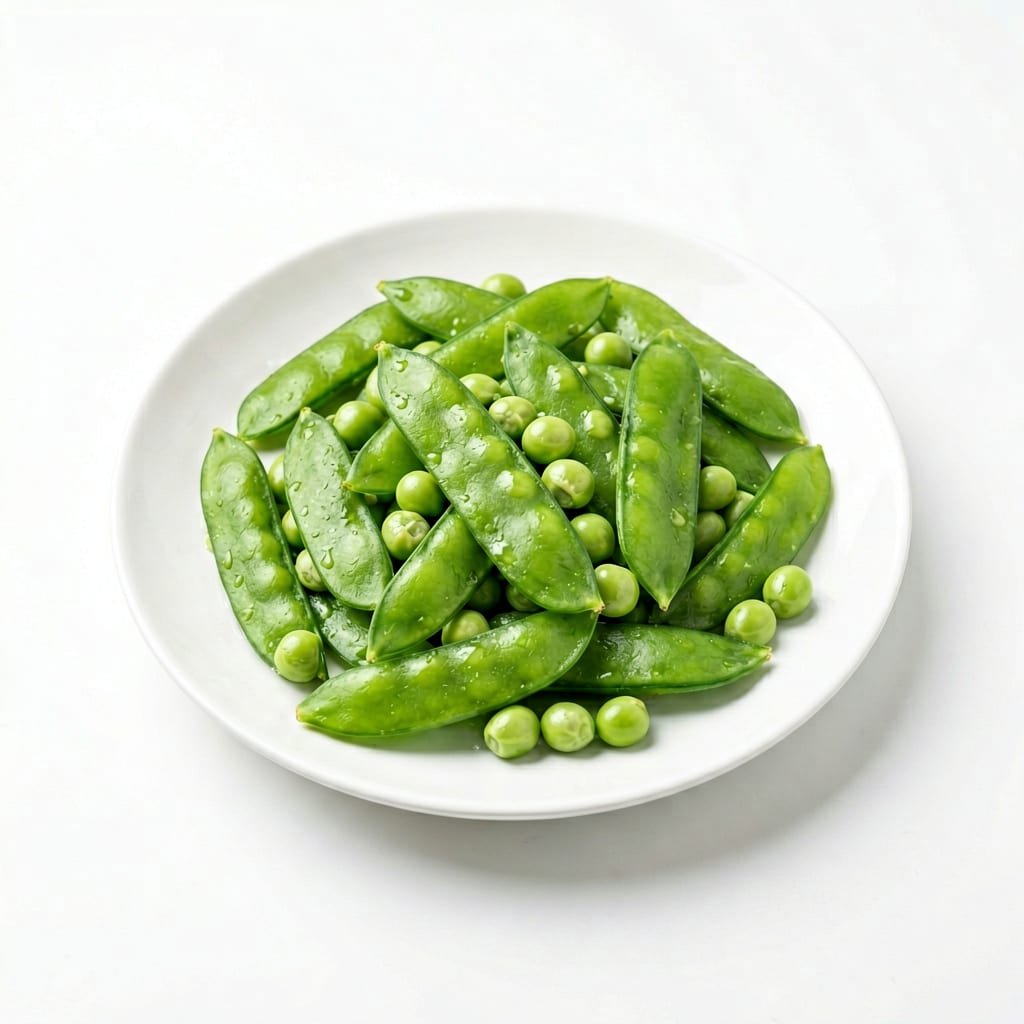
Sugar Snap Pea
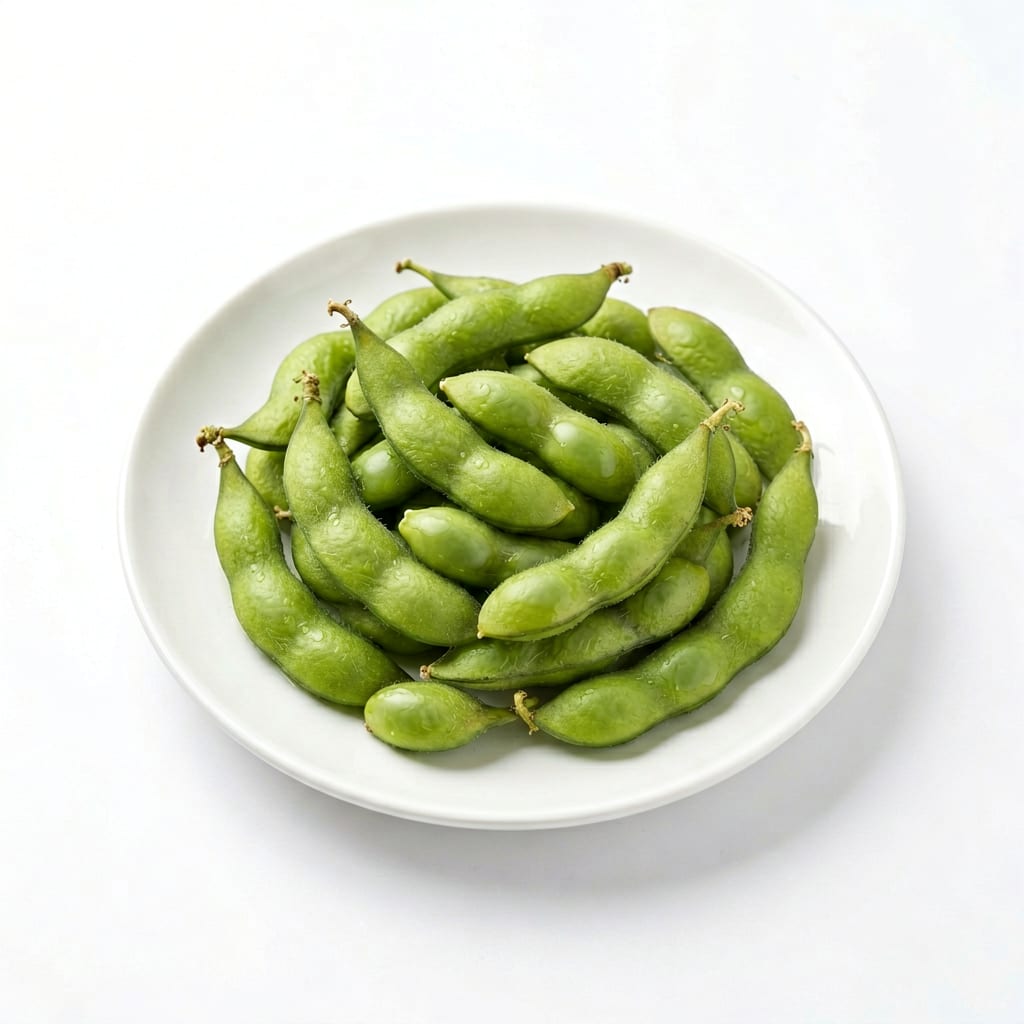
Edamame
Edamame delivers far more protein and lasting fullness, while sugar snap peas offer a lighter, sweeter crunch with fewer calories and no soy concerns.
Edamame scores higher due to its superior protein content, satiety value, and broader micronutrient profile. Sugar snap peas remain a strong choice for lighter snacking but lack the nutritional density that gives edamame its edge.
Satiety and protein power versus lower calories and simpler digestion.
At a glance
Executive summary
Overall
It depends
Healthier
Edamame
More practical
Sugar Snap Pea
Daily use
It depends
Key comparison lenses
protein and satiety comparison
Edamame is a standout plant protein source while sugar snap peas are primarily a light vegetable, making this the most consequential difference
snack convenience and portability
Both are popular handheld snacks but differ significantly in how filling they are and how they fit into daily routines
blood sugar and energy stability
Users comparing these two are often looking for steady energy without crashes, and the protein-fat-carb balance differs dramatically
weight management strategy
One is a low-calorie crunch option and the other is a filling protein snack, serving very different weight loss approaches
soy sensitivity and allergen concerns
Edamame carries soy allergen and GMO considerations that sugar snap peas avoid entirely
Best choice for
Sugar Snap Pea
- Low-calorie snacking when you want volume without heaviness
- People with soy allergies or sensitivities
- Raw snacking straight from the fridge
- Adding crunch to salads and stir-fries
Edamame
- Post-workout recovery needing plant protein
- Sustained energy between meals without crashing
- Vegetarians and vegans hitting protein targets
- Anyone wanting a snack that actually keeps them full
Least suitable for
Sugar Snap Pea
- Anyone relying on snacks for meaningful protein intake
- People needing sustained energy for long gaps between meals
Edamame
- People with soy allergies or intolerances
- Those avoiding GMO crops unless buying organic certified
- Anyone wanting a very light pre-workout snack
Deep comparison
Dimension by dimension
Each lens scores both foods and breaks down who each option suits.
- Dimension 1 · Priority 95Edamame
Protein and Satiety
Sugar Snap Pea · 25Edamame · 90Edamame provides roughly 4-5 times more protein per serving, making it dramatically more filling and useful for meal spacing.
Tradeoff
You gain lasting fullness with edamame but take in more calories per serving than sugar snap peas.
Why it matters
A snack that actually satisfies prevents overeating later. Sugar snap peas taste great but leave you hungry again within an hour.
Real-world impact
A cup of edamame can bridge a 4-hour gap between lunch and dinner. A cup of sugar snap peas will have you reaching for something else within 45 minutes.
Sugar Snap Pea
- Light grazing when you want flavor without fullness
Better for
- Anyone using snacks to meaningfully curb hunger
Worse for
Edamame
- Replacing a mini-meal between lunch and dinner
- Post-workout plant protein recovery
- Preventing the afternoon vending machine visit
Better for
- Eating right before intense exercise when you want something light
Worse for
- Dimension 2 · Priority 80Sugar Snap Pea
Calorie Efficiency and Weight Management
Sugar Snap Pea · 88Edamame · 65Sugar snap peas deliver more volume and crunch per calorie, making them easier to eat freely without tracking portions.
Tradeoff
Lower calories mean less staying power. You may eat more overall later if the snack does not satisfy you.
Why it matters
For pure calorie counting, sugar snap peas win. But calorie-per-satiety is a better metric, and edamame often wins there.
Real-world impact
You can eat a large bowl of sugar snap peas for under 60 calories. The same volume of edamame would be 200+ calories but you would likely eat less because you feel full faster.
Sugar Snap Pea
- Mindless snacking while watching TV without calorie guilt
- Volume eating strategies for weight loss
Better for
- People who confuse low-calorie with satisfying and end up overeating later
Worse for
Edamame
- Smaller portions that actually keep you satisfied
- Avoiding the cycle of constant grazing
Better for
- Strict calorie counters who find it easy to overeat calorie-dense snacks
Worse for
- Dimension 3 · Priority 80Edamame
Blood Sugar Stability
Sugar Snap Pea · 55Edamame · 82Edamame's protein and fat slow digestion and blunt blood sugar response more effectively than the sweeter, carb-heavier sugar snap pea.
Tradeoff
Sugar snap peas are still low-glycemic compared to most snacks, just not as stabilizing as edamame.
Why it matters
Steadier blood sugar means steadier mood, focus, and energy. The protein-fat combo in edamame acts like a metabolic anchor.
Real-world impact
Sugar snap peas alone might give you a brief energy uptick followed by a subtle dip. Edamame keeps you on an even keel for hours.
Sugar Snap Pea
- Pre-workout energy when you want a slight carb lift
Better for
- People sensitive to even moderate sugar intake on an empty stomach
Worse for
Edamame
- Mid-afternoon focus preservation
- Diabetics managing post-meal glucose
- Avoiding the 3pm energy crash
Better for
- Those who find high-protein snacks too heavy between meals
Worse for
- Dimension 4 · Priority 70Sugar Snap Pea
Allergen and Sensitivity Safety
Sugar Snap Pea · 92Edamame · 55Sugar snap peas are allergen-free for nearly everyone. Edamame carries soy allergy risk and broader soy sensitivity concerns.
Tradeoff
Edamame's nutritional benefits come with the most common legume allergen in the world.
Why it matters
Soy is a top 8 allergen. Even mild soy sensitivity can cause bloating, gas, or skin reactions that sugar snap peas simply do not trigger.
Real-world impact
If soy bothers you even slightly, edamame is off the table. Sugar snap peas are safe for virtually all diets including paleo-adjacent eating.
Sugar Snap Pea
- Anyone with known or suspected soy sensitivity
- Households with mixed allergy needs
- Paleo or legume-free dietary frameworks
Better for
- No real downside here from an allergen perspective
Worse for
Edamame
- People without any soy concerns who want maximum nutrition
Better for
- Soy-allergic individuals must avoid entirely
- People with mild legume sensitivities may experience bloating
Worse for
- Dimension 5 · Priority 75Edamame
Micronutrient Density
Sugar Snap Pea · 60Edamame · 85Edamame delivers more iron, folate, vitamin K, and manganese per calorie. Sugar snap peas shine with vitamin C but trail on most other metrics.
Tradeoff
Edamame is the more complete nutrient package, but sugar snap peas offer vitamin C that edamame lacks in comparable amounts.
Why it matters
If your snack is replacing something nutrient-poor, edamame upgrades your daily intake more significantly across more vitamins and minerals.
Real-world impact
A serving of edamame covers about 20% of your daily iron needs. Sugar snap peas cover about 40% of vitamin C but much less of everything else.
Sugar Snap Pea
- Boosting vitamin C intake for immune support
- Adding fresh crunch alongside richer nutrient-dense meals
Better for
- Anyone relying on snacks to fill mineral gaps
Worse for
Edamame
- Plant-based iron and folate support
- Prenatal nutrition snacking
- Athletes needing mineral replenishment
Better for
- People who already get plenty of iron and folate from other sources
Worse for
- Dimension 6 · Priority 65Sugar Snap Pea
Convenience and Versatility
Sugar Snap Pea · 82Edamame · 70Sugar snap peas require zero prep and can be eaten raw anywhere. Edamame typically needs steaming or boiling and dealing with pods.
Tradeoff
Edamame takes more effort but the payoff in nutrition is real. Sugar snap peas are grab-and-go simplicity.
Why it matters
The snack you actually eat always beats the snack that sits in the fridge because it takes effort.
Real-world impact
You can toss sugar snap peas in a bag for the car. Edamame usually needs at least a quick steam and salt, though pre-shelled frozen options help.
Sugar Snap Pea
- Office snacking with no kitchen access
- Road trip or commuting snack
- Kids' lunchboxes where prep time matters
Better for
- When you want a snack that functions more like a mini-meal
Worse for
Edamame
- Planned snack times at home when you can prep
- Appetizer situations where the pod ritual is enjoyable
Better for
- Spontaneous snacking when you are already hungry and impatient
Worse for
Timeline
Health impact over time
Short-term
Hours to days
Sugar Snap Pea
- Quick light energy from natural sugars
- Very gentle on digestion for most people
- Unlikely to cause bloating or discomfort
Edamame
- Noticeable fullness within 20-30 minutes
- Possible mild bloating if you are sensitive to soy or legumes
- Steadier energy without a sugar spike
Long-term
Months to years
Sugar Snap Pea
- Consistent low-calorie snacking supports weight maintenance
- Vitamin C and antioxidants support skin and immune health over time
- Unlikely to contribute to any chronic disease risk
Edamame
- Regular plant protein intake supports muscle preservation with aging
- Soy isoflavones may benefit bone density and heart health
- Daily soy consumption is debated for hormone-sensitive conditions, though moderate intake appears safe for most
Risk profile
Safety & processing
Both foods are whole, minimally processed options. Fresh sugar snap peas are eaten as-is. Edamame is simply steamed soybeans in the pod. Neither contains additives unless you buy seasoned or flavored versions.
Sugar Snap Pea
Pesticide residue
mediumPeas typically appear on moderate pesticide residue lists. Washing helps, and organic options reduce exposure significantly.
Edamame
GMO exposure
mediumOver 90% of US soy is genetically modified. Choosing organic edamame eliminates this concern entirely.
Soy allergen
highSoy is a top 8 allergen. Reactions can range from mild hives to anaphylaxis in sensitive individuals.
Who wins for whom
Audience fit
Same foods, different winners depending on your goal.
children
Sugar Snap PeaKids love the sweet crunch of sugar snap peas, they are safer from an allergen standpoint, and they require no prep. Edamame's soy content and pod-choking hazard make it less ideal for young children.
daily consumption
EdamameEdamame provides more nutritional value per serving that compounds over daily use. Sugar snap peas are safe daily but contribute less to overall nutrient needs.
diabetes
EdamameThe protein and fat in edamame slow glucose absorption more effectively, leading to a flatter blood sugar curve after eating.
elderly
EdamameOlder adults benefit more from edamame's protein for muscle preservation, iron for anemia prevention, and folate for cognitive support.
muscle gain
EdamameEdamame provides complete plant protein with all essential amino acids, making it genuinely useful for muscle recovery. Sugar snap peas offer negligible protein.
weight loss
It dependsSugar snap peas for volume-based low-calorie snacking. Edamame for protein-driven satiety that prevents overeating later. The better choice depends on your snacking psychology.
Your move
Decision guide
Choose Sugar Snap Pea
- You want a light, crunchy snack that never feels heavy
- You or someone in your household has a soy allergy
- You are tracking calories closely and want maximum volume
- You need something you can eat raw with zero prep
- You find edamame causes bloating or digestive discomfort
Choose Edamame
- You need a snack that actually keeps you full for hours
- You are plant-based and need reliable protein sources
- You want steady energy without blood sugar dips
- You are an athlete or active person needing recovery nutrition
- You are pregnant and benefit from extra folate and iron
Either works if
- You want a whole-food snack instead of processed options
- You are looking for fiber to support digestion
- You want something to munch on instead of chips or crackers
Avoid both if
- You have a severe legume allergy that crosses both pea and soy families
- You need a high-calorie snack for weight gain purposes
Final recommendation
Keep both in your rotation. Sugar snap peas are your light daytime grazer, and edamame is your protein-powered hunger blocker. If budget or fridge space forces a choice, edamame gives you more nutritional bang per bite, but sugar snap peas win on convenience and universal digestibility.
Practical
Consumer tips
- 1
Buy organic edamame to avoid GMO soy unless the label explicitly states non-GMO
- 2
Sugar snap peas lose sweetness fast, so eat them within 2-3 days of purchase
- 3
Pre-shelled frozen edamame is nearly as nutritious as fresh and far more convenient
- 4
Wash sugar snap peas thoroughly even if they look clean, as pesticide residues are common
- 5
Steam edamame for 3-5 minutes and finish with sea salt for the best flavor and texture
- 6
Avoid edamame with added seasonings or oils if you want the cleanest nutritional profile