
Nutrition comparison
Sugar Snap Peas vs Carrots: Which Is Healthier for Snacking?
Compare sugar snap peas and carrots on nutrition, cost, satiety, and vitamin content. Find out which vegetable is better for weight loss, eye health, and daily snacking.
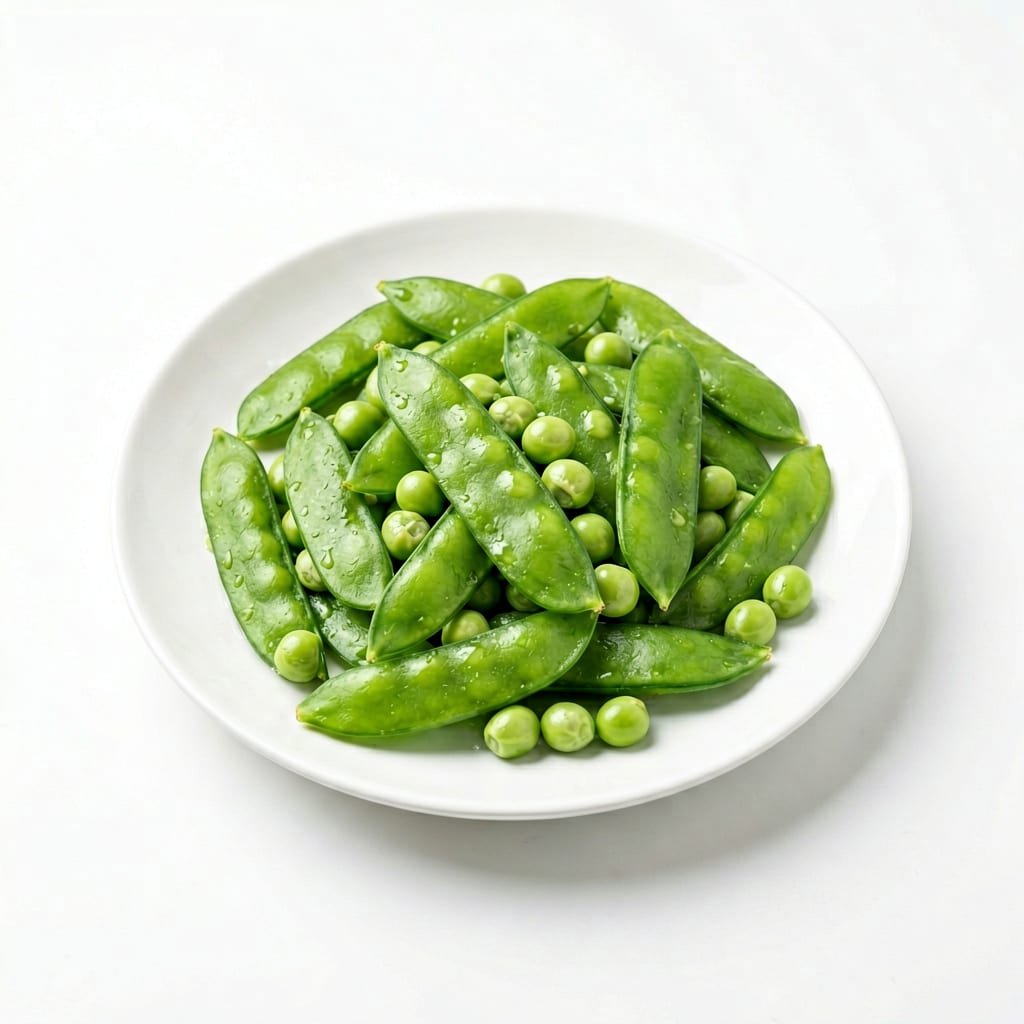
Sugar Snap Pea
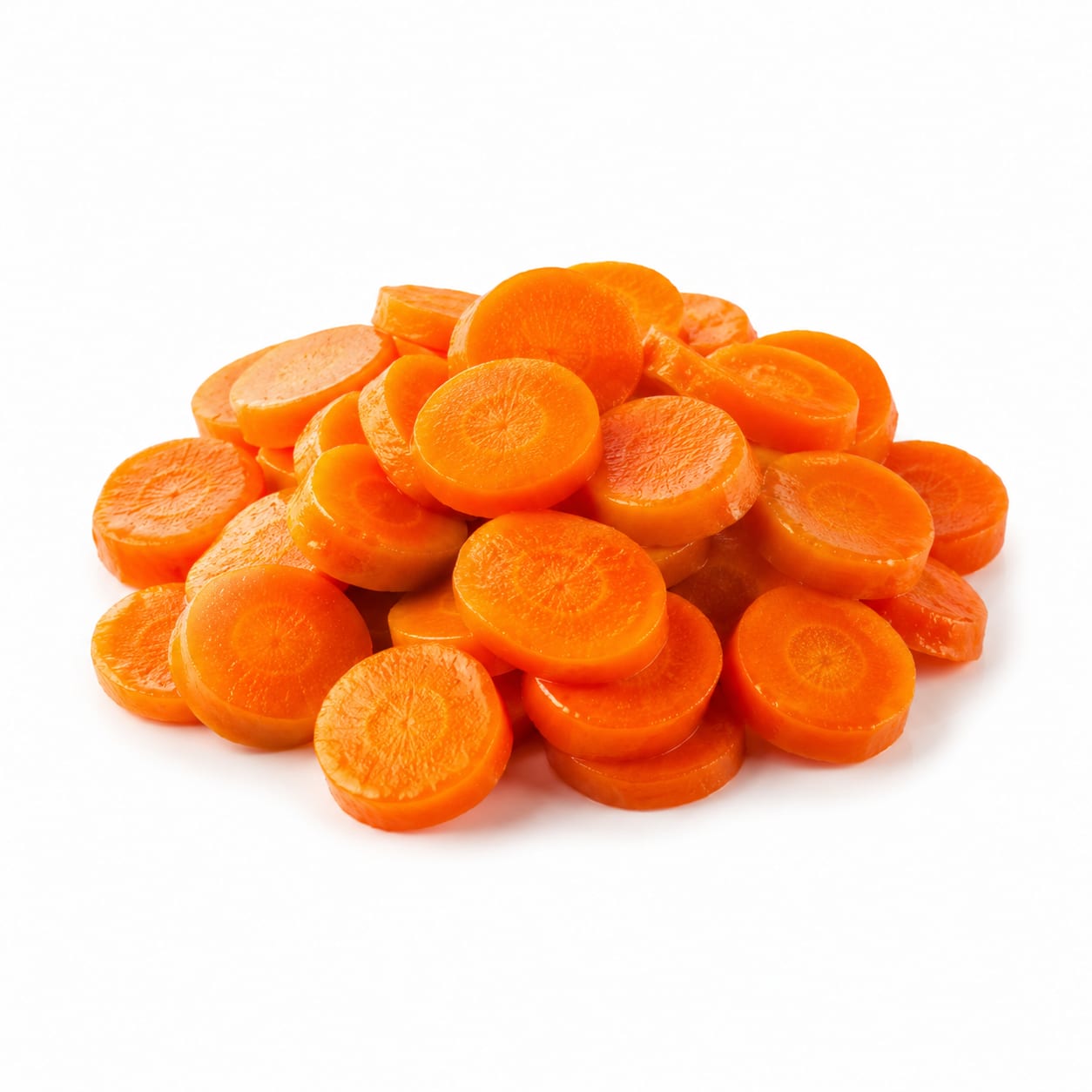
Carrots
Sugar snap peas win on protein, fiber, and vitamin C, while carrots dominate vitamin A and cost far less. Pick based on what your diet is missing.
Nearly identical overall, but sugar snap peas edge ahead on protein and fiber while carrots pull ahead on vitamin A, shelf stability, and cost. The two-point gap reflects sugar snap peas having a slightly richer micronutrient spread per calorie, but carrots being far more practical for daily life.
More protein and vitamin C from sugar snap peas versus dramatically more vitamin A and better shelf life from carrots.
At a glance
Executive summary
Overall
It depends
Healthier
It depends
More practical
Carrots
Daily use
Carrots
Key comparison lenses
snack comparison
Both are popular raw snack vegetables people choose between for everyday munching
nutrient density tradeoff
Sugar snap peas offer more protein and vitamin C while carrots dominate in vitamin A and beta-carotene
weight management
Both are low-calorie snacks but differ in satiety factors and sugar content
meal prep and practicality
Carrots last longer in the fridge and are cheaper, while sugar snap peas spoil faster and cost more
blood sugar concerns
Carrots have slightly more natural sugar, which matters for diabetics choosing between the two
Best choice for
Sugar Snap Pea
- People needing more plant protein in snacks
- Anyone low on vitamin C
- Those wanting a more filling between-meal option
- Dip lovers who want a sturdy crunch vessel
Carrots
- Budget-conscious shoppers
- Anyone wanting maximum vitamin A for eye health
- Meal preppers who buy groceries once a week
- Families needing a kid-friendly veggie that lasts
Least suitable for
Sugar Snap Pea
- Tight grocery budgets
- People who shop infrequently and need long-lasting produce
- Anyone who dislikes the stringy pod texture
Carrots
- Those already getting plenty of vitamin A from other sources
- People sensitive to higher natural sugar content
- Anyone bored by the familiar carrot taste
Deep comparison
Dimension by dimension
Each lens scores both foods and breaks down who each option suits.
- Dimension 1 · Priority 90Sugar Snap Pea
nutrient_density
Sugar Snap Pea · 82Carrots · 78Sugar snap peas deliver a broader nutrient profile per calorie, especially protein and vitamin C. Carrots concentrate heavily on vitamin A but offer less across other micronutrients.
Tradeoff
Carrots give you an enormous vitamin A dose that sugar snap peas cannot match, but sugar snap peas spread their nutritional value more evenly across protein, fiber, and vitamin C.
Why it matters
If your diet already includes orange vegetables or vitamin A sources, sugar snap peas fill more gaps. If you rarely eat orange produce, carrots are the smarter pick.
Real-world impact
A cup of sugar snap peas gives you about 2 grams of protein and 60% of your vitamin C. A cup of carrots gives you over 400% of your vitamin A but almost no protein or vitamin C.
Sugar Snap Pea
- Balancing a diet low in protein and vitamin C
- Getting more nutrition per bite when appetite is small
Better for
- Situations where you need massive vitamin A intake
Worse for
Carrots
- Correcting a vitamin A deficiency
- Supporting night vision and eye health specifically
Better for
- Diets already rich in beta-carotene from sweet potatoes or squash
Worse for
- Dimension 2 · Priority 85Sugar Snap Pea
satiety_and_fullness
Sugar Snap Pea · 79Carrots · 68Sugar snap peas keep you fuller longer thanks to more protein and fiber per serving. Carrots are satisfying for crunch but digest quickly.
Tradeoff
You eat fewer sugar snap peas before feeling full, while carrots are easier to overeat mindlessly because they are less filling per volume.
Why it matters
For afternoon snacking or curbing hunger between meals, sugar snap peas do a better job of actually stopping the snack urge.
Real-world impact
A handful of sugar snap peas with hummus feels like a mini-meal. The same amount of carrots leaves you reaching for something else within 30 minutes.
Sugar Snap Pea
- Between-meal hunger that keeps returning
- Replacing higher-calorie snacks with something genuinely filling
Better for
- Moments when you want to eat a large volume without feeling stuffed
Worse for
Carrots
- Light grazing where you want volume without fullness
Better for
- Using snacks to bridge a 4-hour gap between meals
Worse for
- Dimension 3 · Priority 82Sugar Snap Pea
blood_sugar_stability
Sugar Snap Pea · 80Carrots · 72Sugar snap peas have slightly less sugar and more fiber, giving a steadier blood sugar response. Carrots are still low-glycemic but contain more natural sugar.
Tradeoff
Both are safe for blood sugar, but sugar snap peas offer a marginally flatter glucose curve. Carrots can cause a slightly quicker rise, especially when juiced or cooked soft.
Why it matters
For diabetics or anyone monitoring glucose, the difference is small but consistent. Raw carrots are fine; carrot juice is not the same thing.
Real-world impact
Eating sugar snap peas as a solo snack is unlikely to spike blood sugar at all. Raw carrots are nearly as safe, but cooked carrots digest faster and hit glucose quicker.
Sugar Snap Pea
- Diabetics choosing between two raw snack options
- Anyone pairing a snack with a sweet dip who wants to offset sugar
Better for
- Situations where you want quick energy from natural sugars
Worse for
Carrots
- Post-workout when a slightly faster carb is actually helpful
Better for
- Pairing with high-sugar dips or dressings
Worse for
- Dimension 4 · Priority 88Carrots
vitamin_A_and_eye_health
Sugar Snap Pea · 25Carrots · 97Carrots are one of the richest vitamin A sources available. Sugar snap peas contain almost no vitamin A by comparison.
Tradeoff
This is not a close contest. If vitamin A matters to you, carrots win overwhelmingly. No amount of sugar snap peas can substitute for what carrots provide here.
Why it matters
Vitamin A supports vision, immune function, and skin health. Carrots make a meaningful dent in daily requirements; sugar snap peas barely register.
Real-world impact
One cup of carrots covers over 400% of your daily vitamin A needs. One cup of sugar snap peas covers roughly 5%.
Sugar Snap Pea
- This dimension strongly favors carrots; sugar snap peas are not a meaningful vitamin A source
Better for
- Replacing carrots for vitamin A intake
Worse for
Carrots
- Anyone concerned about night vision or eye health
- People who do not eat other orange or dark leafy vegetables regularly
- Supporting immune function during cold season
Better for
- Overconsumption is unlikely but extremely high vitamin A from supplements combined with carrots could be excessive
Worse for
- Dimension 5 · Priority 78Carrots
cost_and_accessibility
Sugar Snap Pea · 45Carrots · 90Carrots are one of the cheapest vegetables available year-round. Sugar snap peas cost two to four times more and are harder to find in some stores.
Tradeoff
You pay a premium for the richer nutrient profile of sugar snap peas. Carrots deliver solid nutrition at a fraction of the price.
Why it matters
For families or anyone on a budget, carrots are a no-brainer daily vegetable. Sugar snap peas feel more like a specialty or occasional purchase.
Real-world impact
A pound of carrots typically costs under one dollar. A pound of sugar snap peas often runs three to five dollars.
Sugar Snap Pea
- Special occasions or dinner parties where presentation matters
- When budget is not a constraint
Better for
- Students or anyone on a tight grocery budget
Worse for
Carrots
- Weekly meal prep on a budget
- Families feeding multiple people who need affordable vegetables
- Buying in bulk for juicing or cooking
Better for
- Catering or upscale dining where visual appeal matters
Worse for
- Dimension 6 · Priority 75Carrots
shelf_life_and_convenience
Sugar Snap Pea · 50Carrots · 88Carrots last weeks in the fridge. Sugar snap peas start degrading within days and need careful storage.
Tradeoff
Carrots are low-maintenance and forgiving. Sugar snap peas demand prompt use and attention to humidity in storage.
Why it matters
If you shop once a week, carrots will still be crisp on day seven. Sugar snap peas may be slimy by day five.
Real-world impact
You can buy a bag of carrots on Sunday and still crunch into them the following weekend. Sugar snap peas should be eaten within three to four days of purchase.
Sugar Snap Pea
- Shopping daily or every few days for fresh produce
- Using immediately in a stir-fry or salad
Better for
- Anyone who has thrown out wilted produce more than once
Worse for
Carrots
- Weekly grocery runs with no mid-week trips
- Keeping a reliable vegetable on hand for unexpected meals
- Emergency snack stash in the crisper drawer
Better for
- Situations where you want an impressive-looking vegetable platter quickly
Worse for
- Dimension 7 · Priority 72Carrots
versatility_in_cooking
Sugar Snap Pea · 65Carrots · 82Carrots work raw, roasted, steamed, juiced, grated, pureed, and baked into desserts. Sugar snap peas are best raw or briefly stir-fried and shrink dramatically when cooked.
Tradeoff
Carrots adapt to almost any cooking method and cuisine. Sugar snap peas have a narrower sweet spot and lose their signature crunch easily.
Why it matters
If you want one vegetable that can show up in breakfast, lunch, and dinner, carrots are more flexible. Sugar snap peas shine in fewer contexts.
Real-world impact
Carrots go into soups, stews, cakes, salads, and juices. Sugar snap peas really belong in stir-fries, salads, and raw snack trays.
Sugar Snap Pea
- Asian stir-fry dishes where the pod shape and snap are central
- Crudité platters where visual variety matters
Better for
- Slow-cooked dishes where the pods turn mushy
- Juicing where yield is low
Worse for
Carrots
- Soups, stews, and braised dishes
- Baking into muffins or cakes
- Juicing for a nutrient boost
- Grating into salads or slaws
Better for
- Dishes where you want an elegant pod shape
Worse for
Timeline
Health impact over time
Short-term
Hours to days
Sugar Snap Pea
- Quick satiety from protein and fiber combination
- Mild blood sugar stability from low sugar content
- Vitamin C boost supporting immediate immune function
Carrots
- Rapid vitamin A absorption especially when eaten with fat
- Slight energy lift from natural sugars
- Hydration benefit from high water content
Long-term
Months to years
Sugar Snap Pea
- Consistent fiber intake supporting gut health and regularity
- Vitamin C contributing to collagen production and skin health over time
- Plant protein helping maintain muscle when combined with other sources
Carrots
- Sustained vitamin A intake protecting vision and reducing age-related eye decline
- Beta-carotene supporting skin health and sun damage protection
- Potassium from carrots contributing to long-term blood pressure regulation
Risk profile
Safety & processing
Both sugar snap peas and carrots are whole vegetables typically sold fresh and unprocessed. Neither carries meaningful additive concerns in their raw form. The only processing risk comes from pre-cut baby carrots, which may be washed in chlorine solution, though this is considered safe.
Sugar Snap Pea
pesticide_residue
mediumSugar snap peas often appear on the EWG's Dirty Dozen list due to pesticide residues on the pods. Washing helps but does not remove all residues. Organic options are worth considering.
spoilage_and_mold
mediumThe moist environment inside sugar snap pea pods can harbor mold if stored too long. Inspect before eating and discard any slimy or discolored pods.
Carrots
pesticide_residue
lowCarrots typically rank low for pesticide residue, partly because the edible portion grows underground. Peeling further reduces any surface residue.
baby_carrot_chlorine_wash
lowPre-cut baby carrots are rinsed in a dilute chlorine solution to prevent bacterial growth. This is regulated and considered safe, but some consumers prefer whole carrots to avoid it.
Who wins for whom
Audience fit
Same foods, different winners depending on your goal.
children
CarrotsCarrots are sweeter, cheaper, more familiar to kids, and last longer in the fridge. Their natural sweetness makes them an easier sell to picky eaters.
daily consumption
CarrotsCarrots are cheaper, last longer, and are easier to find year-round, making them more sustainable as a daily habit for most people.
diabetes
Sugar Snap PeaLower sugar content and higher fiber give sugar snap peas a slight edge for blood sugar stability. Both are safe choices in moderation.
elderly
CarrotsCarrots are easier to chew when steamed, provide critical vitamin A for aging eyes, and are more affordable on fixed incomes.
muscle gain
Sugar Snap PeaNeither vegetable is a protein powerhouse, but sugar snap peas provide roughly double the protein per serving, making them marginally more useful alongside higher-protein foods.
weight loss
Sugar Snap PeaMore protein and fiber per calorie make sugar snap peas more filling, reducing the urge to overeat. Carrots are also excellent for weight loss but slightly less satiating.
Your move
Decision guide
Choose Sugar Snap Pea
- You want a more filling snack that actually curbs hunger
- Your diet is low in vitamin C or plant protein
- You are building a crudité platter and want visual variety
- You are making a stir-fry and want satisfying crunch
- You are okay spending more for richer nutrition per bite
Choose Carrots
- You are on a budget and need affordable daily vegetables
- You want maximum vitamin A for eye health
- You shop once a week and need produce that lasts
- You have kids who prefer sweeter vegetables
- You want one versatile vegetable for cooking, juicing, and snacking
Either works if
- You just need a low-calorie crunchy snack
- You are building a salad and want texture
- You want to increase your daily vegetable intake generally
Avoid both if
- You need a significant protein source for a meal
- You are looking for a calorie-dense food for weight gain
- You have a severe allergy to legumes (relevant for sugar snap peas specifically)
Final recommendation
Keep both in rotation. Carrots are your reliable daily workhorse for vitamin A, cost, and convenience. Sugar snap peas are your premium upgrade when you want more filling protein, a vitamin C boost, or an impressive snack presentation. If budget forces a choice, carrots give you more consistent value. If nutrition per bite is the priority, sugar snap peas edge ahead.
Practical
Consumer tips
- 1
Buy sugar snap peas organic when possible due to higher pesticide residues on the pods
- 2
Choose whole carrots over baby carrots to avoid the chlorine wash and save money
- 3
Store sugar snap peas in a perforated bag in the crisper and eat within three to four days
- 4
Keep carrots in a sealed bag in the crisper and they will stay crisp for two to three weeks
- 5
Pair carrots with a fat source like hummus or olive oil to dramatically improve vitamin A absorption
- 6
Add sugar snap peas to stir-fries at the very last minute to preserve their crunch and vitamin C
- 7
Freeze carrots if you cannot finish them before they soften; they work well in soups and stews later
- 8
Do not freeze sugar snap peas raw; blanch them first for the best texture after thawing