
Nutrition comparison
Sugar Snap Peas vs Broccoli: Nutrition, Taste, and Health Comparison
Compare sugar snap peas and broccoli on nutrients, convenience, disease-fighting power, and digestibility. Find out which vegetable fits your health goals and lifestyle better.
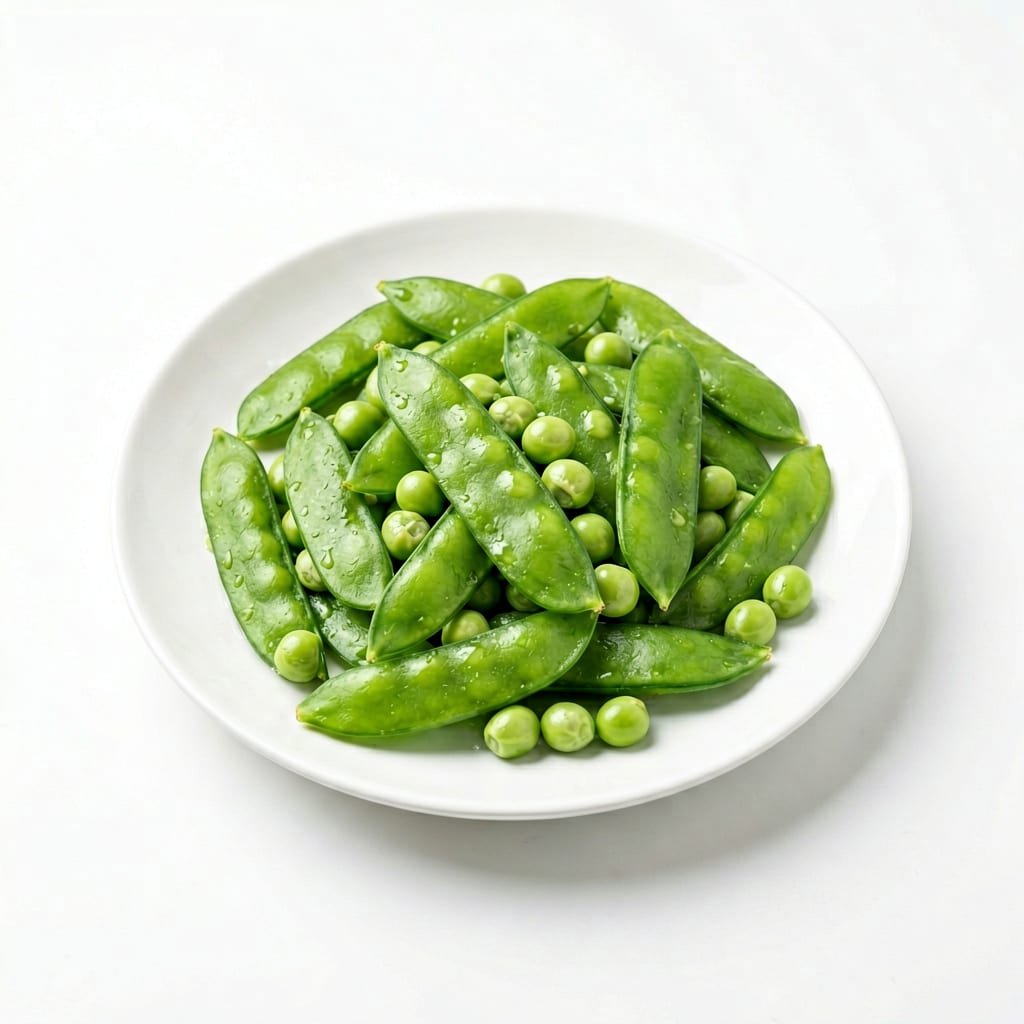
Sugar Snap Pea
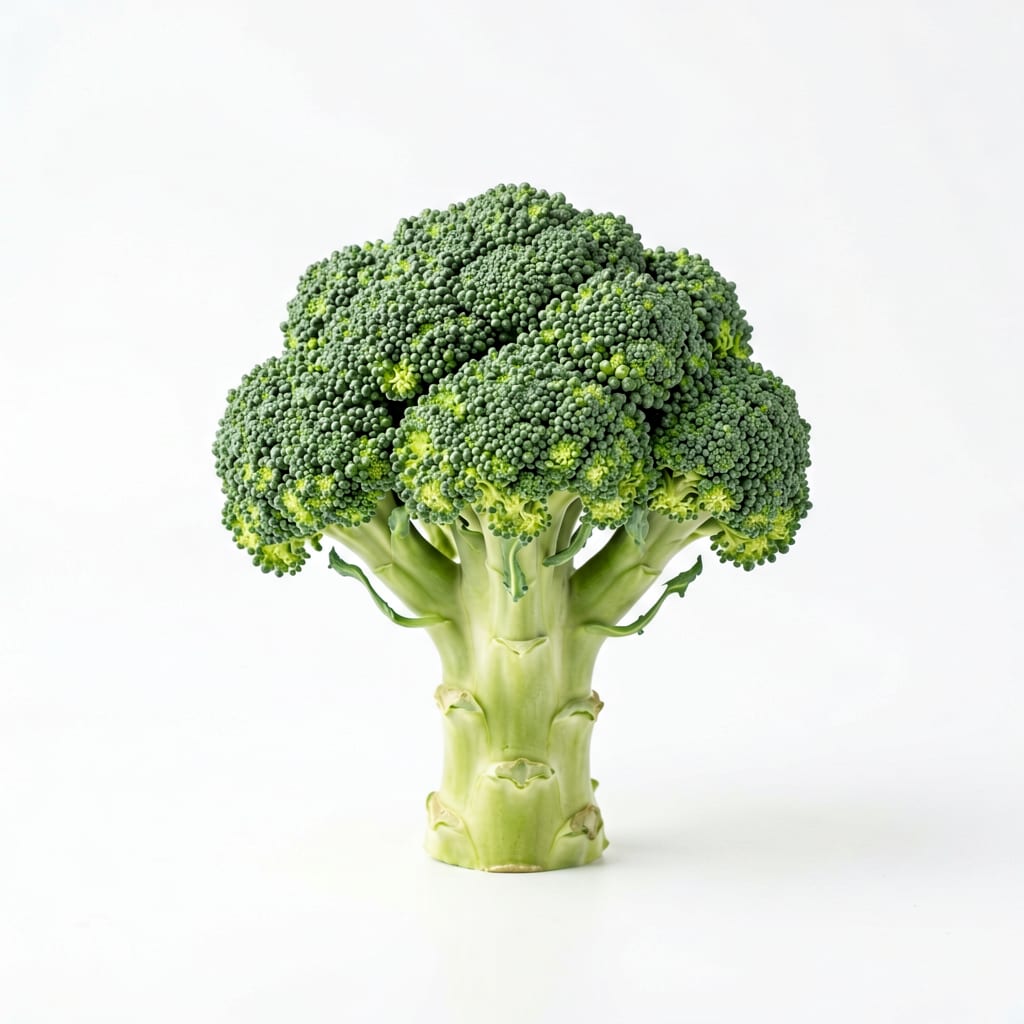
Broccoli
Broccoli wins on raw nutritional power and disease-fighting compounds, but sugar snap peas win on enjoyment, snackability, and ease of eating raw.
Broccoli scores higher due to superior nutrient density, fiber, and unique disease-fighting compounds. Sugar snap peas remain a strong choice but trade some nutritional depth for sweetness and convenience.
Maximum nutrition versus everyday convenience and taste appeal.
At a glance
Executive summary
Overall
It depends
Healthier
Broccoli
More practical
Sugar Snap Pea
Daily use
It depends
Key comparison lenses
nutrient density comparison
Broccoli is famously nutrient-dense while sugar snap peas offer lighter nutrition with more sweetness
snackability and convenience
Sugar snap peas are a natural finger food; broccoli requires more prep or cooking for most people
disease prevention potential
Broccoli contains sulforaphane and other glucosinolates that sugar snap peas lack
blood sugar and weight management
Both are low-calorie vegetables but differ in sugar content and fiber density
digestive tolerance
Broccoli causes more gas and bloating in sensitive individuals; sugar snap peas are gentler
Best choice for
Sugar Snap Pea
- Raw snacking and lunchboxes
- Picky eaters and children who resist bitter vegetables
- Quick no-cook meal additions
- People with sensitive digestion who find broccoli too gassy
Broccoli
- Maximum vitamin and mineral intake per calorie
- Cancer-preventive and anti-inflammatory diets
- Detoxification and liver support protocols
- Filling side dishes that reduce overeating
Least suitable for
Sugar Snap Pea
- Those seeking the highest antioxidant and glucosinolate intake
- Very low-sugar diets requiring even minimal sweetness avoidance
- People wanting maximum satiety from vegetables
Broccoli
- People with IBS or severe cruciferous sensitivity
- Those who strongly dislike bitter flavors and will simply avoid eating it
- Raw snacking situations where prep tools are unavailable
Deep comparison
Dimension by dimension
Each lens scores both foods and breaks down who each option suits.
- Dimension 1 · Priority 95Broccoli
Nutrient Density
Sugar Snap Pea · 58Broccoli · 93Broccoli delivers significantly more vitamins C, K, folate, and unique sulfur compounds per calorie than sugar snap peas.
Tradeoff
Sugar snap peas are less nutritionally concentrated but their pleasant taste means people actually eat them willingly and consistently.
Why it matters
Consistently eating a vegetable you enjoy often beats occasionally forcing down one you dislike.
Real-world impact
A cup of broccoli gives you over 100% of daily vitamin C and K needs; sugar snap peas cover roughly 30-40% of those same targets.
Sugar Snap Pea
- People who will not eat broccoli regularly due to taste
- Situations where any vegetable is better than none
Better for
- Nutrient-deficient individuals needing concentrated sources
- Those relying on few vegetables for their vitamin intake
Worse for
Broccoli
- Those prioritizing maximum micronutrient intake per bite
- Anti-aging and longevity-focused diets
Better for
- People who find it unpalatable and skip it entirely
- Those with thyroid concerns from excess cruciferous intake raw
Worse for
- Dimension 2 · Priority 88Sugar Snap Pea
Snackability and Convenience
Sugar Snap Pea · 91Broccoli · 52Sugar snap peas are a natural ready-to-eat snack with a satisfying crunch and sweet flavor. Raw broccoli is edible but less appealing to most people.
Tradeoff
The vegetable that gets eaten daily beats the one that sits in the crisper drawer.
Why it matters
Convenience and taste drive real-world consumption patterns more than nutrition labels.
Real-world impact
You can hand a child a bowl of sugar snap peas and they will snack happily. Raw broccoli florets often go untouched without dip.
Sugar Snap Pea
- Office snacking and commuting
- Kids' lunchboxes
- No-prep appetizer trays
Better for
- Formal dinner sides where a cooked vegetable is expected
- Recipes requiring a sturdy roasting vegetable
Worse for
Broccoli
- Cooked side dishes where texture transforms
- Meals where you already have prep time
Better for
- On-the-go snacking
- Quick no-cook situations
Worse for
- Dimension 3 · Priority 90Broccoli
Disease-Fighting Compounds
Sugar Snap Pea · 40Broccoli · 95Broccoli contains sulforaphane, glucosinolates, and other potent anti-cancer compounds that sugar snap peas simply do not offer in meaningful amounts.
Tradeoff
This is the single biggest nutritional gap between the two vegetables and the strongest reason to favor broccoli.
Why it matters
Sulforaphane is one of the most studied natural compounds for cancer prevention and cellular detoxification.
Real-world impact
Regular broccoli consumption is linked to reduced risks of several cancers. Sugar snap peas, while healthy, do not carry this specific protective evidence.
Sugar Snap Pea
- General antioxidant support from vitamin C and carotenoids
Better for
- Anyone specifically seeking glucosinolate benefits
- Therapeutic vegetable protocols
Worse for
Broccoli
- Cancer risk reduction diets
- Detoxification and liver health protocols
- Chronic inflammation management
Better for
- Those who cannot tolerate cruciferous vegetables medicinally
Worse for
- Dimension 4 · Priority 82Broccoli
Fiber and Satiety
Sugar Snap Pea · 62Broccoli · 85Broccoli provides more fiber per serving and creates a stronger feeling of fullness. Sugar snap peas offer moderate fiber with less bulk.
Tradeoff
Broccoli fills you up more but can feel heavy; sugar snap peas are lighter and easier to overeat.
Why it matters
Higher fiber means steadier blood sugar and better appetite control between meals.
Real-world impact
A broccoli side at dinner tends to reduce later snacking. Sugar snap peas are less likely to move that needle.
Sugar Snap Pea
- Light snacking without feeling stuffed
- Pre-workout when you want something mild
Better for
- Those relying on vegetables for appetite control
- High-fiber diet requirements
Worse for
Broccoli
- Weight management through greater fullness
- Blood sugar stabilization at meals
Better for
- Before exercise when you want light digestion
- Small appetites where bulk feels uncomfortable
Worse for
- Dimension 5 · Priority 75Sugar Snap Pea
Digestive Tolerance
Sugar Snap Pea · 82Broccoli · 55Sugar snap peas are gentler on the digestive system. Broccoli is a common trigger for gas, bloating, and discomfort in sensitive individuals.
Tradeoff
The more powerful vegetable is also the more likely to cause digestive distress, especially raw.
Why it matters
A vegetable that causes discomfort gets avoided, negating all its nutritional advantages.
Real-world impact
Many people report bloating after broccoli, particularly raw. Sugar snap peas rarely cause this complaint.
Sugar Snap Pea
- IBS-prone individuals
- Those new to increasing vegetable intake
- Evening meals where bloating disrupts sleep
Better for
- Situations where maximum fiber intake is the goal
Worse for
Broccoli
- People with robust digestion who tolerate cruciferous well
Better for
- Sensitive digestive systems
- Social situations where gas is problematic
Worse for
- Dimension 6 · Priority 70Broccoli
Culinary Versatility
Sugar Snap Pea · 65Broccoli · 85Broccoli works in stir-fries, soups, roasting, steaming, and casseroles. Sugar snap peas shine in stir-fries and salads but have a narrower range.
Tradeoff
Broccoli transforms beautifully with cooking; sugar snap peas can quickly become overcooked and limp.
Why it matters
A vegetable you can prepare many ways stays interesting longer and reduces meal fatigue.
Real-world impact
Broccoli holds up to roasting and gets crispy. Sugar snap peas turn mushy if cooked too long and lose their signature crunch.
Sugar Snap Pea
- Quick stir-fries where crunch is desired
- Raw salads and crudité plates
Better for
- Slow-cooked dishes where texture breaks down
- Blended recipes
Worse for
Broccoli
- Roasted and grilled preparations
- Creamy soups and blended dishes
- Casseroles and baked meals
Better for
- Dishes requiring a sweet crunch element
- No-cook cold salads
Worse for
Timeline
Health impact over time
Short-term
Hours to days
Sugar Snap Pea
- Quick hydrating snack with mild natural sugars for a small energy lift
- Gentle on digestion with minimal bloating risk
- Satisfying crunch helps with cravings between meals
Broccoli
- High fiber creates noticeable fullness, especially when cooked
- Can trigger gas and bloating within hours for sensitive people
- Vitamin C content supports immediate immune function
Long-term
Months to years
Sugar Snap Pea
- Consistent vegetable intake without resistance builds sustainable habits
- Moderate antioxidant support from regular vitamin C and carotenoid intake
- Lower disease-fighting impact compared to cruciferous alternatives
Broccoli
- Sulforaphane intake linked to reduced cancer risk over years of regular consumption
- High vitamin K supports long-term bone density
- Anti-inflammatory compounds may reduce chronic disease progression
- Digestive adaptation usually improves with consistent intake
Risk profile
Safety & processing
Both vegetables are whole foods in their natural state. Neither raises processing concerns when purchased fresh or frozen without sauces or seasonings.
Sugar Snap Pea
Pesticide residue on pods
mediumSugar snap peas are often eaten whole with the pod, which can retain pesticide residues. Washing helps but does not remove all traces. Organic options reduce this concern significantly.
Broccoli
Pesticide residue on florets
mediumBroccoli florets have complex surfaces that can trap pesticides. The compact head structure makes thorough washing difficult. Soaking or choosing organic reduces exposure.
Goitrogenic compounds when raw
lowRaw broccoli contains goitrogens that can interfere with thyroid function in susceptible individuals. Cooking largely neutralizes this concern. Only relevant for those with existing thyroid conditions eating large raw quantities daily.
Who wins for whom
Audience fit
Same foods, different winners depending on your goal.
children
Sugar Snap PeaThe sweet crunch of sugar snap peas appeals to kids far more than broccoli's bitterness. A vegetable children willingly eat always wins.
daily consumption
It dependsBroccoli is nutritionally superior but sugar snap peas are more consistently eaten. The best daily vegetable is the one you will actually eat every day.
diabetes
BroccoliBroccoli has less sugar and more fiber, leading to a lower glycemic impact. Sulforaphane may also improve insulin sensitivity over time.
elderly
BroccoliBroccoli's superior vitamin K supports bone health and its anti-inflammatory compounds help with age-related chronic disease prevention.
muscle gain
BroccoliNeither is a protein source, but broccoli provides more vitamin C for collagen synthesis and recovery support alongside better mineral content.
weight loss
BroccoliBroccoli's higher fiber and lower sugar content create stronger satiety with fewer calories, making it easier to maintain a deficit without hunger.
Your move
Decision guide
Choose Sugar Snap Pea
- You want a raw snack you actually look forward to eating
- You or your children resist bitter vegetables
- You have a sensitive stomach and broccoli causes discomfort
- You need a portable, no-prep vegetable for busy days
Choose Broccoli
- You are focused on maximum nutrient density per calorie
- Cancer prevention and anti-inflammatory eating are priorities
- You enjoy cooked vegetables and have time to prepare them
- You want stronger satiety from your vegetable portions
Either works if
- You simply need more vegetables in your diet regardless of type
- You are building a varied vegetable rotation for broad nutrient coverage
- Both are affordable and available at your store
Avoid both if
- You have a severe cruciferous allergy or intolerance affecting both
- You are on a very strict low-fiber diet for a medical procedure
Final recommendation
Eat both. Use sugar snap peas for raw snacking and broccoli for cooked meals. This combination gives you the convenience and enjoyment of snap peas alongside the deep nutritional power of broccoli. If you must choose one, pick based on what you will actually eat consistently — a vegetable consumed daily always outperforms one avoided.
Practical
Consumer tips
- 1
Buy organic for both vegetables if possible, since you eat the entire pod of sugar snap peas and broccoli florets trap residues in tight crevices
- 2
Steam broccoli briefly rather than boiling to preserve sulforaphane content — overcooking destroys this valuable compound
- 3
Pair sugar snap peas with hummus for a satisfying snack that adds protein and keeps you full longer
- 4
Try roasting broccoli with olive oil and garlic to transform the bitter flavor into something deeply savory and caramelized
- 5
Add sugar snap peas to stir-fries at the very last minute to preserve their signature crunch
- 6
If broccoli causes bloating, start with small portions and increase gradually — your gut adapts over time
- 7
Frozen broccoli retains most nutrients and is often more convenient than fresh for cooking