
Nutrition comparison
Sugar Snap Peas vs Bell Peppers: Nutrition, Satiety, and Which to Choose
Compare sugar snap peas and bell peppers on vitamin C, protein, fiber, calories, and cooking versatility. Find out which is better for weight loss, snacking, and daily nutrition.
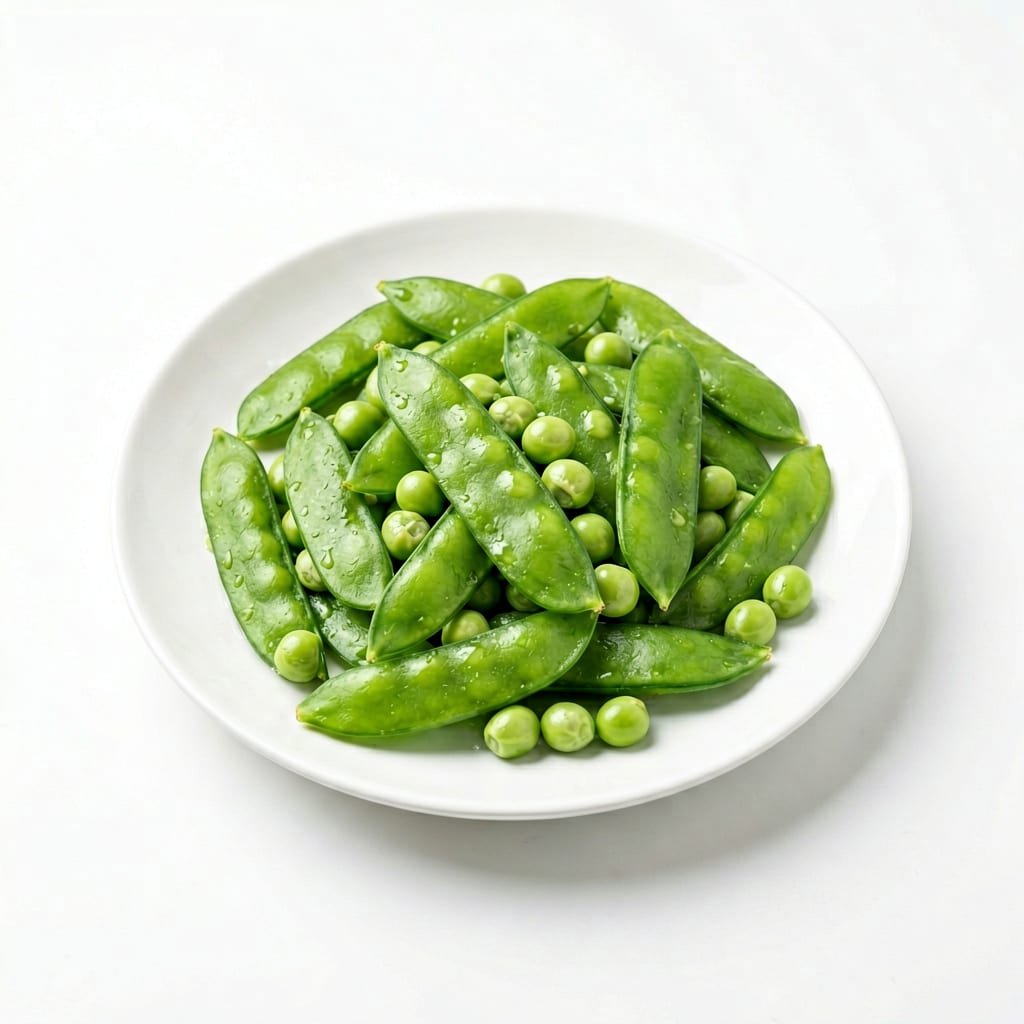
Sugar Snap Pea
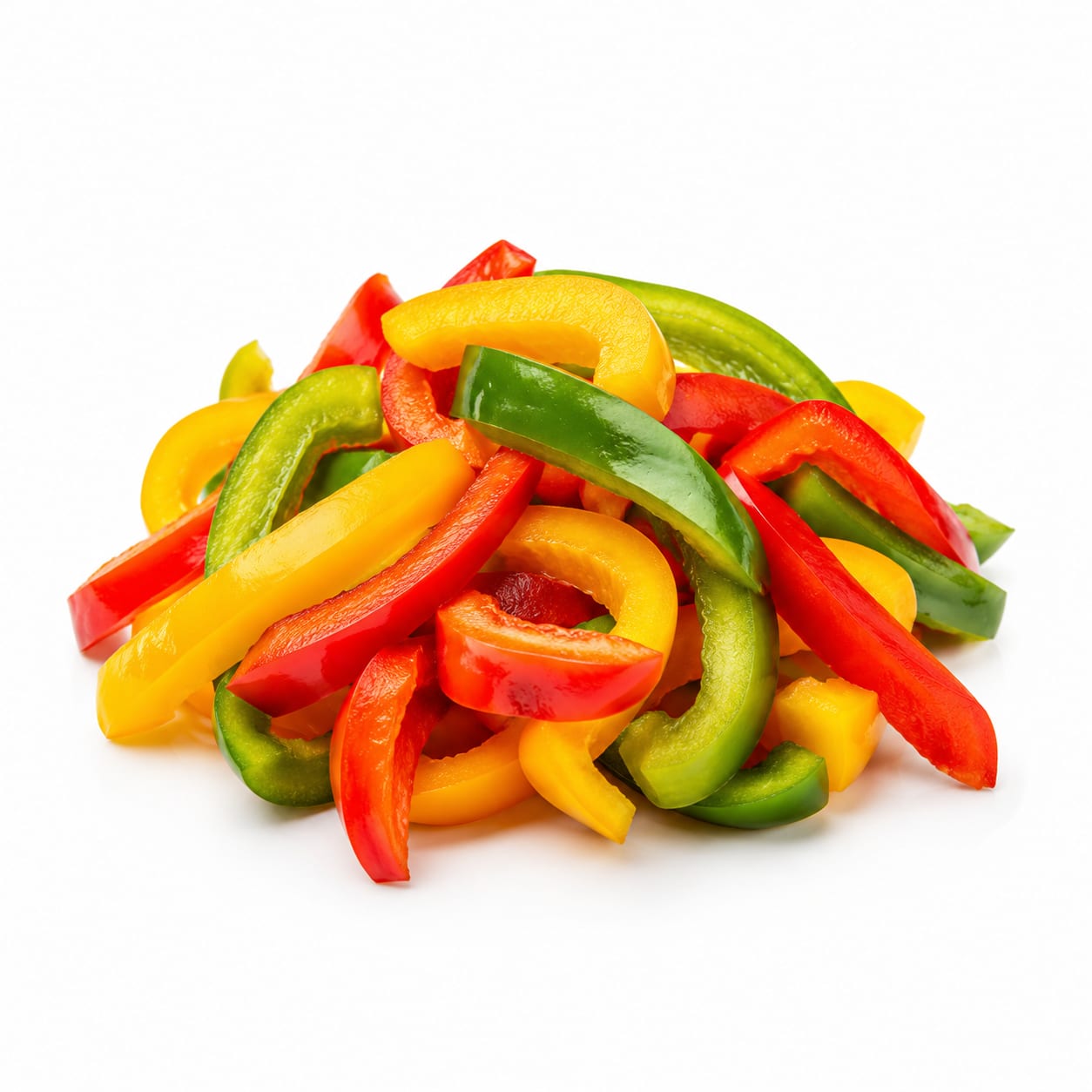
Bell Peppers
Sugar snap peas win on satiety and protein, bell peppers dominate on vitamin C and calorie efficiency. Your pick depends on whether you value feeling full or getting more nutrients per calorie.
Bell peppers edge ahead slightly due to exceptional vitamin C content, lower calories, and vastly greater cooking versatility. Sugar snap peas compete strongly on satiety and protein but have a narrower use case. The gap is small because both are genuinely healthy whole foods.
More filling and protein-rich versus more vitamin C and fewer calories per serving
At a glance
Executive summary
Overall
It depends
Healthier
It depends
More practical
Bell Peppers
Daily use
Bell Peppers
Key comparison lenses
snack convenience and raw eating experience
Both foods are commonly eaten raw as snacks or crudités, making handheld convenience and taste satisfaction key decision factors
vitamin C and antioxidant comparison
Bell peppers are renowned for vitamin C content while sugar snap peas offer a different antioxidant profile, making this a natural comparison point
satiety and fiber for weight management
Both are low-calorie vegetables often used in weight loss, but their fiber-protein combinations differ significantly
cooking versatility and meal integration
Bell peppers appear in far more recipes globally, while sugar snap peas have a narrower but distinct culinary niche
blood sugar impact and diabetes suitability
Carb content differs enough that diabetic users may need to choose carefully between these two
Best choice for
Sugar Snap Pea
- People wanting a satisfying crunchy snack that curbs hunger
- Those needing more plant protein in their diet
- Anyone seeking steady energy without blood sugar spikes
- Stir-fry enthusiasts wanting texture and sweetness
Bell Peppers
- People maximizing vitamin C intake without supplements
- Those counting calories closely for weight loss
- Home cooks needing versatile ingredients for many cuisines
- Anyone meal-prepping large batches of roasted vegetables
Least suitable for
Sugar Snap Pea
- Very low-carb dieters tracking every gram
- People with severe pea or legume allergies
- Those wanting a neutral-flavor base for dips
Bell Peppers
- People with nightshade sensitivities or inflammation concerns
- Those seeking high-protein vegetable snacks
- Anyone wanting a single satisfying snack rather than a recipe ingredient
Deep comparison
Dimension by dimension
Each lens scores both foods and breaks down who each option suits.
- Dimension 1 · Priority 90Bell Peppers
Vitamin C and Antioxidant Power
Sugar Snap Pea · 62Bell Peppers · 95Bell peppers deliver roughly double the vitamin C of sugar snap peas, with red bell peppers offering even more. They also provide unique carotenoids like capsanthin.
Tradeoff
You sacrifice some vitamin C with sugar snap peas but gain different antioxidants like lutein and zeaxanthin, which specifically support eye health.
Why it matters
Vitamin C is water-soluble and must be replenished daily. Bell peppers are one of the most efficient food sources available.
Real-world impact
One large red bell pepper exceeds your entire daily vitamin C needs. You would need roughly two cups of sugar snap peas to match it.
Sugar Snap Pea
- Eye health support from lutein and zeaxanthin
- Broader spectrum of B vitamins
Better for
- Lower total antioxidant capacity per serving
Worse for
Bell Peppers
- Immune system support during cold season
- Collagen production for skin health
- Iron absorption when eaten with iron-rich foods
Better for
- Missing the specific eye-health carotenoids that sugar snap peas provide
Worse for
- Dimension 2 · Priority 88Sugar Snap Pea
Satiety and Fullness
Sugar Snap Pea · 82Bell Peppers · 58Sugar snap peas are noticeably more filling per serving thanks to higher protein and fiber working together. Bell peppers feel lighter and less satisfying on their own.
Tradeoff
The extra fullness from sugar snap peas comes with slightly more calories and carbs, which matters if you are strictly tracking.
Why it matters
A snack that actually satisfies you prevents grazing later. Sugar snap peas feel like a mini-meal; bell peppers feel like a palate cleanser.
Real-world impact
A cup of sugar snap peas as an afternoon snack will likely hold you until dinner. A cup of bell pepper strips probably will not.
Sugar Snap Pea
- Afternoon snacking without crashing
- Post-workout hunger management
- Curbing late-night munchies
Better for
- Slightly higher calorie load if you eat large quantities
Worse for
Bell Peppers
- Light eating before a heavy meal
- When you want volume without feeling stuffed
Better for
- May leave you hungry again within an hour
- Easy to overeat higher-calorie dips because the pepper alone feels insufficient
Worse for
- Dimension 3 · Priority 82Bell Peppers
Calorie Efficiency
Sugar Snap Pea · 68Bell Peppers · 90Bell peppers deliver more nutrients per calorie, especially vitamin C and vitamin A. Sugar snap peas cost more calories for similar micronutrient returns.
Tradeoff
The calorie difference is modest in absolute terms but meaningful over weeks of consistent eating for weight loss.
Why it matters
When cutting calories, every exchange matters. Bell peppers let you eat more volume for fewer calories.
Real-world impact
100 grams of bell peppers costs about 26 calories. The same amount of sugar snap peas costs about 42 calories. Over a month of daily snacking, that difference adds up.
Sugar Snap Pea
- The extra calories come with genuine protein and fiber benefits
Better for
- Less room in tight calorie budgets
Worse for
Bell Peppers
- Weight loss diets where every calorie matters
- Volume eating strategies for satiety
- Combining with calorie-dense dips without going over budget
Better for
- Very low calorie density means you may need to eat more total food to feel satisfied
Worse for
- Dimension 4 · Priority 85Bell Peppers
Cooking Versatility
Sugar Snap Pea · 55Bell Peppers · 92Bell peppers integrate into dozens of cuisines and cooking methods. Sugar snap peas shine in stir-fries and salads but have a much narrower range.
Tradeoff
Sugar snap peas offer a unique sweet crunch that bell peppers cannot replicate, but bell peppers can go places sugar snap peas cannot.
Why it matters
A versatile ingredient reduces food waste and meal-planning fatigue. Bell peppers work roasted, stuffed, sautéed, grilled, raw, or blended into sauces.
Real-world impact
You can meal-prep bell peppers five different ways in a single week. Sugar snap peas start repeating after two or three preparations.
Sugar Snap Pea
- Asian stir-fries where their sweetness and snap are irreplaceable
- Raw crudités platters where visual appeal matters
- Quick blanched side dishes
Better for
- Overcook easily and become limp and unappealing
- Limited to mostly Asian-inspired or salad applications
Worse for
Bell Peppers
- Sheet pan roasting with proteins
- Stuffing with grains and meats
- Blending into sauces and soups for sweetness
- Fajitas, paellas, ratatouille, and dozens of classic dishes
Better for
- Cannot replicate the satisfying snap and sweetness of peas
Worse for
- Dimension 5 · Priority 78Bell Peppers
Blood Sugar Impact
Sugar Snap Pea · 65Bell Peppers · 85Both foods have low glycemic loads, but bell peppers have fewer carbs and a gentler impact on blood sugar. Sugar snap peas are still reasonable but require more awareness.
Tradeoff
Sugar snap peas have enough carbs that portion size matters for diabetics, while bell peppers are nearly free in carb-counting terms.
Why it matters
For insulin-resistant individuals, even healthy vegetable carbs can accumulate if you eat large portions mindlessly.
Real-world impact
A diabetic could eat bell peppers almost freely throughout the day. Sugar snap peas require some awareness of total carb intake, especially in larger servings.
Sugar Snap Pea
- The fiber helps slow carb absorption compared to many other carb sources
Better for
- Carb content high enough to require tracking in diabetic meal plans
Worse for
Bell Peppers
- Diabetics counting carbs precisely
- Keto-adjacent eaters staying under strict carb limits
- Anyone monitoring post-meal glucose closely
Better for
- Minimal concern either way for most people
Worse for
- Dimension 6 · Priority 72Sugar Snap Pea
Protein Content
Sugar Snap Pea · 78Bell Peppers · 35Sugar snap peas contain roughly three times the protein of bell peppers per serving. Neither is a protein powerhouse, but the difference matters in plant-forward diets.
Tradeoff
The protein in sugar snap peas is still modest, so you should not rely on either vegetable as a primary protein source.
Why it matters
In vegetarian and vegan diets, every gram of protein counts. Sugar snap peas contribute meaningfully while bell peppers contribute almost nothing.
Real-world impact
A cup of sugar snap peas adds about 2.5 grams of protein to your meal. A cup of bell peppers adds less than 1 gram. Over a day of plant-based eating, that gap compounds.
Sugar Snap Pea
- Plant-based diets where protein accumulation matters
- Snacks that provide macronutrient balance rather than empty crunch
Better for
- Still not enough protein to serve as a main source
Worse for
Bell Peppers
- Situations where protein comes from other components and you just need a low-calorie side
Better for
- Essentially a protein-free food, which limits its standalone snack value
Worse for
Timeline
Health impact over time
Short-term
Hours to days
Sugar Snap Pea
- Provides satisfying crunch that reduces urge to snack further
- Mild blood sugar rise that stabilizes relatively quickly due to fiber
- Natural sweetness can satisfy sugar cravings without actual sugar
Bell Peppers
- Very light on the stomach, easy to eat in large volumes
- High vitamin C boosts iron absorption if consumed with iron-rich foods in the same meal
- Hydrating due to high water content, which can help with afternoon fatigue
Long-term
Months to years
Sugar Snap Pea
- Consistent fiber intake supports gut microbiome diversity
- Lutein and zeaxanthin accumulation may protect against age-related macular degeneration
- Moderate carb load requires awareness in insulin-resistant individuals over years
Bell Peppers
- Sustained high vitamin C intake supports immune resilience and skin integrity over decades
- Carotenoid accumulation from red and yellow varieties supports long-term eye and heart health
- Extremely low calorie density makes it easier to maintain healthy weight long-term
Risk profile
Safety & processing
Both foods are whole vegetables typically sold fresh or frozen with no additives. Sugar snap peas sometimes appear in pre-packaged snack trays with dressings, which adds processing. Bell peppers are almost always sold whole and unprocessed. Neither raises meaningful additive concerns in their natural form.
Sugar Snap Pea
Pesticide residue on conventional crops
mediumSugar snap peas are not on the Dirty Dozen list but do receive typical pesticide applications. Washing helps but does not remove all residue. Organic options are widely available.
Foodborne illness from raw consumption
lowEaten raw frequently with minimal risk. Occasional recalls occur for packaged pre-washed versions. Whole unwashed peas are very low risk.
Bell Peppers
Pesticide residue on conventional crops
mediumBell peppers appear on the Environmental Working Group's Dirty Dozen list most years, meaning conventional versions tend to carry more pesticide residue. Washing helps but organic is preferable if budget allows.
Nightshade sensitivity
lowA small percentage of people experience joint pain or inflammation from nightshade vegetables. Bell peppers are nightshades. This is not a concern for the vast majority but worth knowing if you have unexplained inflammatory symptoms.
Who wins for whom
Audience fit
Same foods, different winners depending on your goal.
children
Sugar Snap PeaThe sweet crunch of sugar snap peas is more appealing to most kids than the sometimes bitter or grassy flavor of bell peppers. They are also more fun to eat whole as finger food.
daily consumption
Bell PeppersGreater cooking versatility prevents meal fatigue, and the lower calorie cost makes daily inclusion effortless. Sugar snap peas can feel repetitive if eaten daily.
diabetes
Bell PeppersFewer carbs and a lower glycemic load make bell peppers easier to fit into carb-counted meal plans. Sugar snap peas are still acceptable in moderation but require more tracking.
elderly
Bell PeppersSofter texture when cooked, higher vitamin C for immune support, and lower fiber load for potentially sensitive digestive systems. Raw sugar snap peas can be challenging for weaker teeth and jaws.
muscle gain
Sugar Snap PeaNeither is a muscle-building food, but sugar snap peas contribute slightly more protein per serving. In practice, both are just side dishes for actual protein sources.
weight loss
Bell PeppersLower calorie density means you can eat more volume for fewer calories. However, sugar snap peas may prevent overeating better due to higher satiety, so the best choice depends on whether you struggle more with hunger or with total calorie intake.
Your move
Decision guide
Choose Sugar Snap Pea
- You want a satisfying standalone snack that actually fills you up
- You are eating plant-based and accumulating protein wherever possible
- You make Asian-inspired dishes regularly and want authentic crunch
- You are feeding kids who reject most vegetables but enjoy sweet crunch
- You want eye-health carotenoids like lutein and zeaxanthin
Choose Bell Peppers
- You want maximum vitamin C without supplements
- You meal-prep and need one vegetable that works in many different recipes
- You are counting calories or carbs closely for weight loss or diabetes
- You roast, stuff, or sauté vegetables as main meal components
- You want to absorb more iron from other foods in the same meal
Either works if
- You just need more vegetables in your diet and enjoy both
- You are building a crudités platter and want color and texture variety
- You are looking for low-calorie snacks to replace processed options
Avoid both if
- You have a specific allergy to either food family
- You need calorie-dense foods to gain weight
- You are seeking significant protein intake from a single source
Final recommendation
Keep both in your rotation. Bell peppers are the better daily workhorse due to versatility and vitamin C, while sugar snap peas are the better standalone snack when you need something that actually satisfies. If budget forces a choice, bell peppers give you more meals per dollar. If snacking is your weakness, sugar snap peas will serve you better between meals.
Practical
Consumer tips
- 1
Buy organic bell peppers when possible since they consistently rank high for pesticide residue. Sugar snap peas are less concerning conventionally.
- 2
Store sugar snap peas in a breathable bag in the crisper and eat within 3-4 days. They go limp fast. Bell peppers last over a week stored the same way.
- 3
Red bell peppers have nearly double the vitamin C of green ones and are sweeter. The color difference is not just cosmetic.
- 4
Blanch sugar snap peas for 60 seconds before adding to salads. It brightens the color and softens the raw edge without losing crunch.
- 5
Freeze bell peppers by chopping and spreading on a sheet pan first, then bagging. They will be soft when thawed but perfect for cooking.
- 6
If sugar snap peas feel stringy, peel the string along the spine before eating. Most modern varieties are stringless but check anyway.
- 7
Pair bell peppers with iron-rich foods like spinach or lentils. The vitamin C significantly boosts iron absorption from plant sources.