
Nutrition comparison
Sugar Snap Peas vs Asparagus: Nutrition, Snackability, and Health Comparison
Compare sugar snap peas and asparagus side by side. Discover which is better for weight loss, keto, gut health, and everyday snacking with practical tradeoffs.
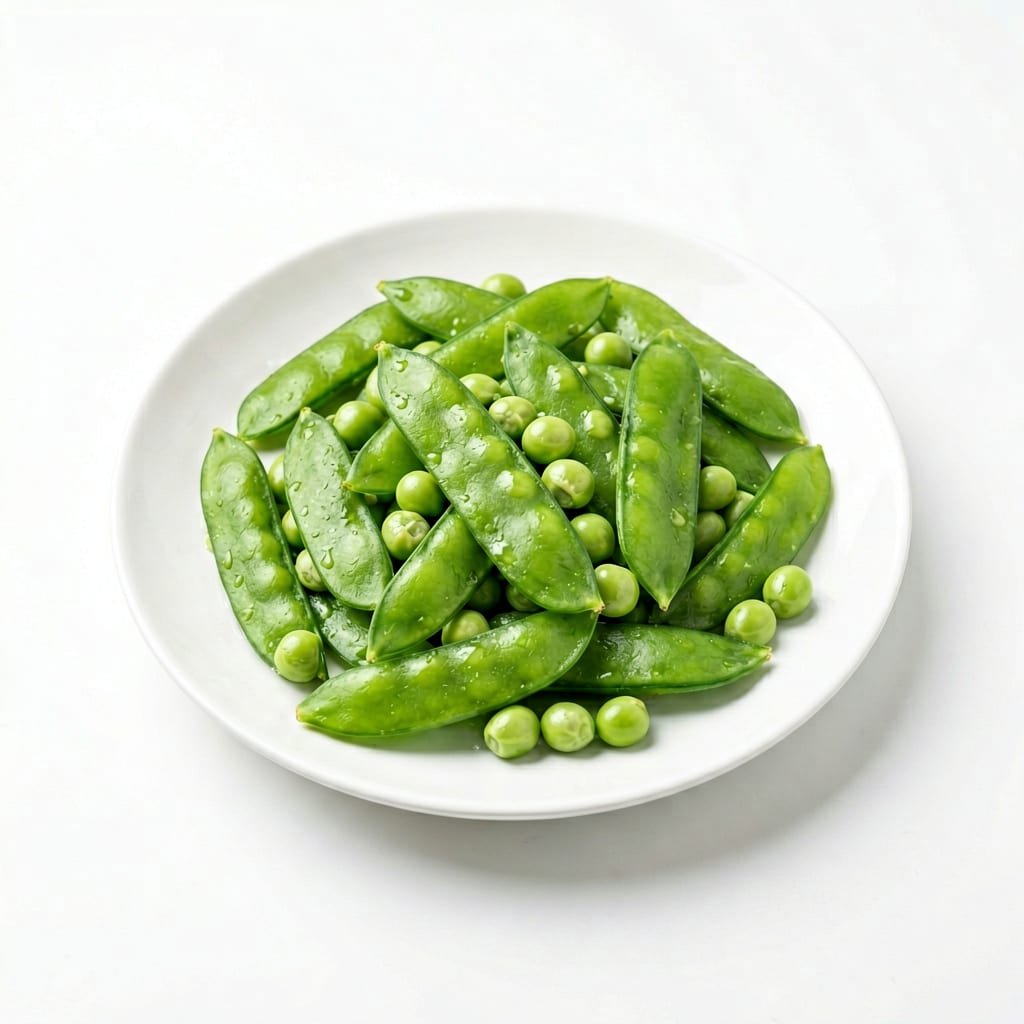
Sugar Snap Pea
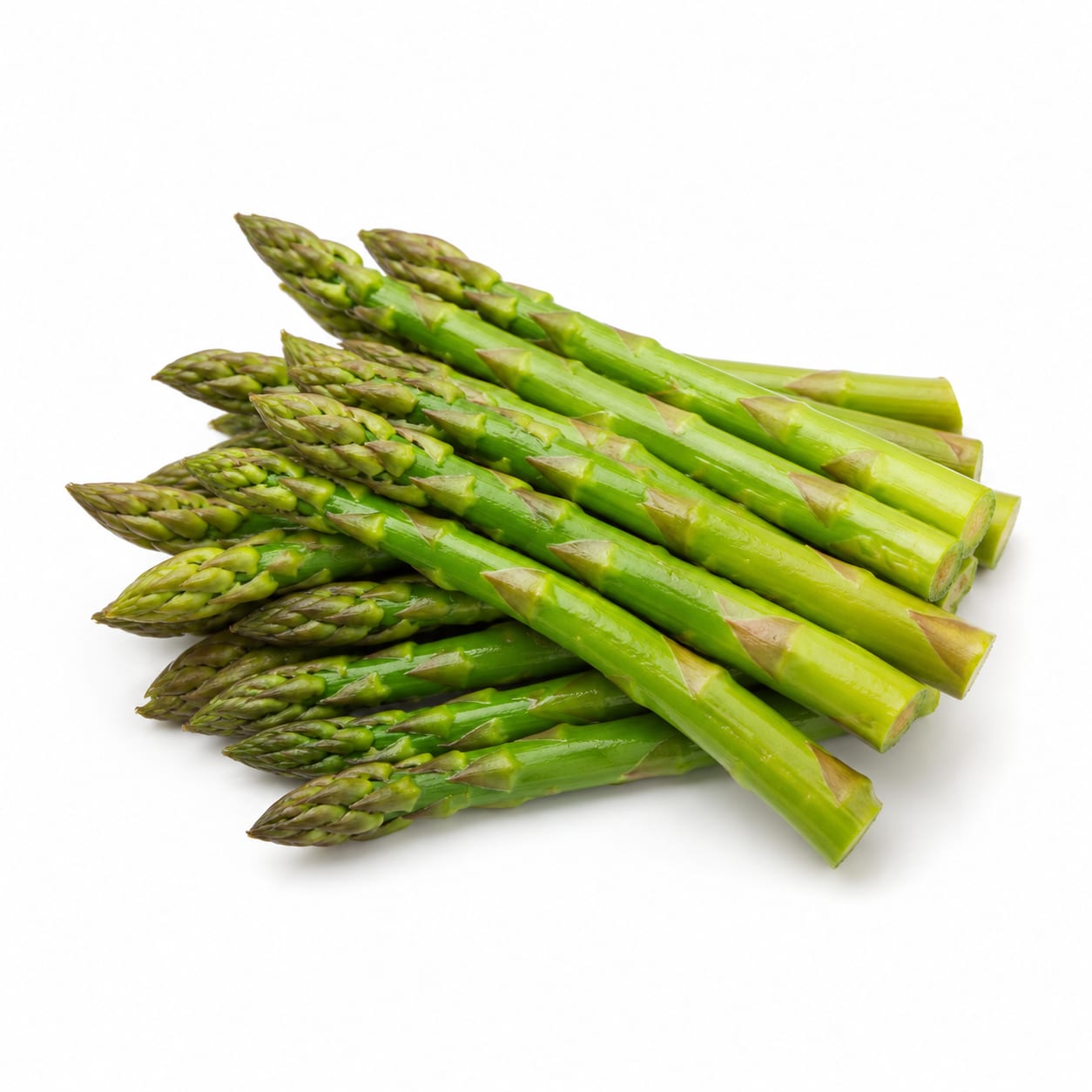
Asparagus
Sugar snap peas win for snacking satisfaction and vitamin C, while asparagus dominates for low-carb diets, folate, and gut health. Choose based on your priority.
Asparagus edges ahead slightly due to superior nutrient density per calorie and prebiotic benefits, but sugar snap peas remain excellent for everyday snacking and vitamin C. The gap is small because both are genuinely healthy whole foods.
Sweet crunch and more filling vs. fewer carbs and stronger prebiotic benefits
At a glance
Executive summary
Overall
It depends
Healthier
It depends
More practical
Sugar Snap Pea
Daily use
It depends
Key comparison lenses
low carb vs satisfying snack
Sugar snap peas are sweeter and more snackable raw, while asparagus is dramatically lower in carbs and sugar, making them suited for different dietary goals
nutrient density per calorie
Asparagus packs more folate and vitamin K per calorie, while sugar snap peas offer more vitamin C and a broader macronutrient balance
digestive and gut health
Asparagus is famous for prebiotic inulin fiber, while sugar snap peas offer more total fiber volume per serving
raw snacking convenience
Sugar snap peas are a natural grab-and-go snack, whereas asparagus almost always requires cooking to be palatable
weight management strategy
Asparagus is extremely low in calories, but sugar snap peas may satisfy cravings better and reduce overeating
Best choice for
Sugar Snap Pea
- Parents seeking kid-friendly veggie snacks
- Anyone wanting a satisfying raw snack
- People needing more vitamin C
- Those who find vegetables boring and want natural sweetness
- Meal preppers who want a no-cook option
Asparagus
- Keto and low-carb dieters
- Pregnant women needing folate
- People focused on gut microbiome health
- Anyone counting calories strictly
- Those who enjoy savory roasted vegetables
Least suitable for
Sugar Snap Pea
- Strict keto followers due to higher carb content
- Those monitoring sugar intake closely
- People who dislike sweet vegetables
Asparagus
- Kids who reject bitter flavors
- Anyone wanting a quick no-prep snack
- People prone to gout flares due to purine content
- Those bothered by asparagus urine odor
Deep comparison
Dimension by dimension
Each lens scores both foods and breaks down who each option suits.
- Dimension 1 · Priority 93Asparagus
blood sugar and carb impact
Sugar Snap Pea · 58Asparagus · 92Asparagus has roughly one-third the carbs and one-fifth the sugar of sugar snap peas per serving, making it far gentler on blood sugar.
Tradeoff
Sugar snap peas taste sweeter and feel more satisfying, but that sweetness comes with a higher glycemic load.
Why it matters
For anyone managing diabetes, metabolic syndrome, or keto macros, asparagus keeps you safely in the low-carb zone without effort.
Real-world impact
A cup of sugar snap peas has about 6g net carbs vs. roughly 2g in asparagus. Not a dealbreaker for most, but meaningful for low-carb eaters.
Sugar Snap Pea
- Post-workout when you want some carbs to refuel
- Active individuals who can afford more carbohydrates
Better for
- Strict keto meal plans
- Late-night snacking if carb-sensitive
Worse for
Asparagus
- Diabetics monitoring blood sugar closely
- Keto dieters staying under 25g net carbs daily
- Evening meals when you want to avoid carb-heavy sides
Better for
- Recovery meals after intense exercise when carbs help
- Growing children who benefit from moderate carb intake
Worse for
- Dimension 2 · Priority 89Sugar Snap Pea
satiety and snacking appeal
Sugar Snap Pea · 85Asparagus · 52Sugar snap peas are crunchy, sweet, and satisfying to eat raw by the handful. Asparagus is rarely enjoyable raw and feels more like a side dish than a snack.
Tradeoff
You will actually want to eat sugar snap peas as a snack. Asparagus requires cooking and pairing to feel satisfying.
Why it matters
The best healthy food is the one you actually eat consistently. Snackability drives long-term habit adherence.
Real-world impact
Keep sugar snap peas in the fridge and you will grab them instead of chips. Raw asparagus stalks will sit untouched.
Sugar Snap Pea
- Office snacking without prep
- Kids' lunchboxes
- Road trip or commuting snacks
- Curbing afternoon cravings naturally
Better for
- Formal meals where finger food feels out of place
Worse for
Asparagus
- Dinner sides where satiety comes from the whole plate
- Buffet or appetizer settings with dip pairings
Better for
- Solo snacking moments when you want something immediate
- Any situation where cooking is not possible
Worse for
- Dimension 3 · Priority 87Asparagus
nutrient density per calorie
Sugar Snap Pea · 70Asparagus · 90Asparagus delivers more folate, vitamin K, and riboflavin per calorie than sugar snap peas, making it one of the most nutrient-dense vegetables available.
Tradeoff
Sugar snap peas offer more vitamin C and a touch more protein, but asparagus wins on the micronutrient-to-calorie ratio.
Why it matters
If you are eating for maximum nutritional return on every calorie, asparagus is hard to beat.
Real-world impact
A cup of asparagus provides about 70% of daily vitamin K needs for under 30 calories. That is exceptional efficiency.
Sugar Snap Pea
- Vitamin C support during cold season
- Getting a broader macronutrient mix from vegetables
Better for
- Strict calorie-counting where every nutrient per calorie matters
Worse for
Asparagus
- Pregnancy nutrition due to high folate
- Bone health support through concentrated vitamin K
- Anyone eating in a calorie deficit who needs maximum nutrients
Better for
- Those relying on a single vegetable for vitamin C
Worse for
- Dimension 4 · Priority 86Asparagus
gut and digestive health
Sugar Snap Pea · 72Asparagus · 88Asparagus contains inulin, a powerful prebiotic fiber that feeds beneficial gut bacteria. Sugar snap peas offer more total fiber but lack this targeted prebiotic effect.
Tradeoff
More fiber volume from sugar snap peas vs. smarter fiber from asparagus that specifically nourishes your microbiome.
Why it matters
Gut bacteria diversity influences immunity, mood, and digestion. Inulin is one of the best-studied prebiotics for this purpose.
Real-world impact
Regular asparagus consumption can meaningfully shift your gut bacteria composition within weeks. Sugar snap peas help with regularity but are less targeted.
Sugar Snap Pea
- Quick digestive regularity from higher total fiber
- People who find inulin causes bloating
Better for
- Targeted prebiotic therapy for gut issues
Worse for
Asparagus
- Building long-term gut microbiome health
- Reducing bloating over time through better bacterial balance
- Supporting immune function via gut health
Better for
- Those with FODMAP sensitivities who react to inulin
- People with irritable bowel who need gentle fiber only
Worse for
- Dimension 5 · Priority 78Sugar Snap Pea
convenience and versatility
Sugar Snap Pea · 88Asparagus · 60Sugar snap peas are ready to eat raw, need no cooking, and work in salads, stir-fries, or alone. Asparagus demands trimming, cooking, and usually seasoning to shine.
Tradeoff
Grab-and-go simplicity vs. a vegetable that rewards cooking effort with deeper flavor.
Why it matters
Convenience determines whether a healthy food becomes a habit or gets abandoned.
Real-world impact
Sugar snap peas can be prepped for the week in zero minutes. Asparagus requires at least steaming or roasting every time.
Sugar Snap Pea
- Meal prep beginners
- Busy weeknight cooking
- Raw vegetable platters and crudités
- Stir-fry additions that cook in 2 minutes
Better for
- Fancy plating where rustic crunch feels out of place
Worse for
Asparagus
- Elegant dinner parties
- Roasted vegetable medleys
- Grilled side dishes with sophisticated flavor
Better for
- Quick lunches with no cooking access
- Camping or hotel room eating
Worse for
- Dimension 6 · Priority 82Asparagus
weight management
Sugar Snap Pea · 68Asparagus · 85Asparagus has roughly half the calories per cup compared to sugar snap peas, making it easier to fill your plate without filling your calorie budget.
Tradeoff
Lower calorie density from asparagus vs. better craving control from the sweetness and crunch of sugar snap peas.
Why it matters
Some people lose weight better with ultra-low-calorie volume, while others need satisfying foods that prevent junk food binges.
Real-world impact
You can eat two cups of asparagus for the same calories as one cup of sugar snap peas. But you might actually eat the sugar snap peas as a snack instead of chips.
Sugar Snap Pea
- Emotional eaters who need a satisfying snack replacement
- People who struggle with vegetable adherence due to taste
Better for
- Very low calorie diet protocols
Worse for
Asparagus
- Volume eaters who want large portions for few calories
- Strict calorie counters tracking every bite
- Competition prep where every calorie is budgeted
Better for
- Snack replacement strategies where raw appeal matters most
Worse for
Timeline
Health impact over time
Short-term
Hours to days
Sugar Snap Pea
- Quick energy from natural sugars and carbs
- Immediate satiety from crunch and fiber volume
- Vitamin C boost supporting same-day immune function
- Hydration benefit from high water content
Asparagus
- Mild diuretic effect reducing water retention quickly
- Prebiotic inulin may cause temporary bloating in sensitive people
- Very low calorie intake helps same-day deficit goals
- Folate supports immediate cellular repair processes
Long-term
Months to years
Sugar Snap Pea
- Consistent vitamin C intake supports skin and immune health over months
- Moderate carb content fits sustainable balanced diets
- Fiber supports regular digestion long-term
- Snackability improves long-term vegetable adherence
Asparagus
- Inulin prebiotic shifts gut microbiome composition over weeks to months
- High folate intake supports cardiovascular and cognitive health long-term
- Very low calorie density aids sustainable weight management
- Vitamin K accumulation strengthens bone density over years
Risk profile
Safety & processing
Both are whole vegetables sold in their natural state. Neither typically contains additives when purchased fresh or frozen. Both are about as unprocessed as food gets.
Sugar Snap Pea
Pesticide residue on non-organic pods
mediumSugar snap peas are often eaten whole with the pod, which can retain pesticide residue. Buying organic or washing thoroughly reduces this significantly.
Foodborne illness from raw consumption
lowSince they are eaten raw, any contamination on the surface is not neutralized by cooking. Always wash before eating.
Asparagus
Pesticide residue in conventional farming
mediumAsparagus typically tests moderate for pesticide residue. The spears grow quickly and are harvested early, which limits some accumulation but not all.
Gout flare from purine content
mediumAsparagus contains moderate purines, which can trigger gout symptoms in susceptible individuals. Not a concern for most people.
Urinary odor changes
lowAsparagusic acid causes sulfur-containing compounds in urine. Harmless but noticeable. Roughly half the population can detect the smell due to genetics.
Who wins for whom
Audience fit
Same foods, different winners depending on your goal.
children
Sugar Snap PeaKids gravitate toward the sweet crunch of sugar snap peas. Asparagus bitterness is a hard sell for most children.
daily consumption
It dependsSugar snap peas are easier to eat daily as a snack, but asparagus offers more targeted health benefits. Rotating both is ideal.
diabetes
AsparagusAsparagus has significantly fewer carbs and a lower glycemic impact, making blood sugar management much simpler.
elderly
AsparagusAsparagus provides concentrated folate and vitamin K for cognitive and bone health, and its soft texture when cooked is easier to chew.
muscle gain
Sugar Snap PeaSugar snap peas offer slightly more protein and carbohydrates per serving, which supports training energy and recovery marginally better.
weight loss
AsparagusAsparagus provides more food volume per calorie, making it easier to maintain a deficit without feeling deprived on the plate.
Your move
Decision guide
Choose Sugar Snap Pea
- You want a snack you will actually look forward to eating
- You are feeding kids who reject most vegetables
- You need portable no-prep options for work or travel
- You are not on a strict low-carb diet
- You want more vitamin C in your routine
Choose Asparagus
- You are on keto or managing blood sugar closely
- You are pregnant or trying to conceive and need folate
- You want to invest in gut microbiome health
- You prefer cooked savory sides over raw snacks
- You are counting calories and want maximum volume for minimum intake
Either works if
- You simply want more vegetables in your diet overall
- You are building a diverse weekly meal plan
- You have no specific dietary restrictions
- You enjoy both and can rotate them across meals
Avoid both if
- You have a severe legume or allium allergy respectively
- You are on a very restricted diet that limits most vegetables
- You have FODMAP issues and have not reintroduced either successfully
Final recommendation
Keep both in your rotation. Use sugar snap peas as your go-to raw snack and asparagus as your nutrient-dense dinner side. They complement each other perfectly across different meals and moments. If you must pick one, choose sugar snap peas for adherence and enjoyment, or asparagus for targeted health outcomes.
Practical
Consumer tips
- 1
Buy organic sugar snap peas when possible since you eat the whole pod and pesticide residue concentrates there
- 2
Wash sugar snap peas thoroughly even if they look clean, since they are typically eaten raw
- 3
Snap the woody ends off asparagus before cooking — if you bend the stalk, it naturally breaks at the right point
- 4
Roast asparagus at 400°F for 12 minutes with olive oil, salt, and lemon for the easiest delicious side dish
- 5
Freeze sugar snap peas on a sheet pan before bagging to prevent clumping for long-term storage
- 6
Blanch asparagus briefly before freezing to preserve texture and color for months
- 7
Pair sugar snap peas with hummus for a complete snack with protein and healthy fat
- 8
Do not overcook asparagus — mushy asparagus is why many people think they hate it