
Nutrition comparison
Snow Crab vs Tuna: Mercury, Protein, and Which Seafood Is Safer to Eat Regularly
Snow crab is dramatically lower in mercury than tuna, but tuna delivers more protein and omega-3s per serving. Compare safety, nutrition, cost, and which fits your lifestyle better.
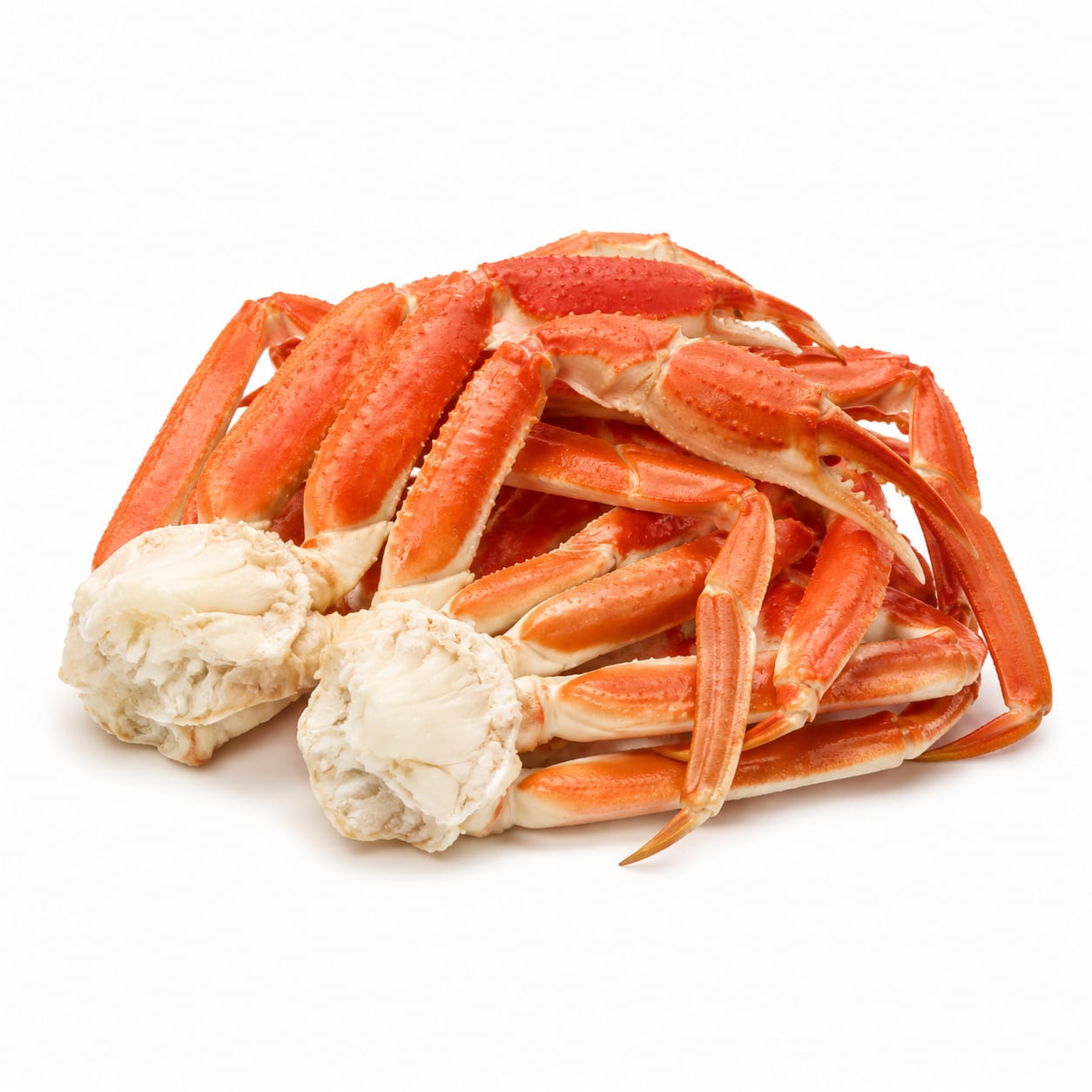
Snow Crab
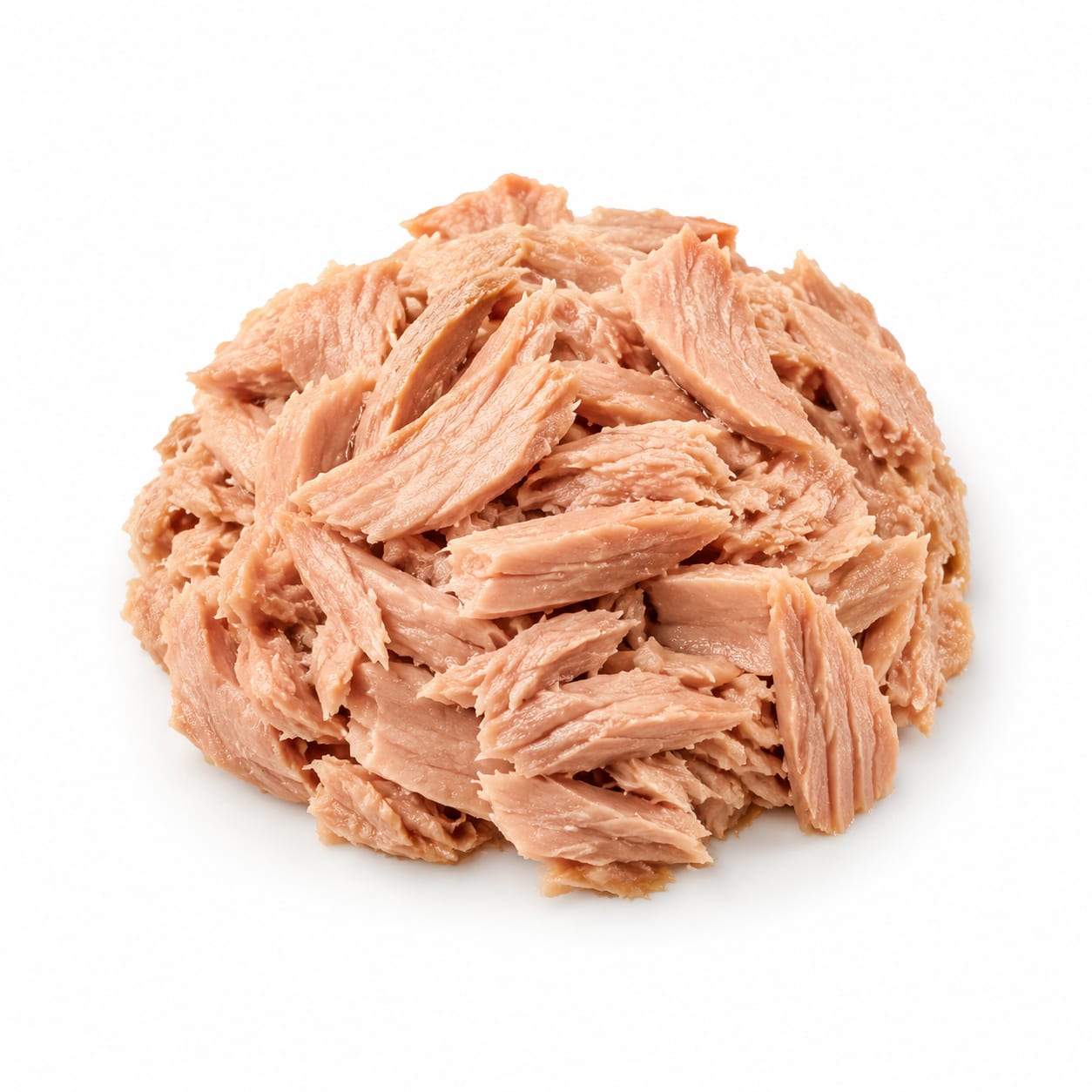
Tuna
Tuna wins on protein, omega-3s, and convenience. Snow crab wins on safety and mercury avoidance. Your choice depends on how often you eat seafood and what you prioritize.
Snow crab edges ahead primarily due to dramatically lower mercury risk, making it safer for regular consumption. Tuna scores higher on protein, omega-3s, and practicality but loses ground on safety. The close scores reflect that neither is universally better.
Tuna gives you more nutritional firepower per bite but comes with real mercury accumulation risk. Snow crab is the safer long-term bet but costs more and delivers less protein.
At a glance
Executive summary
Overall
It depends
Healthier
Snow Crab
More practical
Tuna
Daily use
Snow Crab
Key comparison lenses
mercury and heavy metal safety
Tuna carries significant mercury risk while snow crab is among the lowest-mercury seafood options, making this the dominant concern for most eaters
protein density and muscle-building value
Both are lean protein sources but tuna delivers substantially more protein per serving, a key decision factor for active people
everyday practicality and cost
Canned tuna is cheap and pantry-ready; snow crab is expensive, seasonal, and requires preparation
omega-3 intake for heart and brain health
Tuna provides more omega-3s per serving, but the mercury tradeoff complicates how often you can safely eat it
sodium and blood pressure impact
Snow crab is naturally high in sodium, which matters for anyone watching blood pressure
Best choice for
Snow Crab
- Pregnant women and children who need low-mercury seafood
- People eating seafood 3+ times per week
- Anyone concerned about heavy metal accumulation
- Special occasion meals where indulgence matters
Tuna
- Athletes and lifters needing high protein on a budget
- Meal preppers wanting shelf-stable protein
- People seeking omega-3s from a convenient source
- Anyone eating seafood only 1-2 times per week
Least suitable for
Snow Crab
- Budget-conscious weekly meal planners
- People on low-sodium diets
- Anyone needing quick weekday protein
Tuna
- Pregnant or breastfeeding women (especially albacore)
- Children under 6
- Frequent seafood eaters already near mercury limits
Deep comparison
Dimension by dimension
Each lens scores both foods and breaks down who each option suits.
- Dimension 1 · Priority 95Snow Crab
Mercury and Heavy Metal Safety
Snow Crab · 92Tuna · 38Snow crab is one of the lowest-mercury seafood options available. Tuna, especially albacore, accumulates significant mercury that limits safe consumption frequency.
Tradeoff
Choosing tuna for its nutrition means accepting mercury exposure that restricts how often you can safely eat it. Snow crab lets you eat seafood freely without tracking servings.
Why it matters
Mercury builds up over time and affects brain function, memory, and nervous system health. This is especially critical for pregnant women and children.
Real-world impact
With tuna, you need to watch your weekly intake. With snow crab, you can order it whenever you want without mental math about mercury limits.
Snow Crab
- Pregnant women seeking safe seafood
- Parents feeding young children
- Anyone eating seafood frequently
Better for
- No meaningful mercury downside
Worse for
Tuna
- Rare seafood eaters who only have tuna occasionally
Better for
- Pregnant women (FDA recommends limiting albacore to 6oz/week)
- Children whose developing brains are more vulnerable
- Frequent fish eaters who risk cumulative exposure
Worse for
- Dimension 2 · Priority 85Tuna
Protein Density and Quality
Snow Crab · 58Tuna · 91Tuna delivers roughly double the protein per serving compared to snow crab. A single can of tuna provides about 20-25g of protein versus 12-16g in a typical snow crab serving.
Tradeoff
If protein is your priority, tuna is far more efficient. But you pay for that density with mercury risk that limits how often you can use it.
Why it matters
Higher protein intake supports muscle maintenance, satiety, and metabolic health. Getting enough protein efficiently matters for active people and older adults.
Real-world impact
After a workout, a tuna pouch gives you solid protein fast. Snow crab would require a much larger portion to match it, at much higher cost.
Snow Crab
- Light eaters who prefer smaller protein portions
Better for
- People who need high protein intake from lean sources
Worse for
Tuna
- Athletes and lifters needing efficient protein
- Older adults fighting muscle loss
- Anyone trying to hit protein goals on a budget
Better for
- Those who cannot limit consumption to safe mercury levels
Worse for
- Dimension 3 · Priority 70Tuna
Omega-3 Fatty Acids
Snow Crab · 45Tuna · 78Tuna provides notably more omega-3s per serving, especially DHA for brain health. Snow crab contains some omega-3s but significantly less.
Tradeoff
Tuna is a better omega-3 source on paper, but the mercury content means you cannot eat enough of it to fully leverage this benefit. Lower-mercury fish like salmon may serve you better for omega-3s.
Why it matters
Omega-3s reduce inflammation, support heart health, and improve cognitive function. Consistent intake matters more than occasional large doses.
Real-world impact
Eating tuna twice a week gives you decent omega-3s but hits your safe consumption limit. You would need other omega-3 sources regardless.
Snow Crab
- People who get omega-3s from other low-mercury sources and want variety
Better for
- Anyone counting on crab alone for omega-3 intake
Worse for
Tuna
- Those relying on tuna as a primary omega-3 source
- People who eat it within safe weekly limits
Better for
- People who want high omega-3 intake but cannot safely eat tuna frequently enough
Worse for
- Dimension 4 · Priority 65Tuna
Sodium and Blood Pressure Impact
Snow Crab · 35Tuna · 70Snow crab is naturally high in sodium, delivering 800-900mg per serving. Fresh tuna is quite low in sodium, though canned versions vary based on preparation.
Tradeoff
If blood pressure is a concern, snow crab's sodium load requires careful meal planning. Fresh tuna is much easier to fit into a low-sodium diet.
Why it matters
High sodium intake raises blood pressure and cardiovascular risk. For salt-sensitive individuals, this can be a deciding factor.
Real-world impact
A snow crab dinner can deliver nearly half your daily sodium allowance before you add any seasoning or side dishes. Fresh tuna keeps sodium well under control.
Snow Crab
- Active people who sweat heavily and need sodium replenishment
Better for
- People monitoring blood pressure closely
- Those already eating high-sodium diets
Worse for
Tuna
- People with hypertension or salt sensitivity
- Anyone following a low-sodium eating plan
Better for
- Canned tuna with added salt can still be high in sodium
Worse for
- Dimension 5 · Priority 80Tuna
Practicality, Cost, and Convenience
Snow Crab · 25Tuna · 88Canned tuna is one of the most affordable, shelf-stable proteins available. Snow crab is expensive, seasonal, and requires cracking and preparation.
Tradeoff
Tuna fits seamlessly into everyday meals and budgets. Snow crab is a luxury protein best reserved for special occasions or splurges.
Why it matters
The best protein source is one you can actually afford and prepare consistently. Convenience determines whether healthy eating sticks.
Real-world impact
A can of tuna costs around $1-2 and is ready in seconds. Snow crab legs can cost $30-60 per pound and require tools and time to eat.
Snow Crab
- Celebratory meals where the experience matters as much as nutrition
Better for
- Busy weeknight dinners
- Anyone feeding a family on a budget
Worse for
Tuna
- Weekly meal prep on a budget
- Quick lunches and pantry meals
- Camping, travel, and emergency food supplies
Better for
- Fine dining or impressing guests
Worse for
- Dimension 6 · Priority 55Snow Crab
Satiety and Eating Experience
Snow Crab · 80Tuna · 60Snow crab provides a more satisfying, leisurely eating experience that naturally slows consumption. Tuna is efficient but less enjoyable to eat.
Tradeoff
Crab's interactive eating process helps you feel more satisfied with less food. Tuna gets protein into you fast but feels more functional than pleasurable.
Why it matters
Enjoyment and pace of eating affect fullness signals and long-term dietary satisfaction. Food should nourish and satisfy.
Real-world impact
A snow crab meal feels like an event. You eat slowly, savor each bite, and feel done with less. A tuna sandwich disappears in minutes and may leave you wanting more.
Snow Crab
- People who eat too fast and need natural pacing
- Those who find meals more satisfying with hands-on eating
Better for
- Impatient eaters or those short on time
Worse for
Tuna
- Anyone needing quick fuel without the ritual
Better for
- Emotional eaters who benefit from slower, more mindful meals
Worse for
Timeline
Health impact over time
Short-term
Hours to days
Snow Crab
- High sodium may cause temporary water retention and bloating
- Light, clean protein that digests easily without heaviness
- Satisfying meal experience that reduces post-meal snacking urges
Tuna
- Quick protein hit that stabilizes blood sugar and reduces hunger
- Canned versions may cause mild digestive discomfort in sensitive people
- Fast-digesting protein ideal for post-workout recovery
Long-term
Months to years
Snow Crab
- Low mercury risk makes it safe for consistent long-term consumption
- High sodium intake could contribute to blood pressure issues if eaten frequently
- Moderate protein supports muscle maintenance without overloading kidneys
Tuna
- Regular consumption increases mercury body burden, potentially affecting memory and focus
- Consistent omega-3 intake supports cardiovascular and cognitive health when kept within safe limits
- High protein intake supports metabolic health and age-related muscle preservation
Risk profile
Safety & processing
Both are whole-food proteins in their natural form. However, canned tuna often contains added salt and sometimes vegetable broth or pyrophosphate preservatives. Fresh or frozen snow crab is typically just crab, though some frozen varieties add sodium tripolyphosphate for moisture retention.
Snow Crab
Sodium overload
mediumA single serving delivers 800-900mg of sodium. Eating crab alongside other salty foods or sauces can easily push past daily limits.
Shellfish allergy
highCrab is a top shellfish allergen. Reactions can be severe and life-threatening for allergic individuals.
Foodborne illness from undercooking
lowMost snow crab is pre-cooked and flash-frozen, reducing but not eliminating bacterial risk if improperly reheated.
Tuna
Mercury accumulation
highAlbacore tuna contains roughly 0.35 ppm mercury. Regular consumption leads to bioaccumulation that can impair neurological function over time.
Scombroid poisoning
mediumImproperly stored fresh tuna can develop histamine levels that cause allergic-type reactions including flushing, headache, and digestive distress.
BPA from canned packaging
lowSome canned tuna uses BPA-lined cans. While many brands have moved to BPA-free linings, trace exposure remains possible.
Who wins for whom
Audience fit
Same foods, different winners depending on your goal.
children
Snow CrabChildren are more vulnerable to mercury's effects on brain development. Snow crab's low mercury levels make it the clearly safer choice for kids who eat seafood.
daily consumption
Snow CrabSnow crab can theoretically be eaten daily without mercury concern, though cost and sodium make this unrealistic. Tuna should be limited to 2-3 servings per week maximum.
diabetes
TunaBoth are essentially zero-carb foods, but tuna's higher protein content provides steadier blood sugar stabilization. Fresh tuna avoids the sodium concern of canned versions.
elderly
Snow CrabOlder adults need protein but are also more vulnerable to heavy metal accumulation and cognitive effects. Snow crab provides safe protein without mercury risk, though sodium should be monitored.
muscle gain
TunaTuna delivers substantially more protein per serving and per dollar, making it far more practical for hitting the higher protein targets needed for muscle growth.
weight loss
TunaTuna's higher protein and lower calorie density per gram of protein make it more effective for maintaining fullness on a calorie deficit. Just watch mercury limits.
Your move
Decision guide
Choose Snow Crab
- You are pregnant, breastfeeding, or feeding young children
- You eat seafood frequently and worry about cumulative mercury exposure
- You want a special-occasion protein that feels indulgent
- Blood pressure is not a primary concern for you
Choose Tuna
- You eat seafood only once or twice a week and want maximum nutrition per serving
- You need affordable, convenient protein for meal prep
- You are an athlete or lifter prioritizing protein intake
- You have no mercury vulnerability and can stay within safe consumption limits
Either works if
- You want lean protein and already eat a varied seafood rotation
- You alternate between special-occasion and everyday eating styles
- You get omega-3s from other sources like salmon or sardines
Avoid both if
- You have a shellfish or fish allergy
- You are looking for plant-based protein sources
- You need a single staple protein you can eat daily without any tradeoffs
Final recommendation
For most people, the smartest approach is using tuna as an occasional protein boost 1-2 times per week and choosing snow crab when you want a safer, more celebratory seafood meal. If you can only pick one for regular eating, snow crab's safety profile makes it the more sustainable long-term choice despite its higher cost and sodium.
Practical
Consumer tips
- 1
Choose skipjack or light canned tuna over albacore to cut mercury exposure by roughly 60%
- 2
Rinse canned tuna briefly to reduce sodium by about 20%
- 3
Look for snow crab labeled 'previously frozen' without added sodium tripolyphosphate
- 4
If you eat both in the same week, count tuna toward your weekly mercury budget and treat snow crab as essentially free of mercury concern
- 5
Pair snow crab with lemon and herbs instead of butter to keep sodium and saturated fat in check
- 6
Check Seafood Watch recommendations for the most sustainable tuna and crab sourcing options