
Nutrition comparison
Snow Crab vs Shrimp: Nutrition, Cholesterol, and Safety Compared
Comparing Snow Crab and Shrimp? Discover which shellfish is lower in cholesterol, which is better for protein, and the hidden sodium trap to watch for.
Overall winner · Shrimp
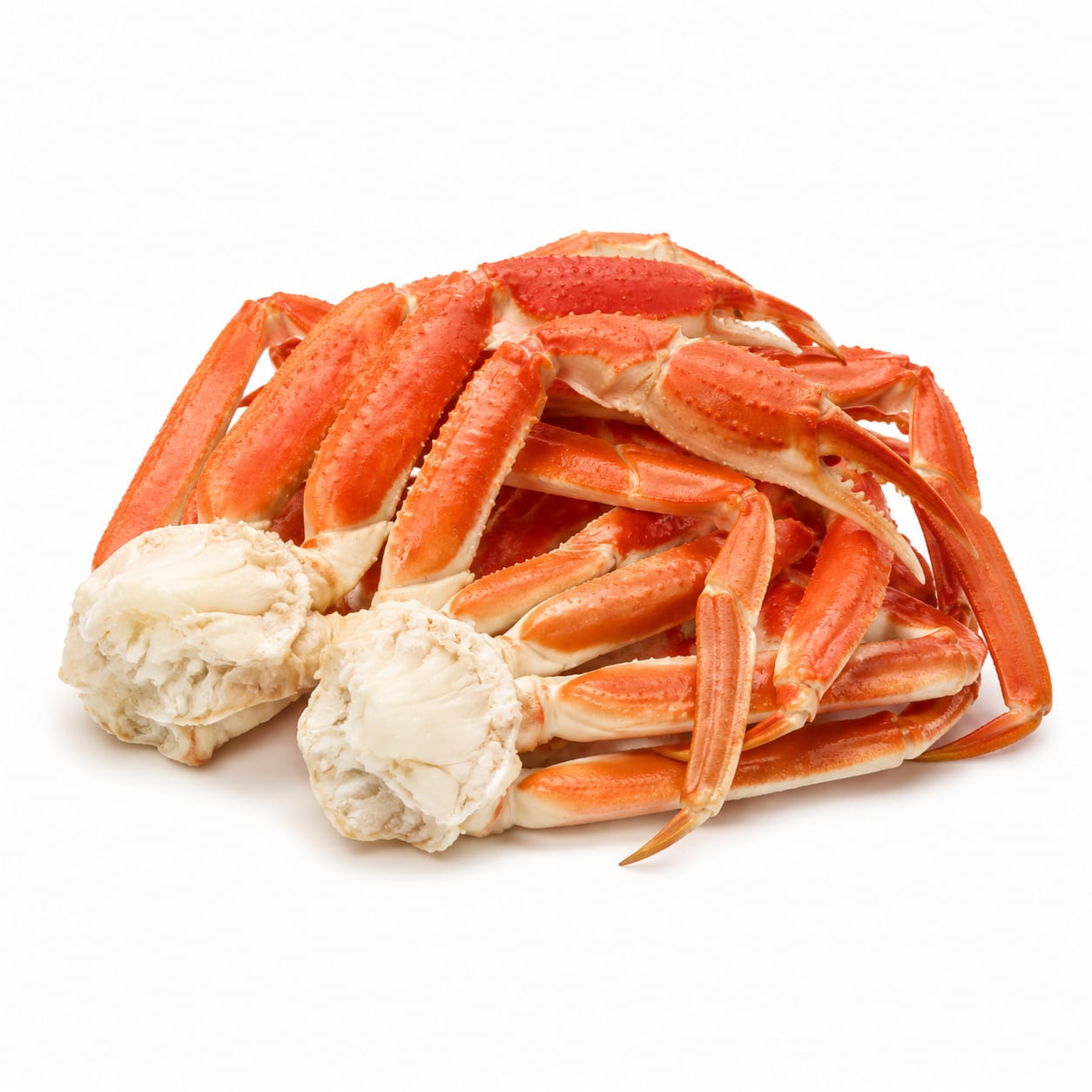
Snow Crab
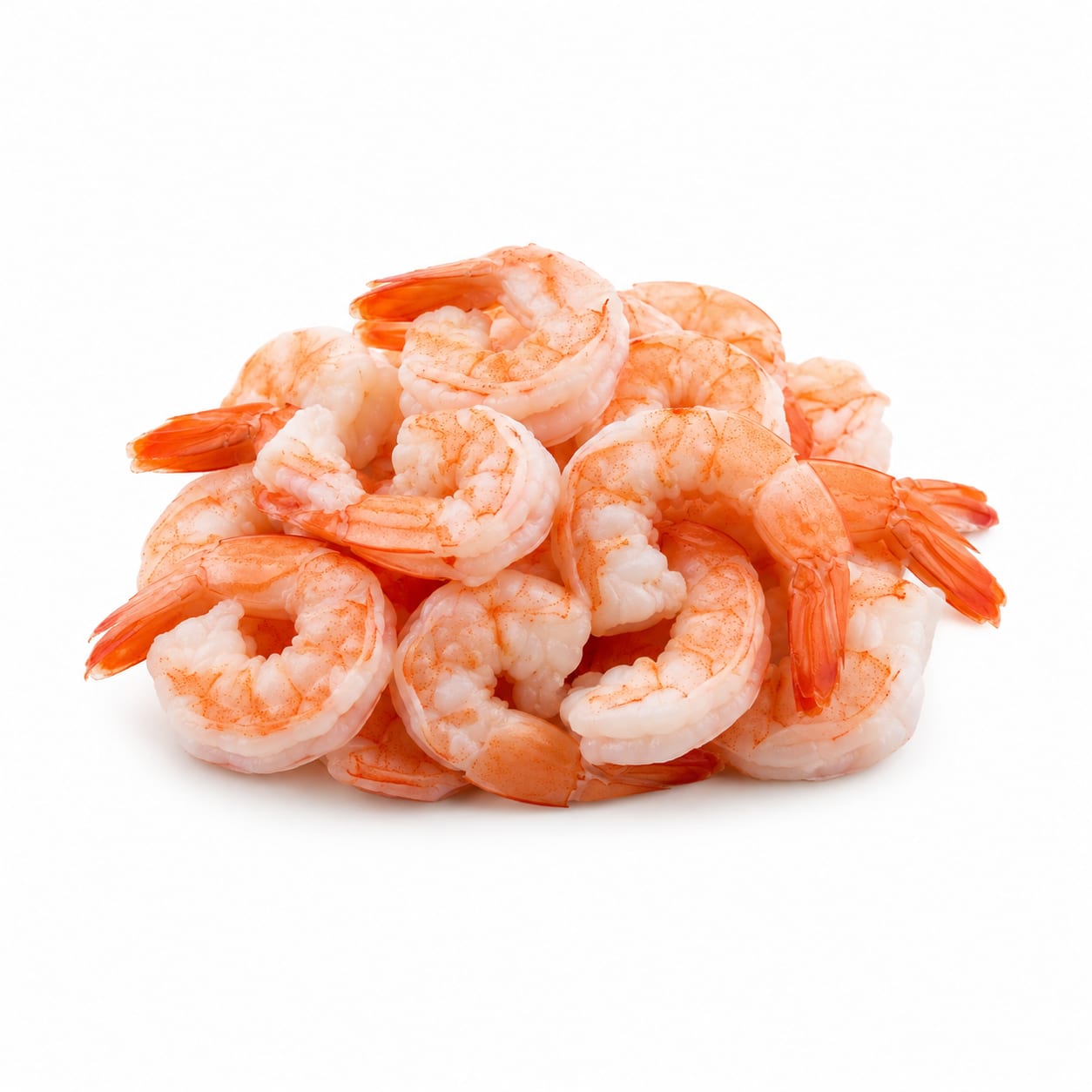
Shrimp
Shrimp wins for everyday practicality, higher protein density, and lower sodium, but Snow Crab is the clear choice if you are watching your cholesterol.
Shrimp scores higher due to its superior convenience, lower sodium in its fresh form, and higher protein density, though Snow Crab remains an excellent low-cholesterol alternative with a unique eating experience.
You trade Snow Crab's cholesterol-friendly profile for Shrimp's superior protein content, convenience, and better sodium control.
At a glance
Executive summary
Overall
Shrimp
Healthier
It depends
More practical
Shrimp
Daily use
Shrimp
Key comparison lenses
Low-calorie lean protein selection
Both are popular shellfish choices for high-protein, low-fat diets, but their nutritional profiles differ significantly in protein density and cholesterol.
Heart health and cholesterol management
Shrimp is notoriously high in dietary cholesterol, while Snow Crab offers a much leaner lipid profile, making this a crucial differentiator.
Sodium awareness
Snow Crab is almost always pre-cooked and brined, making it a hidden sodium bomb compared to fresh raw shrimp.
Seafood safety and sourcing
Shrimp farming practices often involve antibiotics, whereas Snow Crab is wild-caught, raising distinct contamination and sustainability concerns.
Best choice for
Snow Crab
- People strictly limiting dietary cholesterol
- Special occasion seafood feasts
- Those prioritizing wild-caught seafood to avoid farming antibiotics
Shrimp
- Weeknight high-protein meal prep
- People managing blood pressure or sodium intake
- Athletes needing dense, low-fat protein
Least suitable for
Snow Crab
- People on low-sodium diets
- Busy individuals needing quick meals
- Budget-conscious shoppers
Shrimp
- People with severe dietary cholesterol restrictions
- Those avoiding farmed seafood without access to wild options
Deep comparison
Dimension by dimension
Each lens scores both foods and breaks down who each option suits.
- Dimension 1 · Priority 95Shrimp
Protein Density & Satiety
Snow Crab · 70Shrimp · 92Shrimp packs significantly more protein per calorie, making it much more filling and efficient for muscle maintenance.
Tradeoff
Snow Crab offers high-quality protein but requires cracking through shells for a modest amount of meat, leading to lower overall intake.
Why it matters
Higher protein density keeps you full longer and supports metabolic health without excess calories.
Real-world impact
A shrimp dinner leaves you satisfied without feeling stuffed; a Snow Crab meal might feel light on the actual protein unless you eat a large quantity.
Snow Crab
- Light eaters
- Low-calorie snackers
Better for
- Bodybuilders
- Those needing heavy satiety
Worse for
Shrimp
- Athletes
- Post-workout recovery
- High-protein dieters
Better for
- People who easily overeat dense proteins
Worse for
- Dimension 2 · Priority 90Snow Crab
Cholesterol & Heart Health
Snow Crab · 92Shrimp · 55Snow Crab is remarkably low in cholesterol compared to Shrimp, which is notoriously high in dietary cholesterol.
Tradeoff
While dietary cholesterol doesn't impact blood cholesterol for everyone, it remains a major concern for hyper-responders and those with existing heart conditions.
Why it matters
For those managing blood lipid levels, keeping dietary cholesterol low is still a common medical recommendation.
Real-world impact
If your doctor told you to watch your cholesterol, Snow Crab is a much safer shellfish choice than Shrimp.
Snow Crab
- People with high blood cholesterol
- Hyper-responders to dietary cholesterol
Better for
- People who over-salt their food
Worse for
Shrimp
- Those without cholesterol concerns
Better for
- Strict cardiac diets limiting cholesterol
Worse for
- Dimension 3 · Priority 85Shrimp
Sodium Load
Snow Crab · 40Shrimp · 85Most Snow Crab available commercially is pre-cooked and brined, making it extremely high in sodium. Fresh raw Shrimp is naturally very low in sodium.
Tradeoff
You can rinse Snow Crab to reduce some sodium, but it remains a hidden salt bomb that can spike blood pressure.
Why it matters
Excess sodium drives up blood pressure and causes bloating, often undermining the health benefits of lean seafood.
Real-world impact
Eating Snow Crab can easily push you over your daily sodium limit, leaving you thirsty and puffy the next day.
Snow Crab
- Endurance athletes needing sodium
- Those who sweat heavily
Better for
- Kidney disease patients
- Blood pressure management
Worse for
Shrimp
- Hypertension management
- Low-sodium diets
Better for
- Those needing electrolyte replenishment
Worse for
- Dimension 4 · Priority 80Snow Crab
Contaminants & Sourcing Safety
Snow Crab · 85Shrimp · 65Snow Crab is almost exclusively wild-caught, avoiding the antibiotic and chemical concerns common in farmed Shrimp.
Tradeoff
Wild Shrimp is safer but harder to find and more expensive; standard farmed Shrimp carries higher contamination risks.
Why it matters
Farmed seafood often involves antibiotics and poor water quality, which can affect gut health and contribute to antibiotic resistance.
Real-world impact
Choosing Snow Crab gives you peace of mind about wild sourcing, whereas Shrimp requires careful label reading to avoid questionable farming practices.
Snow Crab
- Eco-conscious consumers avoiding farmed seafood
- Those avoiding antibiotics in food
Better for
- Those concerned about ocean mercury
Worse for
Shrimp
- Budget shoppers buying readily available farmed shrimp
Better for
- Those strictly avoiding farmed seafood antibiotics
Worse for
- Dimension 5 · Priority 75Shrimp
Convenience & Culinary Versatility
Snow Crab · 45Shrimp · 95Shrimp cooks in minutes and works in everything from stir-fries to pasta. Snow Crab requires cracking shells and is usually a hands-on eating event.
Tradeoff
Snow Crab is a fun, interactive meal but terrible for quick weeknight cooking or meal prep.
Why it matters
Convenience dictates how often you actually cook a food at home versus ordering takeout.
Real-world impact
Shrimp can be thrown in a pan on a busy Tuesday; Snow Crab is typically reserved for weekends or special occasions.
Snow Crab
- Special occasion dining
- Seafood boils
Better for
- Busy weeknights
- Office lunches
Worse for
Shrimp
- Weeknight meal prep
- Quick lunches
- Stir-fries
Better for
- Interactive, hands-on dinner parties
Worse for
Timeline
Health impact over time
Short-term
Hours to days
Snow Crab
- Can cause bloating or thirst from high sodium content
- Light feeling in the stomach due to low fat and calorie density
Shrimp
- Quick satiety from dense, high-quality protein
- Fast cooking reduces meal prep fatigue
Long-term
Months to years
Snow Crab
- Better blood lipid profile for cholesterol-sensitive individuals
- Risk of elevated blood pressure if sodium intake isn't managed
Shrimp
- Supports muscle retention and weight management through high protein
- Potential exposure to antibiotic residues if consuming low-quality farmed shrimp regularly
Risk profile
Safety & processing
Both are whole, natural seafood, but Shrimp is more frequently treated with sodium tripolyphosphate to retain moisture, which adds unnecessary phosphates and increases sodium.
Snow Crab
High Sodium/Brining
mediumCommercially processed Snow Crab is heavily brined, posing risks for those with hypertension or kidney issues.
Spoilage from improper thawing
lowBecause it is pre-cooked, improper thawing and refreezing can degrade quality and lead to foodborne illness.
Shrimp
Antibiotic Residues
mediumCommon in imported farmed Shrimp, potentially contributing to antibiotic resistance and gut flora disruption.
Sodium Tripolyphosphate (STPP)
lowA chemical used to retain moisture in Shrimp that can cause mild GI upset in sensitive individuals and artificially inflates weight.
Who wins for whom
Audience fit
Same foods, different winners depending on your goal.
children
ShrimpShrimp is easier for kids to eat; Snow Crab shells are a choking hazard and require adult assistance to crack.
daily consumption
ShrimpShrimp is more versatile, lower in sodium when fresh, and easier to incorporate into daily meals without overconsumption risks.
diabetes
ShrimpShrimp has zero carbs and high protein, stabilizing blood sugar effectively without the sodium spike of Snow Crab.
elderly
Snow CrabSnow Crab is lower in cholesterol and easier to chew, but the sodium must be monitored carefully for heart health.
muscle gain
ShrimpShrimp provides significantly more protein per serving, which is critical for muscle repair and growth.
weight loss
ShrimpShrimp's high protein and low calorie density make it incredibly filling and easy to portion control, whereas Snow Crab's sodium can cause water retention.
Your move
Decision guide
Choose Snow Crab
- You are strictly monitoring your dietary cholesterol
- You want a fun, interactive dining experience for a special occasion
- You prefer wild-caught seafood and want to avoid farmed seafood antibiotics
Choose Shrimp
- You need a quick, high-protein weeknight dinner
- You are watching your sodium intake
- You want versatile seafood for meal prep and cooking
Either works if
- You want a low-fat, zero-carb protein source
- You are eating out at a high-quality seafood restaurant with clear sourcing
Avoid both if
- You have a severe shellfish allergy
- You are on a very tight grocery budget
Final recommendation
Shrimp is the more practical, everyday protein source with better sodium and protein profiles, while Snow Crab is a fantastic low-cholesterol treat for special occasions where the sodium tradeoff is worth the experience.
Practical
Consumer tips
- 1
Rinse Snow Crab under warm water before eating to remove excess surface brine and significantly reduce sodium.
- 2
Look for 'wild-caught' on Shrimp packaging to avoid the antibiotic risks associated with imported farmed shrimp.
- 3
Avoid Shrimp that looks overly glossy or feels slimy, which can indicate excess sodium tripolyphosphate treatment.
- 4
Pair Snow Crab with high-potassium sides like steamed potatoes or avocado to help balance its high sodium content.