
Nutrition comparison
Snow Crab vs Scallops: Nutrition, Protein & Health Comparison
Comparing Snow Crab vs Scallops? Learn which shellfish is lower in sodium, higher in protein, and better for weight loss and heart health.
Overall winner · Scallops
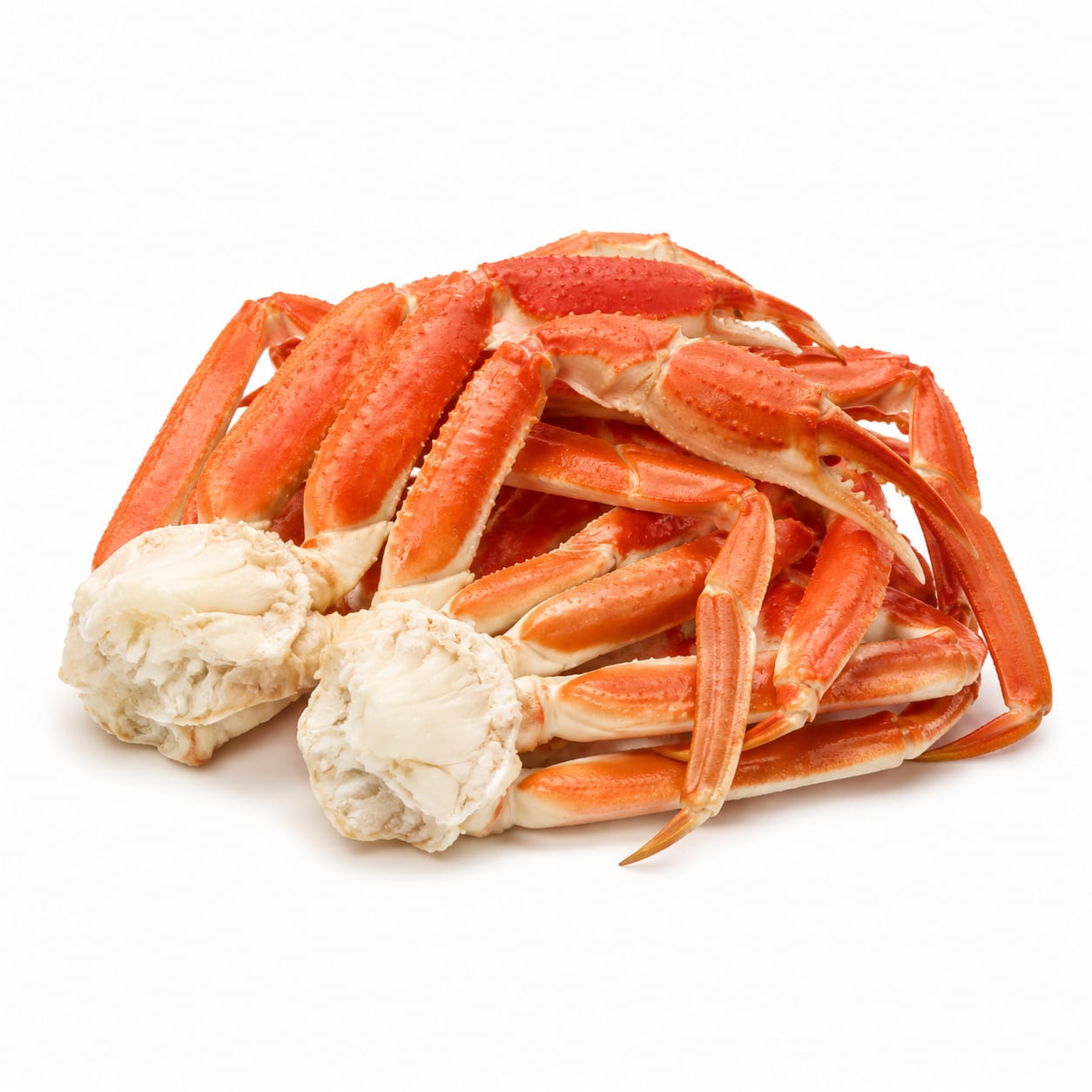
Snow Crab
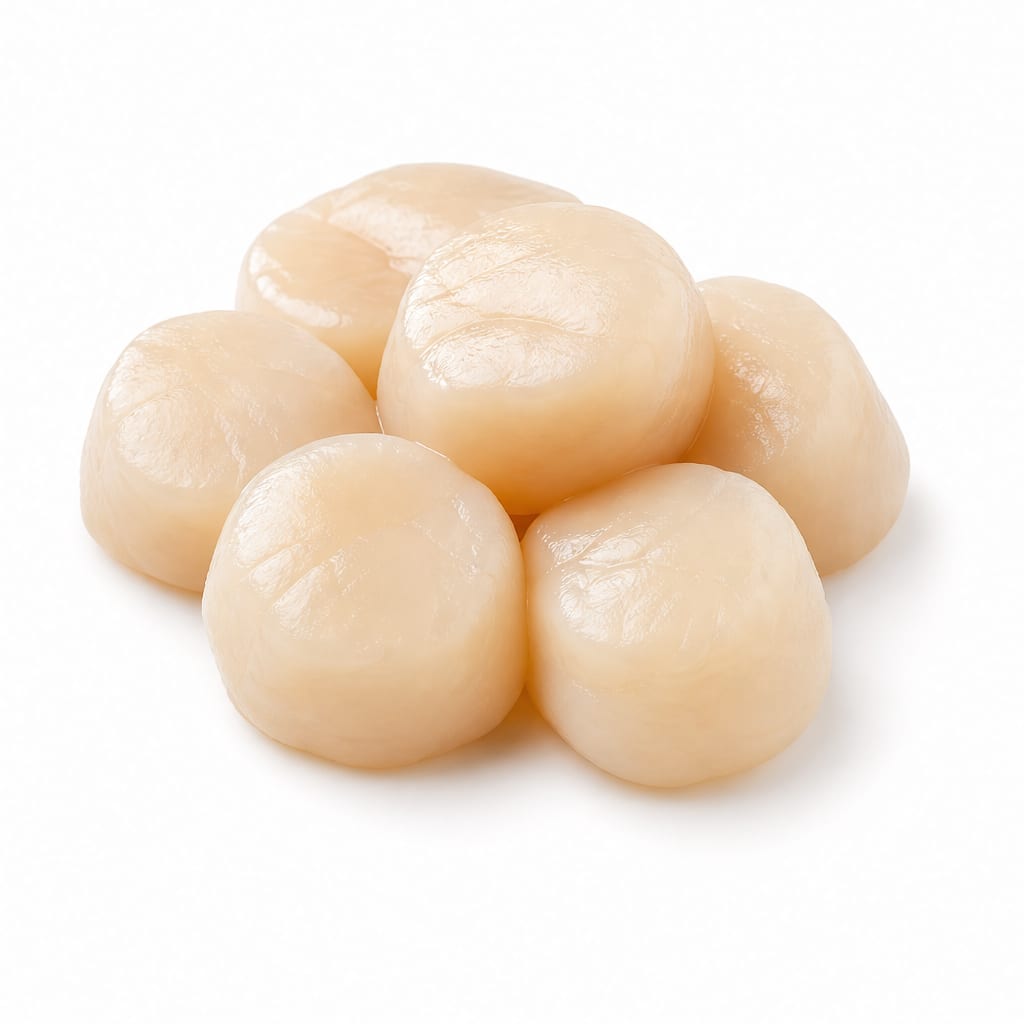
Scallops
Scallops edge out Snow Crab for everyday nutrition due to higher protein and lower sodium, though Snow Crab offers a fun, low-calorie treat.
Scallops score higher due to superior protein density and a much gentler sodium profile, making them more suitable for regular consumption. Snow Crab remains a strong choice but is held back by its high salt content.
Scallops provide superior protein and lower sodium, while Snow Crab delivers a more interactive eating experience with fewer calories per bite.
At a glance
Executive summary
Overall
Scallops
Healthier
Scallops
More practical
Scallops
Daily use
Scallops
Key comparison lenses
Lean protein quality and density
Both are premium lean seafoods, but their protein-per-calorie ratio differs significantly, impacting satiety and muscle building.
Sodium load and blood pressure impact
Snow Crab is naturally high in sodium and often boiled in salted water, while Scallops are remarkably low in sodium.
Culinary convenience and preparation ease
Scallops cook in minutes in a pan, whereas Snow Crab requires cracking and is usually a messy, hands-on eating experience.
Dietary cholesterol considerations
Scallops contain more dietary cholesterol than Snow Crab, which matters for hyper-responders despite both being heart-healthy overall.
Best choice for
Snow Crab
- People seeking a low-calorie, interactive dining experience
- Those craving a naturally salty-sweet seafood treat
Scallops
- Home cooks wanting a quick, versatile protein
- People monitoring their blood pressure or sodium intake
Least suitable for
Snow Crab
- People on strict low-sodium diets
- Those wanting a quick weeknight dinner
Scallops
- Diners looking for a hands-on, casual eating experience
- Those highly sensitive to dietary cholesterol
Deep comparison
Dimension by dimension
Each lens scores both foods and breaks down who each option suits.
- Dimension 1 · Priority 92Scallops
Protein Density & Muscle Support
Snow Crab · 70Scallops · 88Scallops deliver significantly more protein per serving than Snow Crab, making them more filling and better for muscle repair.
Tradeoff
You get more protein from Scallops, but Snow Crab offers a lighter eating experience with fewer calories per bite.
Why it matters
Higher protein keeps you full longer and stabilizes blood sugar, preventing energy crashes.
Real-world impact
A scallop dinner keeps you satisfied until morning; a crab leg meal might leave you hunting for a snack an hour later.
Snow Crab
- Light eaters wanting a low-calorie snack
- Those who prefer grazing over a heavy meal
Better for
- Body builders needing high protein per serving
- People trying to stay full for hours
Worse for
Scallops
- Athletes needing post-workout recovery
- Anyone wanting a filling, high-protein dinner
Better for
- Those who prefer very light, low-calorie meals
Worse for
- Dimension 2 · Priority 88Scallops
Sodium & Blood Pressure Impact
Snow Crab · 45Scallops · 85Snow Crab is naturally high in sodium and often boiled in salted water, while Scallops are naturally low in sodium.
Tradeoff
Choosing Scallops saves you from a sodium spike, but you miss out on the savory, salty flavor that makes Crab so addictive.
Why it matters
High sodium meals can cause bloating and raise blood pressure over time.
Real-world impact
Eating Snow Crab can leave you feeling puffy and thirsty the next day, whereas Scallops feel light and clean.
Snow Crab
- People who sweat heavily and need sodium replenishment
- Those who find low-sodium food bland
Better for
- People with high blood pressure
- Those who retain water easily
Worse for
Scallops
- People with hypertension
- Anyone prone to bloating from salty foods
Better for
- Endurance athletes needing electrolyte replacement
Worse for
- Dimension 3 · Priority 70It depends
Dietary Cholesterol & Heart Health
Snow Crab · 75Scallops · 70Scallops contain more dietary cholesterol than Snow Crab, but both are extremely low in saturated fat, which matters more for heart health.
Tradeoff
Scallops have more cholesterol, but their low sodium and high omega-3s balance the heart health profile.
Why it matters
For most people, dietary cholesterol has minimal impact on blood cholesterol compared to saturated fat and sodium.
Real-world impact
Unless you are hyper-responsive to dietary cholesterol, Scallops are still a heart-healthy choice.
Snow Crab
- People strictly monitoring dietary cholesterol
- Those with a history of high blood cholesterol
Better for
- Those who overdo the melted butter
- Diners who eat huge quantities to feel full
Worse for
Scallops
- Those who prioritize low sodium for heart health over dietary cholesterol
- People eating an otherwise low-cholesterol diet
Better for
- Hyper-responders to dietary cholesterol
- People already exceeding daily cholesterol limits
Worse for
- Dimension 4 · Priority 80Scallops
Culinary Ease & Versatility
Snow Crab · 50Scallops · 90Scallops cook in minutes and adapt to countless recipes, while Snow Crab requires cracking and is usually eaten as-is.
Tradeoff
Scallops demand careful cooking to avoid rubberiness, while Crab is pre-cooked and just needs warming.
Why it matters
Convenience often dictates what you actually cook on a busy weeknight.
Real-world impact
Scallops can be seared for a fast Tuesday dinner; Snow Crab is usually reserved for weekends or special occasions.
Snow Crab
- Casual dining and social gatherings
- People who prefer pre-cooked seafood
Better for
- Quick weeknight dinners
- Those who dislike messy hands while eating
Worse for
Scallops
- Busy professionals needing fast meals
- Home cooks experimenting with searing or baking
Better for
- Those intimidated by cooking seafood
- Diners wanting a hands-on, crack-and-eat experience
Worse for
- Dimension 5 · Priority 65It depends
Contaminants & Sourcing Safety
Snow Crab · 75Scallops · 80Both are relatively low in mercury, but Snow Crab can carry higher heavy metal risks from the ocean floor, while Scallops are often treated with STPP if not dry-packed.
Tradeoff
Crab is usually sold without additives, while cheap Scallops may be soaked in chemical preservatives.
Why it matters
Hidden additives and heavy metals affect long-term health and digestive comfort.
Real-world impact
Buying dry-packed Scallops avoids the chemical soak, giving you a cleaner, safer meal.
Snow Crab
- People who want additive-free seafood
- Those buying frozen whole legs
Better for
- Those worried about ocean-floor pollutants
- Diners eating large quantities frequently
Worse for
Scallops
- People buying fresh, dry-packed seafood
- Those concerned about heavy metal accumulation
Better for
- People buying cheap, wet-packed scallops
- Those unaware of STPP preservatives
Worse for
Timeline
Health impact over time
Short-term
Hours to days
Snow Crab
- Immediate thirst and bloating from high sodium
- Light, satisfying fullness without heaviness
Scallops
- Quick, sustained energy without a crash
- No bloating or excessive thirst
Long-term
Months to years
Snow Crab
- Potential blood pressure elevation if eaten frequently
- Easy maintenance of low body weight due to low calories
Scallops
- Improved muscle retention and growth
- Better cardiovascular health due to low sodium and high protein
Risk profile
Safety & processing
Snow Crab is typically sold frozen with no additives, while Scallops are frequently treated with STPP (sodium tripolyphosphate) to retain moisture, unless you specifically buy dry-packed.
Snow Crab
Shellfish Allergy
highSnow Crab is a crustacean and a top allergen; reactions can be severe and require immediate medical attention.
Sodium Overload
mediumA single serving can contain nearly half your daily sodium limit, which is risky for those with hypertension.
Scallops
Shellfish Allergy
highScallops are mollusks and can trigger shellfish allergies, though crustacean and mollusk allergies do not always overlap.
Chemical Additives
mediumWet-packed Scallops are soaked in STPP, which can cause gastrointestinal upset in sensitive individuals and adds unexpected sodium.
Who wins for whom
Audience fit
Same foods, different winners depending on your goal.
children
Snow CrabSnow Crab is a fun, interactive food with a naturally sweet taste that appeals to kids, though sodium should be monitored.
daily consumption
ScallopsScallops' low sodium profile makes them much safer to eat on a regular basis than Snow Crab.
diabetes
ScallopsScallops have zero carbs and much lower sodium, protecting blood vessels from diabetes-related stress.
elderly
ScallopsScallops are extremely easy to chew and swallow, and their low sodium supports healthy blood pressure.
muscle gain
ScallopsScallops have a much higher protein density, which is essential for muscle repair and growth.
weight loss
ScallopsScallops offer more protein per calorie, keeping you full longer and preventing overeating.
Your move
Decision guide
Choose Snow Crab
- You want a fun, hands-on dining experience
- You are craving a naturally salty-sweet treat
- You are keeping your calorie intake extremely low
Choose Scallops
- You need a fast, high-protein weeknight meal
- You are watching your blood pressure or sodium intake
- You want maximum muscle support from your seafood
Either works if
- You need a high-quality lean protein source
- You are eating out at a seafood restaurant
- You do not have a shellfish allergy
Avoid both if
- You have a known shellfish allergy
- You have severe histamine intolerance
- You are strictly limiting seafood due to gout
Final recommendation
Make Scallops your go-to for everyday lean protein and weeknight dinners, and save Snow Crab for special occasions where the salty, hands-on experience is the main event.
Practical
Consumer tips
- 1
Always ask for 'dry-packed' Scallops to avoid STPP, a chemical preservative that ruins texture and adds sodium.
- 2
Rinse Snow Crab legs under warm water before eating to melt away excess surface salt.
- 3
Sear Scallops in a smoking-hot pan for 90 seconds per side for the perfect golden crust.
- 4
Pair Snow Crab with melted butter sparingly; the butter adds more saturated fat than the crab itself.