
Nutrition comparison
Snow Crab vs Salmon: Nutrition, Omega-3, and Health Comparison
Comparing Snow Crab and Salmon? Discover which seafood is better for omega-3s, weight loss, mercury safety, and everyday meals.
Overall winner · Salmon
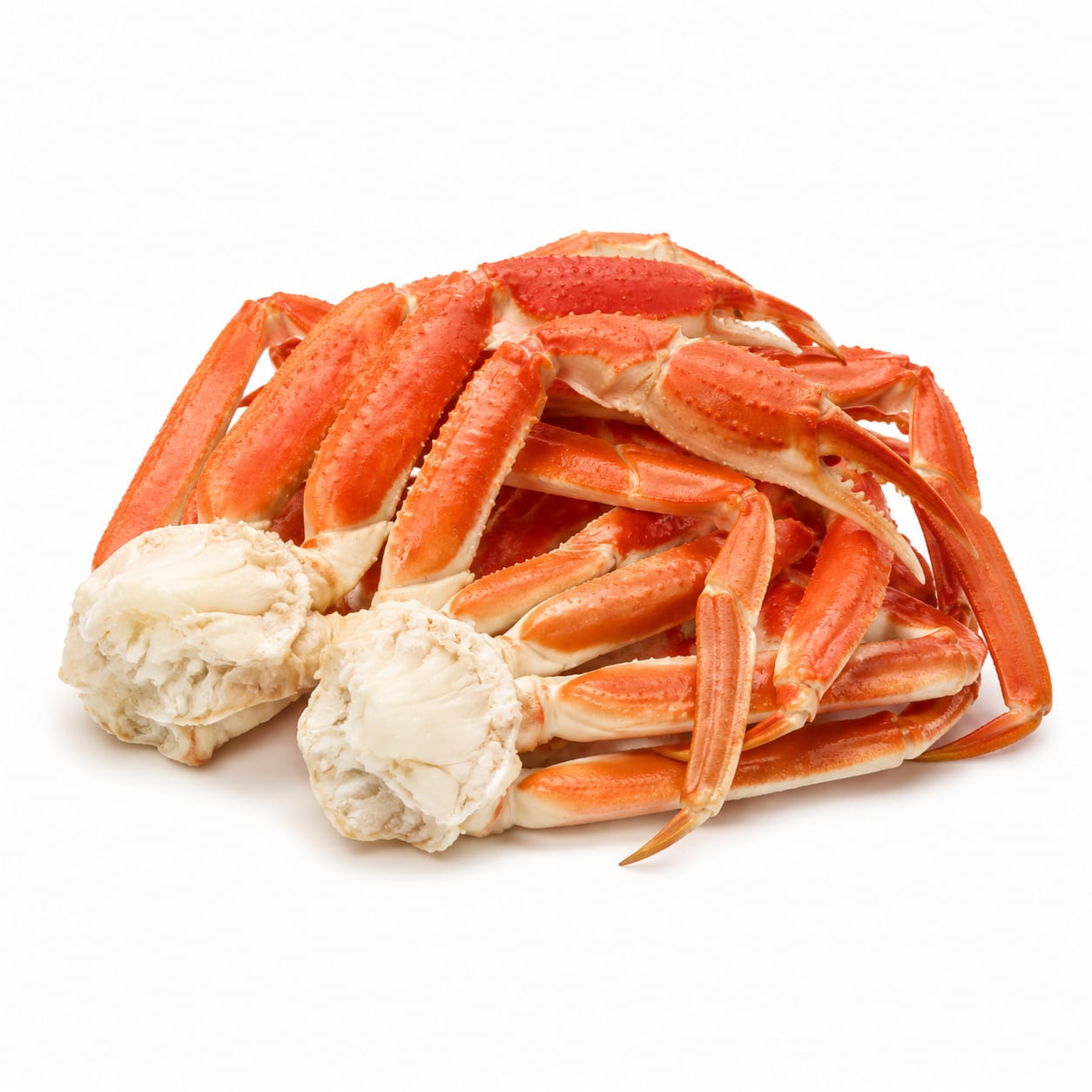
Snow Crab
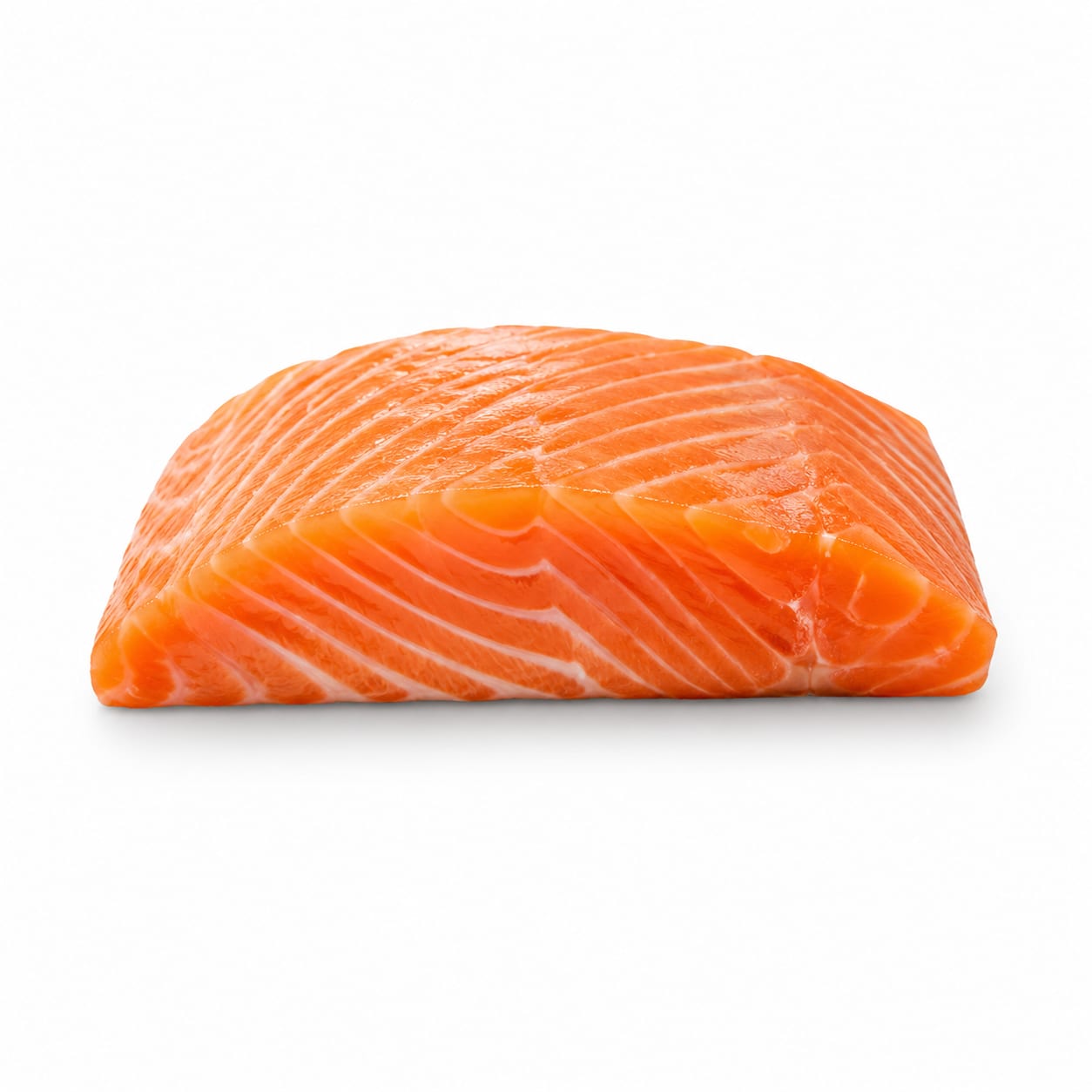
Salmon
Salmon wins for overall health impact and daily practicality, but Snow Crab is the ultimate low-calorie, low-mercury lean protein.
Salmon scores higher due to its unmatched omega-3 content and everyday versatility. Snow Crab remains an excellent lean protein but loses points for high sodium and lack of healthy fats.
You trade the heart-healing fats and lasting fullness of Salmon for the ultra-low calorie count and pristine safety profile of Snow Crab.
At a glance
Executive summary
Overall
Salmon
Healthier
Salmon
More practical
Salmon
Daily use
Salmon
Key comparison lenses
Omega-3 and anti-inflammatory fat intake
Salmon is famous for its healthy fats, while Snow Crab offers almost none, making this the biggest nutritional gap.
Calorie density versus satiety
Snow Crab is extremely lean and low-calorie, but Salmon's fat content keeps you full much longer.
Mercury and contaminant safety
Snow Crab is remarkably clean, whereas Salmon requires careful sourcing to avoid farmed fish contaminants.
Sodium load and blood pressure impact
Snow Crab carries a hidden salt burden, which is a major consideration for heart health.
Everyday practicality and cost
Salmon is an accessible weekly staple, while Snow Crab is usually a seasonal luxury.
Best choice for
Snow Crab
- Strict calorie counters
- Mercury-conscious frequent seafood eaters
- Low-fat diet followers
Salmon
- Heart health optimizers
- Those needing anti-inflammatory fats
- Meal preppers looking for lasting satiety
Least suitable for
Snow Crab
- People managing hypertension
- Those on a tight grocery budget
- Fat-adapted keto dieters
Salmon
- People avoiding dietary fat
- Those strictly avoiding farmed fish risks
Deep comparison
Dimension by dimension
Each lens scores both foods and breaks down who each option suits.
- Dimension 1 · Priority 95Salmon
Omega-3 & Anti-Inflammatory Fats
Snow Crab · 15Salmon · 98Salmon is loaded with EPA and DHA omega-3s, while Snow Crab offers almost none.
Tradeoff
You get vastly more heart-healing fats from Salmon, but Snow Crab delivers pure lean protein without the calories from fat.
Why it matters
Omega-3s are critical for brain health and reducing joint pain, which most people do not get enough of.
Real-world impact
Eating Salmon regularly can improve mental clarity and reduce stiffness, whereas Snow Crab will not move the needle on your omega-3 intake.
Snow Crab
- Keeping fat macros extremely low
- Pairing with your own healthy fat sources like avocado
Better for
- Relying on seafood for essential omega-3s
Worse for
Salmon
- Boosting heart and brain health naturally
- Reducing systemic inflammation
Better for
- Strict low-fat dietary protocols
Worse for
- Dimension 2 · Priority 85Snow Crab
Caloric Density & Satiety
Snow Crab · 90Salmon · 80Snow Crab is incredibly low in calories but high in protein, while Salmon is more calorie-dense due to its fat content.
Tradeoff
Snow Crab lets you eat a huge volume for few calories, but Salmon keeps you full much longer because fat slows digestion.
Why it matters
Satiety dictates whether you reach for snacks an hour after dinner.
Real-world impact
A Snow Crab salad leaves you light but potentially hungry sooner, whereas a Salmon fillet keeps you satisfied straight through to breakfast.
Snow Crab
- Strict calorie counting
- Eating large portions on a cut
Better for
- Sustaining energy without adding side dishes
Worse for
Salmon
- Staying full for hours
- Preventing late-night snacking
Better for
- Fitting into a very low-calorie budget
Worse for
- Dimension 3 · Priority 75Salmon
Sodium & Cholesterol Load
Snow Crab · 40Salmon · 90Snow Crab is naturally high in sodium and cholesterol, whereas Salmon is remarkably low in both.
Tradeoff
The light taste of crab meat comes with a hidden salt load, while Salmon stays naturally low in sodium without any effort.
Why it matters
High sodium intake drives up blood pressure and causes bloating, especially if you eat out often.
Real-world impact
A Snow Crab dinner can easily push your sodium intake over the edge, leaving you parched and puffy the next morning.
Snow Crab
- Replenishing electrolytes after heavy sweating
Better for
- Salt-sensitive individuals
- Those managing hypertension
Worse for
Salmon
- Managing blood pressure
- Keeping daily sodium intake low
Better for
- Needing sodium for extreme endurance sports
Worse for
- Dimension 4 · Priority 80Snow Crab
Heavy Metal & Contaminant Safety
Snow Crab · 95Salmon · 70Snow Crab is one of the cleanest seafoods available with virtually undetectable mercury, while Salmon carries a moderate contaminant burden depending on its source.
Tradeoff
Crab gives you peace of mind on mercury, but Salmon requires careful sourcing to avoid PCBs found in farmed varieties.
Why it matters
Toxins accumulate over time, so frequent seafood eaters need to be strategic about their choices.
Real-world impact
You can eat Snow Crab weekly without worrying about heavy metals, but eating farmed Salmon daily might increase your exposure to industrial pollutants.
Snow Crab
- Pregnant women seeking safe seafood
- Frequent fish eaters watching toxin load
Better for
- Avoiding shellfish allergies
Worse for
Salmon
- Getting maximum nutrient density per meal
Better for
- Minimizing exposure to farmed fish contaminants
- Strict avoidance of PCBs
Worse for
- Dimension 5 · Priority 70Salmon
Everyday Practicality & Cost
Snow Crab · 35Salmon · 85Salmon is an everyday protein you can bake in minutes, while Snow Crab is a seasonal luxury that requires cracking and often costs a premium.
Tradeoff
Snow Crab is a special-occasion treat that takes effort to eat, whereas Salmon is a convenient, affordable staple for busy weeknights.
Why it matters
The healthiest food is the one you actually cook and eat consistently.
Real-world impact
You can easily meal-prep Salmon for the week, but Snow Crab is usually reserved for restaurant dinners or holidays.
Snow Crab
- Creating a special dining experience
- Impressing dinner guests
Better for
- Budget-friendly grocery runs
- Fast weekday cooking
Worse for
Salmon
- Quick weeknight dinners
- Affordable weekly meal prep
Better for
- Creating a luxurious, hands-on feast
Worse for
Timeline
Health impact over time
Short-term
Hours to days
Snow Crab
- Provides a light, energizing meal without sluggishness
- High sodium may cause immediate water retention or bloating
Salmon
- High fat and protein content provides immediate and lasting fullness
- Rich taste feels deeply satisfying and comforting
Long-term
Months to years
Snow Crab
- Excellent for maintaining lean muscle mass with minimal fat gain
- Frequent consumption could contribute to elevated blood pressure if sodium isn't managed
Salmon
- Consistently lowers markers of inflammation and supports cardiovascular health
- Omega-3s improve cognitive longevity and joint mobility
Risk profile
Safety & processing
Both Snow Crab and Salmon are whole, natural proteins. However, farmed Salmon may be treated with colorants to achieve the signature pink hue, whereas Snow Crab is almost always sold in its natural state.
Snow Crab
High Sodium Content
mediumNaturally occurring sodium in Snow Crab can easily add up to over 800mg per serving, challenging for blood pressure management.
Shellfish Allergy
highCrustacean allergies are common and can cause severe, life-threatening anaphylactic reactions.
Cholesterol Levels
lowDietary cholesterol from shellfish impacts blood cholesterol less than saturated fat, but those with genetic hypercholesterolemia should monitor intake.
Salmon
Farmed Contaminants
mediumFarmed Salmon can contain higher levels of PCBs and dioxins compared to wild-caught, requiring careful sourcing.
Parasites
lowRaw or undercooked Salmon can carry parasites, making proper cooking or sushi-grade freezing essential.
Mercury Exposure
lowSalmon is relatively low in mercury compared to tuna, but frequent consumption of large farmed salmon can still contribute to heavy metal load.
Who wins for whom
Audience fit
Same foods, different winners depending on your goal.
children
SalmonSalmon's omega-3s are crucial for developing brains, and it is easier for kids to eat than dealing with crab shells.
daily consumption
SalmonSalmon is far more practical, affordable, and nutritionally balanced for daily meals than the sodium-heavy, expensive Snow Crab.
diabetes
SalmonThe healthy fats in Salmon slow digestion and stabilize blood sugar, whereas the high sodium in Snow Crab can exacerbate diabetic hypertension.
elderly
SalmonSalmon protects against cognitive decline and joint inflammation, which are major concerns for aging bodies.
muscle gain
SalmonSalmon provides more calories and a robust amino acid profile alongside anti-inflammatory fats, which support muscle recovery and growth.
weight loss
Snow CrabSnow Crab offers massive portions for very few calories, making it perfect for strict calorie deficits, though Salmon keeps you fuller longer.
Your move
Decision guide
Choose Snow Crab
- You are strictly counting calories and want maximum food volume
- You eat seafood very frequently and want to keep your mercury exposure near zero
- You are preparing a special occasion meal and want a hands-on, luxurious experience
Choose Salmon
- You want to boost your omega-3 intake for heart and brain health
- You need a filling, satisfying dinner that prevents late-night snacking
- You want an affordable, easy-to-cook protein for busy weeknights
Either works if
- You simply need a high-quality, complete protein source after a workout
- You are trying to replace red meat with healthier options
Avoid both if
- You have a severe shellfish or fish allergy
- You suffer from gout, as both are moderate in purines
Final recommendation
Make Salmon your go-to everyday fish for lasting fullness and anti-inflammatory benefits. Save Snow Crab for when you want a low-calorie treat or a special dining experience, just watch the salt.
Practical
Consumer tips
- 1
Rinsing Snow Crab meat under cold water can remove some surface sodium, making it a bit safer for blood pressure.
- 2
Always choose wild-caught Salmon when possible to avoid PCBs and get a better omega-6 to omega-3 ratio.
- 3
If buying canned Salmon, look for versions with bones left in for a massive calcium boost.
- 4
Pair Snow Crab with melted butter sparingly; the butter adds saturated fat that quickly negates the crab's low-calorie advantage.
- 5
Freezing Salmon to -4°F (-20°C) for 7 days kills parasites if you plan to eat it raw.