
Nutrition comparison
Snow Crab vs Oysters: Which Seafood Is Healthier for You?
Compare snow crab and oysters nutrition — protein, zinc, omega-3s, calories, and food safety. Find out which seafood fits your health goals better.
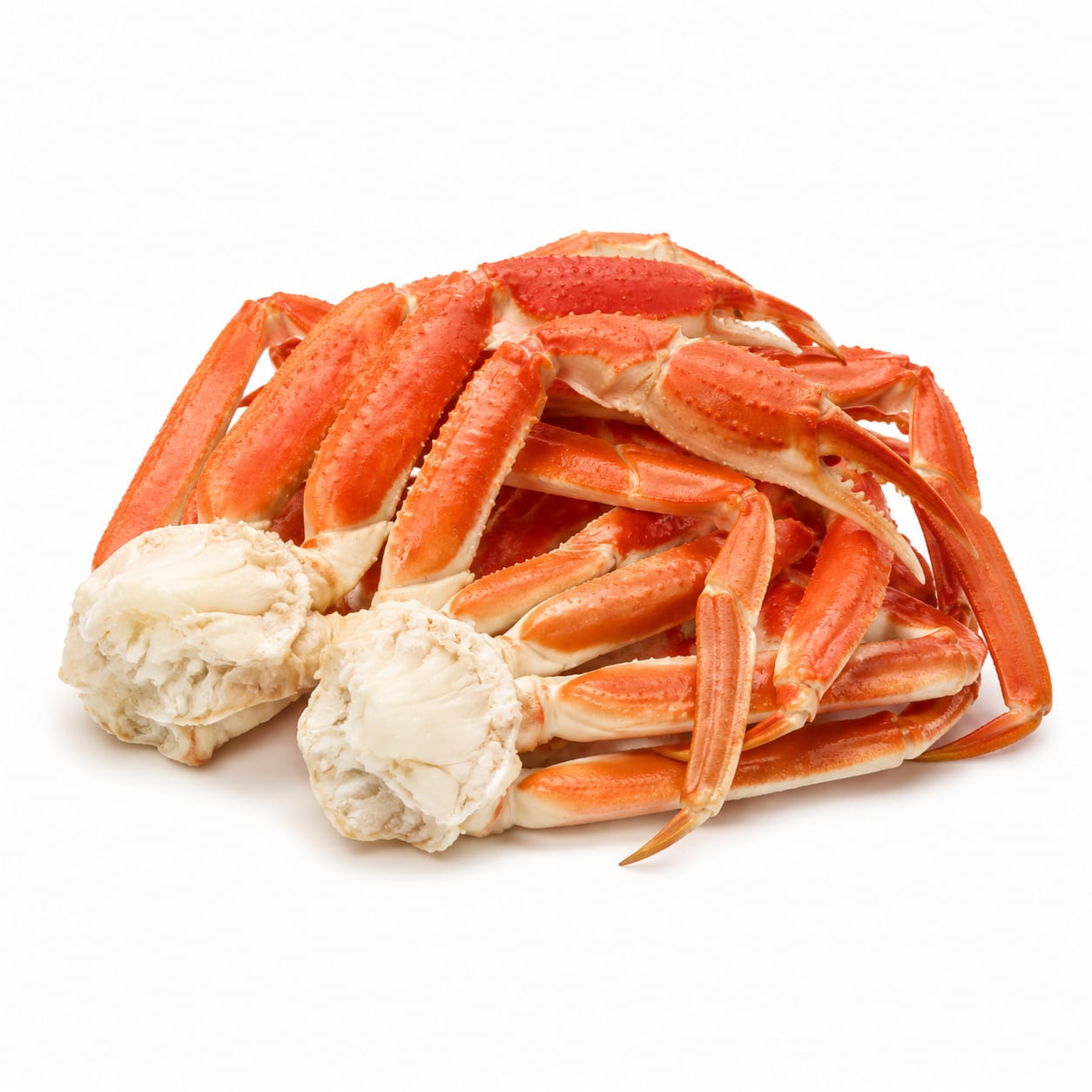
Snow Crab
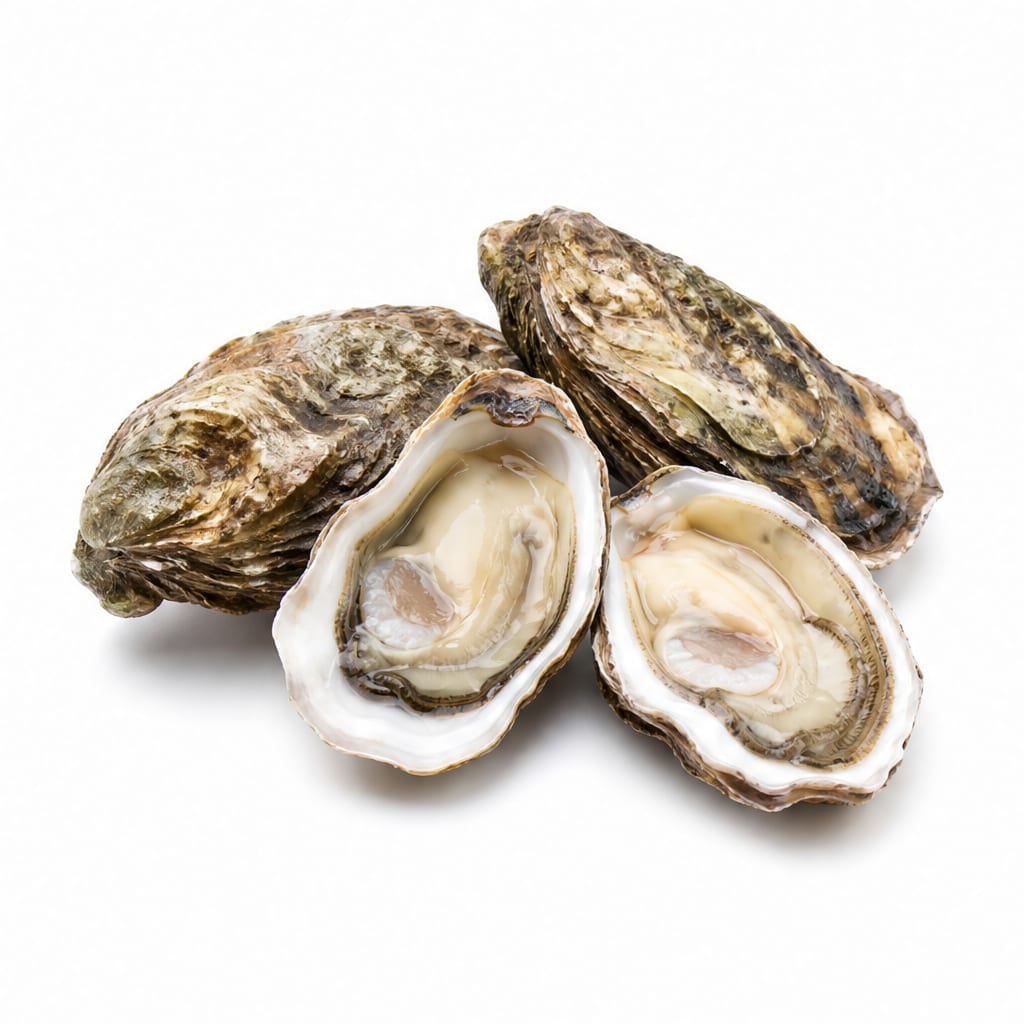
Oysters
Snow crab is your lean protein champion; oysters are your mineral and omega-3 powerhouse. Pick based on what your body needs most.
Oysters edge ahead on nutrient density and omega-3 content, but snow crab wins on safety and protein efficiency. The close scores reflect that both are excellent seafood choices serving very different nutritional purposes.
Snow crab gives you more protein with fewer calories and zero raw-food risk, while oysters deliver unmatched zinc, iron, and omega-3s but carry raw consumption dangers and an acquired taste.
At a glance
Executive summary
Overall
It depends
Healthier
It depends
More practical
Snow Crab
Daily use
Snow Crab
Key comparison lenses
mineral density comparison
Both are mineral powerhouses but in radically different ways — oysters dominate zinc and iron while snow crab leads in protein-per-calorie
raw vs cooked safety
Oysters are frequently consumed raw which introduces significant foodborne illness risk not present with snow crab
lean protein vs nutrient density
Snow crab is a lean protein source while oysters are a concentrated nutrient-dense food with more fat and unique antioxidants
luxury seafood decision
Both are premium seafood choices where cost and occasion matter — users want to know which delivers more health value per dollar
omega3 and brain health
Oysters provide more omega-3s and brain-supporting nutrients like zinc and B12 in a single serving
Best choice for
Snow Crab
- Lean protein seekers and athletes
- People avoiding raw seafood risks
- Calorie-conscious diners wanting volume
- Those who need easy-to-eat seafood
Oysters
- People with zinc or iron deficiency
- Those seeking omega-3s without fish oil supplements
- Brain health and immune support focus
- Romantic or special-occasion dining
Least suitable for
Snow Crab
- Those needing high zinc or iron intake
- Budget-conscious weekly meal planning
- People wanting omega-3 density per bite
Oysters
- Immunocompromised individuals
- Pregnant women due to raw consumption risk
- People with shellfish allergies
- Those squeamish about texture and raw seafood
Deep comparison
Dimension by dimension
Each lens scores both foods and breaks down who each option suits.
- Dimension 1 · Priority 92Snow Crab
Protein Quality and Quantity
Snow Crab · 88Oysters · 62Snow crab delivers significantly more protein per serving and per calorie, making it the better choice for muscle maintenance and satiety.
Tradeoff
You get more protein from snow crab but miss out on the broader mineral spectrum that oysters provide alongside their smaller protein contribution.
Why it matters
If you are eating seafood primarily for protein — post-workout recovery or staying full longer — snow crab is clearly the more efficient choice.
Real-world impact
A snow crab dinner leaves you more satisfied with fewer calories, while an oyster serving feels more like an appetizer than a protein source.
Snow Crab
- Post-workout muscle recovery
- Staying full on fewer calories
- High-protein low-carb diets
Better for
- Getting zinc and iron in the same meal
Worse for
Oysters
- Nutrient diversity alongside moderate protein
- Smaller protein portions with maximum mineral benefit
Better for
- Relying on oysters as a primary protein source
Worse for
- Dimension 2 · Priority 95Oysters
Mineral Density
Snow Crab · 65Oysters · 96Oysters are one of the most mineral-dense foods on the planet, especially for zinc, iron, selenium, and copper — snow crab cannot compete here.
Tradeoff
Oysters deliver extraordinary mineral content but you must manage the raw consumption risk to access those benefits safely.
Why it matters
A single serving of oysters can meet or exceed your daily zinc needs, which is critical for immune function, testosterone production, and wound healing.
Real-world impact
If you have been feeling run-down, dealing with slow recovery, or suspect mineral deficiencies, oysters are one of the fastest dietary corrections available.
Snow Crab
- Selenium intake for thyroid support
- Moderate zinc without overconsumption risk
Better for
- Meeting high zinc or iron needs efficiently
Worse for
Oysters
- Correcting zinc deficiency quickly
- Boosting iron intake for energy
- Supporting immune function during illness recovery
- Copper and B12 in a single food
Better for
- Zinc overconsumption if eaten very frequently
Worse for
- Dimension 3 · Priority 82Oysters
Omega-3 Fatty Acids
Snow Crab · 55Oysters · 85Oysters contain meaningfully more omega-3 fats per serving than snow crab, making them better for heart and brain health.
Tradeoff
Snow crab is leaner overall which helps with calorie control, but you sacrifice the anti-inflammatory benefits that come with oyster fat content.
Why it matters
Consistent omega-3 intake reduces inflammation, supports mood stability, and protects cardiovascular health over time.
Real-world impact
Eating oysters a few times a month can meaningfully contribute to your omega-3 intake without needing fish oil supplements.
Snow Crab
- Keeping fat and calorie intake minimal
- Lean diet phases
Better for
- Getting adequate omega-3s from food alone
Worse for
Oysters
- Heart health and inflammation reduction
- Brain health and cognitive support
- Reducing reliance on omega-3 supplements
Better for
- Very low-fat diet protocols
Worse for
- Dimension 4 · Priority 90Snow Crab
Food Safety and Contamination Risk
Snow Crab · 88Oysters · 52Snow crab is almost always cooked before eating, eliminating most pathogen risks. Raw oysters carry real and documented dangers.
Tradeoff
Oysters offer peak nutrient content when raw but that comes with Vibrio and norovirus risk that snow crab simply does not have.
Why it matters
Foodborne illness from raw oysters hospitalizes hundreds of people annually and can be fatal for immunocompromised individuals.
Real-world impact
You can eat snow crab with confidence at any restaurant. With oysters, you need to trust the source, storage, and your own immune status.
Snow Crab
- Immunocompromised diners
- Pregnant women
- Casual restaurant dining without worry
- Children and elderly
Better for
- Sodium content in some preparations
Worse for
Oysters
- Experienced seafood consumers who source carefully
- Cooked oyster preparations that reduce risk
Better for
- Vibrio vulnificus infection risk
- Norovirus from contaminated harvesting waters
- Risk increases in warm-water months
Worse for
- Dimension 5 · Priority 78Snow Crab
Calorie Efficiency and Satiety
Snow Crab · 84Oysters · 68Snow crab provides more food volume and protein per calorie, keeping you fuller longer. Oysters are more calorie-dense per bite due to their fat content.
Tradeoff
Snow crab is better for weight management but oysters deliver more nutrients per calorie even with the higher fat content.
Why it matters
If you are managing portions or trying to eat satisfying meals without overconsuming calories, snow crab gives you more eating volume.
Real-world impact
A snow crab leg dinner feels like a substantial meal. A half-dozen oysters feel like a starter — delicious but not filling on their own.
Snow Crab
- Weight loss or calorie-controlled eating
- Large satisfying meals with low calorie cost
- Protein-forward meal planning
Better for
- Needing calorie density for activity fuel
Worse for
Oysters
- Nutrient-dense small plates
- Appetizer or supplement-style eating
Better for
- Feeling satisfied without additional food
Worse for
- Dimension 6 · Priority 72Snow Crab
Taste Accessibility and Enjoyment
Snow Crab · 80Oysters · 55Snow crab has a mild sweet flavor most people enjoy. Oysters are polarizing — loved by enthusiasts and rejected by many for texture and brininess.
Tradeoff
Snow crab is the safer bet for sharing with others, while oysters are a niche pleasure that rewards adventurous eaters with unique flavors.
Why it matters
The healthiest food only works if you actually eat it. Snow crab has broader appeal and is easier to incorporate into meals with others.
Real-world impact
Snow crab is a crowd-pleaser at dinners. Ordering oysters for a group always results in some people passing.
Snow Crab
- Dining with picky eaters
- Introducing seafood to newcomers
- Family-style sharing
Better for
- Experiencing unique culinary intensity
Worse for
Oysters
- Adventurous eating experiences
- Impressing seafood-knowledgeable companions
- Developing palate complexity
Better for
- Texture aversion in many adults
- Strong briny flavor not universally liked
Worse for
Timeline
Health impact over time
Short-term
Hours to days
Snow Crab
- High protein keeps you full for hours after eating
- Low fat content makes it easy to digest without heaviness
- Sodium can be elevated depending on preparation method
Oysters
- Zinc boost can quickly support immune response during early illness
- B12 provides noticeable energy support if you have been deficient
- Raw oysters can cause acute gastrointestinal illness in vulnerable people
Long-term
Months to years
Snow Crab
- Consistent lean protein supports muscle preservation with aging
- Low mercury levels make it safe for regular consumption
- Selenium contributes to thyroid health over time
Oysters
- Regular omega-3 intake supports cardiovascular health long-term
- Zinc and B12 help maintain testosterone and neurological function with age
- Unique antioxidants like DHMBA may protect against oxidative stress
Risk profile
Safety & processing
Both snow crab and oysters are whole natural seafood with minimal processing. Snow crab is typically flash-cooked and frozen at sea, while oysters are usually sold live and raw. Neither carries significant additive concerns in their basic form.
Snow Crab
Sodium from brine or butter dipping
mediumSnow crab legs are often cooked in salted water and served with butter, which can push sodium and fat intake high if you are not careful with portions.
Shellfish allergy
highCrustacean shellfish allergy is one of the most common and severe food allergies, potentially causing anaphylaxis.
Mercury exposure
lowSnow crab is relatively low in mercury compared to larger predatory fish, making it safe for regular consumption.
Oysters
Vibrio vulnificus infection
highRaw oysters can harbor Vibrio bacteria, especially in warm months. Infection can be life-threatening for people with liver disease, diabetes, or weakened immunity.
Norovirus contamination
mediumOysters filter large volumes of water and can concentrate norovirus from contaminated harvesting areas.
Shellfish allergy
highMollusk shellfish allergy is separate from crustacean allergy but can still cause serious reactions in sensitive individuals.
Heavy metal accumulation
lowOysters can accumulate cadmium and lead from polluted waters, though regulated harvesting areas minimize this risk significantly.
Who wins for whom
Audience fit
Same foods, different winners depending on your goal.
children
Snow CrabMilder flavor and cooked preparation make snow crab safer and more kid-friendly. Raw oysters are not recommended for children.
daily consumption
Snow CrabLower food safety risk and more versatile preparation make snow crab more practical for regular inclusion in meals.
diabetes
Snow CrabSnow crab has virtually zero carbohydrates and more protein for blood sugar stability. Oysters contain small amounts of glycogen which slightly raises carb content.
elderly
OystersOysters provide concentrated B12, zinc, and omega-3s that support brain health and immune function in aging, provided they are cooked to reduce infection risk.
muscle gain
Snow CrabHigher protein content per serving makes snow crab more useful for muscle repair and growth, though neither is a primary muscle-building food.
weight loss
Snow CrabSnow crab provides more protein and eating volume per calorie, making it easier to stay satisfied while cutting calories.
Your move
Decision guide
Choose Snow Crab
- You want a filling lean protein meal
- You are immunocompromised or pregnant and must avoid raw seafood
- You are tracking calories and want maximum satisfaction per bite
- You are serving seafood to a group with varying tastes
- You eat seafood frequently and want a safe regular option
Choose Oysters
- You want to correct zinc or iron deficiency naturally
- You are focused on omega-3 intake without supplements
- You are a healthy adult who trusts your oyster source
- You want maximum nutrient density in a small serving
- You enjoy bold briny flavors and raw seafood experiences
Either works if
- You want high-quality protein from seafood
- You need B12 support in your diet
- You are looking for special-occasion seafood
- You want selenium for thyroid health
Avoid both if
- You have a diagnosed shellfish allergy
- You are on a strict budget for weekly protein sources
- You have gout and are sensitive to purine-rich foods
- You cannot access reliably sourced fresh seafood
Final recommendation
Eat snow crab when you want a satisfying, safe, protein-forward meal. Eat oysters when you need a mineral and omega-3 boost and can source them safely. For most people, snow crab is the smarter everyday choice while oysters are an excellent occasional nutrient supplement — cooked if you have any immune concerns.
Practical
Consumer tips
- 1
Ask for snow crab steamed without added butter to keep sodium and fat reasonable
- 2
Choose cooked oyster preparations like grilled or Rockefeller if you want the nutrients without raw seafood risk
- 3
Avoid raw oysters in warm months — the old rule about months without an R still has practical merit for Vibrio risk
- 4
Pair snow crab with lemon and herbs instead of butter for flavor without excess calories
- 5
If eating oysters for zinc, just six medium oysters exceed your daily requirement — more is not better
- 6
Freezing snow crab does not significantly degrade its protein or mineral content
- 7
Check harvesting area certifications when buying live oysters — reputable suppliers post this information