
Nutrition comparison
Snow Crab vs Lobster: Nutrition, Calories, and Health Comparison
Snow Crab vs Lobster: Which is healthier? Compare calories, protein, cholesterol, and sodium to find out which premium shellfish fits your diet best.
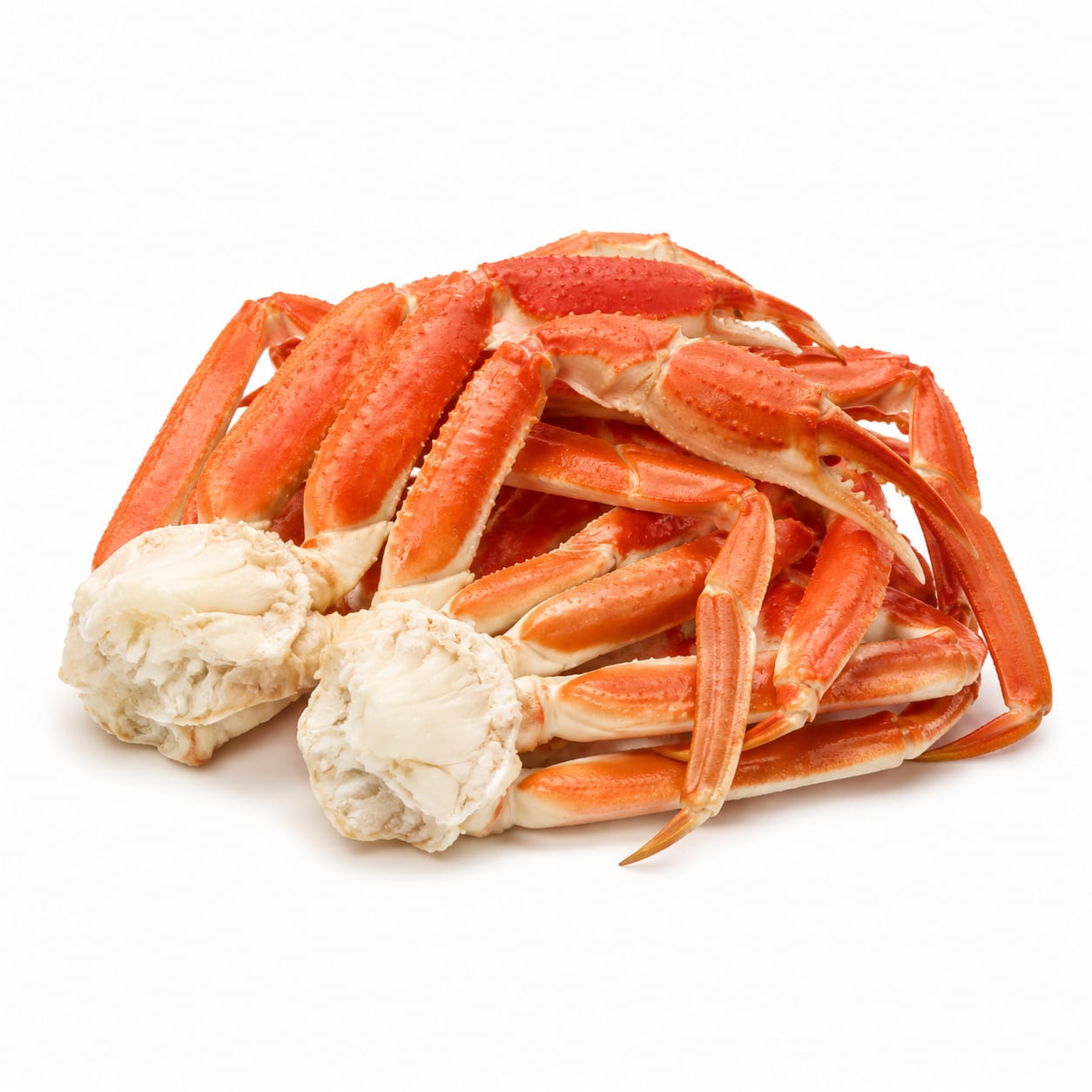
Snow Crab
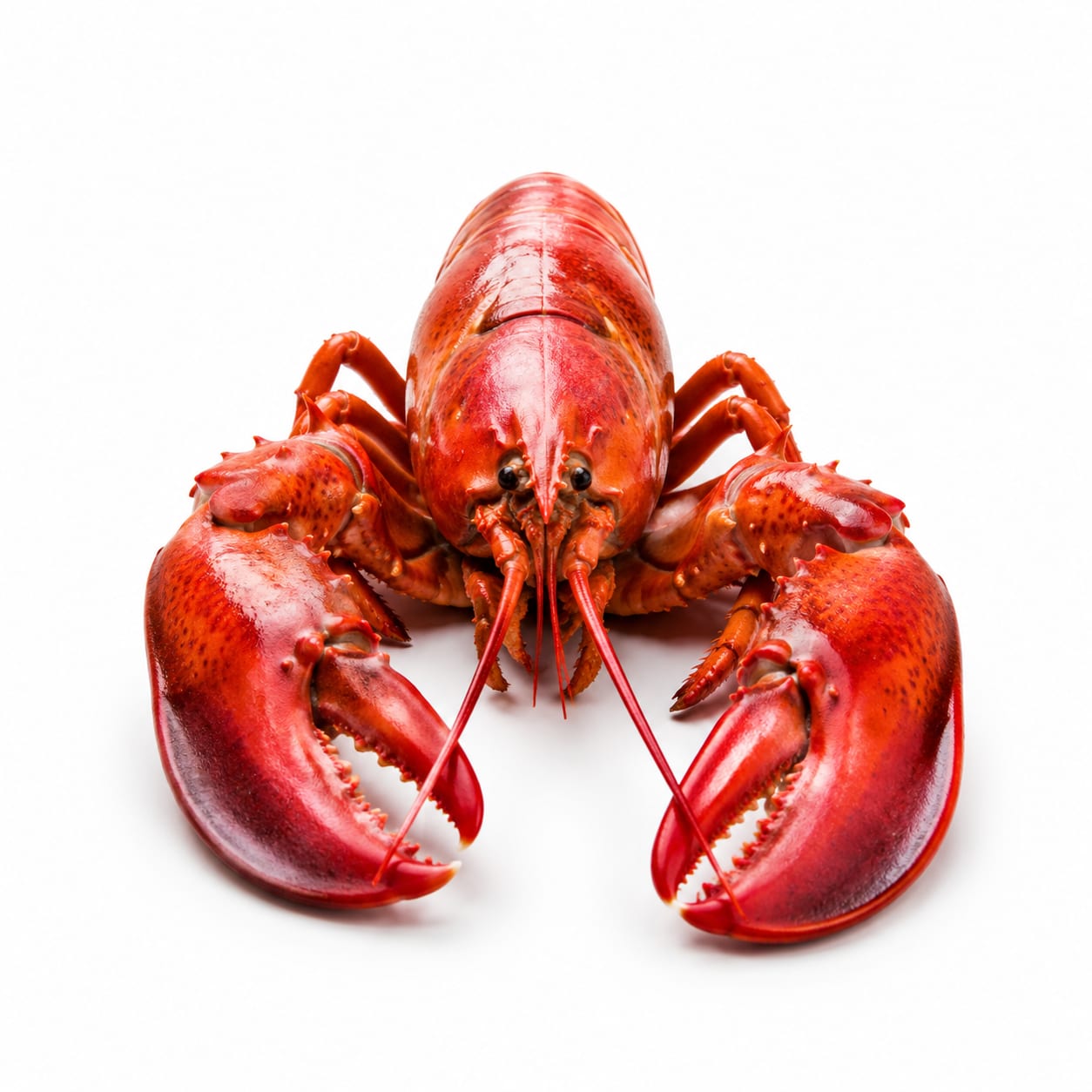
Lobster
Snow Crab is the lighter, lower-calorie choice, while Lobster delivers denser protein and a richer bite but brings more cholesterol.
Snow Crab edges ahead due to its exceptional leanness and lower cholesterol, though Lobster's superior protein density and lower sodium keep it highly competitive.
You trade the ultra-low calorie profile of Snow Crab for the heartier, higher-protein density of Lobster, while navigating sodium versus cholesterol differences.
At a glance
Executive summary
Overall
It depends
Healthier
Snow Crab
More practical
It depends
Daily use
Snow Crab
Key comparison lenses
Protein quality and density for muscle and satiety
Both are premium animal proteins, but their density and calorie-to-protein ratios differ significantly.
Calorie and fat content for weight management
Snow Crab is exceptionally lean, while Lobster carries slightly more calories and fat per serving.
Cholesterol and heart health impact
Lobster is notably higher in dietary cholesterol, which matters for those monitoring lipid levels.
Sodium load and blood pressure concerns
Snow Crab often contains high sodium levels, especially from processing brine, impacting blood pressure.
Mercury and heavy metal exposure
Both are relatively low-mercury seafood, but subtle differences exist based on their ocean habitats.
Best choice for
Snow Crab
- People strictly counting calories
- Those watching their dietary cholesterol
- Anyone wanting a high-volume, low-calorie meal
Lobster
- Those needing higher protein density per bite
- People looking for a richer, more satisfying centerpiece
- Individuals concerned about sodium intake
Least suitable for
Snow Crab
- People on strict low-sodium diets
- Those wanting a heavy, filling meal
Lobster
- People with severe high cholesterol
- Those looking for the absolute lowest calorie option
Deep comparison
Dimension by dimension
Each lens scores both foods and breaks down who each option suits.
- Dimension 1 · Priority 90Lobster
Protein Quality and Density
Snow Crab · 75Lobster · 90Lobster provides a denser, more substantial protein hit per serving compared to the lighter Snow Crab.
Tradeoff
You get more protein per bite with Lobster, but you also consume more calories to get it.
Why it matters
Denser protein helps with muscle maintenance and keeps you full longer without eating large volumes.
Real-world impact
A Lobster dinner leaves you feeling deeply satisfied, whereas Snow Crab requires eating a larger volume to feel equally full.
Snow Crab
- Lighter post-workout recovery meals
Better for
- Bodybuilders needing high protein without excessive volume
Worse for
Lobster
- Muscle gain phases
- Those with smaller appetites needing dense nutrition
Better for
- Those who prefer grazing on large volumes of food
Worse for
- Dimension 2 · Priority 85Snow Crab
Calorie and Fat Profile
Snow Crab · 95Lobster · 80Snow Crab is virtually fat-free and extremely low in calories, making it a dieter's dream.
Tradeoff
Snow Crab lacks the rich mouthfeel that the trace fats in Lobster provide.
Why it matters
Low-calorie proteins allow for flexible meal planning and easier weight management.
Real-world impact
You can eat a massive pile of Snow Crab legs without denting your daily calorie budget, while Lobster calories add up faster.
Snow Crab
- Cutting phases for weight loss
- Large, guilt-free feasts
Better for
- Those needing higher caloric intake to maintain weight
Worse for
Lobster
- Those wanting a richer, more indulgent flavor profile
Better for
- Strict calorie counters
Worse for
- Dimension 3 · Priority 70Lobster
Sodium Load
Snow Crab · 45Lobster · 70Snow Crab is surprisingly high in sodium, while Lobster is naturally much lower.
Tradeoff
Choosing the lower-calorie Snow Crab means absorbing a heavy sodium hit, which can cause bloating.
Why it matters
High sodium intake drives up blood pressure and causes water retention.
Real-world impact
After a Snow Crab feast, you might wake up feeling puffy and thirsty; Lobster is far gentler on your water balance.
Snow Crab
- Those who sweat heavily and need sodium replenishment
Better for
- Salt-sensitive individuals
Worse for
Lobster
- People with hypertension
- Those prone to bloating
Better for
- Endurance athletes needing sodium reloads
Worse for
- Dimension 4 · Priority 75Snow Crab
Cholesterol and Heart Health
Snow Crab · 85Lobster · 60Lobster contains significantly more dietary cholesterol than Snow Crab.
Tradeoff
Lobster offers richer meat but challenges those managing their blood lipid profiles.
Why it matters
While dietary cholesterol doesn't impact everyone equally, it remains a critical metric for those with heart disease risk.
Real-world impact
If your doctor told you to watch your cholesterol, Lobster should be an occasional treat, while Snow Crab is safer more often.
Snow Crab
- People with hypercholesterolemia
- Those following heart-healthy diets
Better for
- No significant downside here
Worse for
Lobster
- Healthy individuals who process cholesterol efficiently
Better for
- People on strict lipid-lowering protocols
Worse for
Timeline
Health impact over time
Short-term
Hours to days
Snow Crab
- High sodium can cause immediate water retention and thirst.
- Very light in the stomach, unlikely to cause food coma.
Lobster
- Provides a strong sense of fullness and satiety.
- Richer meat may feel heavier to digest for sensitive stomachs.
Long-term
Months to years
Snow Crab
- Excellent lean protein source for sustainable weight management.
- Frequent consumption could contribute to elevated blood pressure if sodium isn't managed.
Lobster
- Supports muscle maintenance with high-quality, dense protein.
- Regular intake might raise cholesterol levels in susceptible individuals.
Risk profile
Safety & processing
Both are whole, natural foods, but Snow Crab is often treated with sodium tripolyphosphate or brine to preserve moisture during freezing, increasing its additive and sodium load. Lobster is typically sold live or frozen with minimal additives.
Snow Crab
High sodium from processing brine
mediumCommercially frozen Snow Crab legs are often glazed with a sodium-heavy solution to prevent freezer burn.
Gout flare-ups
mediumLike all shellfish, Snow Crab contains purines that can trigger gout in susceptible individuals.
Lobster
Dietary cholesterol overload
mediumA single Lobster tail can contain over 100mg of cholesterol, which is a concern for those with lipid issues.
Shellfish allergy
highCrustacean allergies are common and can cause severe anaphylactic reactions.
Who wins for whom
Audience fit
Same foods, different winners depending on your goal.
children
LobsterLobster meat is easier for kids to chew and swallow, and lacks the high sodium load of Snow Crab.
daily consumption
Snow CrabLower cholesterol and calorie density make Snow Crab a more sustainable regular choice than Lobster.
diabetes
Snow CrabBoth have zero carbs, but Snow Crab's lower calorie profile helps with the weight management crucial for diabetes.
elderly
Snow CrabSnow Crab is exceptionally soft and easy to chew, while offering lower cholesterol for aging hearts.
muscle gain
LobsterLobster provides a denser, more concentrated source of protein per serving, aiding muscle repair.
weight loss
Snow CrabSnow Crab offers massive portion sizes for very few calories, making it highly satisfying for dieters.
Your move
Decision guide
Choose Snow Crab
- You want a massive, low-calorie feast without the guilt.
- You are watching your cholesterol closely.
- You don't mind the higher sodium and thirst that follows.
Choose Lobster
- You want a rich, dense, and highly satisfying protein centerpiece.
- You are sensitive to sodium or prone to bloating.
- You are focusing on muscle gain and need efficient protein delivery.
Either works if
- You want a zero-carb, high-quality seafood protein.
- You are celebrating a special occasion and want premium shellfish.
Avoid both if
- You have a severe shellfish or crustacean allergy.
- You suffer from gout and must limit purine intake.
Final recommendation
Choose Snow Crab for a light, volume-heavy meal that supports weight loss, and pick Lobster when you want a richer, denser protein hit with less sodium. Just remember that butter dipping negates the health benefits of both.
Practical
Consumer tips
- 1
Skip the melted butter; use lemon juice and old bay seasoning to save hundreds of calories and grams of fat.
- 2
Rinse frozen Snow Crab legs briefly under cold water to remove excess surface sodium from the processing glaze.
- 3
If buying Lobster, opt for whole live Lobster over pre-cooked tail meat to avoid hidden sodium preservatives.
- 4
Pair either shellfish with a large side of steamed vegetables to balance the meal's sodium and increase fiber.