
Nutrition comparison
Snow Crab vs Dungeness Crab: Nutrition, Protein, Mercury, and Value Compared
Snow Crab is lower in calories and mercury, but Dungeness Crab delivers more protein, better satiety, and richer minerals. See which crab wins for your health goals.
Overall winner · Dungeness Crab
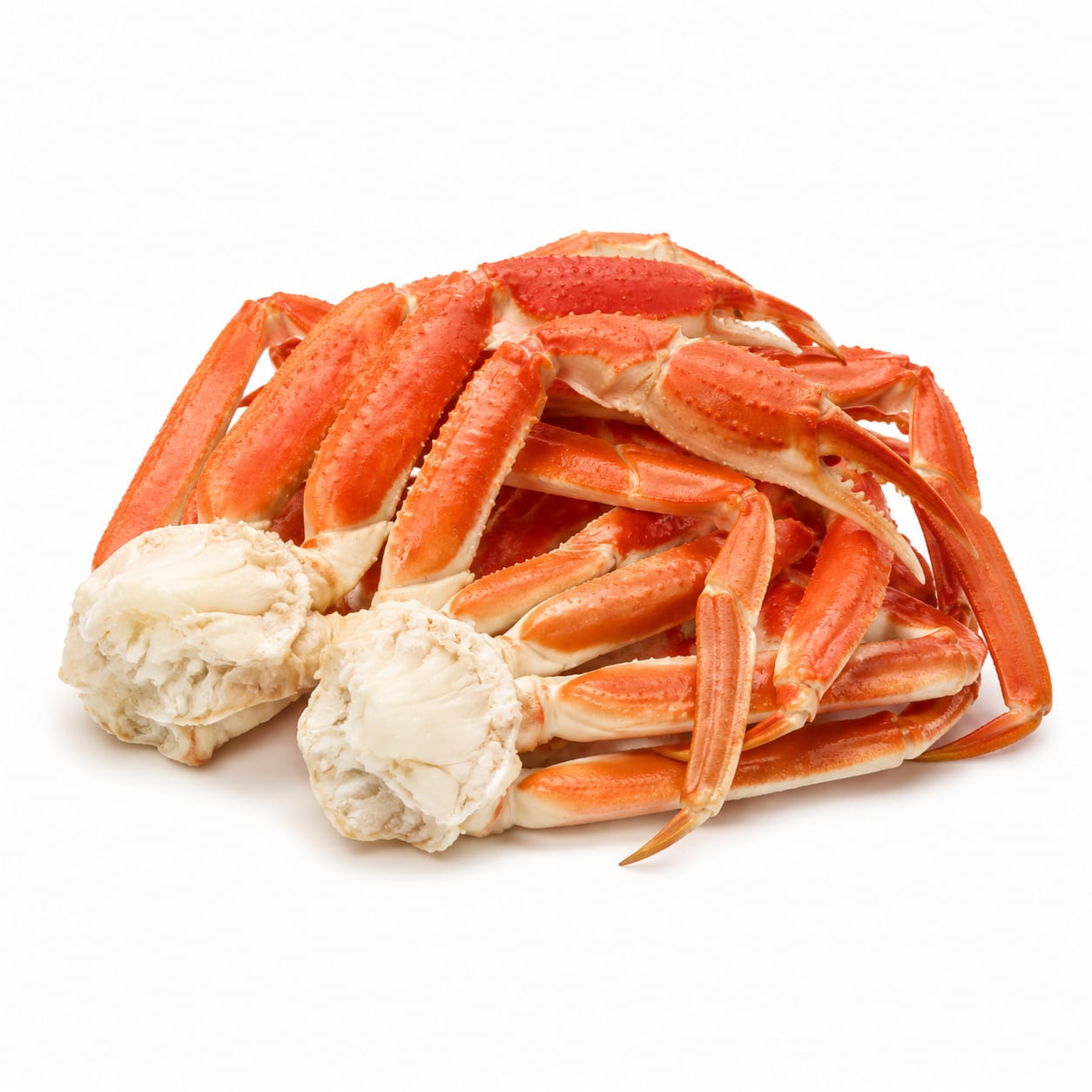
Snow Crab
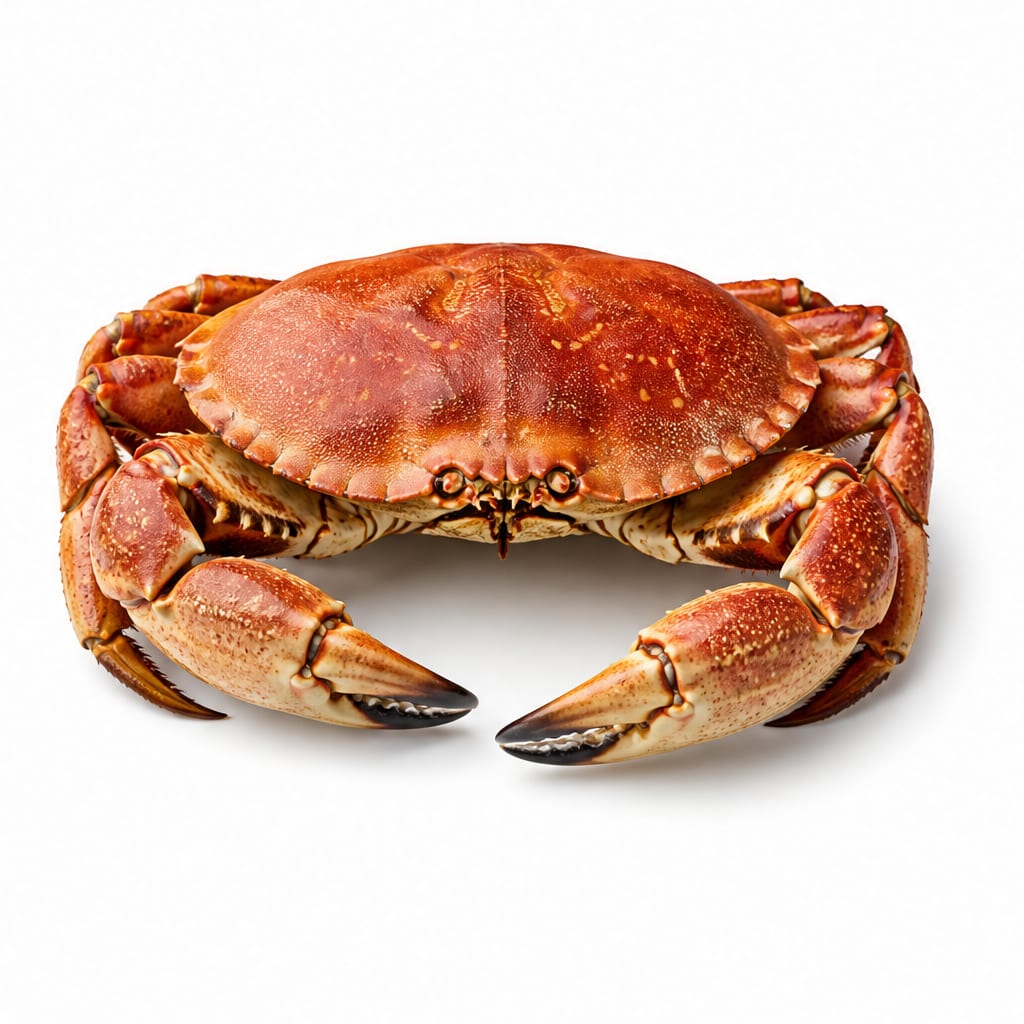
Dungeness Crab
Dungeness Crab wins on protein, satisfaction, and overall nutritional density, but Snow Crab is the lighter, lower-calorie option for portion-conscious eaters.
Dungeness scores notably higher due to superior protein content, better satiety, richer micronutrient density, and far better meat yield. Snow Crab remains a solid lean choice but feels more like a light appetizer than a complete meal.
Snow Crab gives you fewer calories and a delicate eating experience, while Dungeness gives you substantially more protein, better satiety, and richer nutrition per bite.
At a glance
Executive summary
Overall
Dungeness Crab
Healthier
Dungeness Crab
More practical
Dungeness Crab
Daily use
Dungeness Crab
Key comparison lenses
protein density and satiety
Crab is primarily eaten for lean protein; Dungeness delivers significantly more per serving
calorie efficiency for weight management
Both are lean, but Snow Crab offers fewer calories per serving while Dungeness offers more protein per calorie
mercury and heavy metal exposure
Seafood safety is a top concern for regular crab consumers
value and meat yield
Dungeness has far better meat-to-shell ratio, affecting real-world cost per edible bite
mineral density and micronutrition
Zinc, selenium, and B12 differences impact immune and energy health
Best choice for
Snow Crab
- People counting calories strictly
- Those who prefer lighter, more delicate seafood meals
- Anyone wanting smaller portions without feeling heavy
- Budget-conscious shoppers looking for lower per-pound prices
Dungeness Crab
- Athletes and active people needing more protein
- Anyone wanting a filling, satisfying meal
- Families sharing a crab feast where yield matters
- People prioritizing zinc and B12 for immune support
Least suitable for
Snow Crab
- Those needing high protein intake from meals
- People frustrated by low meat yield and picking effort
- Anyone seeking a filling main course
Dungeness Crab
- People strictly limiting calorie intake
- Those on very tight seafood budgets
- Anyone who finds rich seafood flavors overwhelming
Deep comparison
Dimension by dimension
Each lens scores both foods and breaks down who each option suits.
- Dimension 1 · Priority 95Dungeness Crab
protein content and quality
Snow Crab · 60Dungeness Crab · 90Dungeness delivers roughly double the protein per serving, making it far more useful for muscle maintenance and meal satisfaction.
Tradeoff
Snow Crab is leaner but leaves you hungrier sooner; Dungeness fills you up but comes with slightly more calories.
Why it matters
Protein from crab is highly bioavailable and supports muscle, immunity, and satiety. A low-protein seafood meal often requires supplementation with other proteins.
Real-world impact
A Dungeness Crab leg portion feels like a real meal. Snow Crab often leaves you reaching for something else within an hour.
Snow Crab
- Light eaters who prefer smaller protein portions
- Anyone pairing crab with other protein sources
Better for
- Bodybuilders or athletes with high protein targets
- People relying on one seafood dish for satiety
Worse for
Dungeness Crab
- Post-workout meals needing solid protein recovery
- Older adults fighting muscle loss
- Anyone eating crab as a standalone dinner
Better for
- Those who find high-protein meals too filling
Worse for
- Dimension 2 · Priority 85Snow Crab
calorie efficiency
Snow Crab · 88Dungeness Crab · 75Snow Crab offers excellent protein-to-calorie ratio for its leanness, making it ideal for calorie-restricted diets.
Tradeoff
You eat fewer calories with Snow Crab but also get less total nutrition and satisfaction per sitting.
Why it matters
For weight loss, every calorie matters. Snow Crab lets you enjoy seafood with minimal caloric impact.
Real-world impact
If you are tracking calories carefully, Snow Crab fits more easily into a 400-calorie meal plan without adjustments.
Snow Crab
- Strict calorie counters
- Intermittent fasters breaking a fast lightly
- People combining crab with calorie-dense sides like butter
Better for
- Anyone who feels unsatisfied after low-calorie meals
- Endurance athletes needing calorie density
Worse for
Dungeness Crab
- Active people who can afford the extra calories for more nutrition
- Those who prefer one satisfying meal over grazing
Better for
- People on 1200-calorie plans where every calorie is budgeted
Worse for
- Dimension 3 · Priority 80Dungeness Crab
mineral density
Snow Crab · 68Dungeness Crab · 86Dungeness packs more zinc, copper, and B12 per serving, supporting immunity and energy more effectively.
Tradeoff
Snow Crab still provides solid selenium and B12, but you need to eat more to match Dungeness on most minerals.
Why it matters
Zinc is critical for immune function and wound healing. B12 supports energy and nerve health. These minerals are often undersupplied in typical diets.
Real-world impact
Regular Dungeness consumption meaningfully supports immune resilience and daily energy in a way Snow Crab cannot match portion-for-portion.
Snow Crab
- People who get zinc and B12 from other sources already
- Those eating crab occasionally as a treat, not a staple
Better for
- People depending on crab as a primary mineral source
Worse for
Dungeness Crab
- Anyone with marginal zinc or B12 intake
- Older adults needing immune and energy support
- Pescatarians relying on seafood for micronutrients
Better for
- Those with copper sensitivity or Wilson's disease
Worse for
- Dimension 4 · Priority 80Snow Crab
mercury and contaminant safety
Snow Crab · 85Dungeness Crab · 78Both crabs are low-mercury seafood choices, but Snow Crab tends to have slightly lower mercury levels due to smaller size and shorter lifespan.
Tradeoff
The difference is small and both are considered safe for regular consumption by FDA standards.
Why it matters
Even small mercury differences matter for pregnant women, children, and frequent seafood eaters accumulating exposure over time.
Real-world impact
If you eat crab multiple times weekly, Snow Crab is marginally safer for long-term heavy consumption. For occasional dining, both are equally fine.
Snow Crab
- Pregnant women being cautious about mercury
- Children eating crab regularly
- Heavy seafood consumers managing cumulative mercury intake
Better for
- No significant downside here
Worse for
Dungeness Crab
- Occasional crab eaters where mercury accumulation is negligible
- Adults with moderate seafood intake
Better for
- Very frequent crab consumers who want the lowest possible mercury load
Worse for
- Dimension 5 · Priority 78Dungeness Crab
value and meat yield
Snow Crab · 55Dungeness Crab · 88Dungeness has dramatically better meat yield per crab, making it far more satisfying and cost-effective per edible ounce.
Tradeoff
Snow Crab legs are fun to eat but deliver less actual food for your effort and money.
Why it matters
Low yield means more work, more waste, and higher true cost per serving of protein you actually eat.
Real-world impact
A single Dungeness Crab can feed one person generously. Snow Crab clusters often leave you wanting more after all the picking is done.
Snow Crab
- People who enjoy the ritual of picking crab as a social activity
- Appetizer or starter portions where light eating is intentional
Better for
- Hungry diners expecting a full meal
- People annoyed by high shell-to-meat ratio
Worse for
Dungeness Crab
- Families wanting maximum food from each crab purchased
- Anyone frustrated by paying for shell weight
- Dinners where crab is the main event, not a side
Better for
- No real downside unless you prefer the picking experience itself
Worse for
- Dimension 6 · Priority 72Snow Crab
sodium load
Snow Crab · 80Dungeness Crab · 68Snow Crab naturally contains less sodium per serving, which matters for blood pressure management.
Tradeoff
Both crabs are moderate-sodium foods, but Dungeness edges higher, especially in prepared or restaurant settings.
Why it matters
Sodium sensitivity affects blood pressure directly. Even natural sodium in seafood adds up when portions are large.
Real-world impact
If you are watching sodium closely, Snow Crab gives you more room before hitting daily limits, especially if you dip in butter or sauce.
Snow Crab
- People with hypertension managing sodium intake
- Anyone eating crab with high-sodium accompaniments like soy sauce
Better for
- No significant downside
Worse for
Dungeness Crab
- Active individuals who sweat heavily and need more sodium
- People eating crab unadorned without salty sides
Better for
- Sodium-sensitive individuals tracking every milligram
Worse for
Timeline
Health impact over time
Short-term
Hours to days
Snow Crab
- Light, clean feeling after eating without heaviness
- Quick digestion due to low fat and calorie content
- May feel hungry again within 1-2 hours if eaten alone
Dungeness Crab
- Strong satiety and fullness lasting several hours
- Sustained energy from higher protein and mineral content
- May feel overly full if you eat a large portion with rich sides
Long-term
Months to years
Snow Crab
- Supports weight maintenance through lower calorie intake
- Adequate selenium for thyroid and antioxidant protection
- Risk of under-consuming protein if relied on as a primary protein source
Dungeness Crab
- Better long-term muscle preservation from higher protein intake
- Stronger immune support from zinc and B12 density
- Slightly higher sodium exposure if consumed very frequently
Risk profile
Safety & processing
Both Snow Crab and Dungeness Crab are whole, minimally processed seafood. Most are simply cooked and frozen at sea. Watch out for pre-seasoned or pre-soaked versions that add sodium and phosphates.
Snow Crab
mercury exposure
lowSnow Crab is a low-mercury seafood choice. Occasional consumption poses minimal risk even for sensitive populations.
spoilage from improper thawing
mediumMost Snow Crab is sold pre-cooked and frozen. Improper thawing at room temperature can promote bacterial growth.
allergic reactions
mediumShellfish allergies can be severe. Cross-contamination in restaurants is a real concern for allergic individuals.
Dungeness Crab
mercury exposure
lowDungeness Crab is low in mercury but slightly higher than Snow Crab due to larger size. Still well within safe limits for regular consumption.
domoic acid contamination
mediumDungeness Crab from certain West Coast waters can occasionally carry domoic acid from algal blooms. Regulatory monitoring catches most issues, but it is worth checking advisories during bloom seasons.
allergic reactions
mediumSame shellfish allergy risk as Snow Crab. Reactions can be life-threatening and require complete avoidance.
Who wins for whom
Audience fit
Same foods, different winners depending on your goal.
children
Snow CrabLower mercury and smaller portion sizes make Snow Crab a slightly safer choice for kids, though both are acceptable in moderation.
daily consumption
Dungeness CrabDungeness offers more complete nutrition per serving, making it a better staple if you eat crab regularly. Snow Crab works better as an occasional light meal.
diabetes
Dungeness CrabBoth have zero carbs, but Dungeness's higher protein improves satiety and reduces the likelihood of overeating other foods later.
elderly
Dungeness CrabOlder adults benefit more from Dungeness's higher protein and B12 content, which combat age-related muscle loss and B12 deficiency.
muscle gain
Dungeness CrabDungeness provides substantially more protein per serving, which is the critical factor for muscle repair and growth.
weight loss
Snow CrabSnow Crab's lower calorie count makes it easier to fit into a deficit, though you may need to add vegetables or lean sides to feel satisfied.
Your move
Decision guide
Choose Snow Crab
- You are strictly counting calories or following a low-calorie meal plan
- You prefer delicate, sweet seafood flavors over rich ones
- You are feeding children and want the lowest mercury option
- You enjoy the social experience of picking crab legs as a group activity
Choose Dungeness Crab
- You want a filling, protein-rich meal that stands on its own
- You are an athlete or active person prioritizing protein intake
- You care about getting the most edible meat for your money
- You want maximum zinc, B12, and immune-supporting minerals per bite
Either works if
- You are eating crab as an occasional treat rather than a dietary staple
- You have no specific calorie, protein, or sodium constraints
- You are serving crab alongside other proteins and sides
Avoid both if
- You have a diagnosed shellfish allergy
- You are following a strict low-sodium diet and cannot accommodate moderate natural sodium
- You are pregnant and your doctor has advised limiting all seafood intake
Final recommendation
For most people, Dungeness Crab is the better nutritional choice because it delivers more protein, more minerals, and better satiety per serving. Choose Snow Crab when calories are your primary concern or when you want a lighter, more delicate eating experience. Both are clean, low-mercury seafood options that beat most other protein sources on naturalness.
Practical
Consumer tips
- 1
Check for West Coast shellfish advisories before buying Dungeness, especially during summer algal bloom seasons
- 2
Avoid pre-soaked or sodium-injected crab legs, which can double the sodium content
- 3
Thaw frozen crab in the refrigerator overnight, never at room temperature, to prevent bacterial growth
- 4
Skip the butter dipping if watching calories or sodium — a squeeze of lemon gives flavor without the cost
- 5
Buy Dungeness whole when possible for best value; pre-picked meat costs significantly more per ounce
- 6
If choosing Snow Crab, pair it with a protein side like edamame or a bean salad to make a complete meal