
Nutrition comparison
Snow Crab vs Crawfish: Nutrition, Cholesterol, and Health Comparison
Compare Snow Crab and Crawfish side by side — protein, cholesterol, calories, safety, and value. Find out which shellfish is better for heart health, weight loss, and your budget.
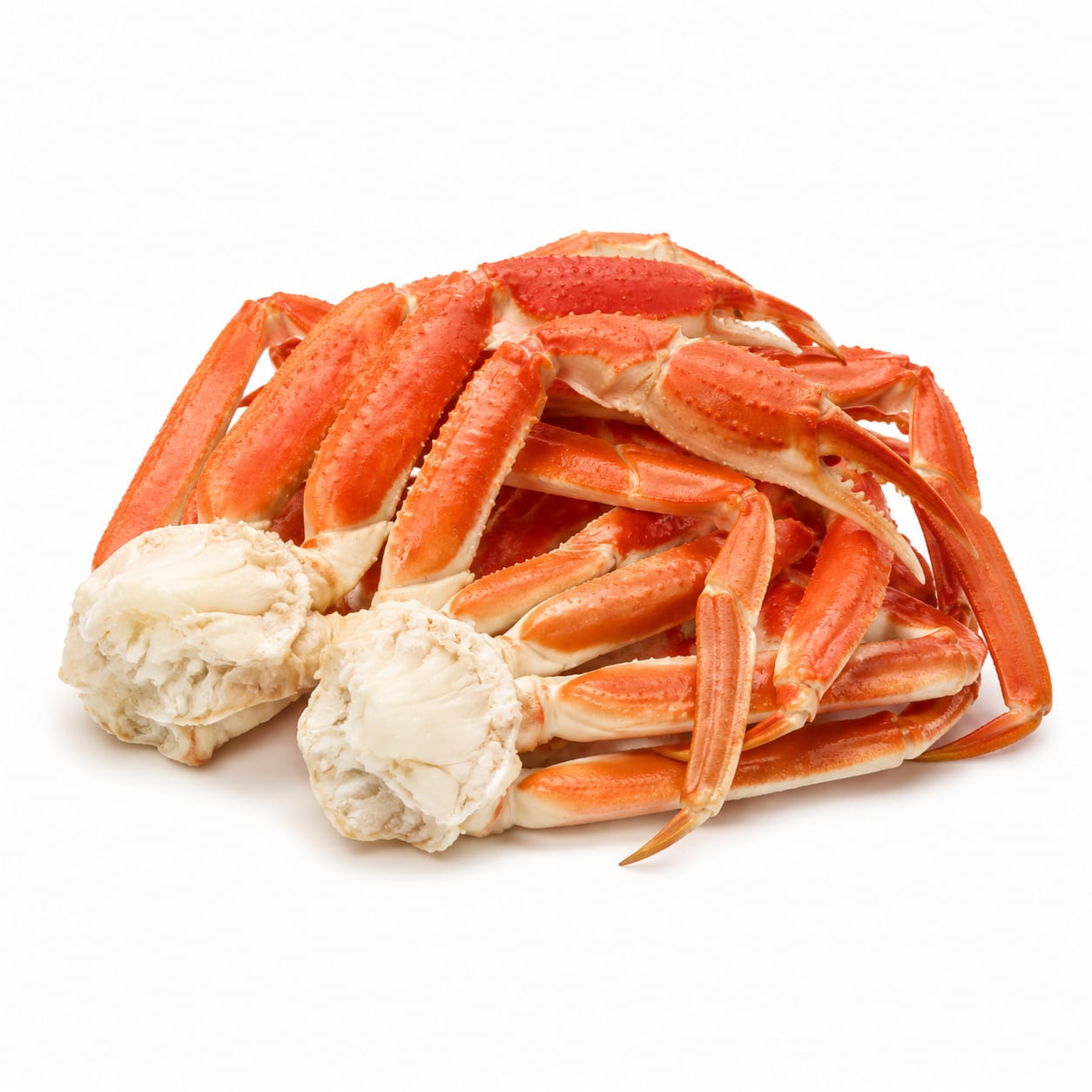
Snow Crab
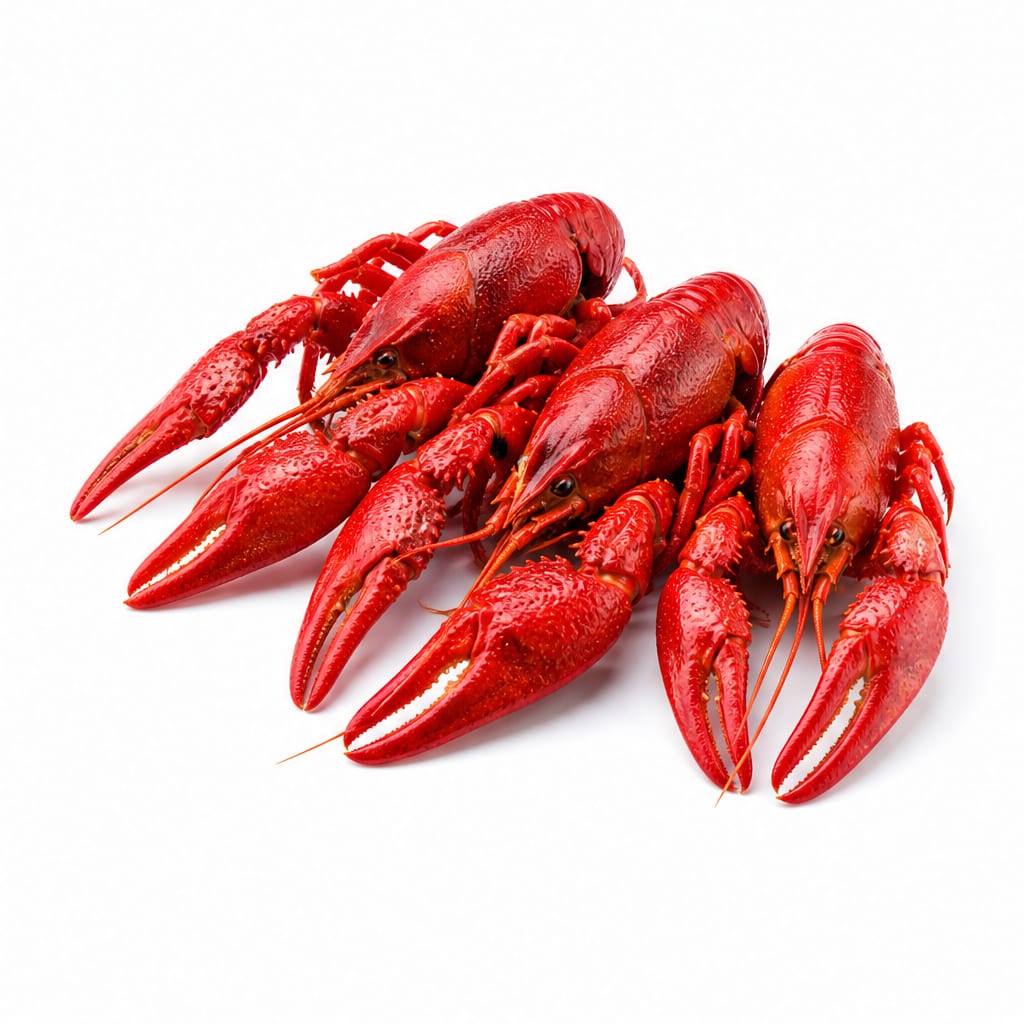
Crawfish
Snow Crab is the leaner, lower-cholesterol choice with cleaner sourcing, while Crawfish offers more affordability and certain B vitamins at the cost of higher cholesterol and farm-raising concerns.
Snow Crab wins on leanness, cholesterol, and sourcing cleanliness, but Crawfish stays competitive on affordability, flavor intensity, and B-vitamin content. The gap reflects health tradeoffs more than quality differences.
Snow Crab gives you cleaner, leaner protein at a premium price — Crawfish gives you budget-friendly flavor with more cholesterol and farm-sourcing variables.
At a glance
Executive summary
Overall
It depends
Healthier
Snow Crab
More practical
Crawfish
Daily use
Snow Crab
Key comparison lenses
lean protein comparison for seafood lovers
Both are shellfish prized for protein, but they differ significantly in calorie density, cholesterol, and mineral profiles
heart health and cholesterol tradeoffs
Crawfish carries notably more dietary cholesterol, which matters for cardiovascular-conscious eaters
sodium and preparation awareness
Both are often boiled in heavily salted water, making preparation method a critical health factor
value and accessibility for regular meals
Snow Crab is typically more expensive and less available, while crawfish is budget-friendly and regional
contamination and sourcing safety
Wild-caught vs farm-raised differences affect heavy metal exposure and pollutant risk
Best choice for
Snow Crab
- people managing cholesterol or heart conditions
- anyone prioritizing lean, low-calorie protein
- those concerned about farm-raised seafood contaminants
- eaters wanting a lighter, cleaner-tasting shellfish experience
Crawfish
- budget-conscious seafood lovers
- anyone cooking Cajun or Southern-style boils
- people wanting higher B-vitamin intake from shellfish
- those who prefer richer, more robust shellfish flavor
Least suitable for
Snow Crab
- anyone on a tight grocery budget
- people who need large portions to feel satisfied
- those who find delicate seafood unsatisfying
- cooks without access to quality seafood markets
Crawfish
- people strictly limiting dietary cholesterol
- those avoiding farm-raised seafood
- anyone sensitive to high-sodium boil seasonings
- eaters concerned about freshwater pollutant exposure
Deep comparison
Dimension by dimension
Each lens scores both foods and breaks down who each option suits.
- Dimension 1 · Priority 93Snow Crab
Protein Quality and Leanness
Snow Crab · 90Crawfish · 74Snow Crab delivers more protein per calorie with almost no fat, making it one of the leanest animal proteins available. Crawfish is still protein-rich but carries more fat and calories per serving.
Tradeoff
Snow Crab is the cleaner protein source, but Crawfish feels more satisfying due to its slightly higher fat content.
Why it matters
If you are tracking calories or prioritizing lean protein for weight management, Snow Crab is clearly superior. Crawfish still works but adds more calories for the same protein hit.
Real-world impact
A plate of Snow Crab legs satisfies protein needs with minimal calorie cost. Crawfish gives you a fuller, richer eating experience but at a higher caloric price.
Snow Crab
- calorie-conscious eaters
- lean bulk diets
- post-workout light meals
Better for
- those who need calorie-dense meals
- people who find very lean seafood boring
Worse for
Crawfish
- people who find lean seafood unsatisfying
- anyone wanting richer mouthfeel without adding butter
Better for
- strict calorie counters
- anyone cutting dietary fat aggressively
Worse for
- Dimension 2 · Priority 90Snow Crab
Cholesterol and Heart Health
Snow Crab · 85Crawfish · 55Crawfish contains roughly 2-3 times more cholesterol per serving than Snow Crab. This is the most significant nutritional gap between the two.
Tradeoff
Snow Crab is genuinely heart-friendly. Crawfish is fine in moderation but becomes problematic if shellfish is a frequent meal.
Why it matters
For anyone monitoring cardiovascular risk, this difference is meaningful. Dietary cholesterol affects people differently, but the gap is large enough to matter for most.
Real-world impact
Eating Crawfish several times a week could push cholesterol intake notably higher. Snow Crab lets you enjoy shellfish regularly without that concern.
Snow Crab
- people with elevated cholesterol
- anyone with family history of heart disease
- regular shellfish eaters who need a safer default
Better for
- virtually no downside here for heart health
Worse for
Crawfish
- people with no cholesterol concerns
- occasional indulgers who eat shellfish rarely
Better for
- anyone on a heart-healthy diet
- people taking statins or managing lipid levels
Worse for
- Dimension 3 · Priority 82It depends
Mineral and Vitamin Density
Snow Crab · 78Crawfish · 80Snow Crab excels in zinc, copper, and vitamin B12. Crawfish provides more B vitamins overall, especially niacin and folate, plus more phosphorus.
Tradeoff
Snow Crab is better for immune support and nerve health. Crawfish edges ahead for energy metabolism and bone-supporting minerals.
Why it matters
Both are micronutrient-rich, but the specific minerals differ enough that your health priorities should guide the choice.
Real-world impact
If you need immune and nerve support, Snow Crab is the pick. If energy and recovery matter more, Crawfish has a slight edge.
Snow Crab
- immune system support
- nerve health maintenance
- zinc-deficient diets
Better for
- those specifically needing more niacin or folate
Worse for
Crawfish
- energy metabolism support
- bone health through phosphorus
- pregnancy-adjacent nutrition with folate
Better for
- anyone prioritizing zinc intake
Worse for
- Dimension 4 · Priority 86It depends
Sodium and Preparation Impact
Snow Crab · 65Crawfish · 60Both shellfish are naturally low in sodium, but both are almost always served in high-sodium preparations — boils, butter dips, seasoned broths.
Tradeoff
The preparation method matters more than the seafood itself. A Cajun crawfish boil and a crab leg butter dip both deliver sodium bombs.
Why it matters
Neither food is inherently high-sodium, but real-world eating patterns make both risky for salt-sensitive people. You must control preparation to get the health benefit.
Real-world impact
Restaurant crab legs with butter and a backyard crawfish boil both easily exceed a full day's sodium. Steaming either at home with light seasoning is the only heart-safe approach.
Snow Crab
- home cooks who steam with minimal salt
- people who eat crab with lemon instead of butter
Better for
- restaurant crab leg lovers who dunk in butter
- anyone eating at buffet-style seafood spots
Worse for
Crawfish
- anyone controlling their own boil seasoning levels
Better for
- Cajun boil enthusiasts
- anyone eating at crawfish boils with heavy seasoning packets
Worse for
- Dimension 5 · Priority 80Snow Crab
Sourcing and Contamination Safety
Snow Crab · 82Crawfish · 62Snow Crab is almost exclusively wild-caught from cold, deep ocean waters, reducing farm-contaminant risk. Crawfish is largely farm-raised in freshwater systems with more variable water quality.
Tradeoff
Wild-caught Snow Crab offers cleaner sourcing but costs more. Farm-raised Crawfish is cheaper but carries more pollutant uncertainty.
Why it matters
Freshwater farm-raised shellfish can accumulate pesticides, agricultural runoff, and microplastics at higher rates than deep-water wild catch.
Real-world impact
If you eat shellfish frequently, Snow Crab's wild-caught status gives more consistent safety. Crawfish from reputable domestic farms is fine, but cheaper imported sources carry more risk.
Snow Crab
- frequent shellfish consumers
- anyone concerned about freshwater contaminants
- people prioritizing wild-caught seafood
Better for
- budget-limited shoppers who cannot verify sourcing
Worse for
Crawfish
- occasional eaters sourcing from trusted domestic farms
Better for
- anyone eating imported crawfish from unknown sources
- people worried about agricultural runoff exposure
Worse for
- Dimension 6 · Priority 75Crawfish
Value and Accessibility
Snow Crab · 40Crawfish · 85Crawfish is significantly more affordable and regionally accessible, especially in the Southern US. Snow Crab is a premium protein with limited availability and high per-pound cost.
Tradeoff
Crawfish makes shellfish realistic for weekly meals. Snow Crab is more of a special-occasion luxury for most households.
Why it matters
Nutrition only works if you can afford it and find it. Crawfish wins on practical sustainability for regular eating.
Real-world impact
A crawfish boil feeds a crowd affordably. Snow Crab legs for a family dinner can easily cost three to four times as much.
Snow Crab
- special occasion meals
- anyone with flexible seafood budgets
Better for
- anyone feeding a family on a budget
- people without access to quality seafood counters
Worse for
Crawfish
- weekly meal planning
- large gatherings and family boils
- budget-conscious protein sourcing
Better for
- fine dining or upscale presentation needs
Worse for
Timeline
Health impact over time
Short-term
Hours to days
Snow Crab
- Light, clean energy with minimal digestive burden
- Low risk of post-meal heaviness due to near-zero fat content
- Satiety depends on portion size — lean protein alone may not feel filling enough
Crawfish
- More satisfying mouthfeel and fullness from slightly higher fat content
- Higher cholesterol intake noticeable in blood panels if eaten frequently
- Richer flavor may trigger overeating in boil settings with alcohol
Long-term
Months to years
Snow Crab
- Consistent lean protein supports healthy weight maintenance
- Low cholesterol intake protects cardiovascular health over decades
- Wild-caught sourcing reduces cumulative contaminant exposure
Crawfish
- Regular consumption may elevate cholesterol if portions are large
- Farm-raised sourcing introduces low-level contaminant accumulation risk over years
- B-vitamin richness supports long-term energy metabolism and nerve health
Risk profile
Safety & processing
Both Snow Crab and Crawfish are whole, minimally processed foods in their natural state. The real additive concern comes from preparation — boil seasoning mixes, butter sauces, and preservatives in pre-cooked or frozen products. Fresh or frozen unseasoned versions of both are clean choices.
Snow Crab
Parasitic or bacterial contamination from raw or undercooked crab
mediumProper cooking eliminates this risk entirely. Never eat raw Snow Crab.
Sodium loading from restaurant preparations
mediumCrab legs served with drawn butter and seasoned steaming liquid can deliver extreme sodium doses.
Allergic reactions in shellfish-sensitive individuals
highCrab is a major shellfish allergen. Reactions can be severe and life-threatening.
Crawfish
Freshwater contaminant exposure from farm-raised sourcing
mediumCrawfish farms can be exposed to agricultural runoff, pesticides, and microplastics. Domestic farms are regulated but imported sources vary widely.
High sodium from boil seasoning packets
highCommercial crawfish boil seasonings are extremely sodium-dense. A single boil serving can exceed daily sodium limits.
Cholesterol accumulation with frequent consumption
mediumCrawfish is notably high in dietary cholesterol. Regular large portions may impact blood lipid profiles over time.
Allergic reactions in shellfish-sensitive individuals
highSame major allergen category as crab. Cross-reactivity is common among shellfish.
Who wins for whom
Audience fit
Same foods, different winners depending on your goal.
children
CrawfishCrawfish is more affordable for family meals and the richer flavor is often more appealing to kids, though both should be served with caution due to shellfish allergy risk.
daily consumption
Snow CrabSnow Crab's lower cholesterol and wild-caught status make it more sustainable as a regular protein. Crawfish is better reserved for occasional meals due to cholesterol load.
diabetes
Snow CrabBoth are zero-carb foods that will not spike blood sugar, but Snow Crab's lower cholesterol profile makes it safer for diabetics who often have concurrent cardiovascular risk.
elderly
Snow CrabLower cholesterol, cleaner sourcing, and easier-to-extract meat make Snow Crab a safer choice for older adults managing heart health and needing gentle protein.
muscle gain
Snow CrabHigher protein density per calorie makes Snow Crab more efficient for lean muscle building, though both work well in a high-protein diet.
weight loss
Snow CrabSnow Crab provides more protein per calorie with almost no fat, making it easier to stay within calorie targets while feeling satisfied.
Your move
Decision guide
Choose Snow Crab
- You are managing cholesterol or heart disease risk
- You want the leanest possible shellfish protein
- You prioritize wild-caught seafood over farm-raised
- You are willing to pay more for cleaner sourcing and lower fat
- You eat shellfish frequently and need a safer default option
Choose Crawfish
- You are cooking for a crowd on a budget
- You want authentic Cajun or Southern-style boils
- You have no cholesterol concerns and prefer richer flavor
- You need affordable protein for weekly meal prep
- You enjoy the social, hands-on eating experience of a crawfish boil
Either works if
- You just want high-quality shellfish protein and have no specific health restrictions
- You are eating shellfish as an occasional treat rather than a staple
- You control preparation and can minimize sodium in either dish
Avoid both if
- You have a diagnosed shellfish allergy
- You are on a strict sodium-restricted diet and cannot control preparation
- You are pregnant and unsure about seafood safety guidelines
- You have gout and are sensitive to purine-rich foods
Final recommendation
For health-conscious regular eating, Snow Crab is the cleaner, leaner choice with better sourcing. For affordable, flavorful, social eating, Crawfish delivers more joy per dollar. The smartest approach: make Snow Crab your default shellfish for health, and enjoy Crawfish as an occasional celebration meal with mindful sodium control.
Practical
Consumer tips
- 1
Ask about sourcing when buying Crawfish — domestic farm-raised from Louisiana is generally safer than cheap imported options
- 2
Steam Snow Crab at home with lemon and Old Bay instead of butter to keep sodium and fat reasonable
- 3
At crawfish boils, skip the seasoning soak and rinse shells lightly to cut sodium significantly
- 4
Both foods freeze well — buy in season when prices drop and store for later
- 5
If cholesterol is a concern, limit Crawfish to once or twice a month and choose Snow Crab for more frequent meals
- 6
Always verify shellfish allergy status before serving either food to guests — reactions can be severe and sudden
- 7
For the best value on Snow Crab, buy whole clusters rather than pre-cracked legs