
Nutrition comparison
Snow Crab vs Chicken Breast: Which Lean Protein Is Better for You?
Compare Snow Crab and Chicken Breast on protein, calories, sodium, omega-3s, and cost. Find out which lean protein fits your diet, budget, and health goals.
Overall winner · Chicken Breast
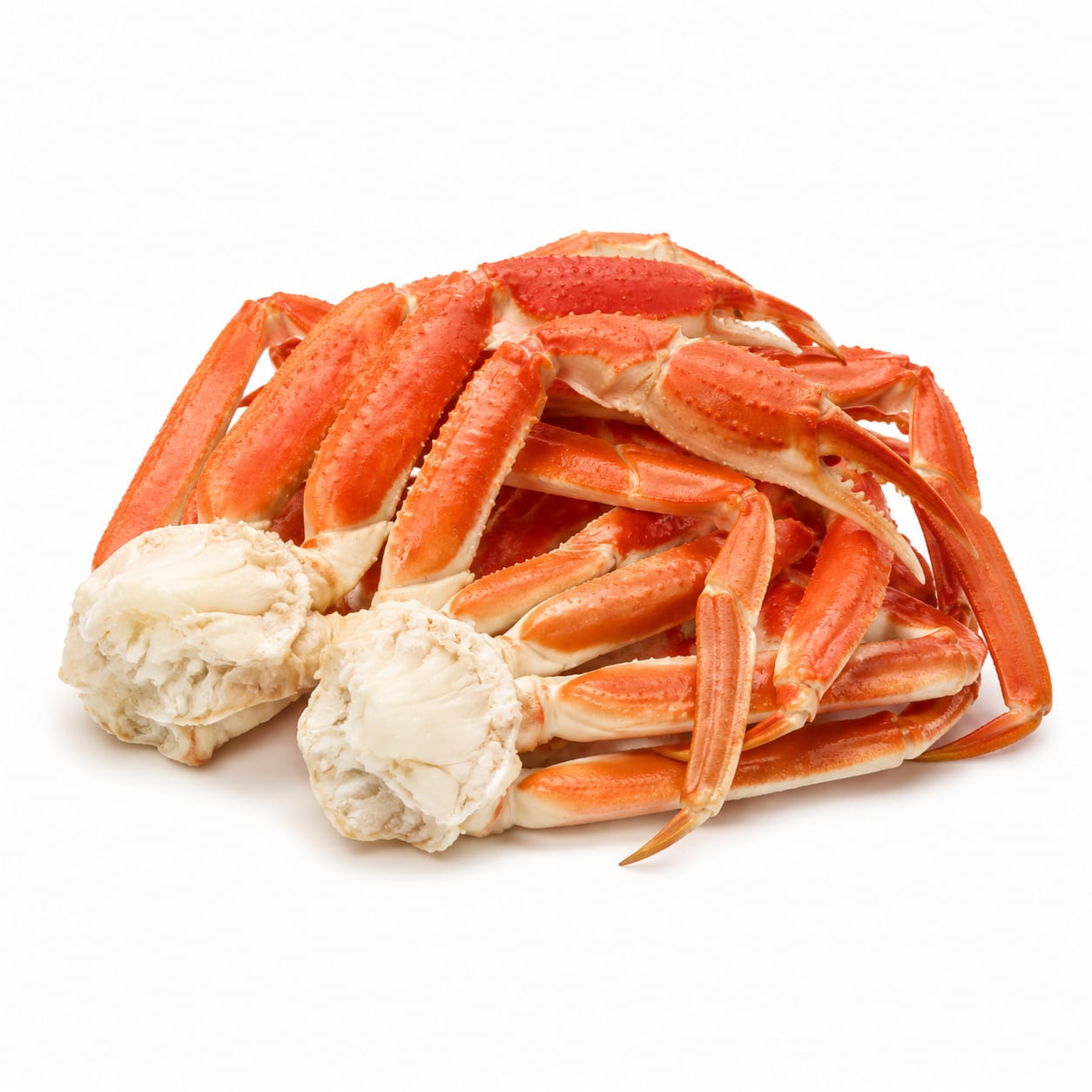
Snow Crab
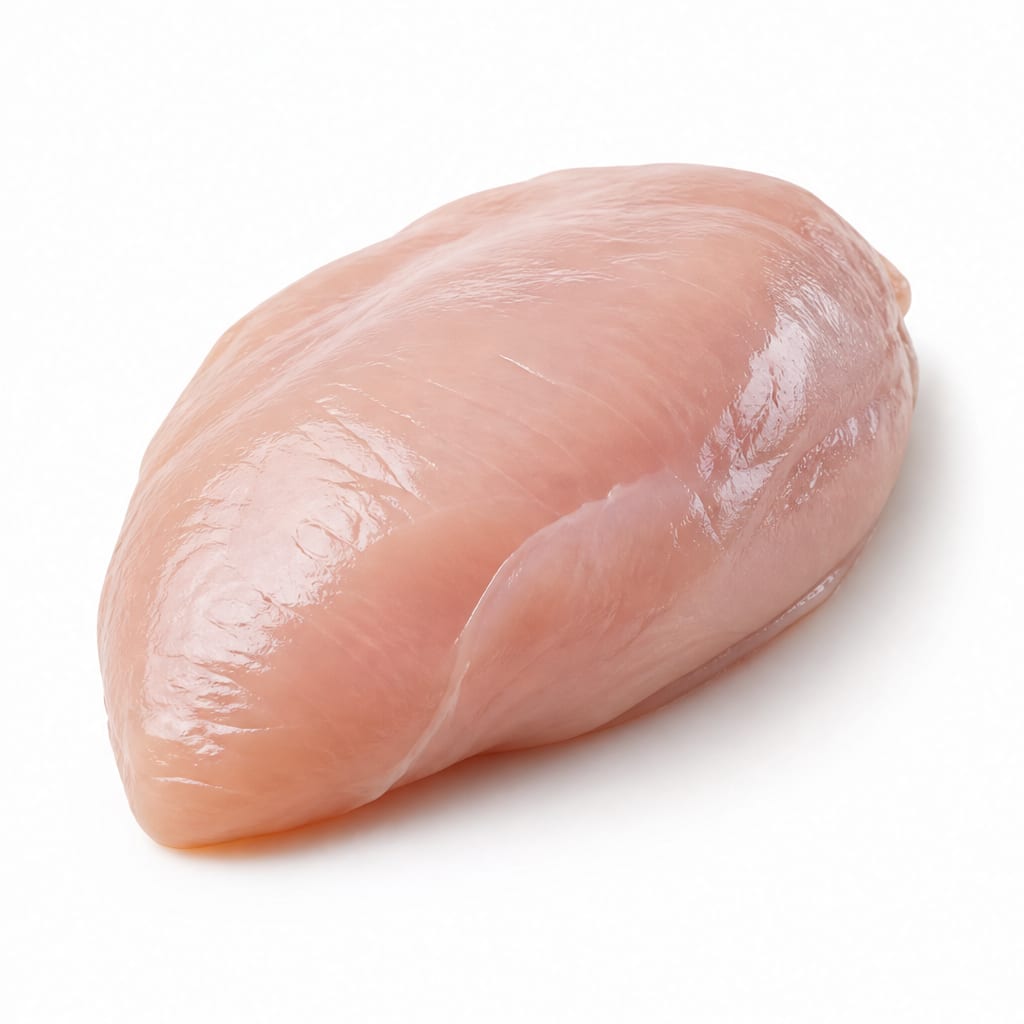
Chicken Breast
Chicken Breast wins for everyday practicality and cost, but Snow Crab delivers superior micronutrients and omega-3s at an even lower calorie count.
Chicken Breast scores higher mainly on practicality, cost, and sodium. Snow Crab earns strong marks for micronutrients and calorie efficiency but loses ground on price, sodium load, and everyday usability.
Snow Crab gives you rare minerals and lower calories but costs more and packs much more sodium. Chicken Breast gives you reliable, affordable, versatile protein with almost no sodium.
At a glance
Executive summary
Overall
Chicken Breast
Healthier
It depends
More practical
Chicken Breast
Daily use
Chicken Breast
Key comparison lenses
lean protein source selection
Both are premium lean proteins, so users are likely deciding which fits their meal plan better
weight loss protein comparison
Extremely low calorie density makes both popular for fat loss diets
everyday affordability and practicality
Snow Crab is a luxury protein while Chicken Breast is a staple — cost and availability matter
sodium and heart health tradeoffs
Snow Crab carries significantly more sodium, which affects cardiovascular decisions
micronutrient diversity
Crab offers unique minerals like B12, zinc, and selenium that chicken cannot match
Best choice for
Snow Crab
- People needing B12 support, such as older adults or those on low-meat diets
- Anyone tracking calories aggressively who wants maximum volume per calorie
- Home cooks preparing special occasion seafood meals
- Individuals seeking selenium and iodine for thyroid support
Chicken Breast
- Meal preppers needing an affordable, reliable protein all week
- Families feeding multiple people on a budget
- Anyone watching sodium intake for blood pressure management
- Athletes requiring high protein volume without financial strain
Least suitable for
Snow Crab
- People on low-sodium diets or managing hypertension
- Anyone with shellfish allergies
- Budget-conscious shoppers needing daily protein
- Those who find seafood preparation intimidating
Chicken Breast
- People bored with bland lean protein who need variety
- Those seeking omega-3 fatty acids from their protein source
- Anyone looking for B12-rich foods without supplementation
- Diners wanting a luxurious or celebratory eating experience
Deep comparison
Dimension by dimension
Each lens scores both foods and breaks down who each option suits.
- Dimension 1 · Priority 95Chicken Breast
Protein Quantity & Quality
Snow Crab · 75Chicken Breast · 92Chicken Breast delivers nearly double the protein per serving, making it far more efficient for hitting daily protein targets.
Tradeoff
Snow Crab protein is high-quality and easily digested, but you would need a large portion to match the protein in a single chicken breast.
Why it matters
If you are trying to hit 30-40g of protein per meal, chicken breast gets you there easily. Snow Crab requires eating a much larger volume.
Real-world impact
A 4oz chicken breast gives you about 35g protein. The same amount of Snow Crab gives you roughly 20g — meaning you need almost double the crab for equivalent protein.
Snow Crab
- Lighter meals where you want some protein without feeling stuffed
- Appetizer-style eating with multiple courses
Better for
- Bodybuilding or muscle-gain phases requiring high protein intake
- Anyone struggling to hit protein minimums daily
Worse for
Chicken Breast
- Post-workout recovery meals needing fast, high protein
- Single-dish dinners where protein needs to carry the meal
Better for
- Smaller appetites where 35g of protein feels like too much food
Worse for
- Dimension 2 · Priority 90Snow Crab
Calorie Efficiency
Snow Crab · 95Chicken Breast · 82Snow Crab is one of the lowest-calorie protein sources available, beating even chicken breast in calories per gram of protein.
Tradeoff
That ultra-low calorie count means Snow Crab provides very little energy — you will likely need side dishes to feel satisfied.
Why it matters
For aggressive calorie cutting, Snow Crab lets you eat a large portion with minimal caloric impact. But you may feel hungry sooner.
Real-world impact
A full cup of Snow Crab meat runs about 100 calories. The same volume of chicken breast is roughly 230 calories. Crab is a dieter's dream for volume eating.
Snow Crab
- Strict calorie-cutting phases where every calorie counts
- Volume eaters who want large portions without guilt
Better for
- Endurance athletes or highly active people needing caloric fuel
- Anyone prone to under-eating and feeling fatigued
Worse for
Chicken Breast
- Active people who need actual energy from their meals, not just protein
- Anyone finding that ultra-low-cal meals leave them snacking later
Better for
- Very sedentary individuals where even modest calories add up
Worse for
- Dimension 3 · Priority 88Snow Crab
Micronutrient Density
Snow Crab · 91Chicken Breast · 58Snow Crab is a micronutrient powerhouse with exceptional B12, selenium, zinc, and copper. Chicken Breast is comparatively plain.
Tradeoff
Those nutrients come with higher cholesterol and sodium, so the micronutrient advantage is not a free lunch.
Why it matters
A single serving of Snow Crab can cover over 100% of your B12 needs and most of your selenium. Chicken Breast cannot compete on mineral diversity.
Real-world impact
If you rarely eat red meat or take supplements, Snow Crab is one of the best ways to top off B12 and selenium. Chicken Breast covers B6 and niacin well but little else.
Snow Crab
- Older adults at risk for B12 deficiency
- People avoiding red meat who need alternative mineral sources
- Thyroid-conscious individuals seeking selenium and iodine
Better for
- Those monitoring cholesterol who need to limit shellfish intake
Worse for
Chicken Breast
- Anyone already taking a multivitamin or B-complex supplement
- People whose mineral needs are met through varied diets
Better for
- Long-term mono-protein diets where micronutrient gaps accumulate
Worse for
- Dimension 4 · Priority 85Chicken Breast
Sodium Load
Snow Crab · 35Chicken Breast · 92Snow Crab is naturally high in sodium, while Chicken Breast is essentially sodium-free before seasoning.
Tradeoff
Even without added salt, Snow Crab delivers 500-900mg sodium per serving. That is a significant portion of your daily limit before you season anything.
Why it matters
For anyone managing blood pressure or kidney health, Snow Crab's sodium is a real concern. Chicken Breast gives you full control over sodium through how you season it.
Real-world impact
One Snow Crab leg cluster can deliver a third of your daily sodium allowance. A plain chicken breast has about 75mg — you decide the rest.
Snow Crab
- Active athletes who lose sodium through sweat and need replenishment
- People on very low-sodium overall diets who can afford the sodium hit
Better for
- People on doctor-ordered low-sodium diets
- Older adults more sensitive to sodium's blood pressure effects
Worse for
Chicken Breast
- Anyone with hypertension or sodium-sensitive blood pressure
- Meal preppers who want to control every milligram of sodium
Better for
- Endurance athletes who actually need more sodium in hot conditions
Worse for
- Dimension 5 · Priority 90Chicken Breast
Practicality, Cost & Versatility
Snow Crab · 30Chicken Breast · 93Chicken Breast is one of the most affordable, available, and versatile proteins worldwide. Snow Crab is expensive, seasonal, and limited in preparation styles.
Tradeoff
Snow Crab offers a luxurious eating experience that chicken cannot replicate, but you pay a premium for that pleasure.
Why it matters
If you need to eat lean protein 5-7 times per week, cost and convenience dominate. Chicken Breast works in stir-fries, grilling, baking, soups, and salads. Snow Crab is mostly a standalone dish.
Real-world impact
Chicken Breast costs roughly $3-5 per pound. Snow Crab legs run $25-50+ per pound. Feeding a family of four with crab as the protein could cost 8-10x more than chicken.
Snow Crab
- Special occasions and celebrations where the experience matters
- Seafood restaurants and date nights
Better for
- Students, large families, or anyone on a tight grocery budget
- People who need quick 20-minute weeknight meals
Worse for
Chicken Breast
- Weeknight dinners for families on a budget
- Batch cooking and meal prep for the entire workweek
- Anyone who needs protein available at every grocery store
Better for
- Dinners where you want to impress guests or create a special experience
Worse for
- Dimension 6 · Priority 82It depends
Heart Health Profile
Snow Crab · 68Chicken Breast · 78Chicken Breast has a cleaner heart-health profile with virtually no sodium and low cholesterol. Snow Crab offers heart-protective omega-3s but counterbalances with high sodium and cholesterol.
Tradeoff
The omega-3s in Snow Crab are genuinely beneficial, but the sodium and cholesterol may offset those gains for vulnerable individuals.
Why it matters
If heart health is your priority, the sodium alone makes Snow Crab a food to enjoy moderately, not daily. Chicken Breast can be eaten freely in a heart-healthy diet.
Real-world impact
Snow Crab gives you a small omega-3 boost similar to a light fish serving, but with a sodium load that most cardiologists would flag. Chicken Breast is neutral to beneficial for heart health.
Snow Crab
- People with low overall sodium intake who can accommodate the crab's salt
- Those not getting omega-3s from any other seafood source
Better for
- Post-heart surgery patients on strict sodium restrictions
- People with hyperlipidemia monitoring dietary cholesterol
Worse for
Chicken Breast
- Anyone with a family history of heart disease managing sodium and cholesterol
- People following a DASH-style diet for blood pressure
Better for
- Those relying solely on land animal protein with zero omega-3 intake
Worse for
- Dimension 7 · Priority 72Snow Crab
Omega-3 Fatty Acids
Snow Crab · 78Chicken Breast · 15Snow Crab provides meaningful omega-3 fatty acids, while Chicken Breast has essentially none.
Tradeoff
The omega-3 amount in crab is modest compared to salmon or sardines, so it should not be your only omega-3 strategy.
Why it matters
Most people are deficient in omega-3s. Any seafood source helps, but Snow Crab is a middle-tier provider — better than chicken, weaker than fatty fish.
Real-world impact
A serving of Snow Crab provides roughly 300-400mg of combined EPA and DHA. Chicken Breast provides virtually zero. But salmon gives you 2-3g, making crab a supplemental rather than primary source.
Snow Crab
- People who dislike fatty fish but want some omega-3 intake
- Pescatarian-leaning eaters rotating through different seafood
Better for
- Those expecting crab to fully meet omega-3 needs without other sources
Worse for
Chicken Breast
- Anyone already taking fish oil or eating salmon regularly
Better for
- People avoiding all fish and supplements, creating an omega-3 gap
Worse for
Timeline
Health impact over time
Short-term
Hours to days
Snow Crab
- High sodium may cause bloating or water retention within hours of eating
- Light, clean feeling after eating due to extremely low calorie and fat content
- Possible mild digestive comfort from the tender, easily digested protein
Chicken Breast
- Strong satiety after eating due to high protein density with minimal calories
- Steady energy with no blood sugar spikes since it is pure lean protein
- May feel dry or bland without proper seasoning or marinade
Long-term
Months to years
Snow Crab
- Excellent B12 and selenium status supporting nerve health and thyroid function
- Risk of elevated blood pressure if consumed frequently due to sodium load
- Potential heavy metal accumulation if eaten very frequently, though risk is lower than with large predatory fish
Chicken Breast
- Consistent lean protein intake supporting muscle maintenance and metabolic health
- Very heart-friendly long-term profile when prepared without excess salt or fat
- Possible dietary boredom or micronutrient gaps if used as the sole protein source without variety
Risk profile
Safety & processing
Both foods are whole, minimally processed proteins in their natural form. Snow Crab is typically sold frozen or live with minimal intervention. Chicken Breast is a straightforward cut of meat. Neither raises ultra-processing concerns when purchased in raw form.
Snow Crab
Heavy metal and cadmium exposure
mediumCrustaceans can accumulate cadmium and trace heavy metals from their marine environment. Occasional consumption is safe, but very frequent intake could increase exposure.
Shellfish allergy
highCrab is a top allergen that can trigger severe anaphylactic reactions in sensitive individuals. This is a lifelong allergy with no desensitization option.
Microplastic contamination
lowMarine seafood carries some microplastic load, though crab is lower risk than filter feeders like mussels or shrimp.
Chicken Breast
Antibiotic residue exposure
mediumConventionally raised chicken may carry trace antibiotic residues. Choosing organic or antibiotic-free chicken reduces this concern significantly.
Salmonella and bacterial contamination
mediumRaw chicken requires careful handling to avoid cross-contamination. Proper cooking to 165°F eliminates this risk entirely.
Hormone and additive exposure in processed versions
lowPlain raw chicken breast is free of additives, but pre-marinated or injected versions may contain sodium solutions and preservatives.
Who wins for whom
Audience fit
Same foods, different winners depending on your goal.
children
Chicken BreastChicken Breast is safer, more affordable, allergen-free for most kids, and easier to prepare in child-friendly ways. Snow Crab's shellfish allergy risk and sodium content make it less ideal.
daily consumption
Chicken BreastChicken Breast is affordable, low-sodium, versatile, and easy to prepare every day. Snow Crab is too expensive and sodium-heavy for daily use.
diabetes
Chicken BreastBoth have zero carbohydrates and minimal blood sugar impact, but Chicken Breast's lower sodium makes it safer for the cardiovascular risks that commonly accompany diabetes.
elderly
It dependsSnow Crab's B12 and selenium are excellent for older adults, but its sodium is problematic for age-related blood pressure concerns. Chicken Breast is safer for daily use, while crab is best as an occasional nutrient boost.
muscle gain
Chicken BreastChicken Breast provides substantially more protein per serving and per dollar, making it the clear choice for building muscle efficiently.
weight loss
Snow CrabSnow Crab's ultra-low calorie density allows for larger portions with fewer calories, making it slightly better for aggressive calorie restriction. However, chicken breast is a close second and far more sustainable daily.
Your move
Decision guide
Choose Snow Crab
- You want a special-occasion protein that feels luxurious and delivers rare nutrients
- You are tracking calories aggressively and want maximum food volume
- You need B12, selenium, or zinc and do not eat red meat or take supplements
- You are rotating seafood sources for omega-3 variety
Choose Chicken Breast
- You need reliable, affordable lean protein for daily meals
- You are meal prepping for the week on a budget
- You are managing blood pressure or sodium intake
- You want a neutral protein that works in any cuisine or recipe
Either works if
- You simply need a lean, low-fat protein source and have no specific constraints
- Both fit your calorie and macro targets for the day
Avoid both if
- You have gout and are sensitive to purine-rich foods — both contain moderate purines
- You require a plant-based or vegetarian protein source
Final recommendation
Keep Chicken Breast as your everyday lean protein and treat Snow Crab as a strategic occasional addition. Eat crab once every week or two for the B12, selenium, and omega-3 boost, and rely on chicken for the rest of your meals. This gives you the best of both: affordable daily protein with periodic micronutrient replenishment from seafood.
Practical
Consumer tips
- 1
Buy Snow Crab legs frozen during sales and store for special meals — prices fluctuate wildly
- 2
Rinse Snow Crab slightly before eating to reduce surface sodium, though internal sodium remains
- 3
Choose organic or antibiotic-free Chicken Breast when budget allows to reduce residue exposure
- 4
Marinate Chicken Breast in acidic marinades (lemon, yogurt) to keep it moist — dry chicken is the number one reason people quit eating it
- 5
Pair Snow Crab with low-sodium sides like steamed vegetables and rice to balance the sodium load
- 6
Do not rely on Snow Crab as your only omega-3 source — add salmon or sardines for a more complete fatty acid profile
- 7
If you have shellfish allergy in your family, introduce Snow Crab cautiously and never in isolation