
Nutrition comparison
Shepherd's Pie vs Meatloaf: Which Comfort Food Is Healthier?
Compare Shepherd's Pie and Meatloaf on nutrition, protein, carbs, sodium, and meal prep practicality. Find out which comfort food fits your health goals better.

Shepherd's Pie
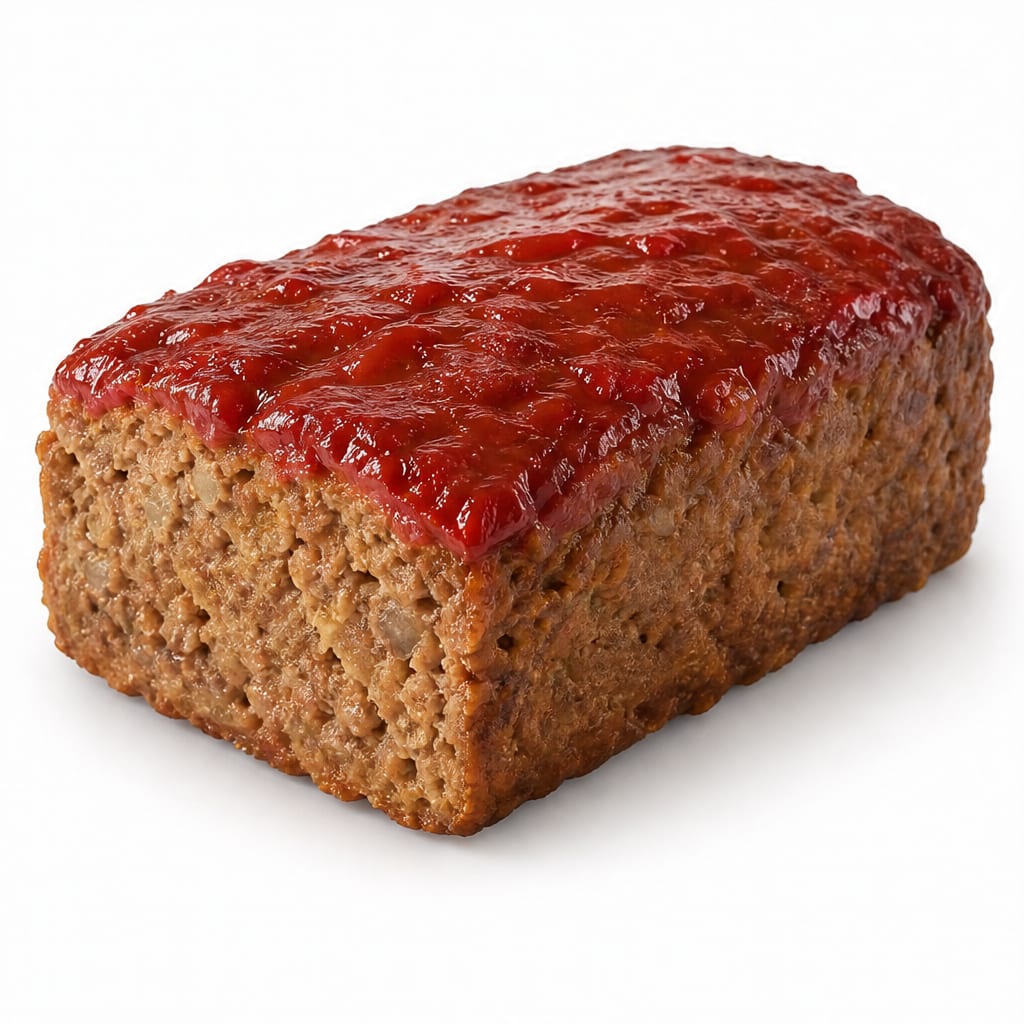
Meatloaf
Shepherd's Pie wins as a balanced one-dish meal with built-in vegetables, while Meatloaf delivers higher protein and lower carbs but needs sides to feel complete.
Shepherd's Pie edges ahead due to nutritional completeness and fiber content, but Meatloaf stays competitive with superior protein density and lower carbs. The gap is modest because both are comfort foods with moderate health profiles.
Vegetable-rich completeness versus protein-dense simplicity — Shepherd's Pie feeds you a full meal, Meatloaf feeds you a hearty centerpiece.
At a glance
Executive summary
Overall
It depends
Healthier
Shepherd's Pie
More practical
Meatloaf
Daily use
It depends
Key comparison lenses
nutritional completeness as a standalone meal
Shepherd's Pie contains vegetables and potato, making it a more complete single-dish meal, while Meatloaf typically requires sides
protein density and satiety
Meatloaf delivers more protein per bite, which matters for muscle maintenance and staying full longer
blood sugar and carbohydrate load
The mashed potato topping on Shepherd's Pie creates a significant carb load that Meatloaf avoids
sodium and hidden sugar exposure
Meatloaf glazes and seasonings often pack surprising sugar and sodium, while Shepherd's Pie tends to be lighter on both
comfort food satisfaction and emotional eating
Both are classic comfort foods, but they satisfy different cravings and occasions
Best choice for
Shepherd's Pie
- Anyone wanting a complete meal in one dish
- People needing more vegetables and fiber
- Those watching sodium intake
- Families wanting built-in sides without extra cooking
Meatloaf
- People prioritizing high protein intake
- Those limiting carbohydrates
- Anyone meal-prepping protein for the week
- People who prefer flexible side dishes
Least suitable for
Shepherd's Pie
- People on low-carb or keto diets
- Anyone strictly managing blood sugar spikes
- Those who dislike mashed potatoes
Meatloaf
- People avoiding high sodium intake
- Anyone sensitive to added sugars in glazes
- Those wanting a vegetable-rich meal without extra sides
Deep comparison
Dimension by dimension
Each lens scores both foods and breaks down who each option suits.
- Dimension 1 · Priority 92Shepherd's Pie
Nutritional Completeness
Shepherd's Pie · 82Meatloaf · 48Shepherd's Pie is a full meal with protein, carbs, fiber, and vegetables in one serving. Meatloaf is mostly protein and fat, requiring sides to round it out.
Tradeoff
You gain nutritional balance with Shepherd's Pie but sacrifice protein concentration per calorie.
Why it matters
Eating a complete meal reduces the temptation to overeat sides or snacks later.
Real-world impact
A plate of Shepherd's Pie leaves you satisfied without reaching for bread or a salad. Meatloaf alone feels incomplete — you will likely add potatoes, rice, or bread.
Shepherd's Pie
- One-dish meal seekers
- Families wanting fewer dishes to prepare
- People who skip vegetables when they are not built in
Better for
- Low-carb eaters who cannot afford the potato load
Worse for
Meatloaf
- Those who prefer choosing their own sides
- Anyone tracking macros precisely
Better for
- Anyone prone to skipping vegetables when they are not on the plate
Worse for
- Dimension 2 · Priority 88Meatloaf
Protein Density
Shepherd's Pie · 55Meatloaf · 84Meatloaf packs significantly more protein per serving because it is primarily meat. Shepherd's Pie dilutes its protein across potatoes and vegetables.
Tradeoff
More protein per bite with Meatloaf, but you miss the fiber and micronutrients from vegetables.
Why it matters
Higher protein density keeps you full longer and supports muscle maintenance, especially as you age.
Real-world impact
After Meatloaf, you stay full for hours. After Shepherd's Pie, you may feel full initially but get hungry sooner due to the carb-heavy potato topping.
Shepherd's Pie
- People who eat protein-rich snacks between meals anyway
Better for
- People relying on dinner as their main protein source
Worse for
Meatloaf
- Athletes and active individuals
- Older adults needing muscle support
- Anyone trying to hit protein goals without supplements
Better for
- Those who find very high-protein meals heavy before bed
Worse for
- Dimension 3 · Priority 85Meatloaf
Blood Sugar Stability
Shepherd's Pie · 42Meatloaf · 68Shepherd's Pie delivers a large carbohydrate hit from mashed potatoes, which can spike blood sugar. Meatloaf is naturally low-carb before adding sides.
Tradeoff
Meatloaf keeps blood sugar steadier on its own, but most people add starchy sides, which narrows the gap significantly.
Why it matters
Blood sugar crashes after carb-heavy meals trigger cravings and fatigue, especially in the afternoon or evening.
Real-world impact
Shepherd's Pie at dinner may leave you reaching for a snack before bed. Meatloaf with a green vegetable side keeps energy more stable.
Shepherd's Pie
- Active people who burn through carbs quickly
- Those eating after intense exercise
Better for
- Diabetics managing post-meal glucose
- People prone to after-dinner snacking
Worse for
Meatloaf
- People with insulin resistance or prediabetes
- Anyone trying to reduce carb cravings
- Those eating late at night
Better for
- Anyone who pairs it with mashed potatoes and gravy, which eliminates the advantage
Worse for
- Dimension 4 · Priority 80Shepherd's Pie
Sodium and Hidden Sugar
Shepherd's Pie · 62Meatloaf · 44Meatloaf glazes are often loaded with ketchup, brown sugar, or BBQ sauce. Seasoning blends and breadcrumbs add more sodium. Shepherd's Pie is typically lighter on both.
Tradeoff
Shepherd's Pie is easier to keep low-sodium, but homemade Meatloaf can be adjusted to close this gap.
Why it matters
Hidden sugar in savory foods is a major driver of overeating and metabolic strain that most people never notice.
Real-world impact
A single slice of Meatloaf can contain 2-3 teaspoons of added sugar from the glaze alone. Shepherd's Pie rarely has added sugar beyond what is in the gravy.
Shepherd's Pie
- People with hypertension
- Anyone reducing added sugar intake
- Those eating packaged or restaurant versions where sugar is highest
Better for
- Those using instant gravy packets, which are sodium bombs
Worse for
Meatloaf
- Home cooks willing to make sugar-free glaze alternatives
Better for
- Anyone unaware of the sugar content in standard glazes
- People with high blood pressure eating restaurant Meatloaf
Worse for
- Dimension 5 · Priority 78Shepherd's Pie
Fiber and Digestive Health
Shepherd's Pie · 74Meatloaf · 30Shepherd's Pie includes peas, carrots, and corn, providing meaningful fiber. Meatloaf has almost no fiber unless you add vegetables or eat fibrous sides.
Tradeoff
Built-in fiber makes Shepherd's Pie gentler on digestion, but the potato-heavy ratio means fiber is still moderate, not high.
Why it matters
Fiber slows digestion, steadies blood sugar, and feeds gut bacteria — benefits that last well beyond the meal itself.
Real-world impact
Shepherd's Pie supports regular digestion. Meatloaf alone can feel heavy and sit in your stomach longer without roughage to move things along.
Shepherd's Pie
- People with sluggish digestion
- Anyone not hitting daily fiber targets
- Older adults who need easier digestive support
Better for
- People with IBS who react to certain vegetables like peas or corn
Worse for
Meatloaf
- Those who consistently eat high-fiber sides and do not need it built in
Better for
- Anyone prone to constipation on low-fiber diets
Worse for
- Dimension 6 · Priority 72Meatloaf
Meal Prep and Versatility
Shepherd's Pie · 60Meatloaf · 78Meatloaf slices store beautifully, reheats well, and works in sandwiches. Shepherd's Pie is harder to portion cleanly and does not reheat as appealingly.
Tradeoff
Meatloaf is more practical for weekly meal prep, but Shepherd's Pie is more impressive for gatherings and comfort-driven occasions.
Why it matters
Food that is easy to store and reheat gets eaten rather than wasted, which matters for both budget and consistency.
Real-world impact
Meatloaf on Monday becomes a sandwich on Tuesday and a quick dinner on Wednesday. Shepherd's Pie is best eaten fresh and does not transform as easily.
Shepherd's Pie
- Weekend family dinners
- Potlucks and gatherings where one dish feeds everyone
- Cooking for someone who needs a comforting, nurturing meal
Better for
- People who hate reheated mashed potatoes
- Anyone needing portable lunch portions
Worse for
Meatloaf
- Weekly meal preppers
- People who want leftovers that actually taste good
- Anyone who enjoys cold sandwiches from dinner leftovers
Better for
- Those who get bored eating the same food multiple days
Worse for
Timeline
Health impact over time
Short-term
Hours to days
Shepherd's Pie
- Comforting and filling immediately after eating
- Carb-heavy topping may cause drowsiness within an hour
- Built-in vegetables support smoother digestion compared to meat-only meals
Meatloaf
- High protein keeps hunger away for hours
- Sodium and sugar in glazes may trigger thirst and bloating
- Dense and heavy feeling without fiber to aid digestion
Long-term
Months to years
Shepherd's Pie
- More balanced micronutrient intake from vegetable variety
- Regular potato consumption may contribute to carb-heavy eating patterns if not offset
- Lower sodium exposure supports cardiovascular health over time
Meatloaf
- Higher protein intake supports muscle preservation with aging
- Frequent consumption of glazed meats increases added sugar and sodium exposure
- Low fiber intake from the dish itself may contribute to digestive sluggishness if sides are not chosen carefully
Risk profile
Safety & processing
Both are homemade comfort foods with moderate processing. Shepherd's Pie uses whole vegetables and potatoes with minimal additives. Meatloaf often incorporates breadcrumbs, glazes with ketchup or sugar, and seasoning blends that add hidden sodium and preservatives. Homemade versions of both are clean, but Meatloaf has more opportunities for ultra-processed ingredients to sneak in.
Shepherd's Pie
Ground meat contamination
mediumLamb or beef in Shepherd's Pie must reach safe internal temperature. Ground meat carries higher contamination risk than whole cuts.
Dairy spoilage in potato topping
lowMashed potatoes made with milk or butter can spoil faster than the meat layer, creating uneven food safety windows for leftovers.
Meatloaf
Ground meat contamination
mediumSame ground meat risk as Shepherd's Pie. Dense meatloaf can have cold spots if not cooked thoroughly, especially in the center.
Glaze sugar promoting bacterial growth
lowSugar-rich glazes can create a surface environment where bacteria thrive if left at room temperature too long.
Who wins for whom
Audience fit
Same foods, different winners depending on your goal.
children
Shepherd's PieShepherd's Pie sneaks vegetables into a kid-friendly format and provides a more balanced nutrient profile for growing bodies.
daily consumption
It dependsNeither is ideal for daily consumption. Shepherd's Pie is more nutritionally balanced but carb-heavy for everyday use. Meatloaf is protein-dense but lacks fiber and often carries too much sodium for daily intake.
diabetes
MeatloafWithout starchy sides, Meatloaf has minimal impact on blood sugar. Shepherd's Pie's potato topping creates a significant glucose spike that is harder to manage.
elderly
Shepherd's PieThe softer texture of Shepherd's Pie is easier to chew and digest, and the included vegetables support regularity that older adults often struggle with.
muscle gain
MeatloafMeatloaf delivers more protein per serving, which is the primary driver of muscle growth and recovery.
weight loss
MeatloafMeatloaf's higher protein and lower carb content supports satiety with fewer blood sugar swings, making it easier to control portions — provided you skip starchy sides.
Your move
Decision guide
Choose Shepherd's Pie
- You want a complete meal without cooking separate sides
- You are feeding a family and want vegetables built into the dish
- You are cooking for someone who needs soft, comforting food
- Sodium and added sugar are concerns for you
- You enjoy leftovers that reheat as a full meal
Choose Meatloaf
- You are prioritizing protein intake for fitness or aging
- You want something that works as leftovers and sandwiches
- You are limiting carbohydrates or managing blood sugar
- You enjoy choosing your own vegetable and starch sides
- You are meal prepping for the week ahead
Either works if
- You are eating at a restaurant and both are made fresh
- You want comfort food and neither will be a regular habit
- You are cooking for a group with mixed dietary preferences
Avoid both if
- You need a low-sodium meal and are eating restaurant or packaged versions
- You are looking for a light meal — both are heavy and calorie-dense
- You are avoiding red meat entirely for health or ethical reasons
Final recommendation
Choose Shepherd's Pie when you want a balanced, nurturing meal that feeds you completely in one dish. Choose Meatloaf when protein matters more than carbs and you want versatile leftovers. For the healthiest version of either, make it at home where you control the sodium, sugar, and ingredient quality.
Practical
Consumer tips
- 1
Make Meatloaf with a sugar-free glaze using tomato paste and herbs instead of ketchup and brown sugar
- 2
Use sweet potato instead of white potato for Shepherd's Pie to lower the glycemic impact and add vitamin A
- 3
Add finely chopped mushrooms to Meatloaf for moisture, fiber, and umami without extra fat
- 4
Use lean ground lamb or turkey in Shepherd's Pie to reduce saturated fat while keeping the flavor
- 5
Portion Meatloaf into slices before refrigerating — it makes grabbing a quick protein source much easier
- 6
If making Shepherd's Pie for meal prep, undercook the potato topping slightly so it does not become gummy when reheated
- 7
Both freeze well — make double batches and freeze individual portions for busy weeks