
Nutrition comparison
Shepherd's Pie vs Cottage Pie: Nutrition, Health & Taste Comparison
Shepherd's Pie uses lamb and Cottage Pie uses beef—but which is healthier? Compare saturated fat, omega-3s, iron, calories, and flavor to find your best comfort meal.

Shepherd's Pie
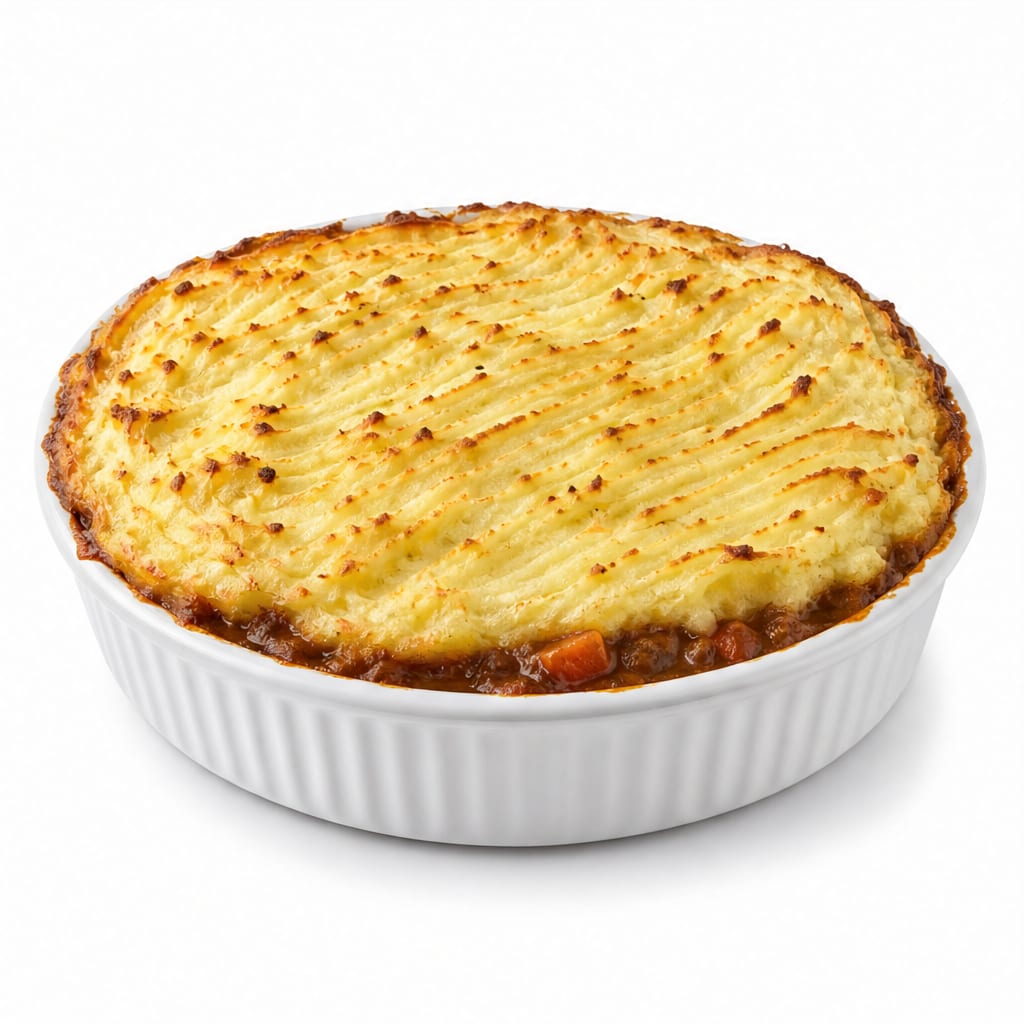
Cottage Pie
Shepherd's Pie and Cottage Pie are nutritionally similar comfort dishes, but the lamb in Shepherd's Pie offers slightly more omega-3s and B vitamins, while Cottage Pie's beef delivers more iron and zinc with generally less saturated fat.
Cottage Pie scores slightly higher due to lower saturated fat and higher iron content, making it the more practical regular-choice comfort meal. Shepherd's Pie remains competitive thanks to lamb's omega-3 and B-vitamin edge, but its higher fat and calorie load narrows everyday appeal.
Shepherd's Pie gives you richer micronutrients like B12 and omega-3s from lamb, but at the cost of more saturated fat and calories. Cottage Pie is slightly leaner and higher in iron, but lacks the omega-3 advantage.
At a glance
Executive summary
Overall
It depends
Healthier
Cottage Pie
More practical
Cottage Pie
Daily use
Cottage Pie
Key comparison lenses
meat protein source comparison
The defining difference is lamb versus beef, which drives most nutritional variation between these dishes
saturated fat and heart health tradeoffs
Both are red meat dishes with meaningful saturated fat loads, but lamb and beef differ in fat profile
comfort meal suitability for regular consumption
Both are hearty comfort foods, so users wonder which is safer to eat more often
micronutrient density comparison
Lamb and beef offer different vitamin and mineral profiles that matter for long-term health
flavor preference and satiety
Lamb's stronger flavor affects portion control and meal satisfaction differently than beef
Best choice for
Shepherd's Pie
- People wanting more omega-3 fatty acids from red meat
- Those who prefer richer, more distinct flavor in comfort meals
- Anyone needing extra B12 and niacin intake
Cottage Pie
- People watching saturated fat intake
- Those needing more iron and zinc
- Anyone wanting a milder, more family-friendly flavor
Least suitable for
Shepherd's Pie
- People strictly limiting saturated fat
- Anyone watching calorie intake closely
- Those who find lamb flavor too strong
Cottage Pie
- People avoiding beef for environmental or personal reasons
- Those specifically seeking omega-3 from meat sources
- Anyone wanting the richer micronutrient profile lamb provides
Deep comparison
Dimension by dimension
Each lens scores both foods and breaks down who each option suits.
- Dimension 1 · Priority 92Cottage Pie
saturated fat and heart health
Shepherd's Pie · 45Cottage Pie · 60Lamb is typically fattier than beef, pushing Shepherd's Pie higher in saturated fat per serving.
Tradeoff
Shepherd's Pie delivers more fat-soluble vitamins alongside that fat, but the cardiovascular cost is real if eaten frequently.
Why it matters
Regular high saturated fat intake raises LDL cholesterol over time, increasing heart disease risk.
Real-world impact
Eating Shepherd's Pie twice a week instead of Cottage Pie could mean noticeably higher cholesterol at your next checkup.
Shepherd's Pie
- Getting fat-soluble vitamins that accompany lamb fat
Better for
- Higher LDL cholesterol risk with regular consumption
Worse for
Cottage Pie
- Keeping saturated fat intake manageable
- Supporting heart health with less dietary cholesterol load
Better for
- Missing some beneficial fatty acids found in lamb
Worse for
- Dimension 2 · Priority 80Shepherd's Pie
omega-3 fatty acid content
Shepherd's Pie · 65Cottage Pie · 40Lamb—especially grass-fed—contains significantly more omega-3 fatty acids than beef, giving Shepherd's Pie a meaningful anti-inflammatory edge.
Tradeoff
The omega-3 amount in lamb is still modest compared to fish, so this advantage is relative, not transformative.
Why it matters
Omega-3s reduce inflammation and support brain and heart health, and most diets are deficient.
Real-world impact
Choosing Shepherd's Pie over Cottage Pie a few times a month can nudge your omega-3 intake upward, but it will not replace eating fish.
Shepherd's Pie
- Reducing chronic inflammation modestly
- Supporting brain health through diet
Better for
- Still far below what a serving of salmon provides
Worse for
Cottage Pie
- Nothing notable—beef is weaker here
Better for
- Minimal omega-3 contribution from beef
Worse for
- Dimension 3 · Priority 78Cottage Pie
iron and zinc density
Shepherd's Pie · 60Cottage Pie · 72Beef provides more bioavailable heme iron and zinc than lamb, making Cottage Pie the better mineral source.
Tradeoff
Lamb still delivers solid iron and zinc, just not as much as beef per serving.
Why it matters
Iron deficiency is common, especially in women, and zinc supports immune function and wound healing.
Real-world impact
If you struggle with low iron, Cottage Pie is the slightly better choice for helping restore levels naturally.
Shepherd's Pie
- Still a good source of heme iron and zinc
Better for
- Less iron per calorie than beef
Worse for
Cottage Pie
- Higher heme iron for blood health
- More zinc for immune support
Better for
- Nothing significant—beef wins this category
Worse for
- Dimension 4 · Priority 75Cottage Pie
calorie density and portion control
Shepherd's Pie · 48Cottage Pie · 58Lamb's higher fat content makes Shepherd's Pie more calorie-dense, so portions feel smaller for the same energy.
Tradeoff
Higher fat also means more satiety per bite, but you may eat more calories before feeling full.
Why it matters
Calorie density drives unconscious overeating. Denser meals make it easier to overshoot your needs.
Real-world impact
A standard plate of Shepherd's Pie can easily pack 100-150 more calories than the same-sized Cottage Pie portion.
Shepherd's Pie
- Rich mouthfeel may satisfy with smaller portions if eaten mindfully
Better for
- Easy to overeat calories without realizing
Worse for
Cottage Pie
- Easier to fit into a calorie-conscious meal plan
- Less risk of accidental overconsumption
Better for
- May feel slightly less indulgent
Worse for
- Dimension 5 · Priority 70Shepherd's Pie
B-vitamin profile
Shepherd's Pie · 72Cottage Pie · 65Lamb is richer in B12, niacin, and riboflavin than beef, giving Shepherd's Pie a modest edge for energy metabolism and nerve health.
Tradeoff
Both meats are excellent B-vitamin sources, so the gap is meaningful but not dramatic.
Why it matters
B12 deficiency causes fatigue and nerve problems, and many older adults fall short.
Real-world impact
Shepherd's Pie offers slightly more nutritional insurance against B-vitamin gaps, especially B12.
Shepherd's Pie
- More B12 for nerve health and energy
- Higher niacin for skin and digestion support
Better for
- Advantage is modest, not a game-changer
Worse for
Cottage Pie
- Still a strong B-vitamin source
Better for
- Slightly less B12 and niacin per serving
Worse for
- Dimension 6 · Priority 68Cottage Pie
family appeal and everyday practicality
Shepherd's Pie · 50Cottage Pie · 72Beef's milder flavor makes Cottage Pie more universally accepted, especially by children and picky eaters.
Tradeoff
Lamb's distinctive taste is a selling point for food lovers but a barrier for others.
Why it matters
A meal the whole family eats without complaint reduces waste, stress, and the temptation to cook separate dishes.
Real-world impact
Cottage Pie is the safer bet for a family dinner where you want zero complaints at the table.
Shepherd's Pie
- A more interesting, complex flavor for adventurous eaters
Better for
- Lamb flavor can be polarizing
- Ground lamb is harder to find and often pricier
Worse for
Cottage Pie
- Broader appeal across age groups
- Easier to find ground beef at any grocery store
Better for
- Less culinary excitement for experienced palates
Worse for
Timeline
Health impact over time
Short-term
Hours to days
Shepherd's Pie
- High satiety from fat and protein keeps you full for hours
- Rich, heavy meal may cause sluggishness afterward
- Warming and deeply comforting on cold days
Cottage Pie
- Satisfying without feeling quite as heavy
- Steady energy from protein and complex carbs
- Slightly easier on digestion due to lower fat content
Long-term
Months to years
Shepherd's Pie
- More frequent consumption may raise LDL cholesterol due to higher saturated fat
- Modest omega-3 intake supports anti-inflammatory benefits
- B-vitamin richness helps prevent deficiencies over time
Cottage Pie
- Better iron status with regular consumption, especially important for women
- Lower saturated fat load reduces long-term cardiovascular strain
- Zinc intake supports consistent immune function
Risk profile
Safety & processing
Both Shepherd's Pie and Cottage Pie are traditionally home-cooked dishes made from whole ingredients. Processing level depends entirely on whether you use fresh ingredients or pre-made components. Neither is ultra-processed when made from scratch.
Shepherd's Pie
bacterial contamination from ground lamb
mediumGround meat carries higher contamination risk than whole cuts. Lamb must be cooked thoroughly to 160°F internal temperature.
leftover storage safety
mediumThe layered structure of Shepherd's Pie means slow cooling in the center. Refrigerate within 2 hours and reheat to steaming hot throughout.
Cottage Pie
bacterial contamination from ground beef
mediumGround beef is a common source of E. coli. Cook thoroughly to 160°F to eliminate risk.
leftover storage safety
mediumSame slow-cooling concern as Shepherd's Pie. Proper refrigeration and reheating are essential.
Who wins for whom
Audience fit
Same foods, different winners depending on your goal.
children
Cottage PieBeef's milder flavor and higher iron content make Cottage Pie more appealing and nutritionally appropriate for growing kids.
daily consumption
Cottage PieNeither red meat dish should be eaten daily, but Cottage Pie's leaner profile makes it the less risky option for more frequent rotation.
diabetes
It dependsBoth dishes have similar carbohydrate loads from the potato topping. The lower saturated fat in Cottage Pie is slightly better for cardiovascular risk, but the difference is not decisive.
elderly
Cottage PieLower saturated fat and higher iron absorption from Cottage Pie better support aging cardiovascular and blood health needs.
muscle gain
Cottage PieBeef provides slightly more protein per calorie and more iron, both useful for supporting training and recovery.
weight loss
Cottage PieCottage Pie's lower calorie density makes it easier to fit into a calorie deficit while still feeling like a real meal.
Your move
Decision guide
Choose Shepherd's Pie
- You want the omega-3 and B-vitamin benefits of lamb
- You love the rich, distinctive flavor of lamb in comfort food
- You eat red meat only occasionally and want maximum micronutrient value per serving
Choose Cottage Pie
- You are watching saturated fat, calories, or cholesterol
- You are cooking for a family with mixed taste preferences
- You want higher iron and zinc intake from your comfort meal
- You plan to eat this type of dish more than once a week
Either works if
- You are eating it as an occasional treat rather than a staple
- You make both with lots of vegetables to balance the plate
- You use lean ground meat regardless of which animal it comes from
Avoid both if
- You have been advised to eliminate red meat for health reasons
- You are following a plant-based or vegetarian diet
- You have severe gout and need to limit purine-rich meats
Final recommendation
For everyday comfort eating, Cottage Pie edges out Shepherd's Pie thanks to lower saturated fat, higher iron, and broader appeal. But if you eat red meat sparingly and want the most micronutrient bang per bite, Shepherd's Pie and its lamb-based omega-3 and B-vitamin advantage is worth savoring. The smartest move: alternate between both, load up the vegetable filling, and keep portions reasonable.
Practical
Consumer tips
- 1
Use lean ground lamb or beef (90% lean or higher) to cut saturated fat significantly in either pie
- 2
Add extra carrots, peas, and celery to the filling to boost fiber and reduce calorie density
- 3
Swap half the potato topping for cauliflower mash to lower carbs and calories without sacrificing comfort
- 4
Always cook ground meat to 160°F internal temperature for food safety
- 5
Refrigerate leftovers within 2 hours and consume within 3 days
- 6
If using store-bought ground lamb, check for added salt in the seasoning and adjust accordingly
- 7
Grass-fed lamb offers more omega-3s than conventional, so seek it out when available