
Nutrition comparison
Shepherd's Pie vs Chicken Pot Pie: Which Comfort Food Is Healthier?
Compare Shepherd's Pie and Chicken Pot Pie on calories, fat, nutrition, and health impact. Find out which comfort food is the smarter choice for your goals.
Overall winner · Shepherd's Pie

Shepherd's Pie
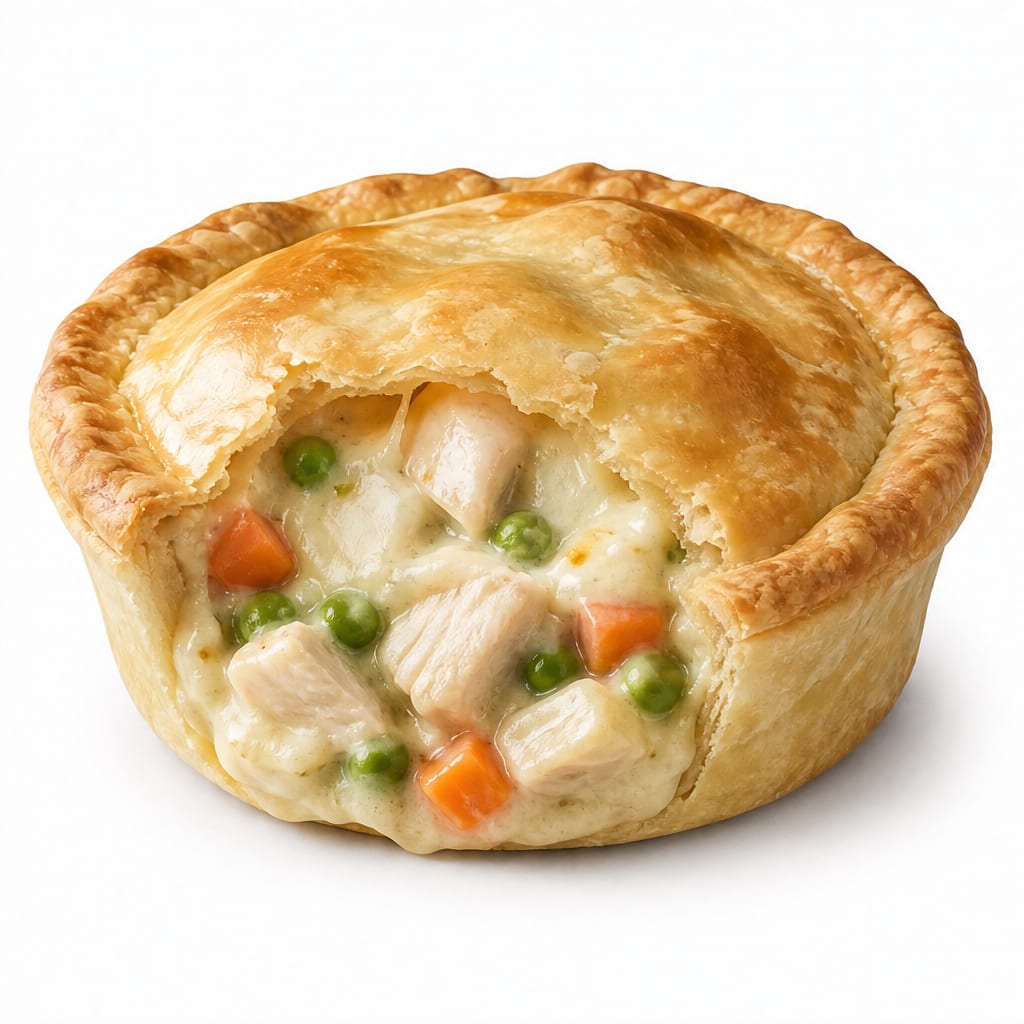
Chicken Pot Pie
Shepherd's Pie wins on nutrition density and calorie control, but Chicken Pot Pie delivers stronger comfort appeal with its buttery crust.
Shepherd's Pie scores moderately well due to better nutrient density and lower calorie density. Chicken Pot Pie loses ground on saturated fat, refined carbs from pastry, and higher calorie load per serving. Neither is a health food, but Shepherd's Pie carries more nutritional value per calorie.
You trade the rich, flaky pastry experience of Chicken Pot Pie for better iron, fewer calories, and less saturated fat in Shepherd's Pie.
At a glance
Executive summary
Overall
Shepherd's Pie
Healthier
Shepherd's Pie
More practical
It depends
Daily use
Shepherd's Pie
Key comparison lenses
comfort food health tradeoffs
Both are classic comfort foods, so users are likely weighing indulgence against health consequences
calorie density and weight management
Chicken Pot Pie's pastry crust dramatically increases calorie density compared to the potato-topped Shepherd's Pie
heart health and saturated fat load
Lamb fat and butter-laden pastry crust both deliver heavy saturated fat hits, but from different sources
protein quality and iron content
Lamb provides significantly more iron and B12 than chicken, which matters for energy and blood health
meal sustainability and fullness
Users want to know which keeps them fuller longer without excessive calories
Best choice for
Shepherd's Pie
- People watching their calorie intake
- Anyone needing more iron and B12
- Those avoiding heavy pastry and refined carbs
- Meal preppers wanting reheatable leftovers
Chicken Pot Pie
- Special occasion comfort eating
- People who find pastry-based meals more satisfying emotionally
- Those wanting milder flavor profiles
- Families with kids who prefer creamy, familiar flavors
Least suitable for
Shepherd's Pie
- People avoiding red meat
- Anyone on a low-fat diet
- Those who dislike lamb flavor
Chicken Pot Pie
- People managing heart disease or high cholesterol
- Anyone counting calories strictly
- Those avoiding refined carbohydrates
- People with dairy sensitivities
Deep comparison
Dimension by dimension
Each lens scores both foods and breaks down who each option suits.
- Dimension 1 · Priority 92Shepherd's Pie
Calorie Density and Weight Management
Shepherd's Pie · 62Chicken Pot Pie · 38Shepherd's Pie typically runs 300-400 calories per serving, while Chicken Pot Pie can easily hit 500-700 calories thanks to the double crust and creamy filling.
Tradeoff
You sacrifice the buttery pastry experience but save 200-300 calories per meal with Shepherd's Pie.
Why it matters
That calorie gap adds up fast. Eating Chicken Pot Pie twice a week instead of Shepherd's Pie could mean an extra pound of weight gain per month.
Real-world impact
After Shepherd's Pie, you might still have room for a light dessert. After Chicken Pot Pie, you are likely done eating for the evening.
Shepherd's Pie
- Weight loss diets
- Calorie-conscious meal planning
- People who want a full plate without guilt
Better for
- Hard gainers who struggle to eat enough
Worse for
Chicken Pot Pie
- Active people needing calorie surpluses
- Those recovering from illness who need to gain weight
Better for
- Anyone tracking calories
- People prone to overeating comfort foods
Worse for
- Dimension 2 · Priority 88Shepherd's Pie
Heart Health and Saturated Fat
Shepherd's Pie · 45Chicken Pot Pie · 30Both dishes are saturated fat heavyweights, but Chicken Pot Pie's butter-soaked pastry crust pushes it into riskier territory.
Tradeoff
Lamb fat in Shepherd's Pie is concerning, but the combination of butter crust and cream sauce in Chicken Pot Pie delivers a worse saturated fat profile overall.
Why it matters
A single Chicken Pot Pie can deliver 15-25 grams of saturated fat, approaching or exceeding your daily limit in one meal.
Real-world impact
If heart health is on your radar, Chicken Pot Pie should be a rare treat, not a weekly staple. Shepherd's Pie is still indulgent but gives you more room in your daily fat budget.
Shepherd's Pie
- People monitoring cholesterol
- Those with family history of heart disease
- Anyone trying to reduce saturated fat without giving up comfort food entirely
Better for
- People whose doctors have recommended avoiding red meat entirely
Worse for
Chicken Pot Pie
- Those who eat it rarely and have no heart concerns
Better for
- Anyone with elevated LDL cholesterol
- People on heart-healthy diets
- Those who eat comfort foods frequently
Worse for
- Dimension 3 · Priority 85Shepherd's Pie
Protein Quality and Micronutrients
Shepherd's Pie · 75Chicken Pot Pie · 58Lamb delivers significantly more iron, zinc, and B12 than chicken. Shepherd's Pie is the clear micronutrient winner.
Tradeoff
Chicken is leaner protein, but lamb packs a stronger nutritional punch per ounce, especially for iron and energy metabolism.
Why it matters
Iron deficiency is common, especially in women. Shepherd's Pie can meaningfully contribute to your daily iron intake in ways Chicken Pot Pie cannot.
Real-world impact
If you feel sluggish and your iron is low, Shepherd's Pie is actually doing nutritional work. Chicken Pot Pie's chicken filling provides protein but lacks the mineral density.
Shepherd's Pie
- Women with low iron
- Anyone recovering from blood loss or anemia
- People who do not take multivitamins and rely on food for minerals
Better for
- People with hemochromatosis or iron overload
Worse for
Chicken Pot Pie
- People who need leaner protein sources
- Those avoiding red meat for health reasons
Better for
- Anyone at risk of iron deficiency
- Vegetarians who might assume chicken is nutritionally equivalent to red meat
Worse for
- Dimension 4 · Priority 80Shepherd's Pie
Blood Sugar Stability
Shepherd's Pie · 55Chicken Pot Pie · 40Shepherd's Pie's potato topping causes a blood sugar rise, but Chicken Pot Pie's refined flour crust plus starchy filling creates a sharper spike and crash.
Tradeoff
Mashed potatoes are not ideal for blood sugar, but they are still gentler than a butter-white-flour pastry shell.
Why it matters
The refined flour in Chicken Pot Pie crust digests quickly, causing a faster glucose spike followed by an energy crash a couple hours later.
Real-world impact
After Chicken Pot Pie, you might feel sleepy and hungry again within two hours. Shepherd's Pie tends to sustain energy longer despite the potato topping.
Shepherd's Pie
- People with prediabetes
- Anyone trying to avoid afternoon energy crashes
- Those monitoring glycemic load
Better for
- People with diabetes who are very carb-sensitive
Worse for
Chicken Pot Pie
- Active people who need quick energy after exercise
Better for
- Anyone with insulin resistance
- People who experience reactive hypoglycemia
Worse for
- Dimension 5 · Priority 75Chicken Pot Pie
Comfort and Emotional Satisfaction
Shepherd's Pie · 68Chicken Pot Pie · 82Chicken Pot Pie delivers a stronger comfort food experience. The flaky crust and creamy filling hit emotional satisfaction centers harder.
Tradeoff
You get more emotional payoff from Chicken Pot Pie, but it comes with a heavier nutritional price tag.
Why it matters
Emotional satisfaction is real and valid. Sometimes the meal that feeds your soul matters as much as the meal that feeds your body.
Real-world impact
On a cold, stressful day, Chicken Pot Pie feels like a warm hug on a plate. Shepherd's Pie is comforting but does not hit the same indulgent notes.
Shepherd's Pie
- People who find comfort in hearty, rustic meals
- Those who prefer savory depth over creamy richness
Better for
- People specifically craving pastry or creamy textures
Worse for
Chicken Pot Pie
- Emotional eaters seeking maximum comfort
- Special occasions and celebrations
- Cold winter nights when only the richest meal will do
Better for
- Anyone who feels guilty after heavy meals, which can cancel out the comfort benefit
Worse for
- Dimension 6 · Priority 72Shepherd's Pie
Sodium Load
Shepherd's Pie · 48Chicken Pot Pie · 35Both dishes are sodium bombs, but Chicken Pot Pie's gravy and seasoning push it higher, especially in frozen or restaurant versions.
Tradeoff
Shepherd's Pie has more sodium than an ideal meal, but Chicken Pot Pie often exceeds 1000mg per serving, which is nearly half your daily limit.
Why it matters
High sodium meals cause bloating and thirst, and regularly exceeding limits raises blood pressure over time.
Real-world impact
After Chicken Pot Pie, you might wake up puffy and reaching for water. Shepherd's Pie is still salty but slightly less punishing.
Shepherd's Pie
- People watching blood pressure
- Anyone sensitive to salt-induced bloating
Better for
- People on strict low-sodium diets
Worse for
Chicken Pot Pie
- Those who sweat heavily and need sodium replenishment
Better for
- Anyone with hypertension
- People who already eat high-sodium diets throughout the day
Worse for
- Dimension 7 · Priority 70Shepherd's Pie
Processing Level and Ingredient Control
Shepherd's Pie · 60Chicken Pot Pie · 42Homemade Shepherd's Pie uses whole, recognizable ingredients. Chicken Pot Pie's pastry crust often involves more processed components like refined flour and shortening.
Tradeoff
Shepherd's Pie is easier to make from scratch with clean ingredients. Chicken Pot Pie's crust is harder to replicate without refined or highly processed inputs.
Why it matters
When you make Shepherd's Pie at home, you control the salt, fat, and quality of every layer. Chicken Pot Pie's crust is inherently harder to clean up.
Real-world impact
A homemade Shepherd's Pie can be genuinely nourishing. A homemade Chicken Pot Pie is still heavy, and a store-bought one is a nutritional disaster.
Shepherd's Pie
- Home cooks wanting clean ingredient control
- People avoiding ultra-processed foods
Better for
- People who add excessive butter to the mashed potatoes
Worse for
Chicken Pot Pie
- Those who buy frozen meals and accept the processing tradeoff
Better for
- Anyone concerned about trans fats in commercial pie crusts
- People avoiding refined flour
Worse for
Timeline
Health impact over time
Short-term
Hours to days
Shepherd's Pie
- Good sustained energy from protein and complex carbs
- Moderate bloating possible from large portions
- Satisfying fullness that lasts 3-4 hours
Chicken Pot Pie
- Heavier post-meal sluggishness from high fat and refined carbs
- Strong comfort and satisfaction immediately after eating
- Possible thirst and bloating from high sodium
Long-term
Months to years
Shepherd's Pie
- Better iron status, especially important for women of reproductive age
- Moderate cardiovascular risk if eaten frequently due to lamb fat
- Easier to maintain healthy weight compared to pastry-based alternatives
Chicken Pot Pie
- Higher cardiovascular risk with regular consumption due to saturated fat and refined carbs
- Potential weight gain if eaten as a frequent meal choice
- Increased sodium-related blood pressure concerns over time
Risk profile
Safety & processing
Homemade Shepherd's Pie uses whole lamb, vegetables, and potatoes with minimal additives. Chicken Pot Pie's pastry crust introduces refined flour and often butter or shortening, which increases processing. Store-bought versions of both are worse, but Chicken Pot Pie degrades faster nutritionally due to preservatives in commercial pie crusts and fillings.
Shepherd's Pie
Undercooked lamb
mediumGround lamb in Shepherd's Pie must be cooked thoroughly to avoid foodborne illness. Unlike steak, ground meat has more surface area for bacterial contamination.
Dairy spoilage in mashed potatoes
lowIf milk or butter in the topping sits out too long, bacterial growth becomes a concern. Refrigerate leftovers promptly.
Chicken Pot Pie
Undercooked chicken filling
highChicken must reach 165°F internally. In a dense pot pie, the center can remain undercooked while the crust looks done, creating a real food safety hazard.
Cream sauce spoilage
mediumThe dairy-heavy filling spoils faster than Shepherd's Pie's drier ingredients. Leftovers should be consumed within 2 days.
Commercial preservatives
mediumFrozen Chicken Pot Pies often contain sodium preservatives and dough conditioners that homemade versions avoid.
Who wins for whom
Audience fit
Same foods, different winners depending on your goal.
children
Chicken Pot PieKids generally prefer the creamy, mild flavors and fun pastry crust of Chicken Pot Pie. Shepherd's Pie's lamb flavor can be too strong for young palates.
daily consumption
Shepherd's PieNeither should be eaten daily, but Shepherd's Pie is more sustainable as an occasional weekly meal due to better nutrient density and lower calorie load.
diabetes
Shepherd's PieNeither is ideal, but Shepherd's Pie causes a gentler blood sugar rise. Chicken Pot Pie's refined flour crust creates sharper glucose spikes.
elderly
Shepherd's PieShepherd's Pie is softer and easier to chew, and its higher iron and B12 content addresses common elderly nutritional deficiencies.
muscle gain
Shepherd's PieLamb provides more protein per calorie along with iron and B12, which support muscle recovery and energy production better than chicken in a high-fat pie format.
weight loss
Shepherd's PieShepherd's Pie offers better portion control and fewer calories per serving. The potato topping fills you up without the calorie explosion of pastry crust.
Your move
Decision guide
Choose Shepherd's Pie
- You want comfort food that also delivers real nutrition like iron and zinc
- Calorie control matters but you refuse to eat bland food
- You are meal prepping for the week and want reheatable leftovers
- Blood sugar stability is a concern
- You enjoy cooking from scratch with whole ingredients
Choose Chicken Pot Pie
- It is a special occasion and you want maximum comfort food payoff
- You are feeding kids who will likely reject lamb
- You are craving something creamy and pastry-based specifically
- You have had a physically exhausting day and need dense calories
- You only eat this type of meal rarely, so the nutritional cost is minimal
Either works if
- You are eating at a restaurant where both are available and neither is homemade
- You plan to pair the meal with a large salad to balance the plate
- You only care about emotional satisfaction today
Avoid both if
- You are on a strict low-sodium diet
- You have severe heart disease and need to minimize saturated fat
- You are eating alone and likely to eat the entire pan
- You already ate a heavy lunch and need something light for dinner
Final recommendation
For most people most of the time, Shepherd's Pie is the smarter choice. It delivers more nutrition per calorie, keeps you fuller with less damage, and is easier to make cleanly from scratch. Save Chicken Pot Pie for when you genuinely need the emotional lift of a buttery, creamy, pastry-wrapped meal. The key is honesty about frequency: Shepherd's Pie can be a weekly meal, Chicken Pot Pie is better as a monthly indulgence.
Practical
Consumer tips
- 1
Make Shepherd's Pie with sweet potato topping to boost fiber and vitamins while lowering glycemic impact
- 2
Use lean ground lamb or substitute half with lentils to cut saturated fat while keeping the hearty flavor
- 3
For Chicken Pot Pie, skip the bottom crust and use a top crust only to save 100-150 calories per serving
- 4
Add extra vegetables to either dish to increase volume and fiber without many extra calories
- 5
If buying frozen, check sodium content. Some Chicken Pot Pies contain an entire day's worth of sodium
- 6
Make a double batch of Shepherd's Pie and freeze portions for quick weeknight dinners that beat any frozen alternative
- 7
Use Greek yogurt instead of butter in mashed potato topping for protein and creaminess with less saturated fat