
Nutrition comparison
Scallops vs Shrimp: Nutrition, Health Benefits & Which to Choose
Compare scallops and shrimp side by side — protein, cholesterol, calories, safety, and taste. Find out which shellfish is better for weight loss, heart health, and everyday meals.
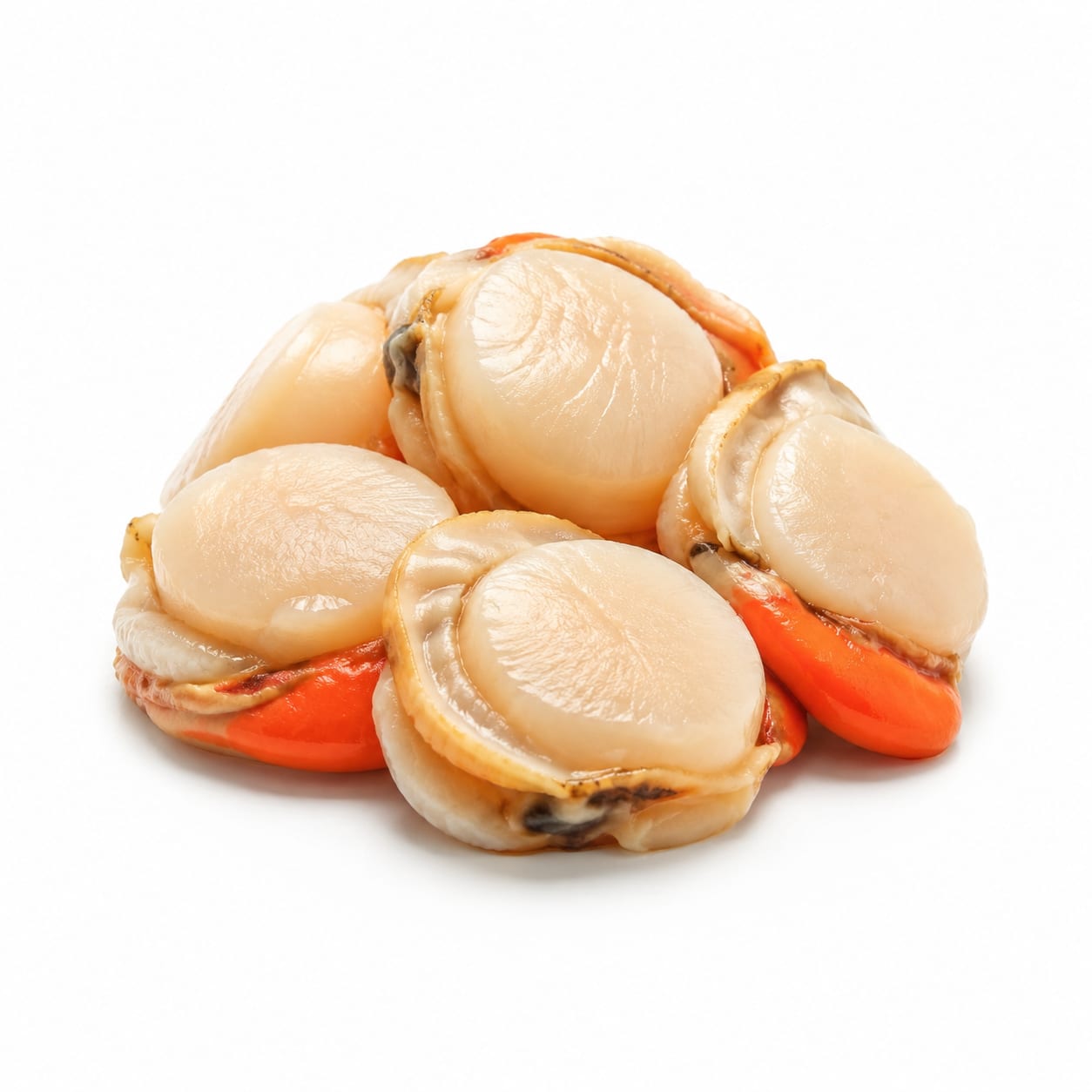
Scallop
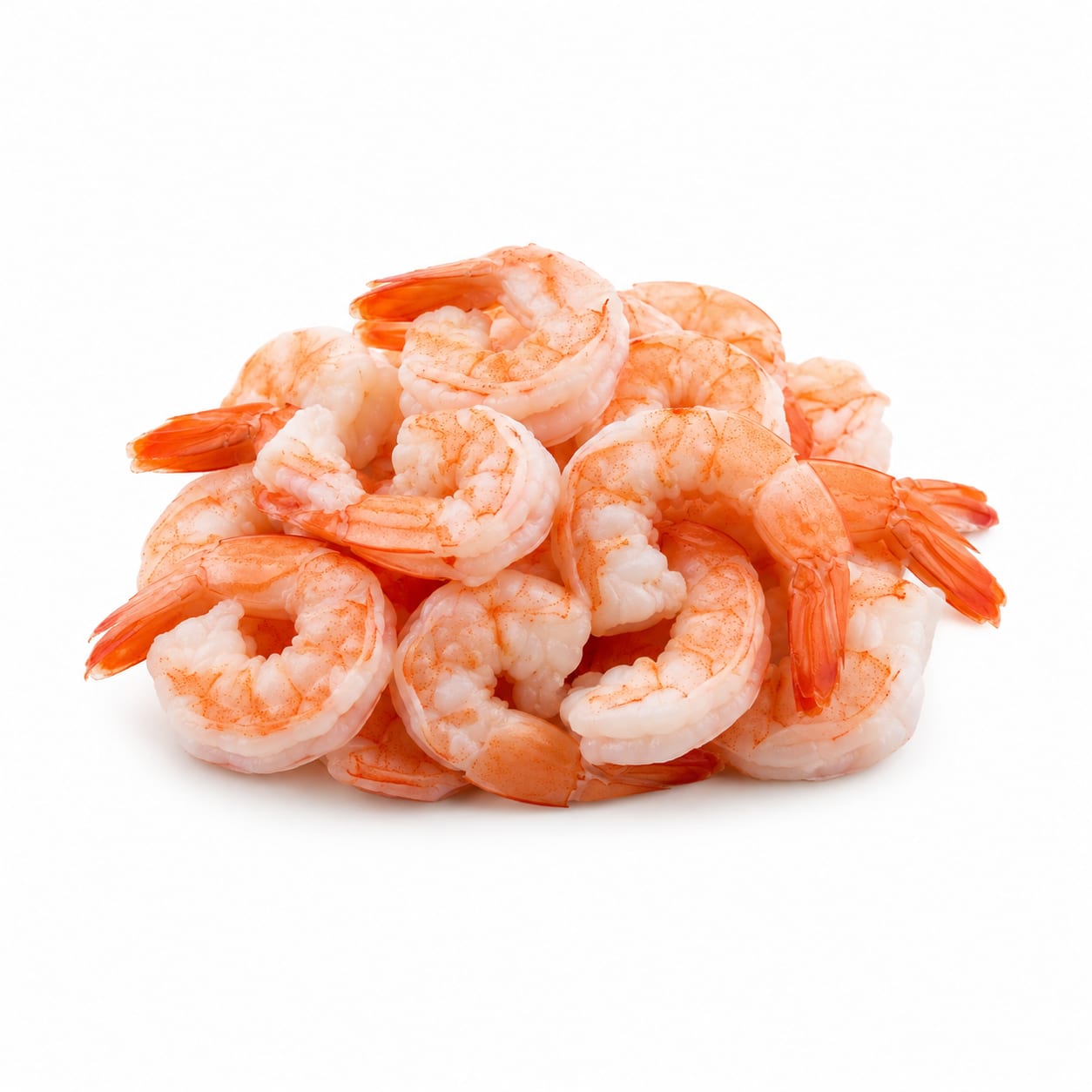
Shrimp
Scallops win for lean eating and lower cholesterol, while shrimp wins for protein density, affordability, and everyday practicality.
Scallops edge ahead on health metrics — fewer calories, less cholesterol, and lower fat — but shrimp's superior protein content, affordability, and everyday versatility keep the gap narrow. The right pick depends heavily on your priorities.
Scallops give you fewer calories and less cholesterol per serving, but shrimp delivers more protein at a lower price with easier availability.
At a glance
Executive summary
Overall
It depends
Healthier
Scallop
More practical
Shrimp
Daily use
Shrimp
Key comparison lenses
protein quality and lean eating
Both are high-protein shellfish popular among health-conscious eaters, but their protein density and calorie profiles differ meaningfully
cholesterol and heart health concerns
Shrimp is famously high in cholesterol, which scares some consumers; scallops are significantly lower, making this a key decision factor
contaminant and heavy metal exposure
Both are shellfish with distinct contamination profiles — mercury, microplastics, and foodborne illness risks vary between them
weight management and calorie density
Scallops are remarkably low in calories for their protein content, making them attractive for calorie-conscious diets
practicality and everyday cooking
Shrimp is far more accessible, affordable, and versatile in everyday meals; scallops are often seen as a special-occasion protein
Best choice for
Scallop
- People watching their cholesterol closely
- Calorie-counters seeking maximum leanness
- Those wanting a lighter, delicately flavored seafood
- Diners seeking a low-fat protein source
Shrimp
- Budget-conscious households needing affordable protein
- Home cooks wanting versatile, easy-to-find seafood
- Athletes and lifters chasing higher protein intake
- Anyone meal-prepping seafood for the week
Least suitable for
Scallop
- Anyone on a tight grocery budget
- People who need quick, no-fuss weeknight proteins
- Those sensitive to seafood pricing fluctuations
- Diners who prefer bold, briny flavors
Shrimp
- People strictly limiting dietary cholesterol
- Those with shrimp-specific shellfish allergies
- Anyone avoiding higher-sodium seafood preparations
- Consumers concerned about farmed shrimp practices
Deep comparison
Dimension by dimension
Each lens scores both foods and breaks down who each option suits.
- Dimension 1 · Priority 90Scallop
Calorie Efficiency
Scallop · 92Shrimp · 72Scallops deliver impressive protein with remarkably few calories, making them one of the leanest animal proteins available.
Tradeoff
You get fewer total calories and less fat with scallops, but also slightly less protein per serving than shrimp.
Why it matters
If you're cutting calories without sacrificing protein quality, scallops are hard to beat. They let you eat a satisfying portion without blowing your calorie budget.
Real-world impact
A 4-ounce serving of scallops costs you roughly 120 calories versus about 135 for shrimp — not a huge gap per meal, but it adds up over weeks of consistent eating.
Scallop
- Calorie-restricted diets
- Lean bulking phases where fat must stay low
- Anyone tracking macros precisely
Better for
- Very active people needing calorie surplus
- Those who find low-fat meals unsatisfying
Worse for
Shrimp
- Higher-calorie meal plans
- Active individuals who need more energy density
Better for
- Strict calorie counters
- People trying to minimize fat intake
Worse for
- Dimension 2 · Priority 88Scallop
Cholesterol and Heart Health
Scallop · 85Shrimp · 55Scallops contain roughly a third of the cholesterol found in shrimp, making them the clearly safer pick for cholesterol-conscious eaters.
Tradeoff
Shrimp's high cholesterol doesn't affect everyone's blood cholesterol equally, but for those who are sensitive or already borderline, it's a real concern.
Why it matters
Dietary cholesterol impacts vary by individual, but if your doctor has flagged your numbers, shrimp's 190mg per serving is hard to ignore versus scallops' ~55mg.
Real-world impact
Eating shrimp several times a week could push your dietary cholesterol intake significantly higher than swapping in scallops — worth discussing with your doctor if heart health is a priority.
Scallop
- People with elevated LDL cholesterol
- Anyone with a family history of heart disease
- Mediterranean-style diet followers
Better for
- Very few — scallops are widely considered heart-healthy
Worse for
Shrimp
- People with normal cholesterol who metabolize dietary cholesterol efficiently
- Those whose doctors have cleared higher-cholesterol foods
Better for
- Hyper-responders to dietary cholesterol
- People on statins or cholesterol-lowering protocols
Worse for
- Dimension 3 · Priority 86Shrimp
Protein Density
Scallop · 72Shrimp · 88Shrimp packs more protein per ounce, making it the better choice when maximizing protein intake is the goal.
Tradeoff
More protein comes with more cholesterol and slightly more calories, so the gain isn't free.
Why it matters
For athletes, lifters, or anyone trying to hit a high protein target, shrimp gets you there faster with fewer total servings needed.
Real-world impact
A 4-ounce serving of shrimp delivers about 24g of protein versus roughly 20g for the same amount of scallops — meaningful when you're trying to hit 120g+ daily.
Scallop
- Moderate-protein diets where leanness matters more than total grams
Better for
- Anyone struggling to hit high protein targets
- Post-workout recovery meals where protein density matters
Worse for
Shrimp
- Athletes and bodybuilders
- High-protein weight loss plans
- Older adults combating age-related muscle loss
Better for
- Very low-calorie diets where every calorie must be maximized for leanness
Worse for
- Dimension 4 · Priority 84It depends
Contaminant and Safety Profile
Scallop · 73Shrimp · 68Scallops generally have lower mercury levels, but shrimp faces more issues with farming practices, antibiotics, and sodium in processed forms.
Tradeoff
Wild-caught shrimp is cleaner but expensive; farmed shrimp is cheap but carries antibiotic and contaminant risks. Scallops are typically wild-caught but can still accumulate heavy metals.
Why it matters
If you eat shellfish frequently, the cumulative exposure to contaminants matters more than a single meal. Source quality becomes the deciding factor.
Real-world impact
Buying cheap imported farmed shrimp multiple times per week is a different risk profile than occasionally enjoying wild-caught scallops. Source matters enormously here.
Scallop
- People eating seafood 3+ times weekly
- Those concerned about antibiotic residues in farmed seafood
- Consumers wanting generally lower mercury exposure
Better for
- Those buying dredged scallops from unknown sources
Worse for
Shrimp
- Anyone sourcing verified wild-caught shrimp from clean waters
- People eating seafood only occasionally
Better for
- Regular consumers of cheap imported farmed shrimp
- People worried about antibiotic exposure
- Anyone avoiding high-sodium processed seafood
Worse for
- Dimension 5 · Priority 78Shrimp
Affordability and Accessibility
Scallop · 40Shrimp · 82Shrimp is dramatically more affordable and available than scallops, making it the practical everyday choice for most households.
Tradeoff
You save money and gain convenience with shrimp, but sacrifice the leaner nutritional profile and delicate eating experience of scallops.
Why it matters
The best protein source nutritionally is useless if you can't afford it regularly. Shrimp's price advantage makes sustainable daily or weekly consumption realistic.
Real-world impact
Frozen shrimp can cost $6-10 per pound while sea scallops often run $18-30+. Over a month of eating seafood twice weekly, that's a significant budget difference.
Scallop
- Special occasion meals
- Anyone with a generous food budget
- Fine dining at home
Better for
- Students and young professionals on tight budgets
- Large families needing affordable protein
- Anyone who eats seafood daily
Worse for
Shrimp
- Weeknight family dinners
- Meal prep on a budget
- Anyone who needs seafood to be a regular protein staple
Better for
- Very few — shrimp is among the most accessible shellfish
Worse for
- Dimension 6 · Priority 72Shrimp
Culinary Versatility
Scallop · 60Shrimp · 85Shrimp works in nearly every cuisine and cooking method — grilling, sautéing, boiling, stir-frying — while scallops require more careful cooking to avoid rubbery results.
Tradeoff
Scallops offer a unique buttery texture when cooked properly, but they're less forgiving and less versatile than shrimp.
Why it matters
If you're not confident in the kitchen, shrimp is far more forgiving. Overcook a scallop and it becomes chewy; overcook shrimp and it's still edible.
Real-world impact
Shrimp can go into pasta, tacos, stir-fries, salads, soups, and skewers with minimal thought. Scallops really shine seared or baked — a narrower sweet spot.
Scallop
- Elegant dinner parties
- Date night cooking where presentation matters
- Chefs comfortable with precise searing technique
Better for
- Quick dump-and-stir meals
- Cooking under time pressure
- Inexperienced cooks
Worse for
Shrimp
- Busy weeknight cooking
- Meal prep containers
- Cuisines from Asian stir-fries to Cajun boils
- Beginner home cooks
Better for
- Fine dining presentations
- Delicate flavor pairings
Worse for
Timeline
Health impact over time
Short-term
Hours to days
Scallop
- Light, clean feeling after eating — very low fat and calorie load
- Quick-digesting lean protein that won't leave you sluggish
- Minimal bloating compared to heavier protein sources
Shrimp
- More satiating per serving due to higher protein density
- Slightly heavier digestive feel if eaten in large portions
- Sodium content can cause mild water retention if pre-packaged or brined
Long-term
Months to years
Scallop
- Consistent lean protein intake supports healthy body composition
- Lower cholesterol intake benefits cardiovascular markers over time
- Omega-3 content (though modest) contributes to anti-inflammatory patterns
- Low mercury levels make frequent consumption safer long-term
Shrimp
- High protein intake supports muscle maintenance and metabolic health
- Regular cholesterol intake may affect blood lipid profiles in sensitive individuals
- Iodine content supports thyroid function with consistent consumption
- Sourcing quality matters — regular consumption of farmed shrimp may increase antibiotic and contaminant exposure
Risk profile
Safety & processing
Both are naturally minimally processed when bought fresh or frozen plain. However, shrimp is more commonly sold pre-cooked, brined, or treated with sodium tripolyphosphate (STPP) to retain moisture, which adds sodium and a chemical preservative. Scallops are sometimes treated with STPP as well, but it's less prevalent. Always check labels — 'dry' scallops and untreated raw shrimp are the cleanest options.
Scallop
Heavy metal accumulation
lowScallops are generally low in mercury compared to large predatory fish, making them a safer frequent-choice shellfish. However, coastal harvesting areas matter — always check sourcing.
Foodborne illness from raw or undercooked consumption
mediumLike all shellfish, raw or undercooked scallops carry vibrio bacteria risk. Proper cooking eliminates this, but raw scallop preparations carry real risk.
STPP treatment in commercial scallops
lowWet-packed scallops may be soaked in sodium tripolyphosphate, adding sodium and altering texture. Look for 'dry pack' labels to avoid this.
Shrimp
Antibiotic residues in farmed shrimp
highImported farmed shrimp — particularly from Southeast Asia — frequently test positive for banned antibiotics. This is the single biggest safety concern with shrimp. Choose wild-caught or verify country-of-origin and farming practices.
Higher cholesterol intake
mediumAt ~190mg per serving, shrimp is one of the highest-cholesterol shellfish. For hyper-responders, regular consumption could impact blood lipid levels meaningfully.
Sodium in processed forms
mediumPre-cooked, breaded, or brined shrimp products can contain 500-900mg sodium per serving. Raw untreated shrimp is naturally low in sodium, but processing changes the picture dramatically.
Microplastic contamination
mediumShrimp's bottom-feeding habits and coastal farming environments increase microplastic exposure compared to scallops, which are filter feeders in deeper waters.
Who wins for whom
Audience fit
Same foods, different winners depending on your goal.
children
ShrimpShrimp's fun finger-food size, milder sweetness when prepared simply, and lower cost make it more practical and kid-friendly than scallops, which require more careful cooking.
daily consumption
ShrimpShrimp's affordability, availability, and versatility make it realistic as a regular protein staple. Scallops are better enjoyed a few times per week at most due to cost and variety.
diabetes
ScallopBoth have essentially zero carbs, but scallops' lower calorie and cholesterol load makes them a slightly cleaner choice for metabolic health management.
elderly
ScallopScallops' tender texture when properly cooked is easier to chew and digest, and their lower cholesterol supports cardiovascular health in older adults.
muscle gain
ShrimpShrimp's higher protein density per serving makes it more efficient for hitting elevated protein targets without needing larger portions.
weight loss
ScallopScallops offer fewer calories per gram of protein, making it easier to maintain a calorie deficit while still getting high-quality protein. Their low fat content keeps meals light.
Your move
Decision guide
Choose Scallop
- You're watching your cholesterol or have been advised to limit it
- Calorie efficiency is your top priority
- You want a delicate, elegant protein for special meals
- You eat seafood frequently and want to minimize cumulative contaminant exposure
- You prefer a lighter, less filling protein option
Choose Shrimp
- Protein intake is your primary goal — you're an athlete or lifting regularly
- Budget matters and you need affordable seafood protein
- You want something versatile enough for any cuisine or cooking method
- You're meal-prepping and need a reliable, easy-to-cook protein
- You're cooking for a family and need crowd-pleasing options
Either works if
- You're simply looking for a high-quality lean protein and have no specific restrictions
- You rotate proteins throughout the week anyway
- Both fit your budget and you enjoy variety
- You're building a seafood-based meal plan and want options
Avoid both if
- You have a shellfish allergy — both are mollusks/crustaceans that can trigger reactions
- You're following a strict vegan or plant-based diet
- You have gout and are sensitive to purine-rich foods — both are moderate-to-high in purines
- You live in an area where quality fresh or frozen seafood is unavailable
Final recommendation
Keep both in rotation. Use shrimp for everyday meals where affordability and protein density matter — stir-fries, pastas, tacos, meal prep. Save scallops for when you want something lighter and leaner, or when cholesterol is a concern. If you must pick one for regular use, shrimp wins on practicality; if health optimization is everything, scallops have the edge.
Practical
Consumer tips
- 1
Look for 'dry pack' scallops — they sear properly and haven't been soaked in STPP, which adds unwanted sodium
- 2
Buy wild-caught shrimp when possible — it avoids the antibiotic concerns common in farmed imports
- 3
Country of origin matters for shrimp: US wild-caught and Canadian cold-water shrimp tend to have better safety profiles
- 4
Flash-frozen seafood is often fresher than 'fresh' counter seafood that's been sitting on ice for days
- 5
If buying frozen shrimp, check the ingredient list — it should list shrimp and maybe salt, nothing else
- 6
Both foods cook fast — shrimp in 2-3 minutes per side, scallops about 2 minutes per side for a perfect sear
- 7
Don't eat either raw if you have a compromised immune system, are pregnant, or are serving to young children
- 8
Rotate your seafood choices weekly rather than eating one type daily — this minimizes cumulative contaminant exposure