
Nutrition comparison
Scallops vs Oysters: Protein, Zinc, Safety, and Nutrition Compared
Scallops deliver nearly double the protein with less sodium. Oysters dominate in zinc and B12. Compare nutrition, safety, and best use cases for each shellfish.
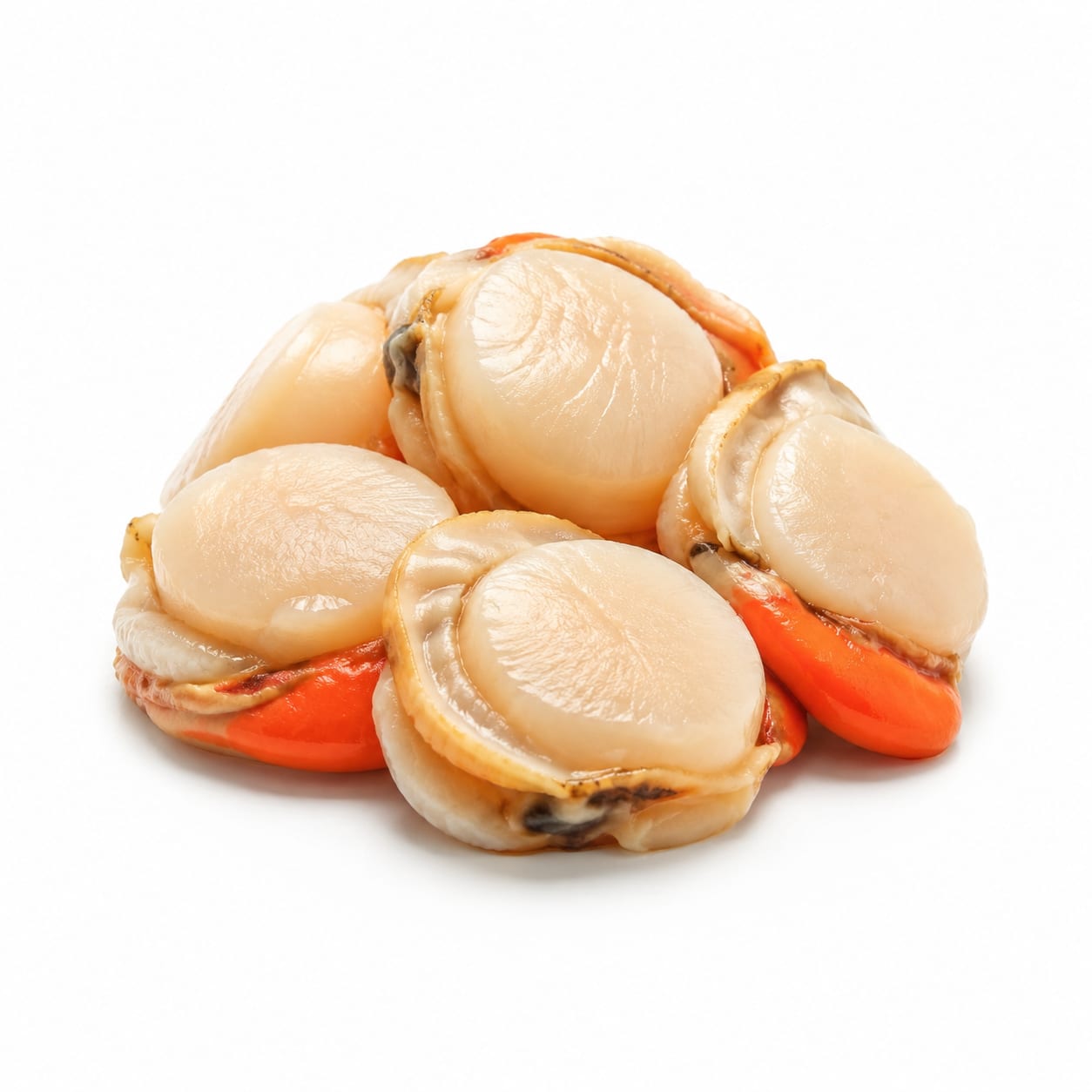
Scallop
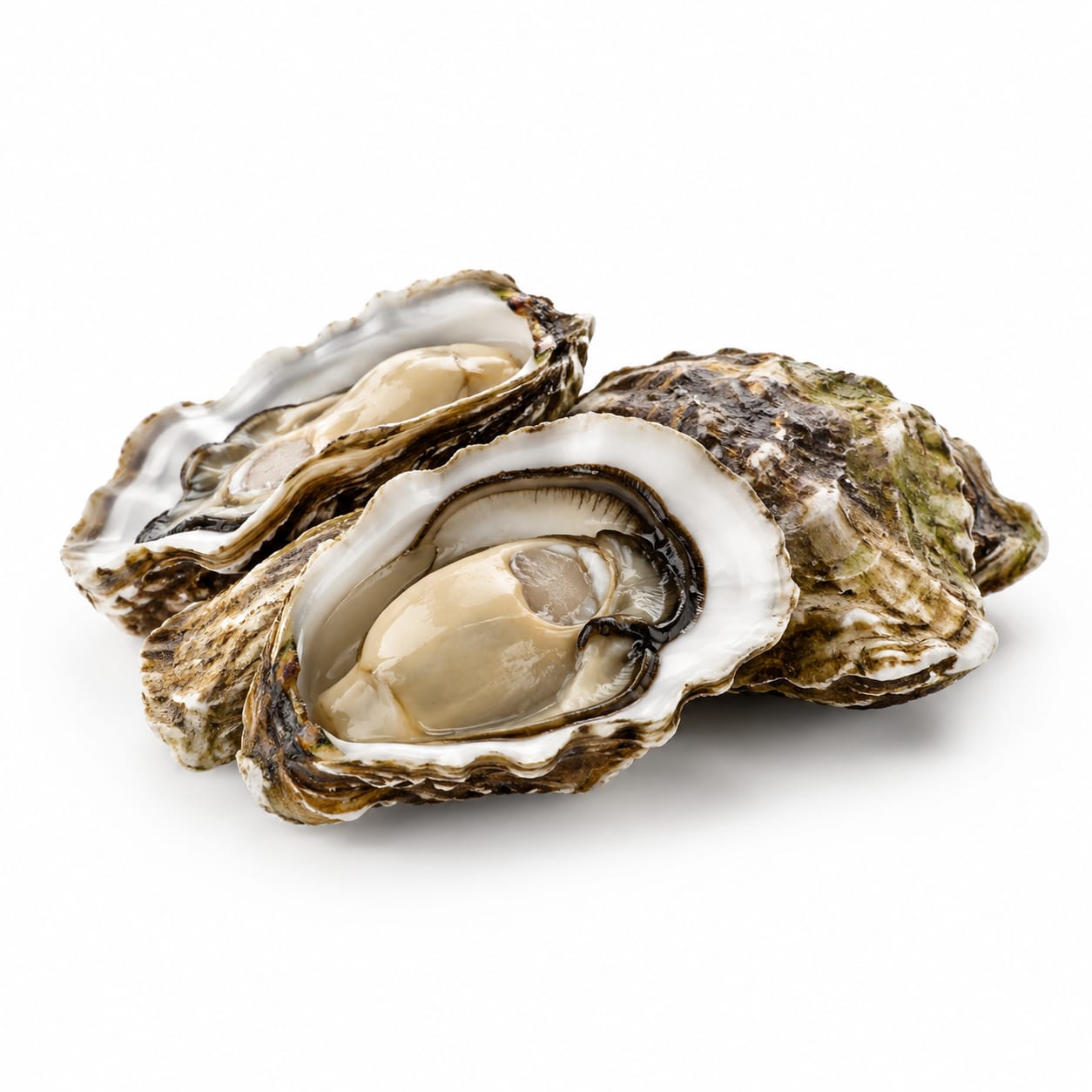
Oyster
Scallops win on protein and leanness; oysters win on micronutrient density, especially zinc and B12.
Scallops score slightly higher due to superior protein content, lower sodium, and safer typical preparation. Oysters are nutritionally exceptional but lose ground on food safety and sodium, making them a more situational choice.
Scallops are a clean, high-protein muscle food. Oysters are a micronutrient powerhouse with unique immune and reproductive benefits but carry higher raw-eating risks.
At a glance
Executive summary
Overall
It depends
Healthier
It depends
More practical
Scallop
Daily use
Scallop
Key comparison lenses
protein vs micronutrients
Scallops deliver far more protein per calorie while oysters dominate in zinc, B12, and iron — the core tradeoff between these two shellfish
raw consumption safety
Oysters are frequently eaten raw, raising Vibrio and foodborne illness concerns that scallops rarely face
weight loss lean protein
Scallops are one of the leanest protein sources available, making them a go-to for calorie-conscious eaters
immune and reproductive health
Oysters are legendary for zinc content, directly relevant to immune function and fertility
sustainability and sourcing
Both are relatively sustainable seafood choices but oyster farming has a stronger environmental edge
Best choice for
Scallop
- High-protein diets and muscle gain
- Calorie-controlled weight loss plans
- Post-workout recovery meals
- People avoiding high-sodium foods
- Those who prefer cooked seafood only
Oyster
- Zinc deficiency or low testosterone concerns
- Vitamin B12 supplementation through food
- Immune system support during cold season
- Iron-deficient individuals needing heme iron
- Sustainable seafood prioritizers
Least suitable for
Scallop
- Those seeking maximum micronutrient density per calorie
- People on low-cholesterol diets with existing heart disease
- Budget-conscious shoppers (scallops are expensive)
Oyster
- Immunocompromised individuals considering raw consumption
- People on strict sodium-restricted diets
- Anyone uncomfortable with foodborne illness risk from raw shellfish
- Those wanting a high-protein, low-calorie meal
Deep comparison
Dimension by dimension
Each lens scores both foods and breaks down who each option suits.
- Dimension 1 · Priority 95Scallop
protein_content_and_quality
Scallop · 92Oyster · 58Scallops provide roughly 17g of protein per 3oz serving compared to about 9g in oysters — nearly double.
Tradeoff
Oysters sacrifice protein density to pack in minerals; scallops sacrifice mineral density for clean protein.
Why it matters
If you are eating shellfish as a protein source for a meal, scallops will actually fill you up and support muscle repair. Oysters feel more like a condiment nutritionally.
Real-world impact
A scallop dinner leaves you satisfied. An oyster appetizer leaves you reaching for the main course.
Scallop
- Athletes needing complete protein
- Anyone counting macros
- Older adults preventing muscle loss
Better for
- Those specifically seeking zinc or iron from food
Worse for
Oyster
- People who get protein elsewhere and want mineral diversity
Better for
- Anyone relying on this as a primary protein source
Worse for
- Dimension 2 · Priority 92Oyster
micronutrient_density
Scallop · 55Oyster · 94Oysters are one of the most micronutrient-dense foods on the planet, especially for zinc, B12, iron, and selenium.
Tradeoff
You eat oysters for the mineral payload. Scallops are comparatively plain nutritionally beyond protein.
Why it matters
A half-dozen oysters delivers over 300% of daily zinc and 250% of B12. That is hard to match with almost any other food.
Real-world impact
Regular oyster eaters rarely worry about zinc or B12 deficiency. Scallop eaters need to source those minerals elsewhere.
Scallop
- Selenium intake
Better for
- Correcting mineral deficiencies through food alone
Worse for
Oyster
- Zinc deficiency correction
- B12 for vegetarians transitioning back to animal foods
- Iron needs during pregnancy
- Immune support during illness recovery
- Male reproductive health and testosterone support
Better for
- People who already supplement zinc and B12
Worse for
- Dimension 3 · Priority 85Scallop
calorie_efficiency_and_leanness
Scallop · 95Oyster · 72Scallops are extremely lean with roughly 75 calories per 3oz serving. Oysters run about 70 calories but with far less protein per calorie.
Tradeoff
Both are low-calorie, but scallops give you much more protein per calorie eaten.
Why it matters
When cutting calories, every gram of protein matters. Scallops deliver protein efficiently without fat calories.
Real-world impact
Scallops fit effortlessly into a cutting phase. Oysters fit too, but you will need more protein from other sources to stay full.
Scallop
- Weight loss diets
- Lean bulking phases
- Portion-controlled meal prep
Better for
- People wanting omega-3 fats from their shellfish
Worse for
Oyster
- Those who do not need high protein and prefer nutrient breadth
Better for
- High-protein, low-calorie meal plans
Worse for
- Dimension 4 · Priority 78Scallop
sodium_load
Scallop · 82Oyster · 48Oysters contain significantly more sodium — roughly 200-300mg per serving versus about 130mg in scallops.
Tradeoff
Oysters' ocean-filtering lifestyle concentrates sodium. Scallops are naturally milder in salt.
Why it matters
For anyone managing blood pressure or on a sodium-restricted diet, oysters can quietly push you over your daily limit.
Real-world impact
A dozen raw oysters with cocktail sauce can easily deliver 600-800mg of sodium before you touch anything else on the plate.
Scallop
- Hypertension management
- Heart-healthy eating patterns
- Low-sodium meal planning
Better for
- No significant sodium downside
Worse for
Oyster
- Athletes who need sodium after heavy sweating
Better for
- Salt-sensitive individuals
- People eating multiple servings as a meal
Worse for
- Dimension 5 · Priority 88Scallop
food_safety_and_contamination_risk
Scallop · 78Oyster · 52Raw oysters are a leading vector for Vibrio infections and norovirus. Scallops are almost always cooked, dramatically reducing risk.
Tradeoff
The raw oyster experience is iconic but carries real foodborne illness risk, especially in warm months.
Why it matters
Vibrio vulnificus infections from raw oysters have a mortality rate around 30% in immunocompromised people. This is not theoretical.
Real-world impact
A healthy person might eat raw oysters fifty times without issue. The fifty-first time could mean hospitalization. Cooked scallops carry almost none of this risk.
Scallop
- Immunocompromised individuals
- Pregnant women
- Anyone avoiding foodborne illness risk
- People in warm coastal regions during summer
Better for
- Minimal safety downside when cooked properly
Worse for
Oyster
- Healthy adults who source from reputable suppliers and follow seasonal guidance
Better for
- Liver disease patients
- Anyone with weakened immunity
- Pregnant women
- Summer harvests in the Gulf region
Worse for
- Dimension 6 · Priority 72Oyster
sustainability_and_environmental_impact
Scallop · 68Oyster · 88Oyster farming actively benefits water quality through filtration. Scallop aquaculture is good but less ecologically restorative.
Tradeoff
Eating farmed oysters is one of the most environmentally positive seafood choices you can make.
Why it matters
Oysters filter up to 50 gallons of water per day per animal. Farming them improves coastal ecosystems rather than depleting them.
Real-world impact
Choosing farmed oysters supports water cleanup. Choosing scallops supports a decent but neutral aquaculture system.
Scallop
- Wild-caught scallop fisheries with strong management
Better for
- Some dredging methods damage seafloor habitat
Worse for
Oyster
- Eco-conscious consumers
- Supporting restorative aquaculture
- Reducing seafood carbon footprint
Better for
- No significant environmental downside when farmed
Worse for
Timeline
Health impact over time
Short-term
Hours to days
Scallop
- Quick, clean protein satisfaction without heaviness
- Minimal digestive discomfort for most people
- Steady energy without sodium-driven thirst
Oyster
- Rapid zinc and B12 delivery in a single serving
- Possible thirst from higher sodium content
- Risk of acute foodborne illness if consumed raw from contaminated waters
Long-term
Months to years
Scallop
- Supports lean muscle maintenance with regular consumption
- Low cumulative sodium exposure benefits cardiovascular health
- Minimal heavy metal accumulation risk
Oyster
- Consistent zinc intake supports immune resilience and hormonal health
- B12 absorption protects neurological function over decades
- Cumulative raw consumption risk if habits include frequent uncooked oysters
Risk profile
Safety & processing
Both scallops and oysters are whole, minimally processed foods. The main concern is what gets added during preparation — breading, butter, or cocktail sauce — not the shellfish themselves.
Scallop
Allergic reaction
mediumShellfish allergy is one of the most common food allergies and can be severe. Scallops are a known trigger.
Heavy metal accumulation
lowScallops are relatively low on the food chain and generally carry minimal mercury or cadmium concern.
Undercooking contamination
lowScallops are almost always cooked, which eliminates most bacterial and viral risks.
Oyster
Vibrio infection from raw consumption
highVibrio vulnificus and Vibrio parahaemolyticus thrive in warm coastal waters. Raw oysters are the primary food vector. Can cause severe illness or death in vulnerable individuals.
Norovirus
mediumOysters filter large volumes of water and can concentrate norovirus from contaminated harvest areas.
Heavy metal and contaminant concentration
lowAs filter feeders, oysters can accumulate cadmium and other contaminants from polluted waters, though farmed oysters from clean areas are generally safe.
Allergic reaction
mediumShellfish allergy applies equally to oysters. Cross-reactivity with other mollusks and crustaceans is common.
Who wins for whom
Audience fit
Same foods, different winners depending on your goal.
children
ScallopCooked scallops are safer for developing immune systems. Raw oysters are not recommended for children.
daily consumption
ScallopLower sodium, lower food safety risk, and higher protein make scallops more practical as a regular meal component.
diabetes
ScallopHigher protein with lower sodium and zero carbohydrates makes scallops a cleaner fit for blood sugar management and cardiovascular risk reduction.
elderly
It dependsScallops are safer and provide lean protein for sarcopenia prevention. Oysters provide B12 and zinc that elderly people often lack, but raw consumption is riskier.
muscle gain
ScallopNearly double the protein content makes scallops the clear choice for muscle repair and growth.
weight loss
ScallopScallops deliver significantly more protein per calorie, keeping you fuller on fewer calories.
Your move
Decision guide
Choose Scallop
- You want a high-protein, low-calorie main course
- You are meal prepping for the week
- You have blood pressure concerns
- You are pregnant or immunocompromised
- You prefer cooked seafood with mild flavor
Choose Oyster
- You want to boost zinc, B12, or iron intake through food
- You are a healthy adult who enjoys raw bar experiences
- You are trying to support immune function or testosterone levels
- Sustainability and environmental impact are top priorities
- You want a nutrient-dense appetizer rather than a protein main
Either works if
- You want omega-3 fatty acids from shellfish
- You are looking for a special-occasion seafood dish
- You rotate protein sources for dietary diversity
Avoid both if
- You have a diagnosed shellfish allergy
- You have gout and are sensitive to purine-rich foods
- You cannot verify the seafood sourcing or freshness
Final recommendation
Eat scallops as your regular shellfish protein source and treat oysters as a strategic micronutrient boost a few times per month. Cook oysters if you are in any risk group. This combination gives you the best of both: clean protein from scallops and mineral density from oysters, without overdoing sodium or raw consumption risk.
Practical
Consumer tips
- 1
Buy dry-packed scallops whenever possible — wet-packed scallops are treated with sodium tripolyphosphate, which adds water weight and a chemical taste.
- 2
If eating raw oysters, only do so from reputable restaurants that source from certified waters and follow the 'R-month' rule as extra caution.
- 3
Seared scallops cook in under 3 minutes — do not overcook or they become rubbery.
- 4
Grilled or broiled oysters with a little garlic and parmesan give you the mineral benefits without the raw-eating risk.
- 5
Freeze scallops for sashimi-grade safety if you plan to eat them barely cooked.
- 6
Ask your fishmonger about harvest location for oysters — Gulf Coast oysters in summer carry the highest Vibrio risk.