
Nutrition comparison
Scallop vs Tuna: Nutrition, Mercury, and Health Comparison
Comparing Scallops and Tuna? Discover which seafood is lower in mercury, higher in protein, and better for weight loss or muscle gain.
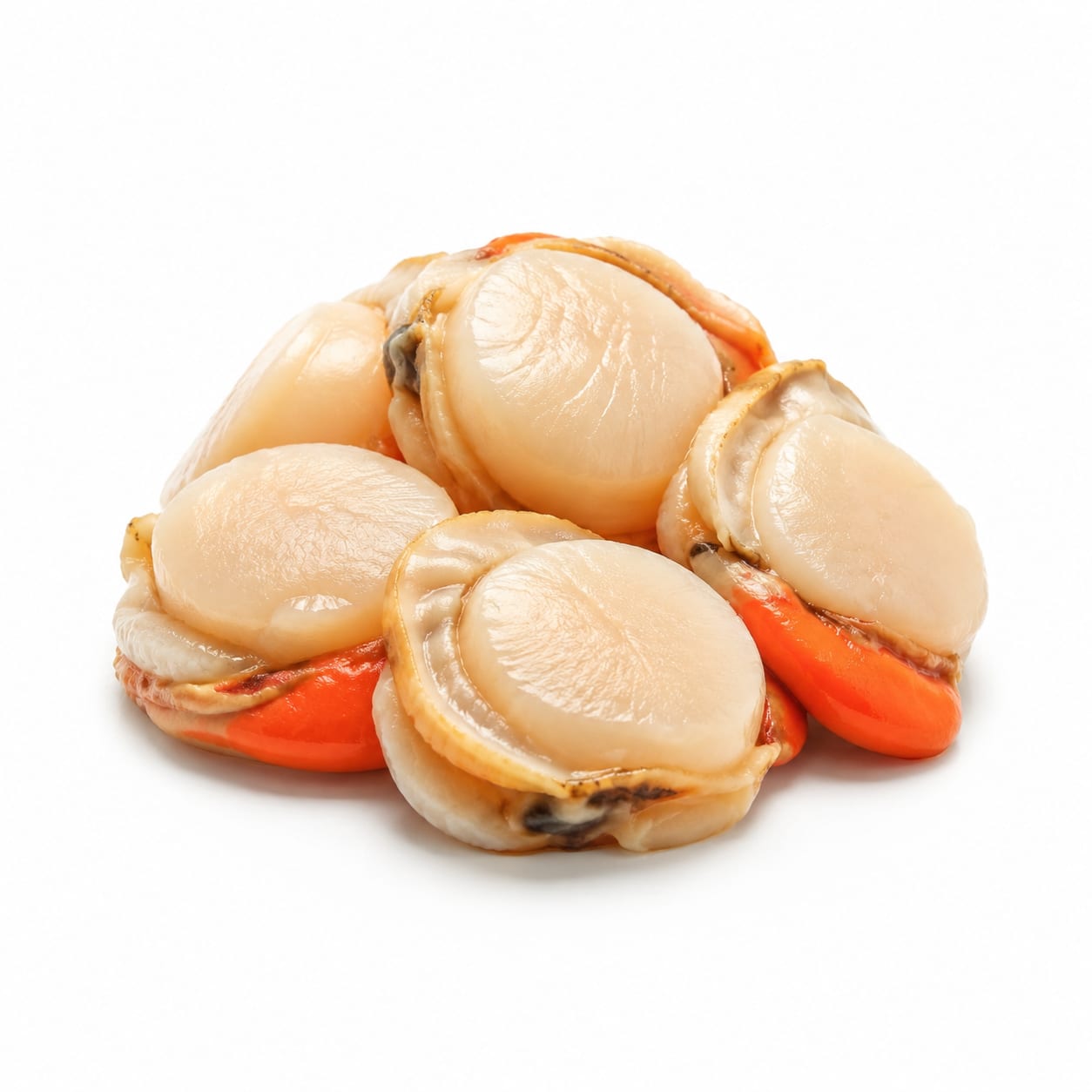
Scallop
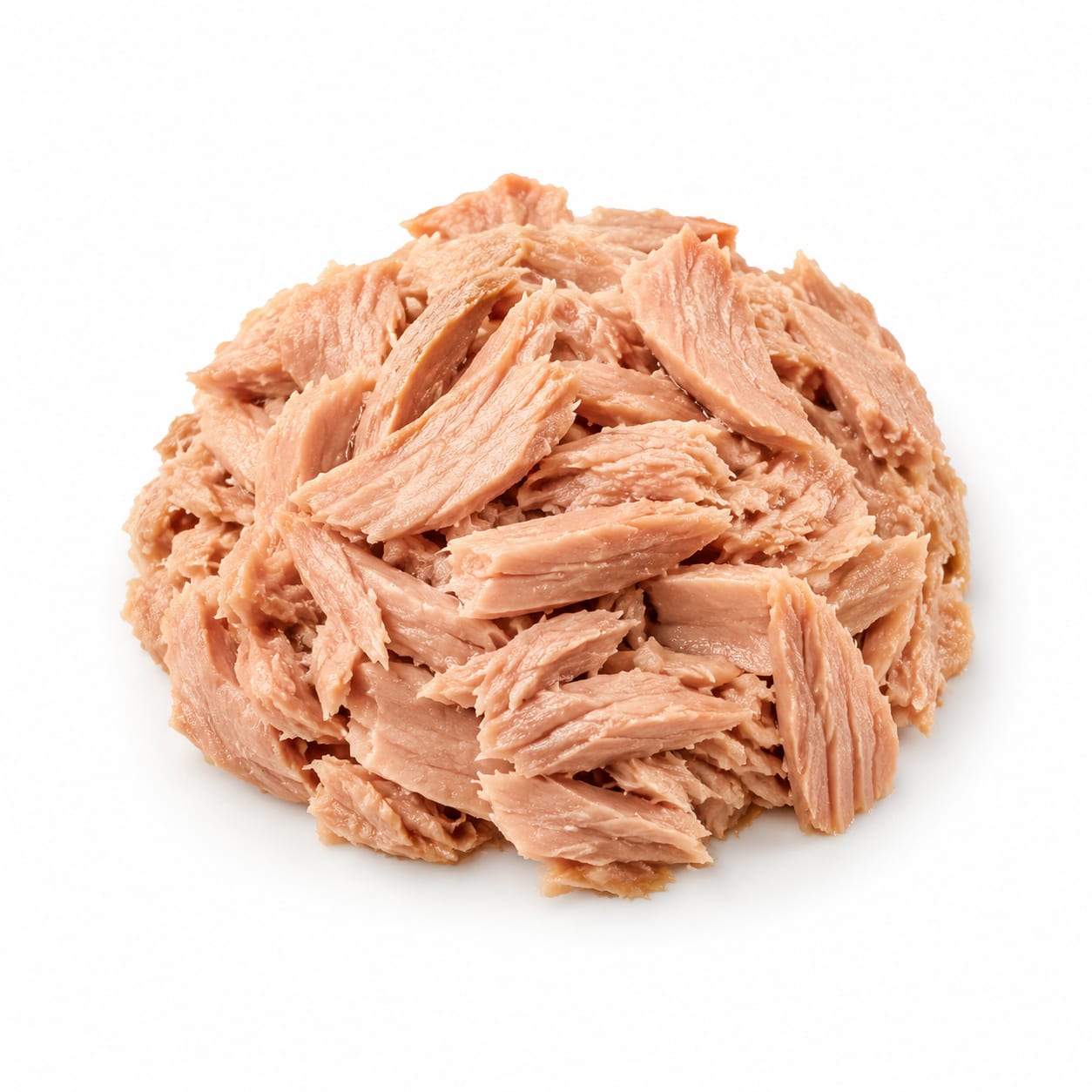
Tuna
Scallops offer a low-calorie, low-mercury delicacy, while Tuna delivers a heavy hit of protein and omega-3s but carries higher mercury risks.
Scallops score slightly higher overall due to superior safety for frequent consumption and calorie efficiency. Tuna scores high for nutrition density but is penalized by heavy metal accumulation risks that limit how often it should be eaten.
Protein and omega-3 power versus mercury safety and calorie density.
At a glance
Executive summary
Overall
It depends
Healthier
It depends
More practical
Tuna
Daily use
Scallop
Key comparison lenses
Mercury and heavy metal exposure
Tuna is known for accumulating mercury, while Scallops are among the cleanest seafood options, making safety a primary decision factor.
Protein intake for muscle and satiety
Tuna is a protein powerhouse compared to the lighter protein density of Scallops, heavily influencing meal choice for active individuals.
Weight loss and calorie efficiency
Scallops are remarkably low in calories while still providing quality protein, making them a premium choice for dieters.
Omega-3 fatty acid benefits
Tuna provides significantly more anti-inflammatory omega-3s, which is a major reason people choose fish over other proteins.
Best choice for
Scallop
- Pregnant women avoiding mercury
- Low-calorie dieters
- People eating seafood frequently
Tuna
- Athletes needing high protein
- Budget-conscious meal preppers
- Those seeking omega-3s on a budget
Least suitable for
Scallop
- Bodybuilders in a bulk phase
- People with shellfish allergies
- Those on a tight grocery budget
Tuna
- Pregnant women (especially albacore)
- Daily seafood eaters concerned about mercury
- People with histamine intolerance
Deep comparison
Dimension by dimension
Each lens scores both foods and breaks down who each option suits.
- Dimension 1 · Priority 90Tuna
Protein & Satiety
Scallop · 60Tuna · 95Tuna packs significantly more protein per serving, keeping you fuller for longer.
Tradeoff
You get way more muscle-fueling protein from Tuna, but Scallops are lighter if you prefer a less dense meal.
Why it matters
Higher protein makes Tuna a better standalone meal for satiety and recovery.
Real-world impact
A Tuna steak or can will crush afternoon hunger; Scallops might leave you reaching for a snack an hour later.
Scallop
- Light lunches
- Appetizers
Better for
- Recovering after heavy exercise
- Fighting off intense cravings
Worse for
Tuna
- Post-workout meals
- High-protein diets
Better for
- Light snacking
- Small appetites
Worse for
- Dimension 2 · Priority 95Scallop
Mercury & Contaminant Safety
Scallop · 95Tuna · 45Scallops are among the lowest-mercury seafood options, while Tuna accumulates significantly more mercury.
Tradeoff
Tuna brings more nutrients but also more heavy metal exposure, whereas Scallops are extremely clean.
Why it matters
Mercury buildup affects brain health and is especially risky for frequent seafood eaters and pregnant women.
Real-world impact
You can eat Scallops multiple times a week without worry; Tuna should be limited to a few servings a week max.
Scallop
- Frequent seafood consumption
- Pregnancy diets
Better for
- None regarding safety
Worse for
Tuna
- Occasional protein boosts
Better for
- Daily meal prep
- Children and pregnant women
Worse for
- Dimension 3 · Priority 85Scallop
Calorie Efficiency & Weight Loss
Scallop · 95Tuna · 80Scallops are extremely low in calories while still providing decent protein, making them a top-tier weight loss food.
Tradeoff
Scallops let you eat a larger volume of food for fewer calories, while Tuna is more calorie-dense due to its higher protein and fat content.
Why it matters
Volume eating helps with diet adherence and satiety without overconsuming calories.
Real-world impact
A plate of Scallops feels indulgent but keeps your daily calorie count low; Tuna is still lean but adds up faster.
Scallop
- Calorie-restricted diets
- Volume eaters
Better for
- Those needing calorie surpluses
Worse for
Tuna
- Low-carb dieters needing more protein
Better for
- Very low-calorie crash diets
Worse for
- Dimension 4 · Priority 80Tuna
Omega-3 Fatty Acids
Scallop · 40Tuna · 85Tuna provides substantially more omega-3s, which are crucial for heart and brain health.
Tradeoff
You sacrifice the anti-inflammatory benefits of high omega-3s if you choose Scallops over Tuna.
Why it matters
Omega-3s are a primary reason people eat seafood, and Tuna delivers them much more efficiently.
Real-world impact
Eating Tuna a couple of times a week noticeably supports cardiovascular health; Scallops contribute less here.
Scallop
- Those getting omega-3s from other sources like salmon or supplements
Better for
- Relying on seafood as your main omega-3 source
Worse for
Tuna
- Heart health focus
- Reducing inflammation naturally
Better for
- None regarding omega-3s
Worse for
Timeline
Health impact over time
Short-term
Hours to days
Scallop
- Quick, light energy
- Easy to digest
- Unlikely to cause heavy sluggishness
Tuna
- Strong satiety after eating
- Potential for fishy aftertaste
- Risk of histamine reaction if not fresh
Long-term
Months to years
Scallop
- Safe for frequent consumption without heavy metal buildup
- Supports weight maintenance
- Lower long-term omega-3 intake
Tuna
- Excellent heart and muscle support
- Risk of mercury accumulation if overconsumed
- Better long-term anti-inflammatory protection
Risk profile
Safety & processing
Fresh Scallops and fresh Tuna are equally natural, but canned Tuna often contains added salt, making Scallops the cleaner whole-food option for daily cooking.
Scallop
Shellfish allergy
highCan cause severe allergic reactions in susceptible individuals.
Purine content
mediumCan trigger gout flare-ups in sensitive people if eaten in large amounts.
Foodborne illness
lowMust be cooked properly to avoid Vibrio or norovirus from raw handling.
Tuna
Mercury content
highLarger tuna species accumulate significant mercury, posing neurological risks over time.
Scombroid poisoning
mediumImproperly refrigerated Tuna can cause histamine toxicity, leading to flushing and headaches.
Canned BPA exposure
lowCanned varieties may expose consumers to BPA from can linings.
Who wins for whom
Audience fit
Same foods, different winners depending on your goal.
children
ScallopScallops are extremely low in mercury, making them much safer for developing nervous systems.
daily consumption
ScallopMercury levels make daily Tuna consumption risky, whereas Scallops can be safely eaten multiple times a week.
diabetes
TunaThe higher protein and fat content in Tuna slows digestion, providing steadier blood sugar control over longer periods.
elderly
ScallopLower mercury accumulation risk and a tender texture make Scallops a safer, easier-to-chew option for aging adults.
muscle gain
TunaTuna offers much more protein per serving, which is essential for repairing and building muscle tissue.
weight loss
ScallopScallops provide exceptional volume and protein for very few calories, making dieting easier.
Your move
Decision guide
Choose Scallop
- You are pregnant or breastfeeding
- You eat seafood more than twice a week
- You want a low-calorie, elegant meal
- You are concerned about heavy metal exposure
Choose Tuna
- You need a budget-friendly protein source
- You are an athlete needing high protein
- You want maximum omega-3s
- You want a pantry-stable option
Either works if
- You want a zero-carb, keto-friendly protein
- You are making a seafood salad
- You need a quick cooking protein
Avoid both if
- You have a severe seafood allergy
- You are on a strict low-purine diet for gout
Final recommendation
Choose Scallops for frequent, safe, and light eating, and save Tuna for occasional protein-heavy meals to balance omega-3 intake without overdoing mercury.
Practical
Consumer tips
- 1
Limit albacore Tuna to once a week to keep mercury levels safe.
- 2
Buy canned light Tuna over albacore for lower mercury levels.
- 3
Pat Scallops dry before searing for the best golden crust.
- 4
Check canned Tuna labels for BPA-free linings.
- 5
Freeze Scallops if not cooking within a day to preserve their sweet flavor.