
Nutrition comparison
Scallop vs Tilapia: Nutrition, Safety, and Taste Compared
Which is healthier, scallops or tilapia? Compare omega-3s, protein, mercury levels, and budget to find the best fish for your diet.
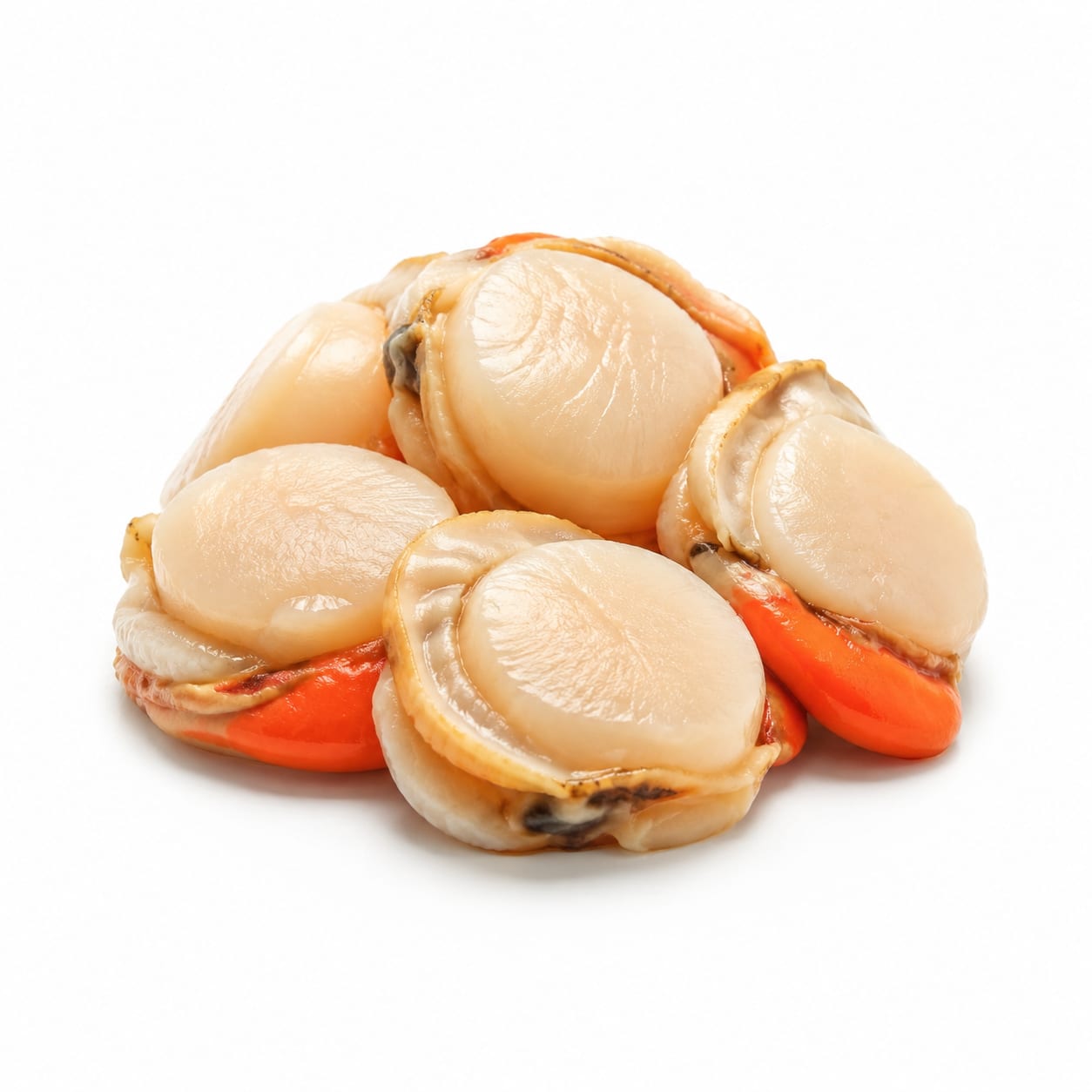
Scallop
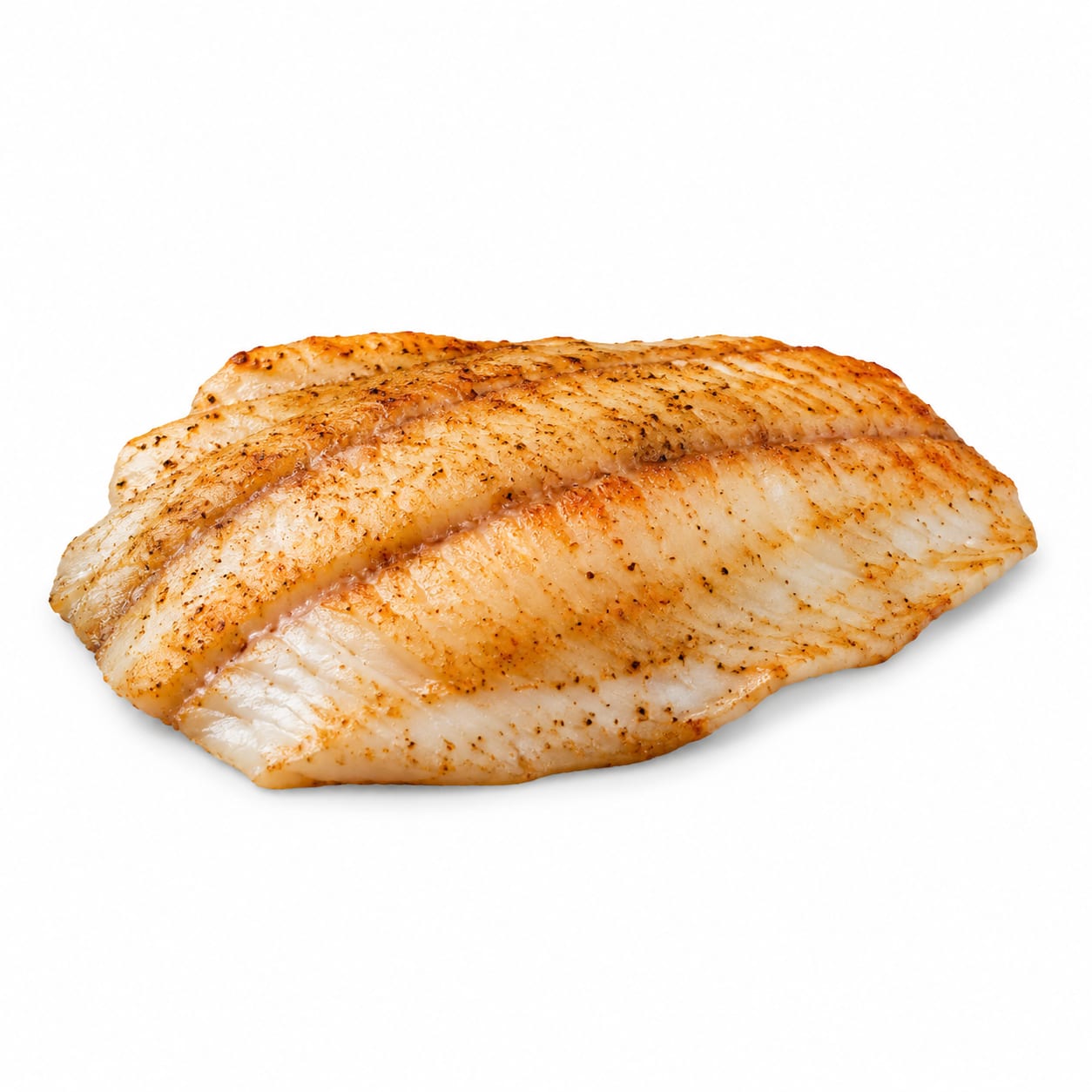
Tilapia
Scallops deliver a superior omega-3 boost and cleaner safety profile, while tilapia wins on budget and everyday cooking ease.
Scallops rank higher for nutritional quality and safety, but tilapia's extreme affordability and cooking convenience make it a strong everyday staple.
Nutritional luxury and heart health benefits versus affordable, accessible lean protein.
At a glance
Executive summary
Overall
It depends
Healthier
Scallop
More practical
Tilapia
Daily use
Tilapia
Key comparison lenses
Omega-3 and heart health optimization
Scallops provide a significantly better omega-3 profile compared to the omega-6 heavy farmed tilapia.
Budget and everyday meal accessibility
Tilapia is one of the most affordable fish available, while scallops are a premium protein.
Contaminant and heavy metal safety
Consumers often worry about mercury in seafood and antibiotics in farmed fish like tilapia.
Culinary ease and weeknight practicality
Tilapia is forgiving and quick to cook, whereas scallops require precise technique to avoid ruining an expensive ingredient.
Best choice for
Scallop
- Boosting omega-3 intake
- Special occasion dinners
- Heart-healthy and anti-inflammatory diets
Tilapia
- Tight grocery budgets
- Quick weeknight meals
- Picky eaters who dislike fishy flavors
Least suitable for
Scallop
- Daily budget meal prep
- People with shellfish allergies
Tilapia
- Optimizing omega-3 intake
- Avoiding farmed fish concerns
Deep comparison
Dimension by dimension
Each lens scores both foods and breaks down who each option suits.
- Dimension 1 · Priority 90Scallop
Nutrient Density & Heart Health
Scallop · 92Tilapia · 55Scallops are rich in omega-3s and minerals like selenium and zinc, whereas tilapia has a less favorable omega-6 to omega-3 ratio.
Tradeoff
You get significantly more heart-healthy fats and micronutrients with scallops, but at a much higher price point.
Why it matters
A better omega-3 profile supports brain health and reduces inflammation, making scallops a functional food for longevity.
Real-world impact
Eating scallops a few times a month can meaningfully improve your fat balance, while tilapia mostly just adds lean protein.
Scallop
- Cardiovascular health
- Reducing inflammation
- Micronutrient intake
Better for
- Wallet-friendly meal prep
Worse for
Tilapia
- Cheap protein intake
Better for
- Balancing inflammatory fats
Worse for
- Dimension 2 · Priority 85Scallop
Safety & Contaminant Profile
Scallop · 85Tilapia · 60Scallops are among the lowest-mercury seafood options. Tilapia's safety depends heavily on farming practices, which can involve antibiotics.
Tradeoff
Scallops offer more peace of mind regarding waterborne contaminants, while tilapia requires careful label-reading to ensure quality.
Why it matters
Farmed tilapia from poorly regulated sources can carry residues that negate the benefits of eating fish.
Real-world impact
Choosing scallops means less worry about what is in your fish; choosing tilapia means you must trust the farm's certifications.
Scallop
- Avoiding heavy metals
- Clean eating diets
Better for
- Shellfish allergy sufferers
Worse for
Tilapia
- Avoiding shellfish allergies
Better for
- Those avoiding farmed seafood
Worse for
- Dimension 3 · Priority 80Tilapia
Budget & Everyday Practicality
Scallop · 35Tilapia · 95Tilapia is one of the most affordable fish at the grocery store, while scallops are a premium item often reserved for dining out.
Tradeoff
You sacrifice top-tier nutrition to get a protein source that will not break the bank when eaten multiple times a week.
Why it matters
Consistency in eating healthy protein matters more than perfection; tilapia makes daily fish intake financially possible.
Real-world impact
You can meal-prep tilapia all week for the cost of a single scallop dinner, making it far more sustainable for families.
Scallop
- Luxury dining experiences
Better for
- Cost-conscious households
Worse for
Tilapia
- Weekly meal prep
- Feeding families on a budget
Better for
- High-end culinary experiences
Worse for
- Dimension 4 · Priority 70Tilapia
Culinary Ease & Versatility
Scallop · 55Tilapia · 90Tilapia is forgiving and cooks quickly from frozen, while scallops require precise cooking to avoid turning rubbery.
Tradeoff
Scallops offer a restaurant-quality texture when cooked right, but tilapia is virtually foolproof for beginners.
Why it matters
If cooking fish feels intimidating, tilapia's mild flavor and easy baking make it a stress-free entry point.
Real-world impact
Overcooked scallops ruin an expensive meal, whereas overcooked tilapia is still perfectly edible in a taco or salad.
Scallop
- Impressing dinner guests
- Gourmet recipes
Better for
- Rushed weeknights
Worse for
Tilapia
- Beginner cooks
- Quick sheet-pan dinners
Better for
- Seared or raw preparations
Worse for
Timeline
Health impact over time
Short-term
Hours to days
Scallop
- Highly satiating without feeling heavy
- Quick-digesting premium protein
Tilapia
- Comforting and easy to digest
- Mild flavor that will not linger
Long-term
Months to years
Scallop
- Better cardiovascular markers from omega-3s
- Lower risk of heavy metal accumulation
Tilapia
- Maintains muscle mass affordably
- Potential inflammatory effects if sourced from poor farms
Risk profile
Safety & processing
Both are whole foods in their raw form, but wet scallops are often treated with chemical preservatives to retain water, whereas frozen tilapia is usually just frozen.
Scallop
Shellfish allergy
highScallops are mollusks and can trigger severe allergic reactions in sensitive individuals.
Sodium tripolyphosphate (STPP)
mediumOften used to treat wet scallops, making them absorb water and altering texture, though generally recognized as safe in small amounts.
Tilapia
Farming contaminants
mediumPoorly regulated tilapia farms may use antibiotics or have higher levels of industrial pollutants in the feed.
Unfavorable fat profile
lowCorn-fed farmed tilapia can have high omega-6 levels, which may promote inflammation if eaten excessively.
Who wins for whom
Audience fit
Same foods, different winners depending on your goal.
children
TilapiaTilapia has no shellfish allergy risk, a mild taste kids accept, and easily flakes into safe, bite-sized pieces.
daily consumption
TilapiaThe low cost and easy preparation make tilapia a realistic daily staple for most households.
diabetes
ScallopThe superior omega-3 content in scallops helps improve insulin sensitivity and reduce systemic inflammation.
elderly
ScallopScallops are extremely tender when cooked properly and provide heart-protective fats crucial for aging cardiovascular systems.
muscle gain
TilapiaTilapia is much cheaper, allowing you to eat the larger quantities of protein needed for muscle building without going broke.
weight loss
ScallopScallops are lower in calories and higher in protein per ounce, making them incredibly filling for the calorie cost.
Your move
Decision guide
Choose Scallop
- You want a nutrient-dense, heart-healthy indulgence
- You are confident in your searing skills
- Avoiding heavy metals is a top priority
Choose Tilapia
- You need an affordable, lean protein for the week
- You are cooking for picky eaters or kids
- You want a foolproof fish for quick meals
Either works if
- You just need a light, low-calorie protein to top a salad
- You are rotating through different healthy protein sources
Avoid both if
- You have a severe seafood or fish allergy
- Your doctor has advised against high-purine foods due to gout
Final recommendation
Choose scallops when health outcomes and special occasions are the priority; choose tilapia when budget and convenience dictate your weeknight reality.
Practical
Consumer tips
- 1
Ask for dry scallops at the seafood counter to avoid STPP preservatives and get a better sear.
- 2
Look for tilapia certified by the Aquaculture Stewardship Council to ensure safer farming practices.
- 3
Pat scallops completely dry before cooking; moisture is the enemy of a golden crust.
- 4
Season tilapia boldly with citrus and spices, as its mild flavor acts like a blank canvas.