
Nutrition comparison
Scallop vs Salmon: Nutrition, Omega-3, and Health Comparison
Compare scallops vs salmon for omega-3, calories, protein, and mercury. Find out which seafood is better for weight loss, heart health, and daily meals.
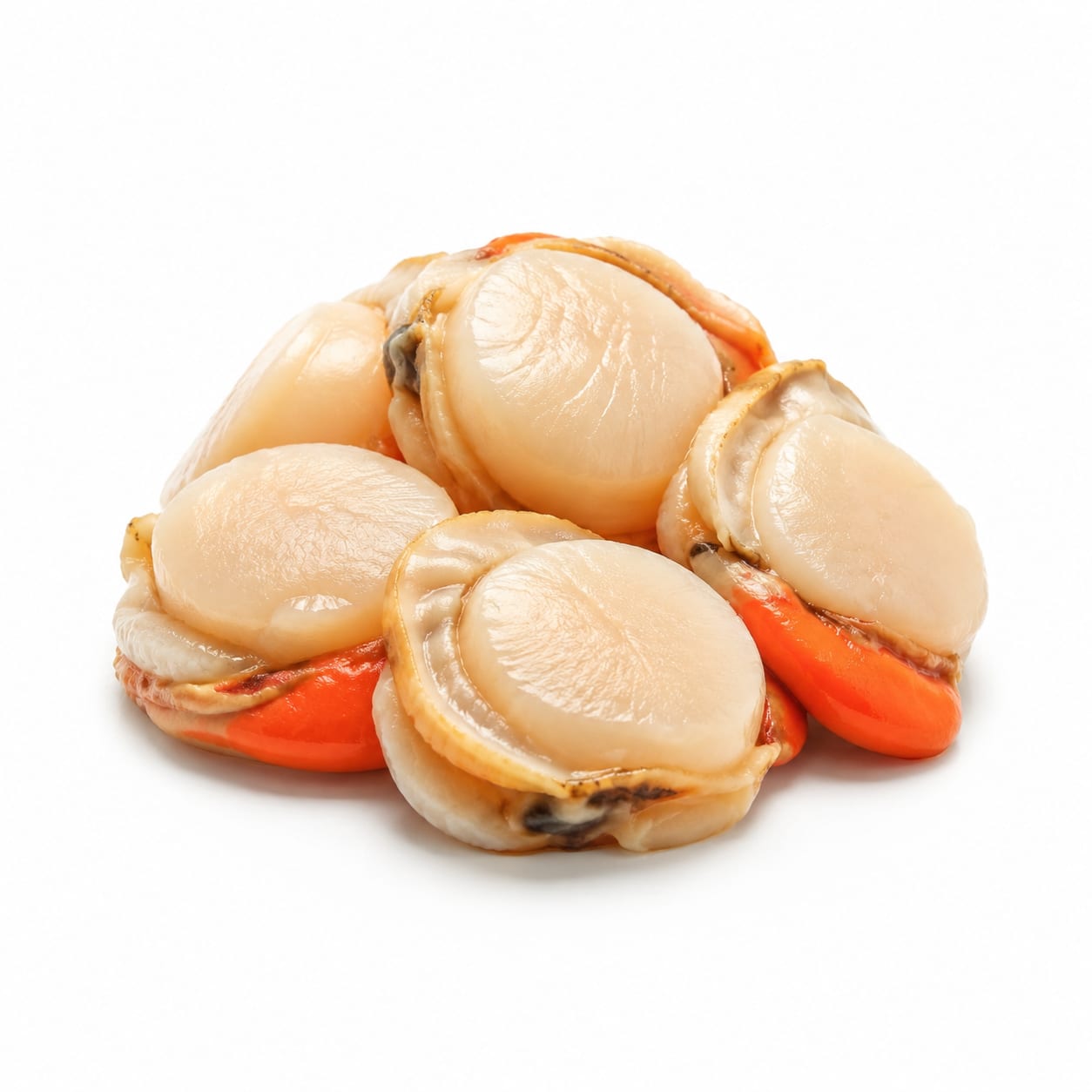
Scallop
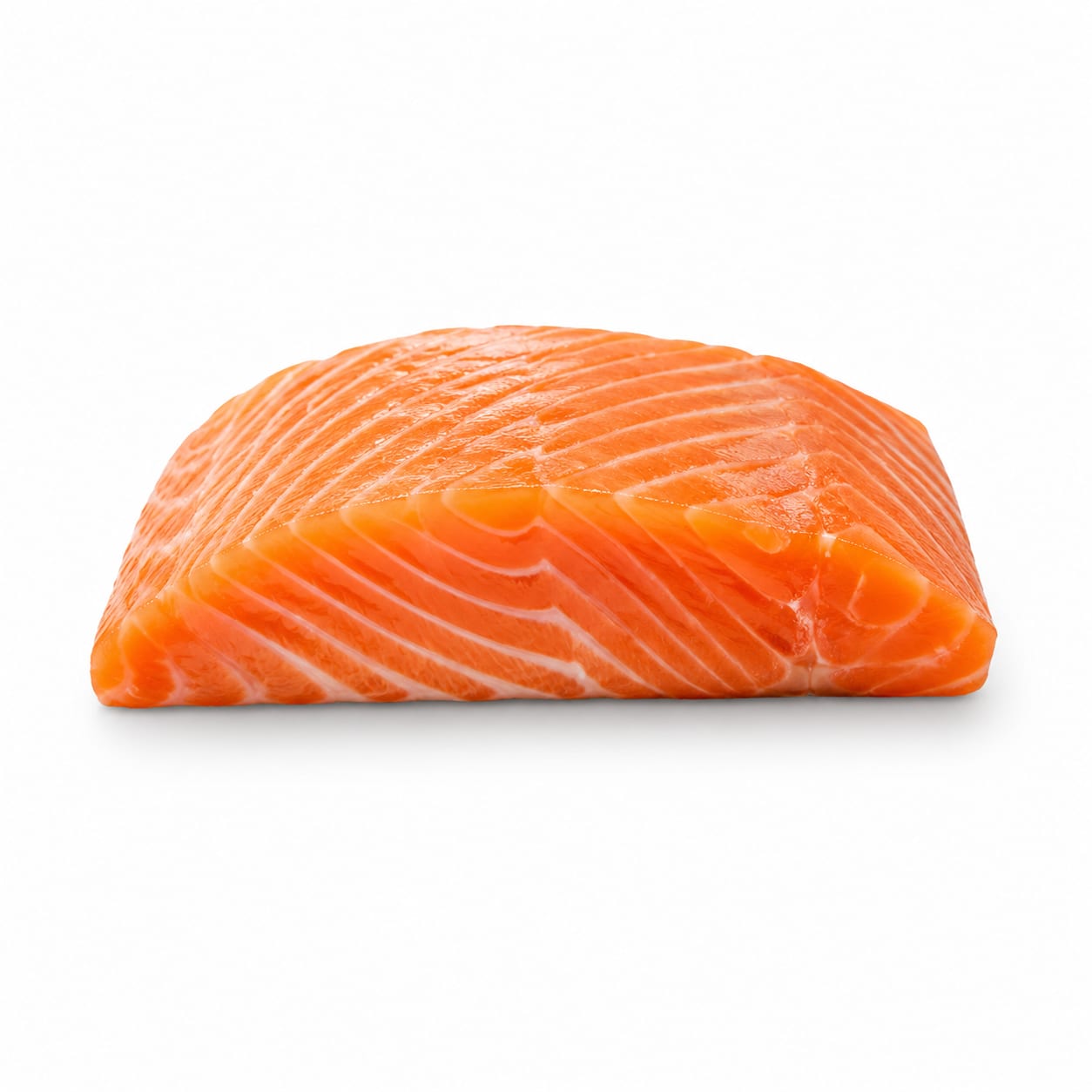
Salmon
Salmon is the omega-3 powerhouse that keeps you full, while scallops are a lean, low-calorie protein delicacy.
Salmon scores higher due to its unmatched omega-3 content and satiety, making it a more impactful daily health food, though scallops excel for lean diets.
Rich satisfying fats and omega-3s in salmon versus ultra-lean protein and lower calories in scallops.
At a glance
Executive summary
Overall
It depends
Healthier
It depends
More practical
Salmon
Daily use
Salmon
Key comparison lenses
Omega-3 and anti-inflammatory benefits
Salmon is famous for its omega-3s, while scallops are notably leaner, making fat quality the primary tradeoff.
Calorie density and weight management
Scallops offer massive protein for very few calories, appealing to those strictly managing intake.
Heavy metal and contaminant exposure
Frequent seafood eaters often weigh the lower mercury of scallops against the PCB risks in some salmon.
Satiety and meal satisfaction
The fat content in salmon keeps you full, whereas lean scallops might leave you hungry sooner.
Best choice for
Scallop
- Low-calorie diets
- Lean protein needs
- Elegant light dinners
Salmon
- Omega-3 boost
- Heart health focus
- Satiating meals
Least suitable for
Scallop
- Budget-conscious households
- Those needing omega-3s
- Heavy eaters wanting fullness
Salmon
- Strict low-fat diets
- Calorie-restricted plans
- People avoiding strong fish flavors
Deep comparison
Dimension by dimension
Each lens scores both foods and breaks down who each option suits.
- Dimension 1 · Priority 95Salmon
Omega-3 & Anti-Inflammatory Benefits
Scallop · 25Salmon · 98Salmon is one of the best sources of omega-3s, while scallops offer very little.
Tradeoff
You trade the anti-inflammatory power of salmon fats for the leanness of scallops.
Why it matters
Omega-3s are critical for brain health, joint comfort, and heart protection.
Real-world impact
Eating salmon regularly can reduce joint stiffness and improve mood stability.
Scallop
- Keeping total fat intake extremely low
Better for
- Getting enough EPA/DHA
- Reducing systemic inflammation
Worse for
Salmon
- Fighting inflammation
- Brain health
- Heart disease prevention
Better for
- Strict low-fat diets
Worse for
- Dimension 2 · Priority 85Scallop
Calorie Density & Leanness
Scallop · 95Salmon · 60Scallops are incredibly low in calories and fat, making them perfect for weight loss.
Tradeoff
Scallops let you eat a larger volume of food for fewer calories, but you might feel hungry sooner.
Why it matters
Calorie density dictates how much you can eat while staying in a deficit.
Real-world impact
A scallop dinner leaves you light, while a salmon dinner feels heavy and satisfying.
Scallop
- Cutting calories
- Lean physique goals
- Light evening meals
Better for
- Staying satisfied without side dishes
Worse for
Salmon
- Sustained energy
- Feeling full for hours
Better for
- Low-calorie dieting
Worse for
- Dimension 3 · Priority 80Salmon
Satiety & Fullness
Scallop · 55Salmon · 90Salmon's healthy fats slow digestion and keep you full much longer than lean scallops.
Tradeoff
Scallops digest quickly, which is great for light meals but bad for late-night cravings.
Why it matters
Staying full prevents overeating and snacking between meals.
Real-world impact
A salmon fillet easily carries you from dinner to breakfast; scallops often need a carb side to do the same.
Scallop
- Pre-workout meals where you want a light stomach
Better for
- Avoiding hunger pangs later
Worse for
Salmon
- Appetite control
- Reducing evening snacking
Better for
- Eating right before a workout
Worse for
- Dimension 4 · Priority 75Scallop
Contaminant & Heavy Metal Risk
Scallop · 85Salmon · 65Scallops generally have lower mercury and contaminant levels than salmon, especially farmed salmon.
Tradeoff
Choosing scallops reduces heavy metal anxiety, but you miss out on the omega-3s that help detoxify the body.
Why it matters
Frequent seafood consumption requires balancing benefits with toxin exposure.
Real-world impact
You can eat scallops more frequently without worrying about PCBs or mercury buildup.
Scallop
- Frequent seafood eaters
- Pregnant women looking for safe low-mercury options
Better for
- None significant regarding toxins
Worse for
Salmon
- Those eating seafood only 1-2 times a week where risk is minimal
Better for
- Concerns about farmed salmon PCBs or wild salmon mercury
Worse for
- Dimension 5 · Priority 70Salmon
Culinary Practicality & Cost
Scallop · 45Salmon · 80Salmon is more forgiving to cook, widely available, and generally more affordable than scallops.
Tradeoff
Scallops are delicate and expensive, making them a special-occasion food rather than a weeknight staple.
Why it matters
A healthy food only works if you can actually cook it well and afford it regularly.
Real-world impact
Overcooking scallops ruins their texture easily, while salmon remains tasty even slightly overdone.
Scallop
- Fancy dinner parties
- Impressing guests
Better for
- Tight grocery budgets
- Quick weeknight cooking
Worse for
Salmon
- Meal prepping
- Budget-friendly weeknight dinners
- Beginner cooks
Better for
- Upscale dining presentation
Worse for
Timeline
Health impact over time
Short-term
Hours to days
Scallop
- Light, non-bloated feeling
- Quick-digesting energy
Salmon
- Deep satiety
- Steady energy from fats
Long-term
Months to years
Scallop
- Easier weight maintenance
- Lower toxin accumulation
Salmon
- Reduced heart disease risk
- Better cognitive aging
- Lower inflammation
Risk profile
Safety & processing
Both are whole, natural foods. Watch out for farmed salmon with artificial colorants added to feed, and scallops treated with sodium tripolyphosphate to retain moisture.
Scallop
Sodium Tripolyphosphate (STPP)
lowSome scallops are soaked in STPP to hold water, which increases sodium and ruins searing. Look for dry scallops.
Salmon
PCBs and Dioxins
mediumFarmed salmon can have higher levels of industrial pollutants compared to wild-caught.
Mercury
lowWild salmon is relatively low in mercury, but still a consideration for daily consumption.
Who wins for whom
Audience fit
Same foods, different winners depending on your goal.
children
SalmonThe omega-3s in salmon are crucial for brain development in kids, and the flavor is often more appealing than scallops.
daily consumption
SalmonSalmon offers a wider range of daily nutritional benefits, particularly omega-3s, though variety is ideal.
diabetes
SalmonThe healthy fats in salmon slow down digestion, preventing blood sugar spikes and improving insulin sensitivity.
elderly
SalmonSalmon's anti-inflammatory fats protect aging joints and brains, and its softer texture is easy to chew.
muscle gain
SalmonSalmon provides more calories and healthy fats alongside high-quality protein, supporting overall caloric surplus and recovery.
weight loss
ScallopScallops offer massive protein with minimal calories, making it easier to sustain a deficit.
Your move
Decision guide
Choose Scallop
- You are counting calories strictly
- You want a light, elegant meal
- You eat seafood very frequently and worry about mercury
Choose Salmon
- You want to boost omega-3 intake
- You need a meal that keeps you full for hours
- You are cooking on a budget or need forgiving prep
Either works if
- You just need high-quality lean protein
- You are building a healthy seafood rotation
Avoid both if
- You have a severe shellfish or fish allergy
- You cannot source high-quality fresh or frozen seafood
Final recommendation
Make salmon your weekly staple for omega-3s and fullness, and treat scallops as your go-to when you want something lean, light, and a bit fancier.
Practical
Consumer tips
- 1
Look for dry scallops to avoid chemical additives and get a proper sear.
- 2
Choose wild-caught salmon when possible to avoid PCBs and artificial colorants.
- 3
Pair scallops with a healthy fat like olive oil or avocado to boost satiety without adding heavy carbs.
- 4
Canned salmon is a budget-friendly, high-omega-3 alternative to fresh fillets.