
Nutrition comparison
Scallop vs Pork Tenderloin: Which Lean Protein is Better?
Compare scallops and pork tenderloin for protein, omega-3s, cost, and health benefits. Find out which lean meat fits your diet and lifestyle best.
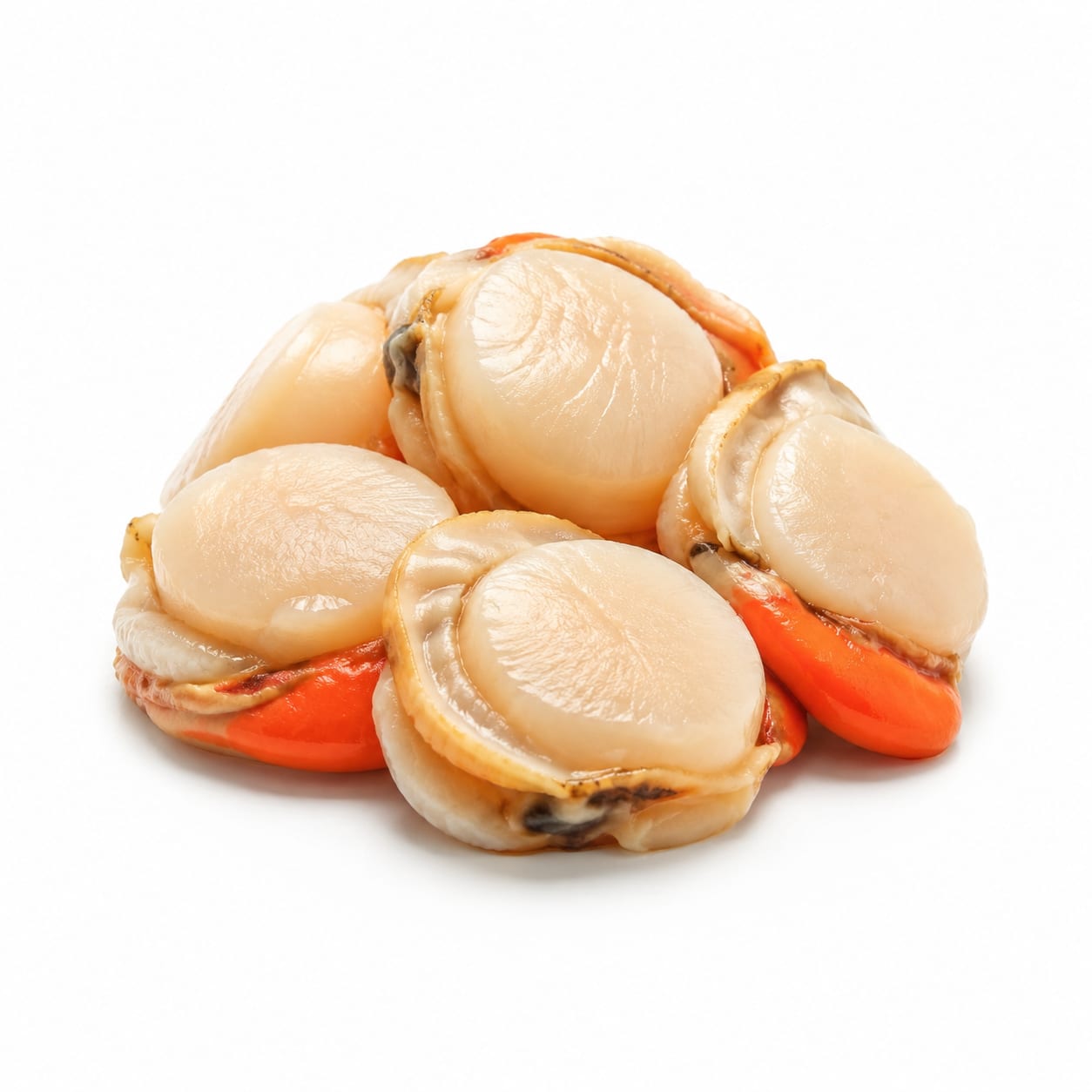
Scallop
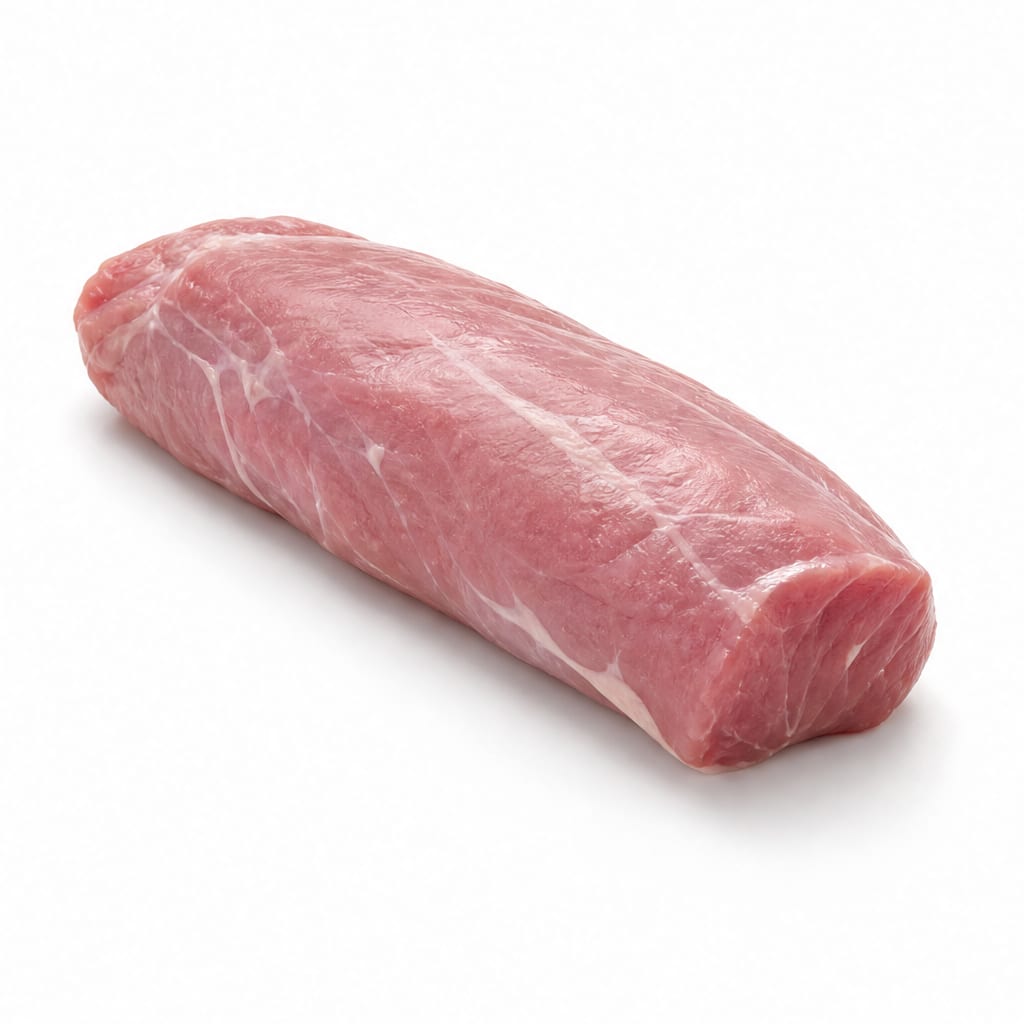
Pork Tenderloin
Scallops deliver a light, omega-3 rich experience, while pork tenderloin offers unbeatable everyday value, satiety, and B-vitamins.
Pork tenderloin scores slightly higher due to superior everyday practicality, cost, and protein density, but scallops remain an excellent choice for specific nutritional needs like omega-3s.
Marine omega-3s and delicate texture versus land-animal heartiness, higher protein density, and budget-friendliness.
At a glance
Executive summary
Overall
It depends
Healthier
It depends
More practical
Pork Tenderloin
Daily use
Pork Tenderloin
Key comparison lenses
Lean Protein Source Comparison
Both are top-tier lean proteins, making them direct substitutes for muscle gain and weight loss meals.
Heart Health and Fats
Scallops provide marine omega-3s while pork tenderloin offers lean land-based fat, impacting cardiovascular choices differently.
Budget and Everyday Practicality
Scallops are a premium seafood, whereas pork tenderloin is one of the most cost-effective lean meats available.
Contamination and Safety Profile
Ocean-borne heavy metals in scallops versus farming practices and cooking safety in pork are key concerns.
Best choice for
Scallop
- People prioritizing omega-3 intake without supplements
- Those wanting a light, elegant meal that won't weigh them down
- Older adults needing easy-to-chew, nutrient-dense food
Pork Tenderloin
- Families needing affordable, filling lean protein
- Meal preppers looking for versatile, fridge-stable meat
- Athletes requiring high protein volume on a budget
Least suitable for
Scallop
- Anyone with a shellfish allergy
- Shoppers on a strict grocery budget
- Those concerned about ocean contaminants
Pork Tenderloin
- People avoiding land animal meats for environmental reasons
- Those who easily overcook lean meats and dislike dry textures
Deep comparison
Dimension by dimension
Each lens scores both foods and breaks down who each option suits.
- Dimension 1 · Priority 90Pork Tenderloin
Protein Quality and Satiety
Scallop · 82Pork Tenderloin · 90Pork tenderloin provides slightly more protein per calorie and a denser texture that keeps you full longer.
Tradeoff
Scallops digest very quickly and feel light, but that same lightness means you might get hungry sooner.
Why it matters
Staying full after a meal prevents unnecessary snacking and helps maintain a healthy weight effortlessly.
Real-world impact
A pork tenderloin dinner easily carries you to the next meal, while a scallop dish often needs a hearty side to match that staying power.
Scallop
- Hot summer nights when you want something light
- Post-workout meals where you don't want to feel bloated
Better for
- Recovering from intense endurance exercise where you need sustained calories
Worse for
Pork Tenderloin
- Busy days requiring lasting energy
- Building and repairing muscle after heavy training
Better for
- Eating right before a workout and needing quick digestion
Worse for
- Dimension 2 · Priority 88Scallop
Heart Health and Fats
Scallop · 88Pork Tenderloin · 78Scallops bring beneficial omega-3 fatty acids to your plate, while pork tenderloin lacks these but remains very low in saturated fat.
Tradeoff
Scallops have higher dietary cholesterol, though it minimally impacts blood cholesterol for most people, whereas pork offers no omega-3s.
Why it matters
Omega-3s are crucial for reducing inflammation and supporting long-term cardiovascular health.
Real-world impact
Eating scallops a couple of times a week gives your heart a gentle, natural omega-3 boost without needing fish oil pills.
Scallop
- Supporting cardiovascular health
- Reducing systemic inflammation
Better for
- Very strict dietary cholesterol restrictions
Worse for
Pork Tenderloin
- Following a low-cholesterol diet if medically advised
- Maintaining a lean land-animal protein routine
Better for
- Diets specifically aiming to increase marine omega-3 intake
Worse for
- Dimension 3 · Priority 82It depends
Micronutrient Density
Scallop · 86Pork Tenderloin · 85Scallops excel in vitamin B12, zinc, and selenium, whereas pork tenderloin is a powerhouse for thiamin and potassium.
Tradeoff
You choose between marine minerals that support immunity and thyroid function versus land-based B-vitamins that drive energy metabolism.
Why it matters
Different micronutrient profiles support different body functions, from nerve signaling to energy conversion.
Real-world impact
Scallops help boost your immune system and thyroid, while pork tenderloin helps convert your food into steady daily energy.
Scallop
- Supporting immune function with zinc
- Maintaining thyroid health with selenium
Better for
- Correcting a thiamin deficiency
Worse for
Pork Tenderloin
- Preventing energy slumps with thiamin
- Maintaining electrolyte balance with potassium
Better for
- Boosting B12 and zinc levels
Worse for
- Dimension 4 · Priority 85Pork Tenderloin
Cost and Practicality
Scallop · 50Pork Tenderloin · 92Pork tenderloin is one of the most affordable lean meats available, while scallops are a premium-priced seafood.
Tradeoff
Everyday budget-friendliness and easy availability versus special-occasion luxury and higher cost.
Why it matters
Cost and convenience often dictate what you can realistically eat on a regular basis.
Real-world impact
You can eat pork tenderloin multiple times a week without straining your wallet, while scallops are usually reserved for weekends or guests.
Scallop
- Creating an impressive date-night dinner
- Celebratory meals that feel luxurious
Better for
- Stretching a tight grocery budget
Worse for
Pork Tenderloin
- Weekly meal prep on a budget
- Feeding a large family affordably
Better for
- Making a meal feel instantly gourmet and indulgent
Worse for
- Dimension 5 · Priority 75Pork Tenderloin
Contamination and Safety
Scallop · 70Pork Tenderloin · 82Scallops carry a risk of heavy metals and microplastics from ocean water, while pork tenderloin risks are mostly tied to cooking temperatures and farming practices.
Tradeoff
Ocean-borne environmental contaminants versus land-animal antibiotic and farming residues.
Why it matters
Long-term exposure to heavy metals or antibiotic residues can subtly impact your health over time.
Real-world impact
Sourcing high-quality scallops is crucial to minimize ocean contaminants, whereas cooking pork properly eliminates most safety concerns.
Scallop
- Avoiding concerns about antibiotic use in livestock
Better for
- Frequent consumption if sourced from polluted waters
Worse for
Pork Tenderloin
- Minimizing exposure to marine heavy metals
Better for
- Eating undercooked meat which poses bacterial risks
Worse for
Timeline
Health impact over time
Short-term
Hours to days
Scallop
- Quick, light energy without feeling sluggish
- Very easy on the stomach and fast to digest
Pork Tenderloin
- Strong and lasting satiety
- Sustained energy for hours without crashing
Long-term
Months to years
Scallop
- Better omega-3 balance for heart and brain health
- Improved thyroid and immune function from selenium and zinc
Pork Tenderloin
- Excellent lean muscle maintenance due to high protein density
- Robust energy metabolism supported by high thiamin levels
Risk profile
Safety & processing
Both are whole, unprocessed foods. Fresh or frozen scallops and raw pork tenderloin are as natural as it gets, requiring no additives to stay fresh before cooking.
Scallop
Heavy Metals and Microplastics
mediumScallops can accumulate trace amounts of cadmium and microplastics from ocean water, making sourcing important.
Vibrio Bacteria
lowRaw or undercooked scallops can harbor vibrio, but thorough cooking eliminates this risk entirely.
Pork Tenderloin
Bacterial Contamination
mediumLike all raw meats, pork can carry bacteria like Salmonella, requiring proper cooking to 145°F to ensure safety.
Antibiotic Residues
lowConventional pork farming may use antibiotics, though regulations strictly limit residues in the final meat product.
Who wins for whom
Audience fit
Same foods, different winners depending on your goal.
children
Pork TenderloinPork tenderloin is more affordable for growing appetites, easier to prepare in kid-friendly ways, and lacks the heavy metal concerns of seafood.
daily consumption
Pork TenderloinLower cost and lower environmental contaminant risk make pork tenderloin a more sustainable and practical choice for daily meals.
diabetes
It dependsNeither impacts blood sugar directly. Scallops help reduce inflammation via omega-3s, while pork's high satiety prevents overeating.
elderly
ScallopScallops are extremely tender and easy to chew, and their high B12 and omega-3 content strongly supports cognitive health in aging adults.
muscle gain
Pork TenderloinPork tenderloin offers slightly more protein per serving and a denser amino acid profile, making it easier to hit high protein targets affordably.
weight loss
It dependsBoth are incredibly lean and low in calories. Scallops are lighter, but pork tenderloin is more filling, which helps prevent snacking.
Your move
Decision guide
Choose Scallop
- You want a light, luxurious meal that feels special
- You need an omega-3 boost without taking fish oil
- You want an easy-to-chew protein source
Choose Pork Tenderloin
- You are meal prepping for the week on a budget
- You need maximum protein and satiety to stay full
- You want a versatile meat that takes on any marinade or rub
Either works if
- You simply need a high-quality lean protein for dinner
- You are focusing on weight loss and calorie control
- You want to avoid the high saturated fat found in fattier meats
Avoid both if
- You have gout and are highly sensitive to purines
- You follow a strict plant-based or vegetarian diet
Final recommendation
Keep pork tenderloin in your weekly rotation for reliable, affordable lean protein, and treat yourself to scallops when you want a lighter, omega-3-rich meal that feels like a special occasion.
Practical
Consumer tips
- 1
Buy dry-packed scallops whenever possible; wet-packed scallops absorb water and won't sear properly.
- 2
Brine pork tenderloin for 30 minutes before cooking to keep it incredibly juicy and prevent it from drying out.
- 3
Sear scallops in a very hot pan for just 2 minutes per side to achieve a golden crust without turning them rubbery.
- 4
Choose organic or antibiotic-free pork when available to minimize concerns about farming residues.